Aurora residents raise concern for High Line Canal trail improvements
City councilmembers get earful on improvements possibly drawing homeless camps and motorized vehicles.
Improved trails, pedestrian bridges and shaded rest areas — things that are generally praised and celebrated — drew critique and concern by several Aurora residents.
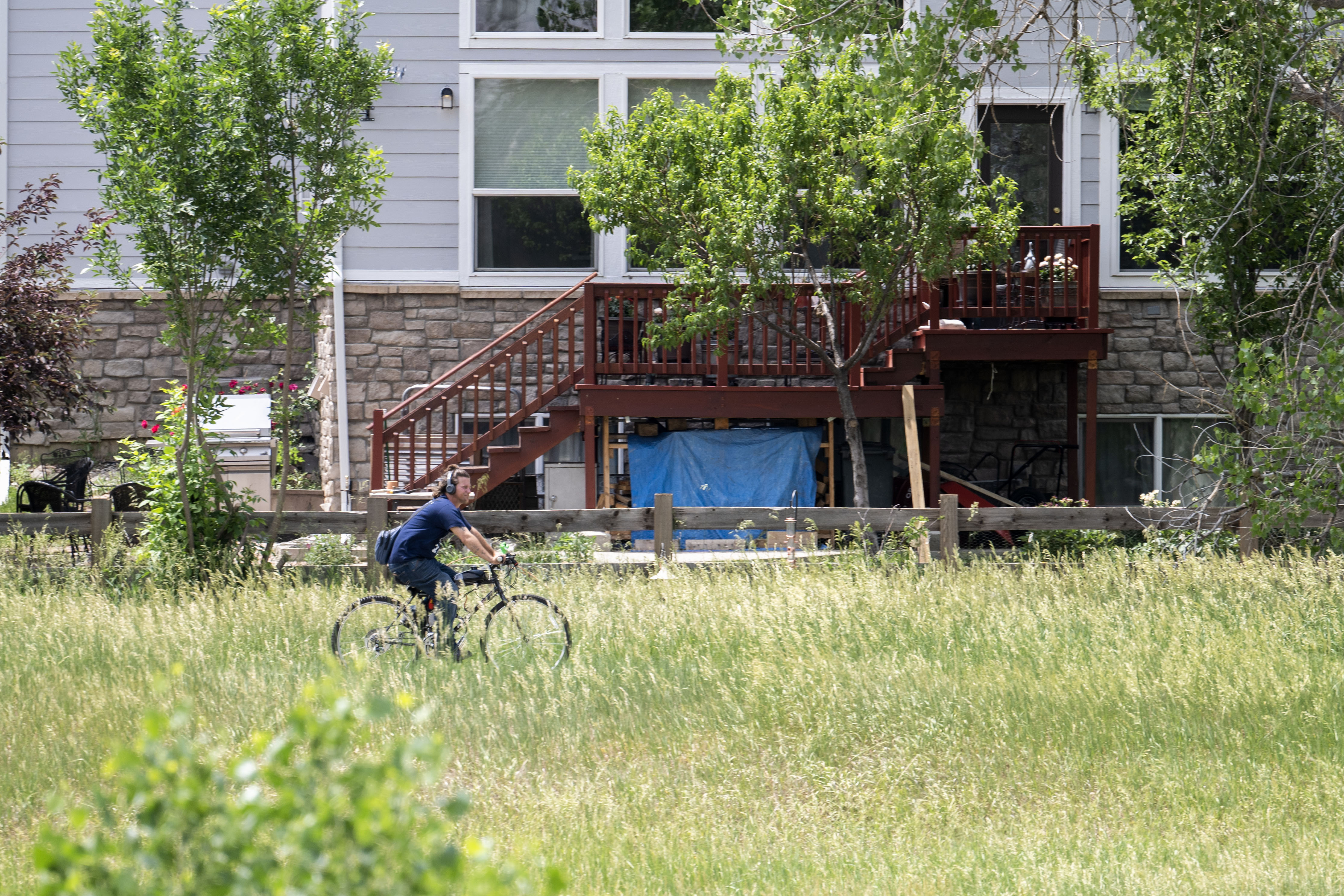
The residents, who spoke during Monday’s City Council meeting, are worried about improvement projects to the High Line Canal Trail, a 71-mile trail weaving from Adams County near Green Valley Ranch down to the southern end of Chatfield State Park.
Specifically, the residents who spoke Monday are concerned that the planned improvements — including new pedestrian bridges, shade structures and seating areas, in northeast Aurora near Hinkley High School — will make the area more accessible to motorized vehicles that unlawfully roam the area and to homeless encampments.
Project designers and planners said they have been in contact with the concerned residents and will continue to work with them to mitigate the concerns.
Jack Brewster has lived in the area next to where one of the pedestrian bridges will go up for about 25 years, he said in Monday’s meeting.
The beautification of the High Line Canal needs to be natural, not “more concrete and steel,” he said, expressing concerns that the project would give more access to people who are using the area in detrimental ways.
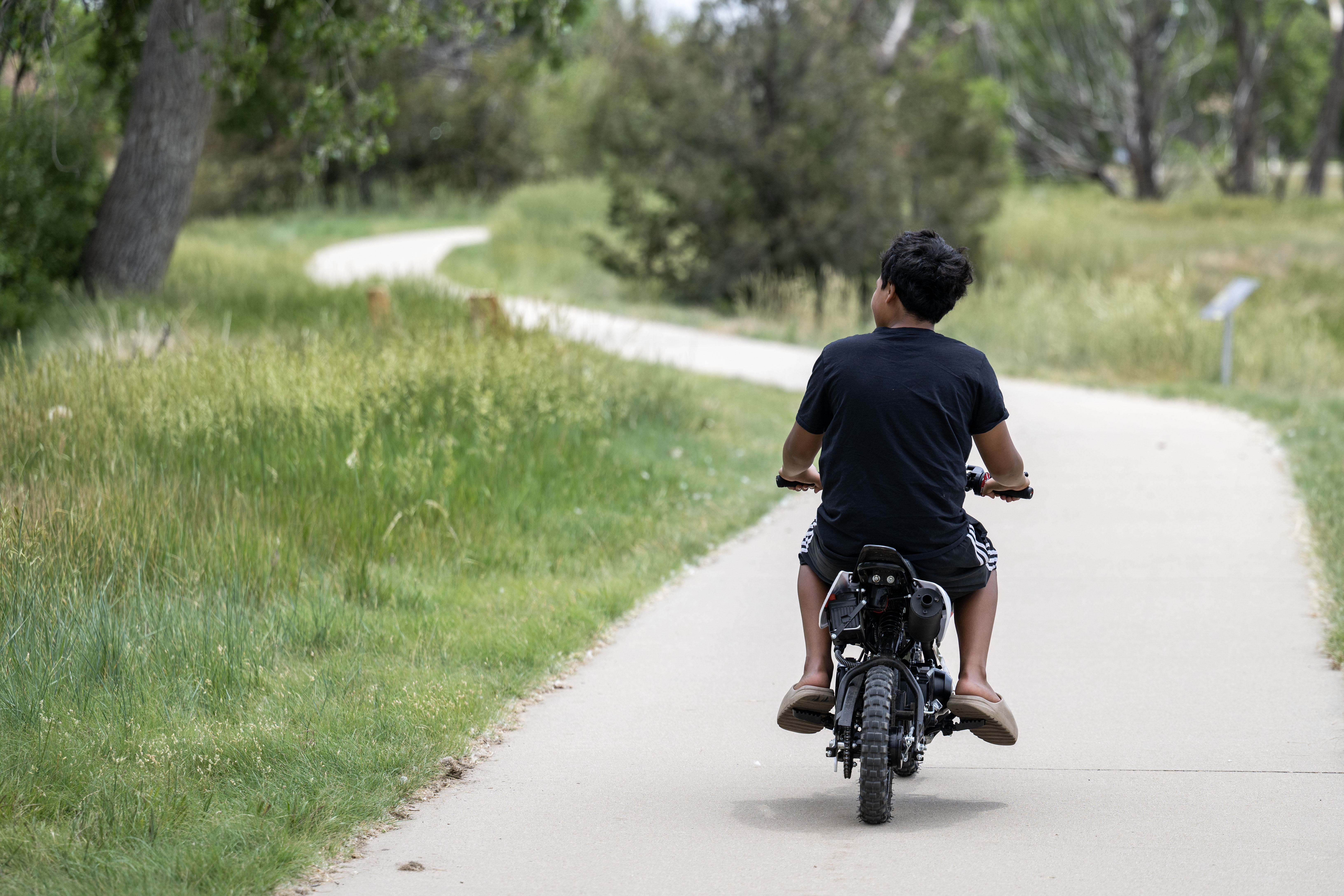
“We don’t need more pedestrian walkways because the pedestrians don’t use them,” he said. “The ATVs, the minibikes, they’re the ones using those access points.”
Brewster said his neighborhood is considered “underserved,” but told councilmembers that if serving them means adding bridges and shade structures, he’d rather they “leave us underserved.”
David Tegtmeyer was born and raised in Aurora and said he used to walk to school every day, so he understands the importance of adding bridges and walkways for people to get to and from where they need to go.
He worries, however, about the accessibility it gives to ATVs, which are an “issue in the area,” he said.
Tegtmeyer said he’s all for beautification and improvements, but thinks the plans need a redesign to make sure ATVs can’t get through and homeless camps don’t take over the shade and seating areas.
“I’ve been in this area a long time I can see where this is going to head,” he said. “There’s been homeless encampments that we’ve had to try to work through behind our house because there’s an open field there. All that shelter area is just going to be a homeless camp at some point.”
Councilmember Steve Sundberg, whose ward includes the area residents expressed concern about, said the residents have legitimate concerns — but that the High Line Canal Conservancy is making a real effort to address them in their planning.
The High Line Canal Conservancy is a nonprofit, formed in 2014, dedicated to protecting the canal.
“I do believe the residents have legitimate concerns because of the homelessness issue in the area now,” Sundberg said. “With respect to the ATVs, that’s a problem we’ve seen around the city, and we don’t want to encourage it.”
He also sees the value in trail improvements, especially since Hinkley High School is right near the area, so students can get to-and-from school more easily, he said.
Sundberg has been in communication with the conservancy and said they are willing to take a close look at the bridge and rest area designs to try to meet community needs.
“I’m sure that the conservancy will really take into consideration what these concerns are,” he said.
Aurora spokesperson Matthew Brown said that, in a recent visit to Hinkley High School, the city’s homeless outreach teams were told by school staff that homeless encampments were not an issue in their area.
Suzanna Jones, the conservancy’s chief programs and impact officer, was at Monday night’s meeting to hear the concerns from residents and told The Denver Gazette Thursday that addressing those concerns is important in their project process.
The conservancy has been aware of the challenge of motorized vehicles in the area for a while and is working closely with Aurora Parks, Recreation and Open Space (PROS) to “help come up with a multifaceted solution,” Jones said.
They have made a big effort to engage the public in planning and will have another meeting in early July for members of the public who want to give input on possible solutions to the concerns.
The meeting does not have a specific planned date yet but will be posted on the conservancy’s website when a date is picked.
Motorized vehicles are not allowed along the trail, Jones said, and the conservancy is just as frustrated with the unlawful activity in the area as residents are.
“It really needs to come along with some enforcement and some design changes to help limit how and where people can access the trail,” she said. “We are talking to the city of Aurora about those types of solutions.”
Addressing concerns about homelessness in the area, she said no parks are “immune to those societal challenges.”
“It’s definitely something to consider and we need to do a little more studying on how and if it would create a problem,” she said. “On the other side, shade is one of the top priority needs for residents in Aurora.”
Overall, in talking to residents, the conservancy has gotten a lot of positive feedback on the plans and Jones said the improvements will meet a lot of community needs.
“What we see as significant benefits are a more comfortable trail for folks so more people can use it, all types of users with all types of abilities,” Jones said. “With that comes all the benefits of getting out in nature for mental health and physical health.”
City of Aurora officials told the Denver Gazette in a statement that they will “work directly with the High Line Canal Conservancy to hear the concerns and engage with the neighbors near the future 8th Avenue pedestrian bridge project and related High Line Canal improvements.”
Another improvement area, with a new trail connection and pedestrian bridge east of Tower Road, opens Wednesday, June 26, in joint celebration with Bike to Work Day, according to a city news release.
A breakfast station with donuts, coffee and fruit will be set up from 6:45 a.m. to 9 a.m. on the south side of the new bridge, which goes across I-70.
In total, the conservancy is investing $100 million into the canal over five years, with $33 million going toward the trail.