








Wine Guy: Denver sommelier offers suggestions pairing lighter Italian reds with summer foods

Getty Images
Italian wine, arguably more than any other, is made to be drunk with food. Generally, with slightly higher acidity, less noticeable oak, and more of a sense of the earth where the grapes originated, Italian wines just taste better with food. Here I focus on light-bodied reds (eight native grapes) for warm weather drinking. They are fruit-forward, have gentler tannins, and taste better with more of a chill.
To be more specific as to what foods to eat with these wines, I discussed pairing suggestions with sommelier Scott Thomas, “founder and lead educator” at Grappolo Wine School and wine director at Denver’s Michelin recommended Restaurant Olivia. His creative suggestions for pairing with regional foods follow my tasting notes in italics.
Valpolicella (Veneto). Blended primarily from corvina, rondinella and molinara grapes, notable for bright cherry flavors, gentle tannins, crisp, vibrant finish.
• 2021 Tenuta Sant’Antonio “Nanfrè” ($15), family-owned winery, estate-grown, organically farmed; super fresh, bright fruit; typical mixed antipasti: Prosciutto di Parma, salami, olives, assorted cheeses such as Asiago,
• 2017 I Latium Morini “Campo Prognai” Superiore ($21), fuller and richer with deep fruit and hints of spice; risotto or polenta dishes with a meat ragu
• 2021 Pasqua “PassioneSentimento” ($18) with merlot, intense fruit, some spice, velvety texture, muscular tannins; anything off the grill.
Refosco (Venezia Giulia) 2015 Marco Felluga “Ronco Dei Moreri” ($21), hilltop vineyard, fresh, fruity, elegant; grilled or roasted seasonal vegetables, especially Radicchio di Treviso
Lagrein (Alto Adige) 2021 Kellerei Bozen (Cantina Bolzano) “Perl” ($20). cooperative of over 200 growers; spice, mineral, rounded tannins; braised meats or any mushroom-oriented dish; venison is common in the region.
Schiava (Alto Adige) 2022 Alois Lageder ($18), biodynamic estate vineyards, sustainable; organic growers; fresh, fruity, moderate alcohol; while not regional, don’t be afraid to try with fish or seafood; the tannins are so soft that it makes for a refreshing pairing,
Sangiovese (Tuscany) 2021 Tenuta Perano Chianti Classico ($28), lively fruit, herbal note, fresh texture; classic “pizza wine” or pastas with red sauce – Pappardelle and Pici are the regional pastas.
Montepulciano (Marche) 2020 Garofoli “Piancarda” Rosso Cònero ($17), single vineyard, brambly, savory, spicy; lamb and montepulciano are a match made in heaven, one of the classic food pairings of the world.
Primitivo (Puglia) 2022 Varvaglione 12 e Mezzo “Bio” ($16), organically grown, heady fruit, mint, cocoa, cola, spices, earth, powdery tannins, moderate alcohol; hard sheep’s milk cheese or, even better, American barbeque with a sweet tangy sauce.
Nerello Mascalese (Sicily) 2020 Tenuta Tascante “Ghiaia Nera” ($22), grown on the volcanic soils of Mt. Etna; super fresh, pure fruit, star anise, mineral; seasonal dishes that include tomatoes, eggplant, and basil or capers (like Caponata), and even tuna steaks,

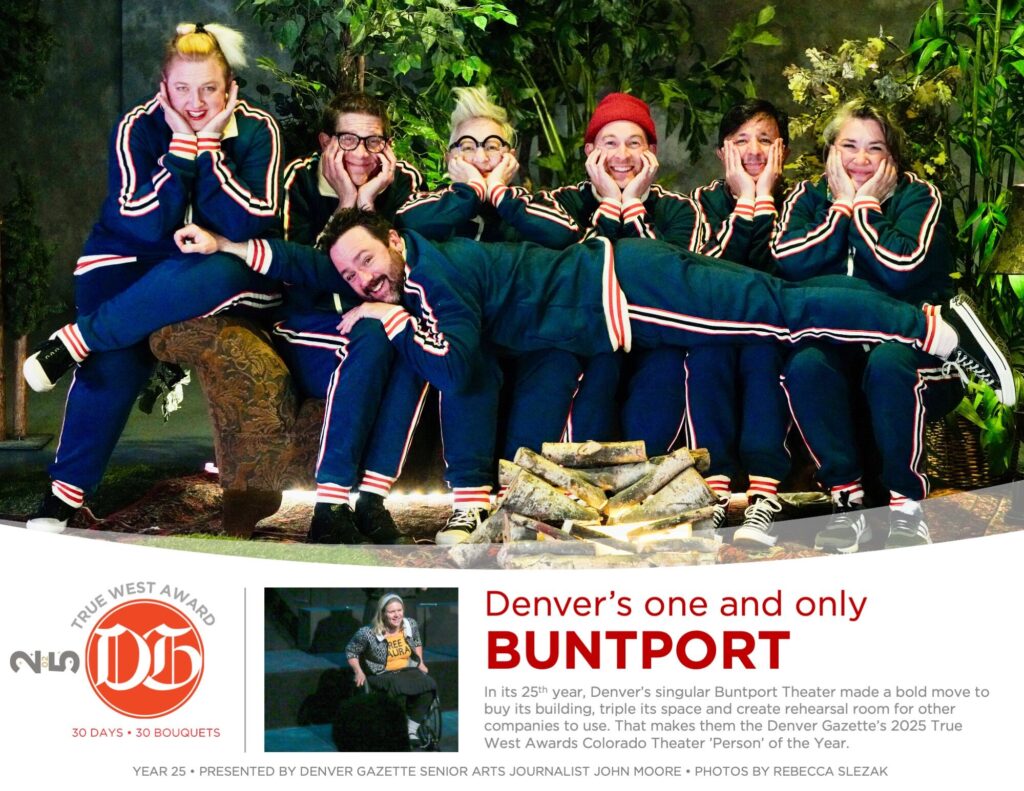
Diamonds are forever: Buntport commits to next 25 years of stage fun
John Moore
john.moore@denvergazette.com
Updated 7 minutes ago
2025 COLORADO THEATER PERSON(S) OF THE YEAR Colorado College pals made a bold move in 2025 to buy the Denver warehouse that has been its home for quirky, smart theater since 2001 Here’s the thing about the Buntport Theater collective:...

John Moore
Reporter

The longest race: How Major Taylor pushed against prejudice to become a cycling champion
The Foundation for a Better Life
the-foundation-for-a-better-life@denvergazette.com
Updated 2 days ago
Marshall “Major” Taylor was the son of a Black Civil War veteran who fought for the emancipation of enslaved people. As a young boy, he was befriended by the son of his father’s employer and the two spent time reading...

The Foundation for a Better Life
Reporter

Attention must be paid to these Colorado theater stories of 2025
John Moore
john.moore@denvergazette.com
Updated 17 hours ago
2025 DENVER GAZETTE TRUE WEST AWARDS: DAY 30 David Nehls created and debuted two original musicals in 2025; that and other stories from the year in Colorado theater Christmas in Golden is starting to look a lot like Christmas with...
John Moore
Reporter
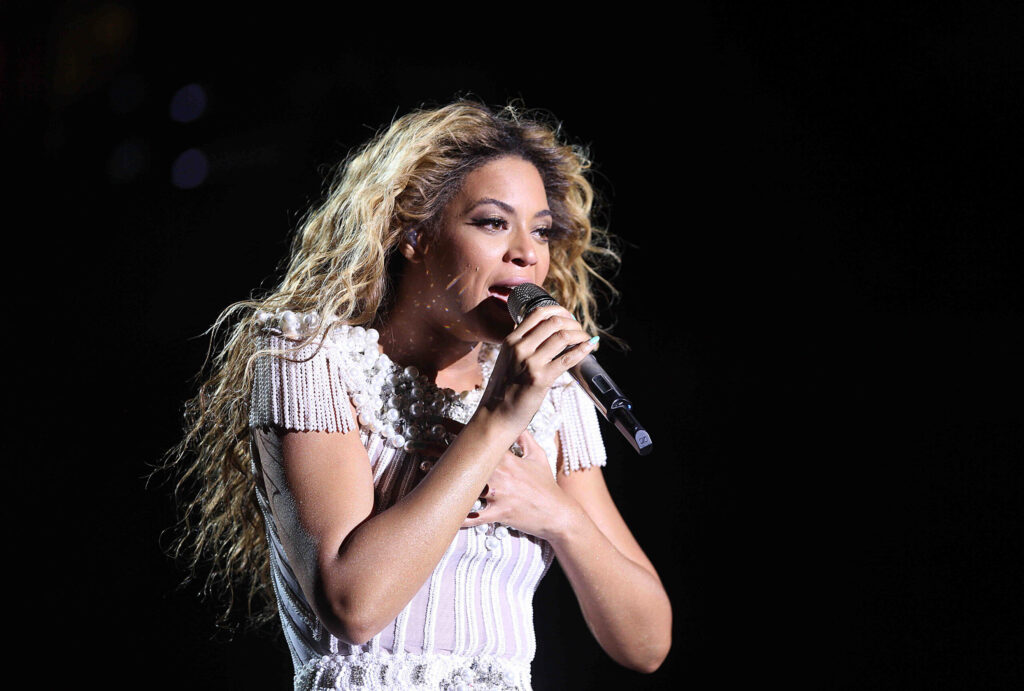
Beyoncé becomes a billionaire, 5th artist to reach milestone
Wire Services
wire-services@denvergazette.com
Updated 2 days ago
New York Daily News NEW YORK — She’s putting the ‘B’ in billion. Beyoncé is now a billionaire, making her the fifth musician to reach the nine-digit mark, according to Forbes. The 44-year-old superstar joined her husband, Jay-Z, along with...

Wire Services
Reporter

New year for adventure: 10 ways to further appreciate Colorado’s top destinations
Seth Boster
seth-boster@denvergazette.com
Updated 1 week ago
In 2026, what better way to celebrate Colorado’s 150th birthday than by celebrating its most famous natural treasures? That’s what came to mind when thinking about our bucket list for adventure in the new year. Of course, for those of...

Seth Boster
Reporter
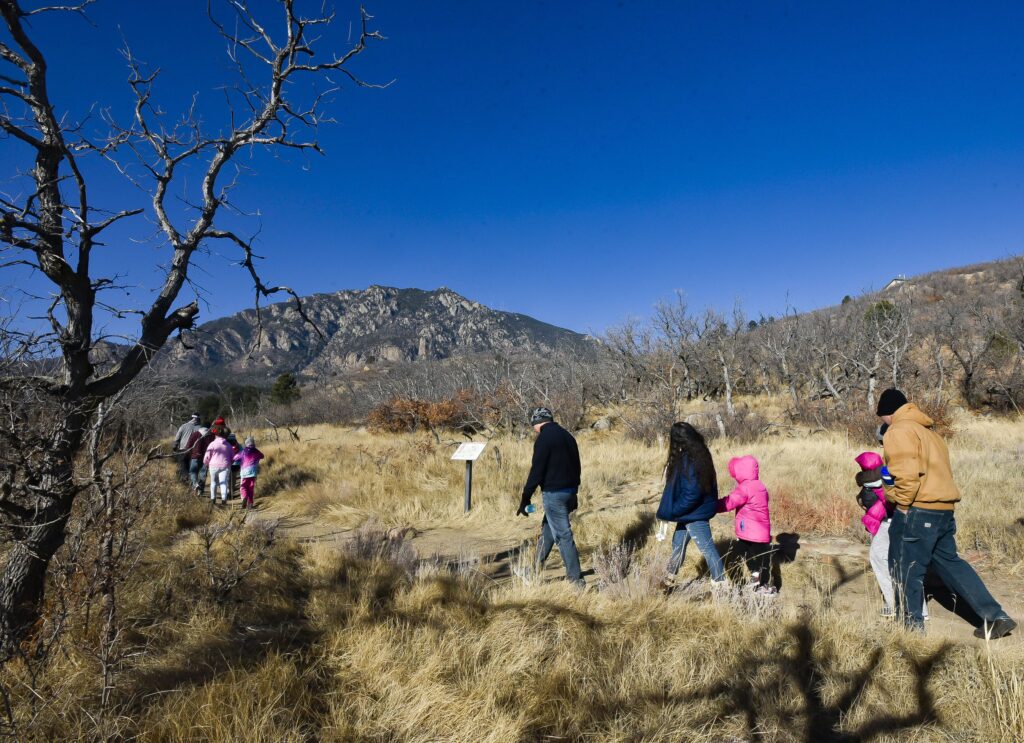
Colorado state parks hosting First Day Hikes to start new year
Seth Boster
seth-boster@denvergazette.com
Updated 2 days ago
For many Coloradans, starting the year off right means starting on a trail. That explains the New Year’s Day tradition called First Day Hikes — a national tradition tracked by America’s State Parks, the organization recognizing the first day of...
Seth Boster
Reporter

2025: A year of living ferociously for area actors
John Moore
john.moore@denvergazette.com
Updated 22 hours ago
2025 DENVER GAZETTE TRUE WEST AWARDS: DAY 29 Here is a representative look at some of the Denver actors who were on fire from start to finish this year When I say Noelia Antweiler was everywhere this year, I mean...
John Moore
Reporter

Arrive in ’25: Take a look at the year’s emerging class
John Moore
john.moore@denvergazette.com
Updated 3 days ago
2025 DENVER GAZETTE TRUE WEST AWARDS: DAY 28 Here is a representative look at some of the many breakout performances on Colorado stages this year Sure, it’s cheating to suggest that a man who has been directing and performing with...
John Moore
Reporter

In one remarkable documentary, Creede is the center of the U.S.A.
John Moore
john.moore@denvergazette.com
Updated 5 days ago
2025 DENVER GAZETTE TRUE WEST AWARDS: DAY 26 Could the example of a tiny Colorado mountain town lead America out of its ongoing ideological divide? As I was watching the remarkable new documentary “Creede U.S.A.” at this year’s Denver Film...
John Moore
Reporter

‘Assassins’ tops list of ’25 musicals that were ‘worthy of your love’
John Moore
john.moore@denvergazette.com
Updated 7 days ago
2025 DENVER GAZETTE TRUE WEST AWARDS: DAY 24 From a Sondheim musical about presidential killers in Golden to a new Disney classic in Arvada, Colorado musicals showed their range in 2025 When the Miners Alley Performing Arts Center decided to...
John Moore
Reporter
PREV
PREVIOUS

The mystery and the maternal security of the world’s most famous painting
Facebook Twitter WhatsApp SMS Email Print Copy article link Save Facebook Twitter WhatsApp SMS Email Print Copy article link Save A smile is the most universally recognized language of friendship. It crosses cultures and bridges languages. It is the connection between friends and the bond between mothers and newborns. It is the first expression of […]
Capturing lesser-viewed beauty en route to Colorado's Conundrum Hot Springs
Facebook Twitter WhatsApp SMS Email Print Copy article link Save Almost 20 years ago, back in what she calls her “nomad, ski bum, vagabond, climbing days,” Katy Nelson heard someone speak of a magical place in Colorado’s Rockies. “I remember someone telling me there’s this hot spring called Conundrum way up in the mountains,” she […]