







Regulators postpone closing statements, decision in oil drilling proposal near Aurora Reservoir

twilightproductions
After two full days of hearings, the Energy and Carbon Management Commission on Friday delayed closing arguments and a decision on the Lowry Ranch CAP until next week.
The hearing, on whether to move forward with an oil and gas comprehensive area plan near the Aurora Reservoir, began Tuesday morning and lasted about nine hours, including presentations from Crestone Resources, a subsidiary of Civitas, who is proposing the drilling plan.
Day two of the hearing began Friday morning and lasted into the early evening, with Save the Aurora Reservoir, a nonprofit organization fighting against the proposal, bringing forward witnesses and arguments against the plan.
Commissioners then decided to postpone closing arguments and a decision on the CAP to Wednesday, saying they did not want to run later into the evening Friday.
The hearing will resume at the beginning of the ECMC’s general meeting Wednesday, which starts at 9 a.m.
First thing Friday, commissioners asked Crestone to address letters of concern about the Superfund site from the EPA and, more recently, Rep. Jason Crow.
The EPA requested a “reasonable” setback from the site, and Crestone will follow this request, Crestone officials said. Wells will be so far underneath the site, about 7,000 feet, that the site will not be affected, according to Crestone officials.
The EPA did not directly confirm that this setback was “reasonable,” and did not give any specific numbers for what they considered “reasonable,” instead handing that decision off to the ECMC.
Marsha Goldsmith Kamin, the president of STAR, spoke as a witness Friday morning and said the project is not safe for the community and wildlife in the area, and “should be denied.”
Kamin was followed by several other witnesses from STAR, including a sound specialist and an emergency responder, who expressed a variety of concerns with the CAP, including concerns over sound travel despite sound barriers and a lack of a response plan in the case that something goes wrong.
Crestone’s lawyer, Jamie Jost, hit the witnesses with a barrage of questions, asking about their experience on these matters and questioning where their data came from. Commissioners also asked questions, clarifying the experience of the speakers and asking for further information on provided data.
Of each witness, Jost asked if they were aware that they were representing an “activist organization” with a “mission to oppose oil and gas operations in Colorado.”
At the beginning of Tuesday’s hearing, the four present ECMC commissioners — Brett Ackerman, John Messner, Mike Cross and Chair Jeff Robbins — voted unanimously to grant “affected party” status to STAR, which was formed to oppose the CAP.
The decision came after Civitas attorney Jamie Jost argued that the organization did not meet the distance requirements and several other requirements to be an “affected party.”
The commission then voted not to let Maverick Mineral Partners II, LLC officially present during the hearings.
Maverick, which holds oil and gas leases in parts of Arapahoe County, requested time to present “testimony and evidence related to lack of surface locations outside the Lowry Ranch CAP to develop its leasehold interests, impacts of the Lowry Ranch CAP on its correlative rights, technical feasibility of its proposed relief, and additional matters as necessary,” according to the petition the organization submitted.
Talk about the proposed drilling project started two years ago, when oil and gas company Civitas filed the CAP — which includes 32,000 acres of proposed subsurface mineral development. The company proposed eight locations with a total of 166 new wells and 14 existing horizontal wells. The development includes drilling about 7,000 feet under the Aurora Reservoir.
After several revisions sought by ECMC, the state regulatory body determined in February that the application was complete.
Area residents have raised concerns about the proposed drilling, citing worries in particular about the wells’ proximity to homes and environmental and health problems.
Government agencies like the EPA have also raised concerns about the wells’ proximity to the Superfund site, where about 138 million gallons of liquid industrial waste was disposed of in unlined pits between 1965 and 1980. But the EPA is not objecting to the proposal, nor is the Colorado Department of Health and Environment.
Civitas has countered that the project offers unequivocal benefits to the surrounding areas and to the county. Company officials also promised to adopt a wide array of precautions, including building wells farther away from homes and adding air monitoring and sound barriers to protect residents and ensure the project does not negatively affect the area.
Civitas added the project would yield an estimated $235 million in tax revenue for Arapahoe County.
Even if the CAP itself is approved by the ECMC, Civitas has to get each proposed well site approved before they are allowed to move forward with them, according to Arapahoe County’s website.
At this point in the process, Civitas has contacted mineral owners with offers to lease minerals and is now seeking approval from the ECMC on the CAP.
The ECMC regulates wells and all downhole and underground aspects of the drilling process, as well as well pads, according to the Arapahoe County website.
Arapahoe County regulates the surface aspects, including well pads and access roads. The county has approval criteria for the well pads, and if applications meet the criteria, the county is required to approve the applications, according to the website.
If the applications are approved by the county, they go to the ECMC in the form of an OGDP (Oil & Gas Development Plan), and each one will receive its own public hearing with the opportunity for public comment.


Cleo Parker Robinson Dance studio shines in Denver’s Five Points neighborhood
Dennis Huspeni
dennis.huspeni@gazette.com
Updated 10 hours ago
When people walk by the new Cleo Parker Robinson Dance Center for the Healing Arts expansion building, they’ll pass colorful dots they might not realize are instructions of how to dance Parker Robinson’s “Mary Don’t You Weep” — a tribute...

Dennis Huspeni
Reporter

Denver’s newest professional team meets in person for the first time
9News
9news@denvergazette.com
Updated 7 hours ago
DENVER — For the first time since its roster began taking shape, Denver Summit FC brought its players, coaches and executives into the same room. The gathering on Saturday marked the club’s first full-team media availability — and, for many...

9News
Reporter
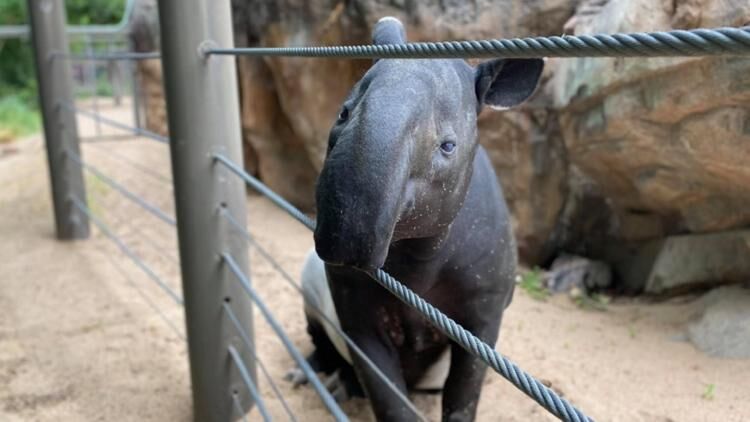
Denver Zoo investigating Malayan tapir deaths
9News
9news@denvergazette.com
Updated 15 hours ago
The zoo said its animal care and health teams were investigating the recent deaths of two Malayan tapirs, as they happened in a short period of time. DENVER — Teams at the Denver Zoo are working to determine what happened...
9News
Reporter
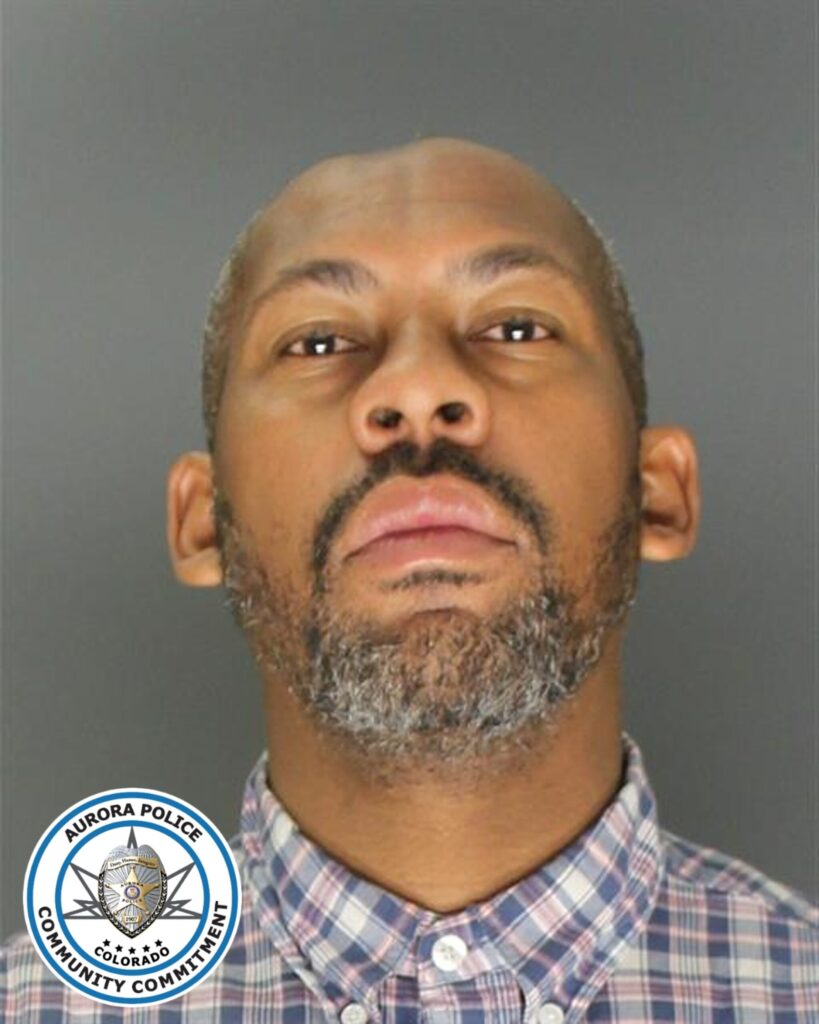
Aurora City Council member arrested on suspicion of DUI
Dennis Huspeni
dennis.huspeni@gazette.com
Updated 13 hours ago
Aurora police on Saturday arrested recently elected Aurora City Council member Robert Andrews. Aurora Police Department officials confirmed Andrews, 41, was arrested after patrol officers noticed a truck that was weaving. The incident started about 9:30 p.m. Saturday, when “officers...
Dennis Huspeni
Reporter
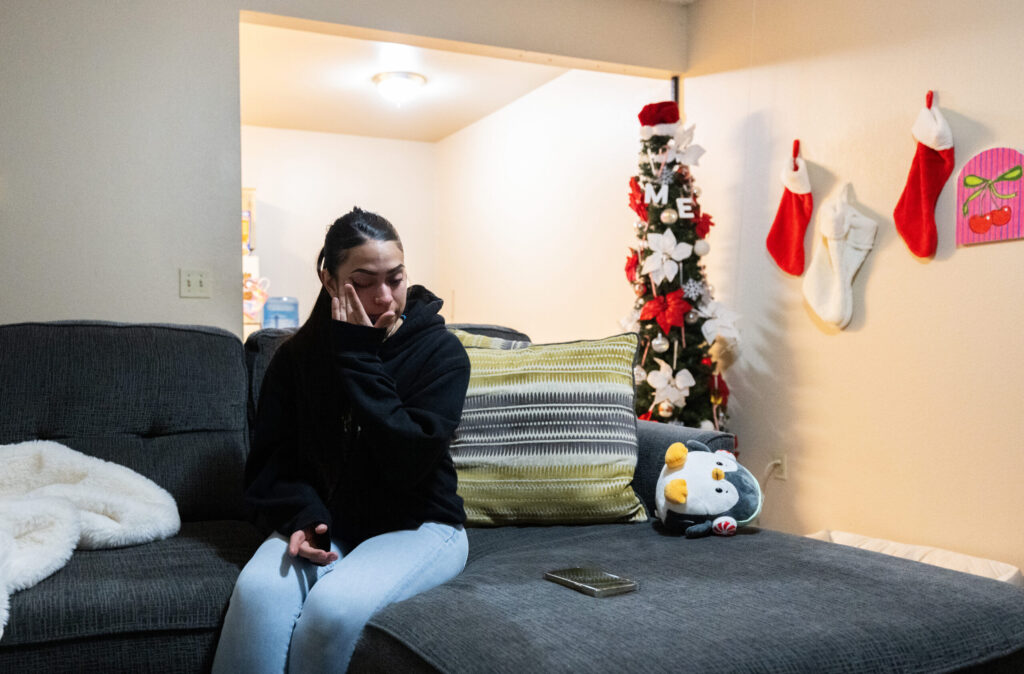
As ICE arrests rise in the U.S., one detainee was eager to leave the country
Mackenzie Bodell
mackenzie-bodell@denvergazette.com
Updated 12 hours ago
Marivel Azpeitia was driving from their home in Colorado Springs to Dallas with her fiancé to pick up her stepchildren for Christmas when the pair was pulled over by Texas law enforcement. It would be some of the last moments Azpeitia would see her fiancé,...

Mackenzie Bodell
Reporter

Long-awaited Cleo Parker Robinson Dance Center opens in Five Points
Michael Braithwaite
michael.braithwaite@gazette.com
Updated 21 hours ago
After 55 years of teaching dance in Five Points, Cleo Parker Robinson finally has a permanent home for her Denver dance ensemble. Located at the intersection of North Washington Street and Park Avenue and directly adjacent to the Historic Shorter...

Michael Braithwaite
Reporter

The wedding of the two widows
John Moore
john.moore@denvergazette.com
Updated 20 hours ago
The marriage of Wendy Ishii and Bo Dimon is the story of creative conflict resolution, forgiveness and financial pragmatism LAPORTE – When Bo Dimon learned that Wendy Ishii keeps a voodoo doll of her on her fireplace mantle – and she...

John Moore
Reporter
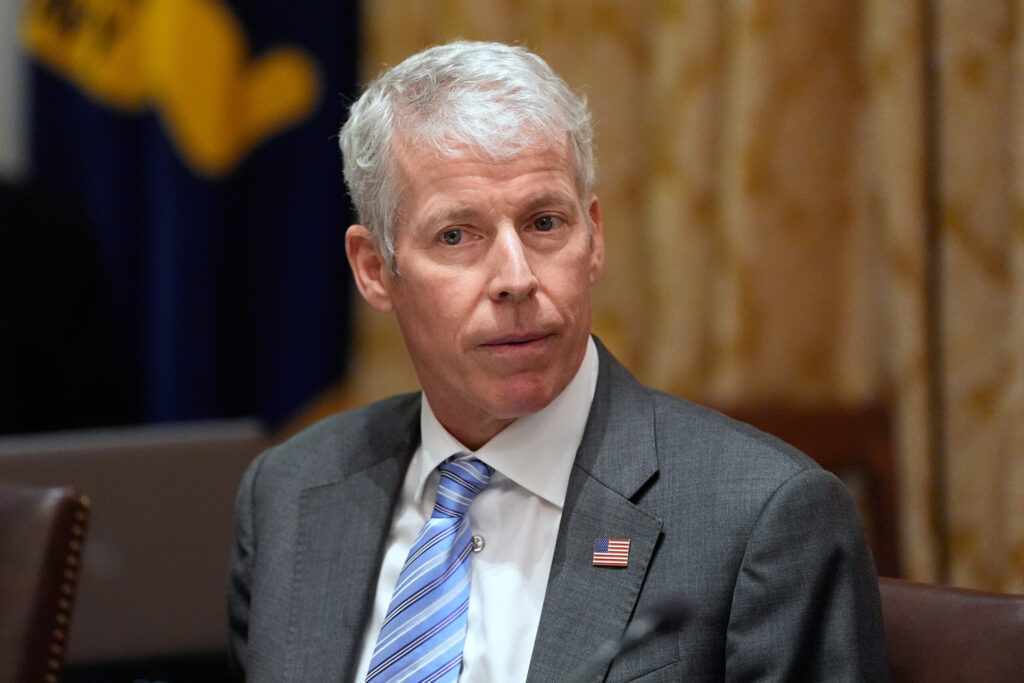
Colorado oilmen may play key role in Trump’s Venezuelan oil takeover plan
Vince Bzdek
vince-bzdek@denvergazette.com
Updated 2 days ago
When President Donald Trump summoned oil executives to the White House recently to push for major investment in Venezuela, an interesting sprinkling of smaller independent companies from Denver was invited along with the big names of American oil. One of...

Vince Bzdek
Reporter

Denver’s Florence Crittenton prepares teen moms for self-sufficient futures
HAP FRY Special to The Gazette
hap-fry-special-to-the-gazette@denvergazette.com
Updated 14 hours ago
For a first-time visitor, there is a lot to process at 96 South Zuni Street in Denver, where the omnipresent kinetic energy and stimulation can best be described as electric. On this particular mid-December Thursday, there are no fewer than...

HAP FRY Special to The Gazette
Reporter
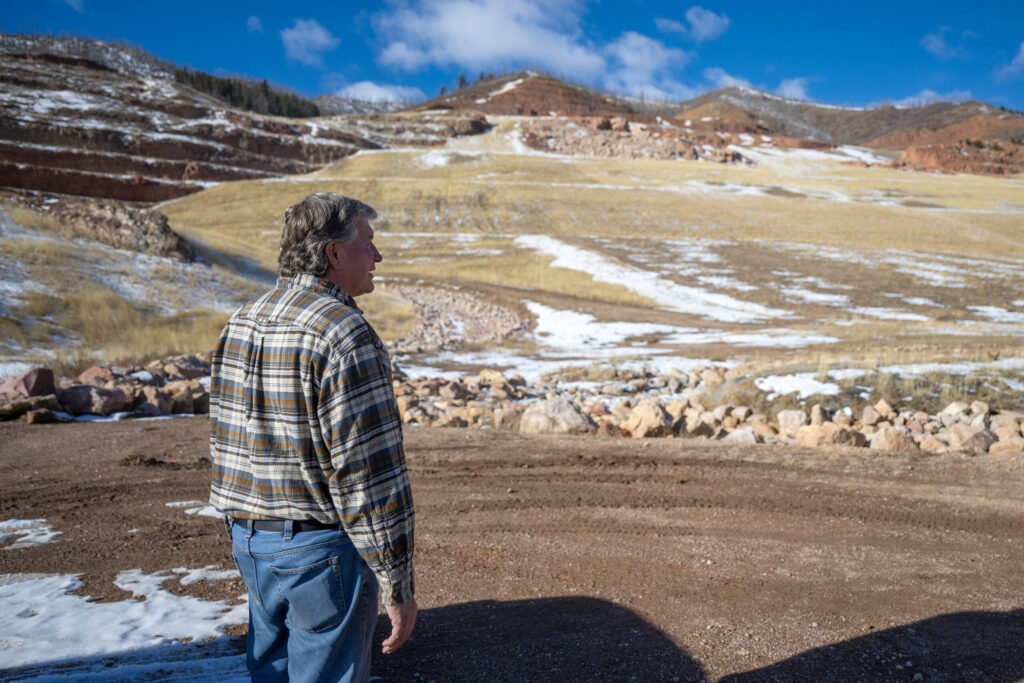
Reclamation of historic Pikeview Quarry complete: ‘A great day for Colorado Springs’
Seth Boster
seth-boster@denvergazette.com
Updated 2 days ago
It began small, as some wounds begin ー something like a scratch on Colorado Springs’ northern mountainside. But over 100 years the people below watched it fester, that scratch becoming a scar that would grow and grow along with a...

Seth Boster
Reporter
PREV
PREVIOUS

"Multiple people shot" in Aurora, 1 dead
Aurora police are investigating Thursday after they say “multiple people” were shot, resulting in one death and three injuries. The Aurora Police Department said officers responded to the shooting scene in the area of E Colfax Avenue and Jamaica Street, according to an X post shared from the department’s official account at 3:26 p.m. Aurora […]

Coroner identifies man killed in Aurora mass shooting
A 27-year-old man who was shot and killed in an Aurora parking lot Thursday has been identified by the coroner’s office. Anthony Ray Denton-Gutierrez died from a gunshot wound Thursday, according to the Arapahoe County Coroner’s Office. Denton-Gutierrez’s death was ruled a homicide, the coroner said. The shooting, which injured two other men and a […]