







Denver’s plan to infuse $570M into downtown gets City Council’s green light
The measure to expand the Downtown Development Authority will head to the ballot for eligible residents and property owners.
Downtown Denver is one step closer to accessing more than half a billion dollars of tax money to go toward revitalizing the struggling area.
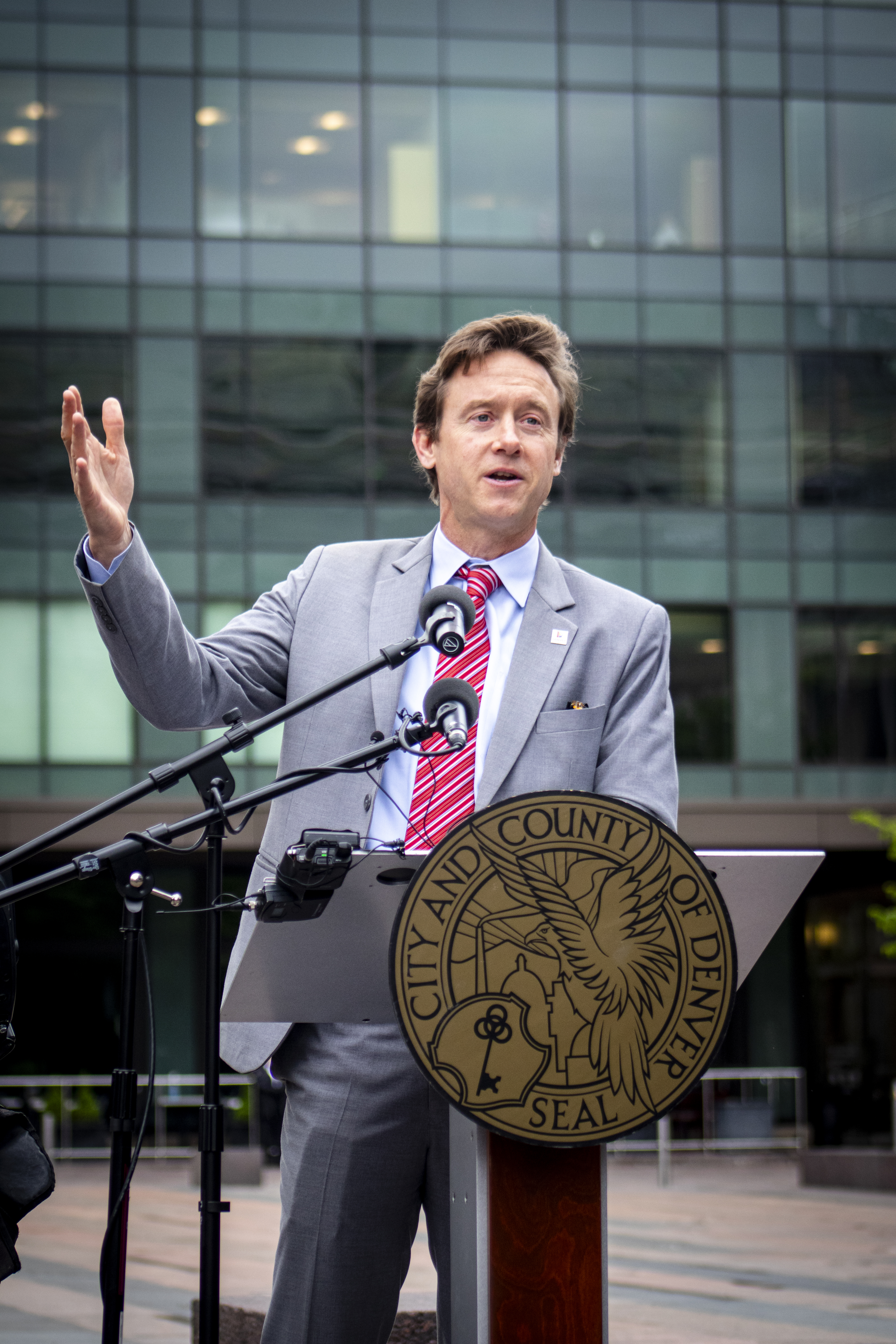
On Monday, the City Council passed the proposal from Mayor Mike Johnston to expand the Downtown Development Authority, which was responsible for funding Union Station’s 2014 restoration, so it can cover the rest of downtown.
It will head to the November ballot for residents, property owners and business owners within the authority’s current boundaries.
The city estimates about 2,500 people are eligible to vote on the measure.
The funding mechanism, known as tax-increment financing, would open up $570 million for the city to invest in development and beautification projects between 2025 and 2038 with money collected from sales and property tax revenues within the geographical area.
The expansion would not raise taxes in downtown, according to the city.
The taxing authority currently covers Union Station and the blocks around it. The expansion proposes to more than triple the size of its boundaries to include most of upper downtown to Colfax Avenue and Grant St.
The expansion was Johnston’s first major proposal to revitalize downtown as part of his 2024 goal for a “Vibrant Denver.”
“We are thrilled to see City Council send the expansion of the Denver Downtown Development Authority to downtown residents and business,” said Mayor Spokesperson Jordan Fuja in an emailed statement to The Denver Gazette.
The hope is to reverse downtown’s “doom loop,” as the mayor called it, by incentivizing development to attract businesses and investment, in turn generating more tax revenues for the city to fund even more projects.
The measure capped the debt at $570 million, a higher amount than the original $500 million proposed by the mayor when he announced the plan in May, standing in front of Union Station.
The first estimate on how much money would be available was a generalization from early estimates, said Dawnna Wilder, a capital planning project manager for the city’s finance department, at a committee meeting earlier this month.
The projections are based on assessed property values growing at 2% every other year, Wilder said. After looking at updated assessor data, she said, the city’s refreshed projections came in higher at $570 million.
Councilmember Chris Hinds noted that, if the city collects more in tax revenues than the amount put on the measure, the downtown authority would be subject to the state’s TABOR laws and voters would have to decide on whether the city can keep the extra money or if it has to return it to taxpayers.
“If we’re gonna guess, we might as well guess high, so that we don’t have to go back to the voters,” Hinds said during the committee meeting.
What would the money be used for?
The downtown authority was first created in 2008 to pay off federal loans for Union Station’s redevelopment.
“The purpose of the DDA is to provide funding to support a variation of projects to spur economic growth. It’s a common tool,” Wilder said. “We see 20+ across downtowns in Colorado.”
The debt issued for a downtown’s tax-increment financing has to follow a Plan of Development, a document naming the area’s economic priorities and setting parameters for what gets funded.
In the city’s draft plan released in July, the first category prioritizes converting old office buildings and supporting more housing developments within downtown.
As downtown is seeing record-high office vacancies, with more than a third of real estate on the market, Denver officials have been pushing toward converting the empty spaces to boost the city’s housing inventory, an expensive process for developers to convince investment bankers to finance during a high interest rate and inflation economy.

Another key opportunity in financing is in downtown’s parks and greenery.
A ground floor activation study conducted by the city and the Downtown Denver Partnership found residents overwhelmingly want better public spaces downtown. Upper Downtown specifically is concentrated with office buildings and has fewer public parks.
“The top choice among respondents, by a significant margin, was more green space, tree canopy, and welcoming public spaces,” the draft said.
Streetscape enhancements are also the most described by respondents as “very important,” at 68%, a downtown development authority expansion survey conducted by the city found.
Other key investment areas aim to prioritize attracting and retaining employers, maintaining downtown’s arts and cultural institutions, adding more public art and improving pedestrian and transportation infrastructure.
The plan has to go before the authority’s current board, the Denver Planning Board and City Council before being finalized.
It’s currently scheduled to go to the planning board on Sept. 4 and to the council on Nov. 4.
