







The Role of Cultural Events in Promoting a City’s Heritage
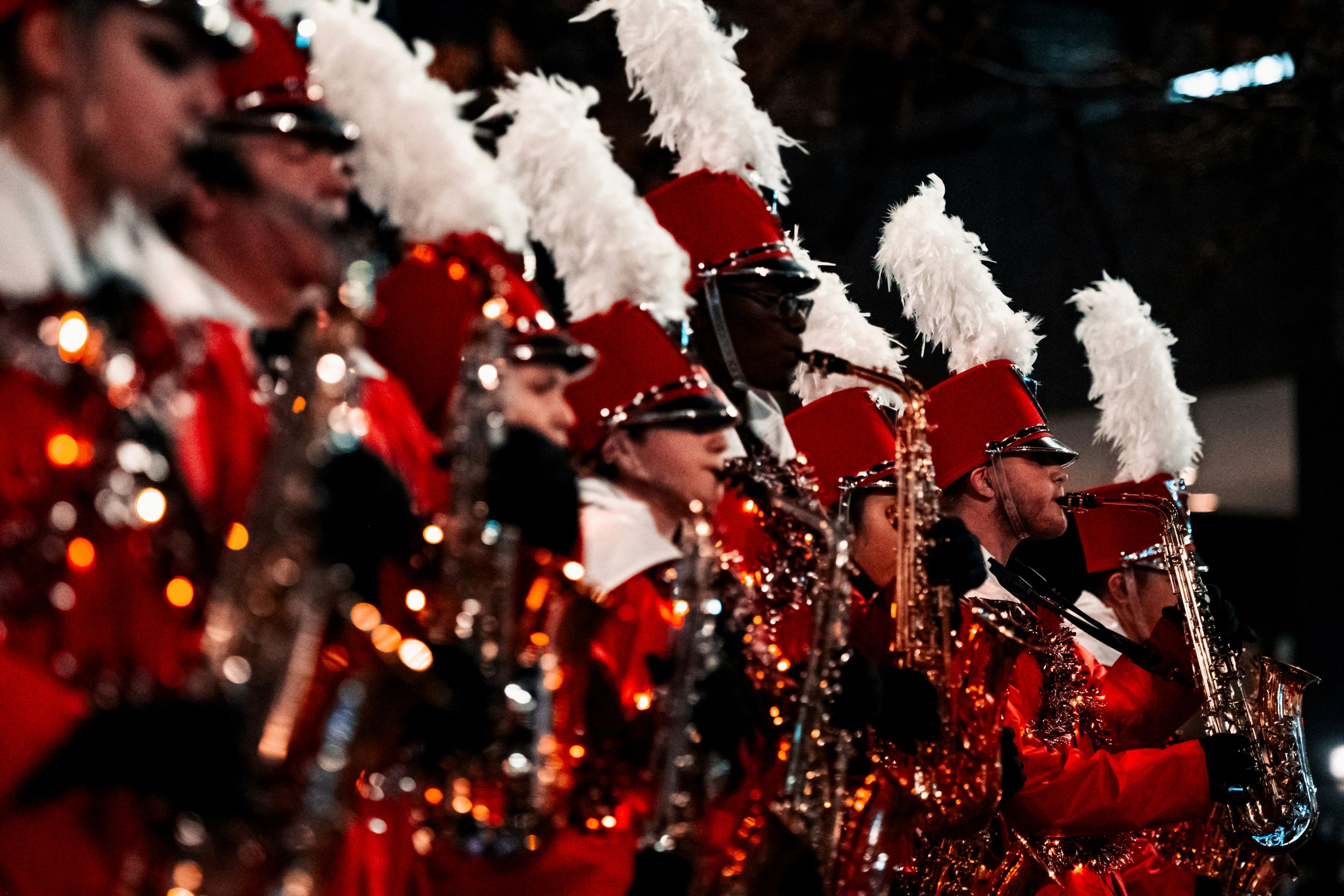
Cultural events aren’t just fun gatherings—they’re vital threads in the fabric of a city’s heritage. From lively festivals to historic parades, these events offer a unique glimpse into the traditions and stories that define a community. They bring together people from all walks of life and create a sense of belonging, while also driving economic growth and fostering tourism.
In this article, we’ll explore how cultural events play a crucial role in promoting a city’s heritage. We’ll look at their impact on community identity, economic benefits, tourism, and more. Let’s dive in!
Understanding Cultural Events and Their Impact
Cultural events encompass a wide range of activities, including:
- Festivals: Celebrations that may focus on music, food, or local traditions.
- Parades: Processions that often commemorate historical events or figures.
- Exhibitions: Displays of art, history, or craft that highlight local talent and traditions.
- Performances: Theater, dance, and music events that showcase cultural expressions.
These events are more than just entertainment. They are a medium through which cities preserve and promote their unique identities. Here’s how:
- Preserving Traditions: Cultural events help keep age-old traditions alive. For instance, the annual Breeders Cup 2024 is not just a horse race; it’s a celebration of equestrian culture that brings historical significance to the forefront.
- Educating Locals and Visitors: They offer educational opportunities about local history and traditions.
- Fostering Community Spirit: Events bring people together, strengthening community bonds.
Economic Growth and Job Creation
Cultural events have a significant impact on a city’s economy. Here’s how:
- Tourism: Major events attract visitors from outside the city, boosting local businesses such as hotels, restaurants, and shops. For example, the influx of visitors for events like these can provide a substantial boost to the local economy.
- Job Creation: Organizing large-scale events requires a range of services, creating jobs in event management, hospitality, security, and more.
- Local Business Support: Events often feature local vendors, artists, and performers, providing them with a platform to showcase their work and reach a broader audience.
Economic Impact Table
Aspect | Description |
Tourism | Revenue Increased spending by visitors at local businesses. |
Job Creation | Jobs in event planning, security, and hospitality. |
Local Business Growth | Opportunities for local vendors and artists. |
Enhancing Tourism and Global Recognition
Cultural events put cities on the map. They create buzz and draw global attention. For example:
- International Exposure: Events like these can also attract international media coverage, showcasing the city’s culture to a global audience.
- City Branding: Regular hosting of high-profile events helps in building a city’s brand as a cultural hub.
- Cultural Exchange: Visitors and participants from around the world bring new perspectives, fostering cultural exchange and mutual understanding.
Building Community Identity and Pride
Cultural events are a celebration of local identity and pride. They:
- Showcase Local Heritage: Through music, art, and history, events highlight the unique aspects of a city’s heritage.
- Strengthen Community Bonds: Participating in or attending events creates a sense of shared experience and belonging.
- Encourage Civic Engagement: Events often involve local volunteers and organizations, promoting active community participation.
Community Impact List
- Shared Experience: Events bring people together, creating lasting memories and bonds.
- Local Involvement: Opportunities for locals to contribute and participate.
- Cultural Appreciation: Fosters a deeper understanding and appreciation of local traditions.
Challenges and Opportunities
While cultural events offer numerous benefits, they also come with challenges:
- Funding and Resources: Organizing large-scale events requires significant financial investment.
- Logistical Issues: Managing crowds, ensuring safety, and coordinating with various stakeholders can be complex.
- Sustainability: Ensuring that events are environmentally and economically sustainable is crucial.
However, these challenges also present opportunities for innovation and growth. For example, cities can explore partnerships with local businesses and use technology to enhance event experiences.
Conclusion
Cultural events are a powerful tool for promoting a city’s heritage. They preserve traditions, boost the economy, enhance tourism, and strengthen community bonds. By celebrating and sharing their unique cultural identity, cities not only enrich their own residents’ lives but also make a lasting impression on visitors from around the world.
As we look forward to events like the Breeders Cup 2024, it’s clear that cultural celebrations are more than just temporary spectacles—they’re essential to the ongoing story of a city’s heritage. The excitement surrounding Breeders Cup 2024 odds adds another layer to this anticipation, reflecting the deep connection between cultural heritage and modern-day festivities. Embracing and supporting these events helps keep the past alive while paving the way for a vibrant future.