







Cutting your Christmas tree in Colorado? Make a plan now
Forrest Czarnecki
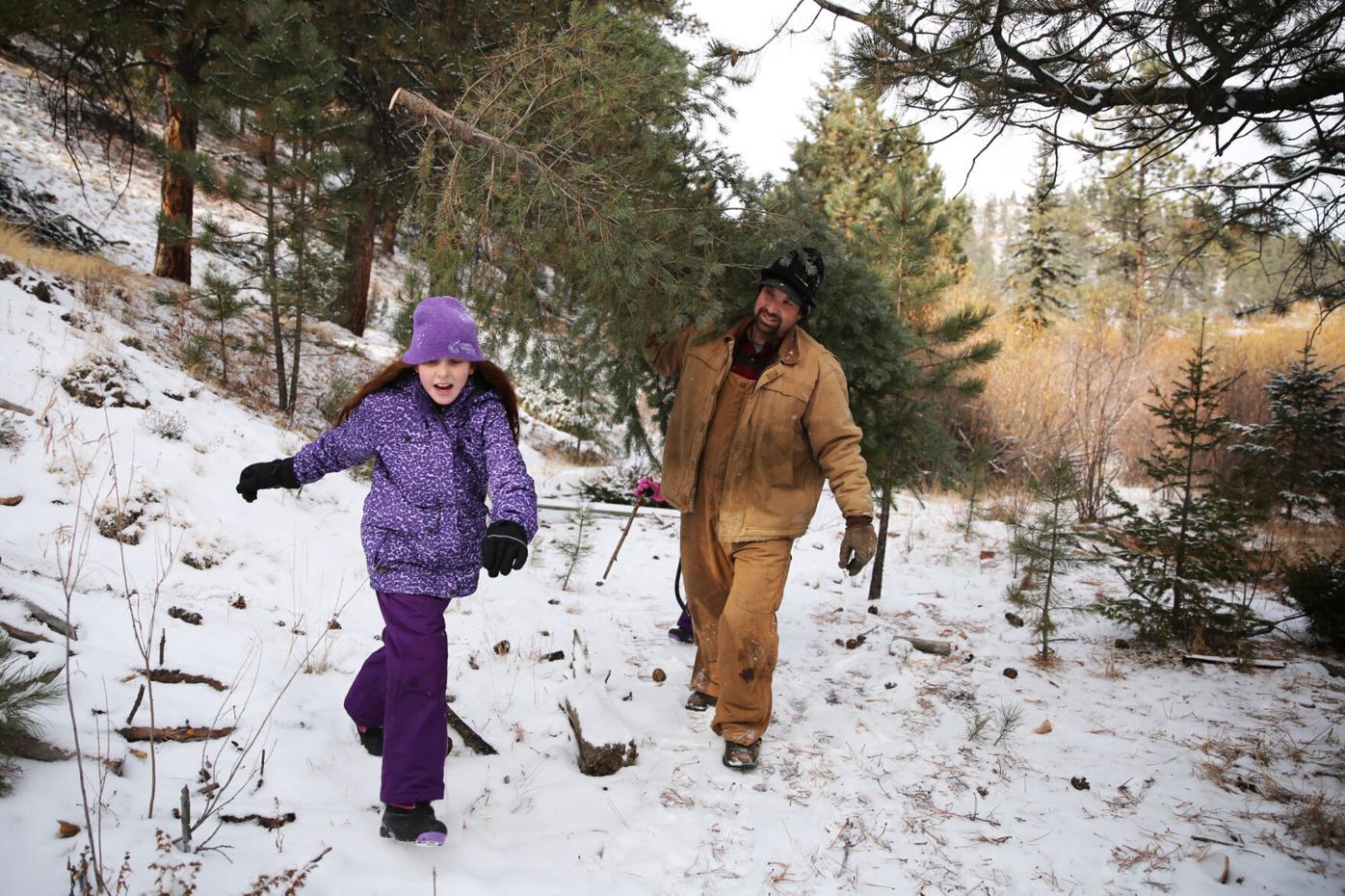
It’s not the plastic one from a box or the real one for sale in a parking lot that some Coloradans seek, but rather that Christmas tree waiting to be cut in a memory-making adventure. Now is the time to make a plan.
The U.S. Forest Service recently announced tree cutting permits for sale, applying to certain times and areas across national forests. That includes national forests closest to Front Range families: Pike and San Isabel National Forests and Arapaho and Roosevelt National Forests.
Within the Pike and San Isabel National Forests, both the South Platte Ranger District (closest to Denver) and the Pikes Peak Ranger District (closest to Colorado Springs) will oversee tree cutting seasons that start the day after Thanksgiving and runs through mid-December.
Several South Platte Ranger District permits have sold out, while there is no quota applying to the Pikes Peak Ranger District, which posts maps online for people popularly embarking to the woods near Woodland Park. Permits are $20 at recreation.gov, which includes those maps and other need-to-know information.
Also widely open for cutting: the San Carlos District around Cañon City and Westcliffe; the South Park Ranger District around Lake George and Fairplay; and the Salida and Leadville ranger districts. Permits across those districts go on sale Friday.
Tree-cutting season is already underway in Grand County areas under the Arapaho and Roosevelt National Forests. The season starts Nov. 24 for Larimer County’s Canyon Lakes Ranger District.
The Forest Service every year promotes the tree-cutting tradition and “memories that last through generations,” as the agency’s chief, Randy Moore, said in a news release.
It’s a way to make memories and help the forest, suggested Troy Heithecker, regional forester:
“Cutting Christmas trees improves forest health and reduces wildfire risk. The permit system is designed to thin carefully chosen, densely populated tree stands that will benefit from having some trees removed. Cutting trees from designated areas will allow the remaining trees to grow larger while creating open areas that provide food for wildlife.”