CSU researcher using high tech instruments to uncover buried ‘cities’ from Middle Ages
Our human ancestors from the Middle Ages across the globe appear to have been living in more complex, urban environments than previously thought, an associate professor from Colorado State University is discovering through high-tech archaeological studies in Central Asia’s Uzbekistan and in Native American sites near modern-day St. Louis, Mo.
Dr. Edward Henry who teaches his university students anthropology, is also a geoarchaeologist using state of the art instruments such as LiDar-enabled drones, ground penetrating radar (GPR) and magnetometry, to uncover buried secrets from past civilizations.
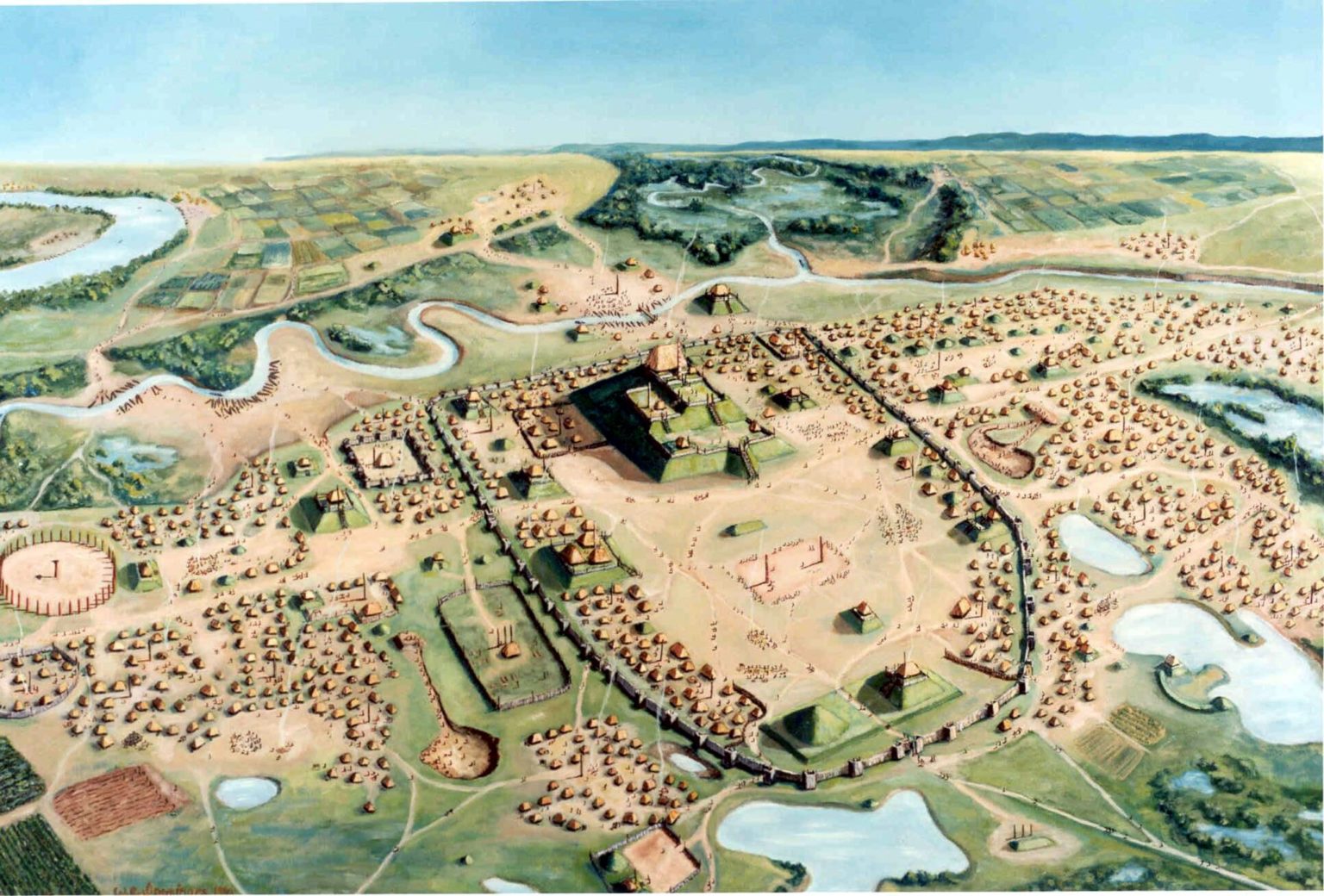
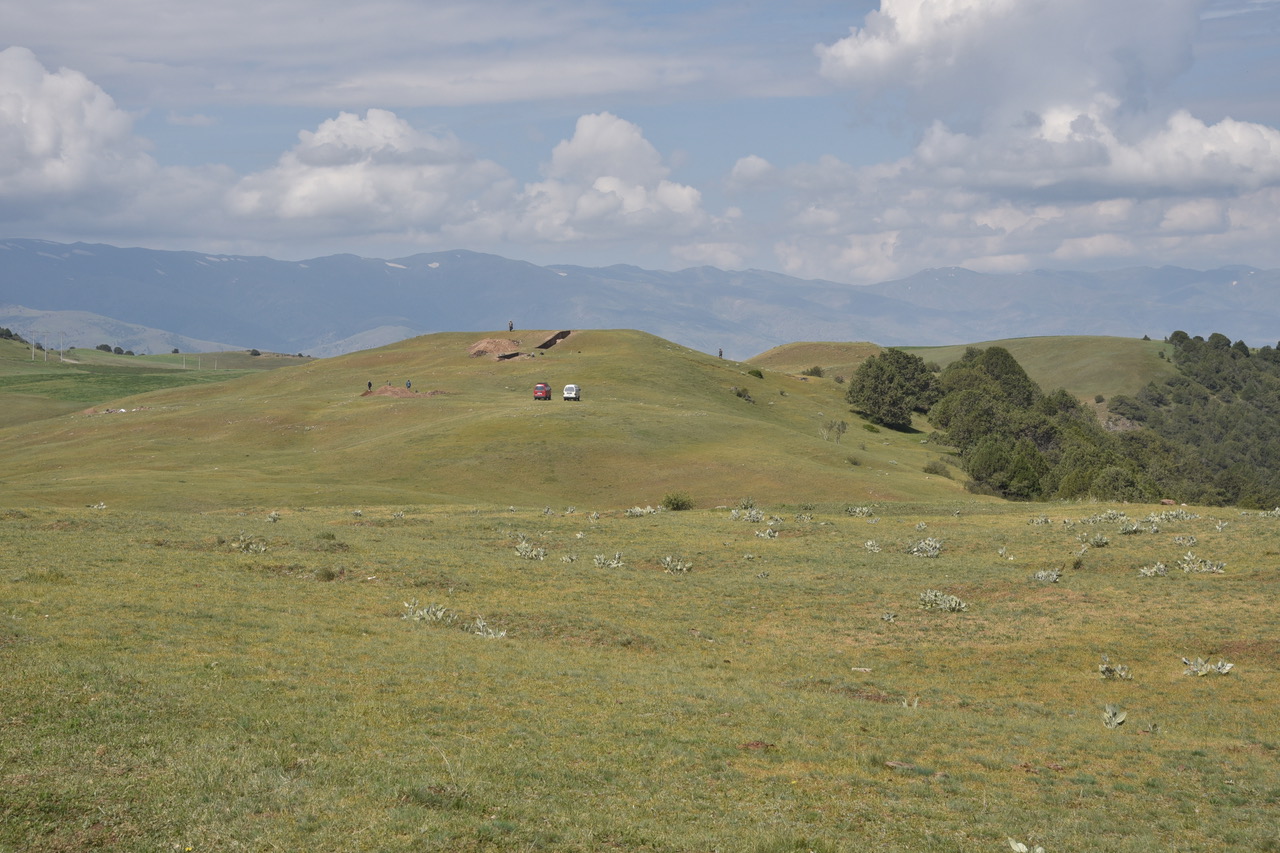
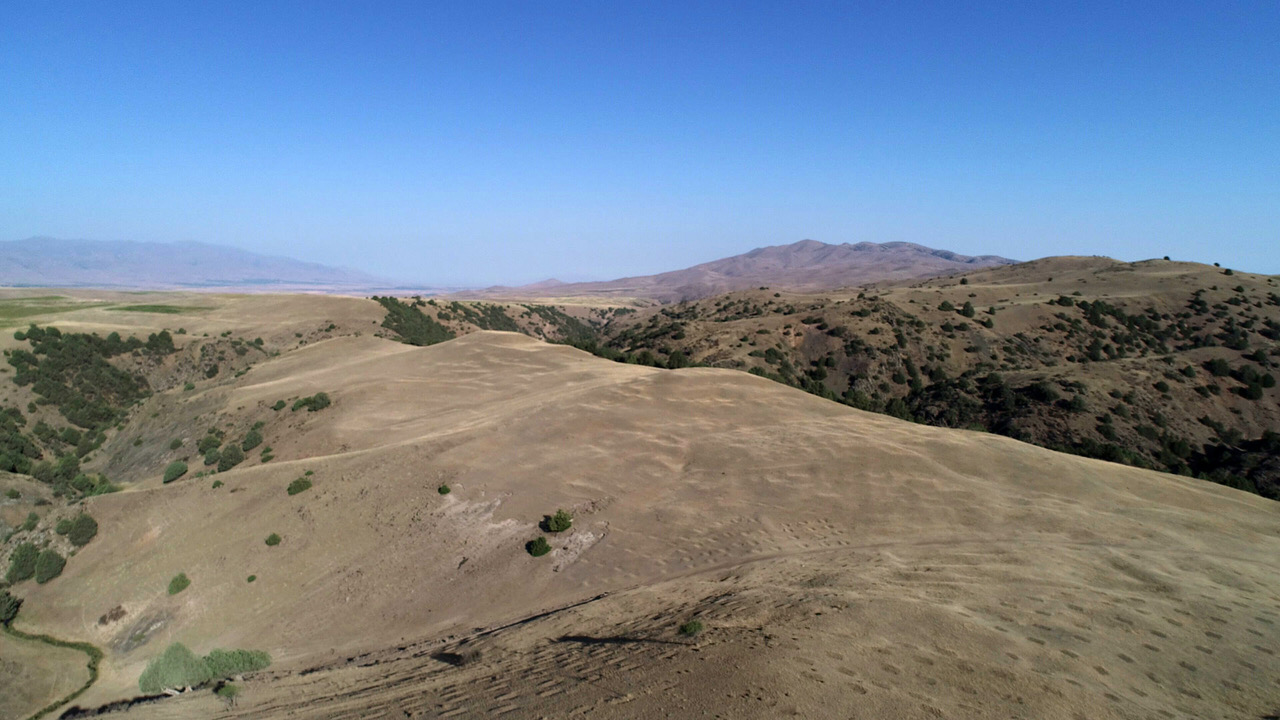
Henry, alongside researchers from other institutions, have uncovered two sites in Uzbekistan’s mountainous regions they believe played an important role in the Silk Road, a historic trade route connecting the Middle East to China’s far Eastern reaches, as well as mapped the Cahokia Mounds, a Native American city known for its recognizable earthen mounds that, at its peak, surpassed London in population in 1,100 AD with about 20,000 individuals.
“We’re starting to see patterns of urbanism that don’t fall within the kind of traditional Western stereotypes of early cities,” Henry said.
Henry and others have found remnants of residential structures, administrative and religious buildings, defensive fortifications, artifacts pointing to the existence of extensive trade networks and other signs of urban planning once thought sparse globally across the Medieval era.
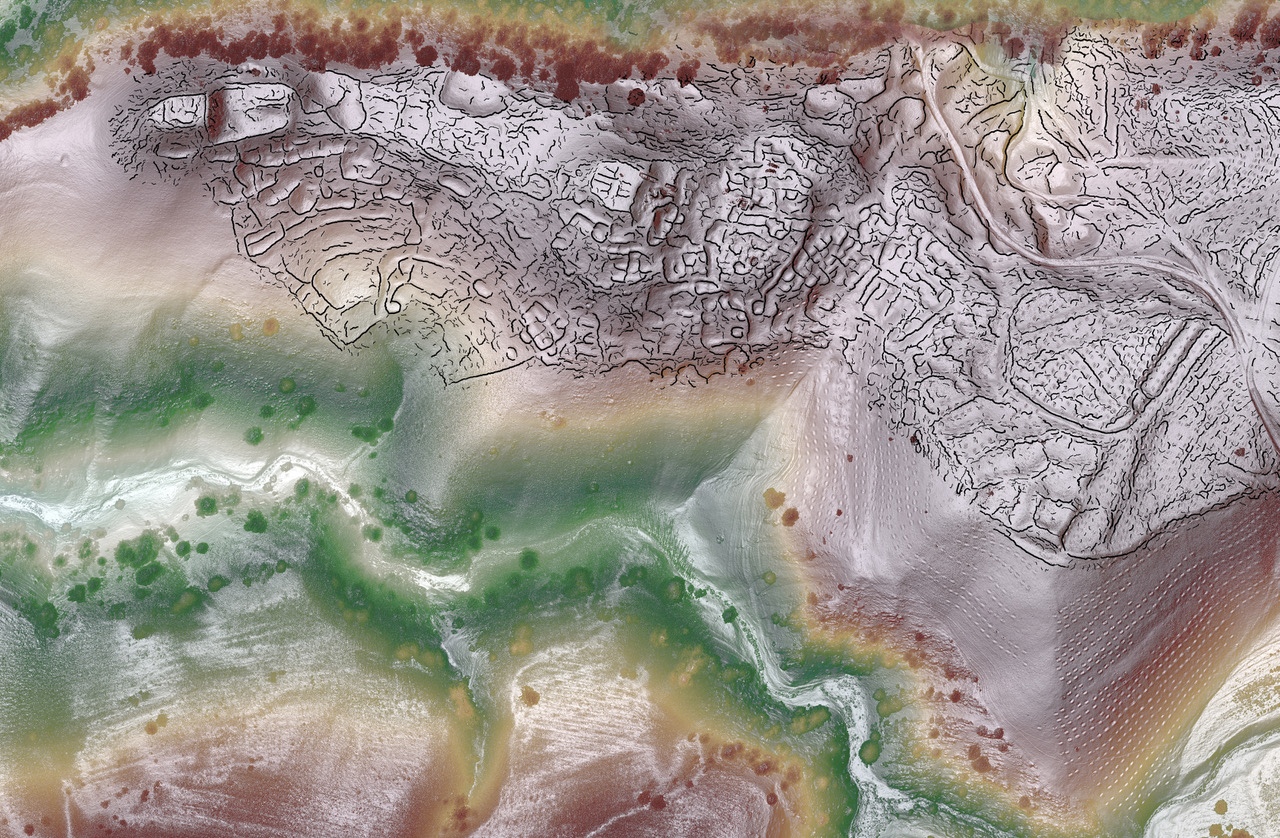
“[In the Middle Ages] there are a lot of different societies around the world who are participating in some kind of urban process that looks a lot different… It’s important from a historical standpoint to understand where we’ve been and in some ways use that information to help contextualize where we’re going,” Henry said.
These non-invasive research tools also allow the sites to be studied in a non-destructive manner which was previously impossible and often a point of contention between indigenous groups and archaeologists.
Henry, who joined Colorado State University in 2018, thinks the same techniques could be used to better understand Colorado’s rich Native American history. Significant Native American sites in Colorado’s Eastern Plains such as the Sand Creek Massacre National Historic Site as well as Southwest Colorado’s Ancient Puebloan cliff dwellings and “houses” are among Henry’s most intriguing for similar study in the Centennial State.