







Supreme Court leans toward narrowing environmental law
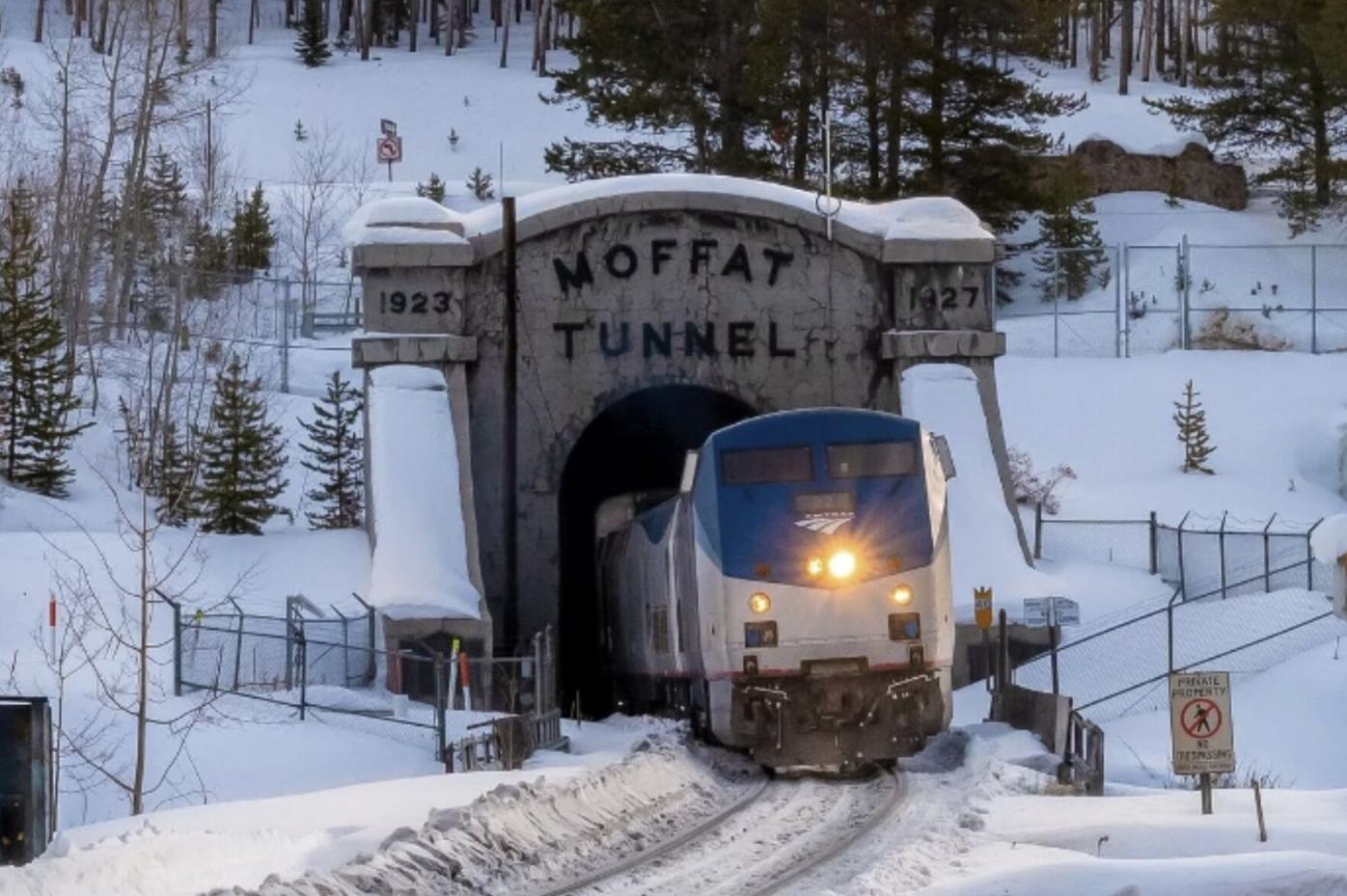
Courtesy photo, Winter Park Resort
Some legal experts concluded following oral arguments that U.S. Supreme Court justices appear poised to limit the scope of the nation’s premier environmental protection law in deciding the case of a proposed 88-mile railroad that would haul oil from an oilfield in Utah through Colorado.
The railway has been discussed for many years. In 2018, the Seven Counties Infrastructure Coalition — comprised of Carbon, Daggett, Duchesne, Emery, San Juan, Sevier and Uintah counties — applied for a $27.9 million grant from the state of Utah for planning and preconstruction work.
The project includes the Uinta and Ouray Ute Indian tribes, which hold mineral rights that provide “critical services” to their 3,000 members.
Eagle County and environmental groups represented by the Center for Biological Diversity (CBD) sued after the Federal Surface Transportation Board approved the project, claiming that the board did not fulfill the National Environmental Policy Act requirements.
The D.C. Circuit Court agreed and ordered the Surface Transportation Board to prepare a new National Environmental Policy Act (NEPA) review that would consider the environmental effects of oil that would be shipped to distant places like Louisiana, Texas and Washington for refining and distribution.
The coalition filed an appeal with the U.S. Supreme Court, arguing that the objectors’ interpretation of NEPA was wildly expansive and might lead to years of delay in agency decisions.
The coalition also argued that the Surface Transportation Board has no authority to regulate Texas emissions or even oil extraction in the Uinta Basin. The board’s authority is only over the construction of the railroad, not concerns over how the cargo might be used.
A Denver attorney with long experience litigating NEPA cases said the court’s questions appeared to be aimed at a ruling that would narrow the scope of NEPA.