







How to winterize your home to prepare for extreme cold in Colorado
When the temperatures dip well below freezing for long stretches in Colorado, it’s important to have a safe, warm home. The Denver Gazette has compiled this list to help Coloradans prepare for extreme cold, including how to heat your home safely, conserve energy, avoid (or deal with) frozen pipes and what to have on hand in case of a power outage.
How to heat your home safely
The U.S. Department of Energy advises lowering your thermostat to 68 degrees during the winter to keep warm indoors. If you’re too cold, wear extra layers and use blankets.
1. Be mindful of space heaters
Make sure the heater’s cord is undamaged and plugged directly into an outlet instead of an extension cord. Keep space heaters at least 3 feet away from flammable objects like curtains and furniture. Never leave space heaters unattended.
2. Never heat with oven
Not only is this inefficient, heating your home with an oven can increase the risk for carbon monoxide poisoning and pose a fire hazard. Propane-powered heaters also generate these risks.
3. Have chimney inspected
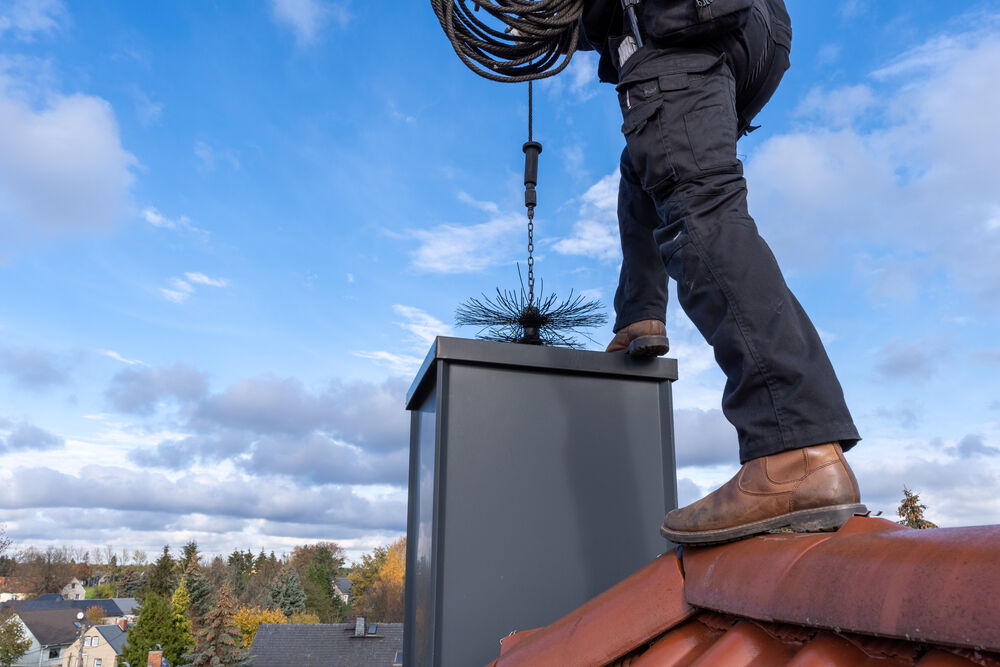


If heating your home with a fireplace, it is good to get your chimney inspected before freezing temperatures in order to ensure it is functioning properly. Possible issues with ventilation, structural damage, buildup and blockages can increase the risk for carbon monoxide and fires.
4. Take precautions with natural gas
If your home has natural gas, be sure to clear snow from your gas meter or outside appliance vents gently by hand and keep a path to the meter clear. This helps prevent buildup of pressure in the line or natural gas inside the home. It also provides access to the gas meter in case of emergency. If your gas meter has been damaged by snow or falling ice, get a safe distance away and call 911 and report it to your energy provider. Never try to relight a gas appliance, call your energy company to check the meter, lines and appliances.
How to conserve heat and energy
Your heating system will be working overtime in cold conditions. To conserve some energy, check out these tips and tricks.
1. Weatherstrip doors and windows
This helps prevent drafts and any possible cold air that could come inside. If you don’t have weatherstripping, the next best thing is to use rolled towels to block the cold.
2. Turn thermostat down periodically
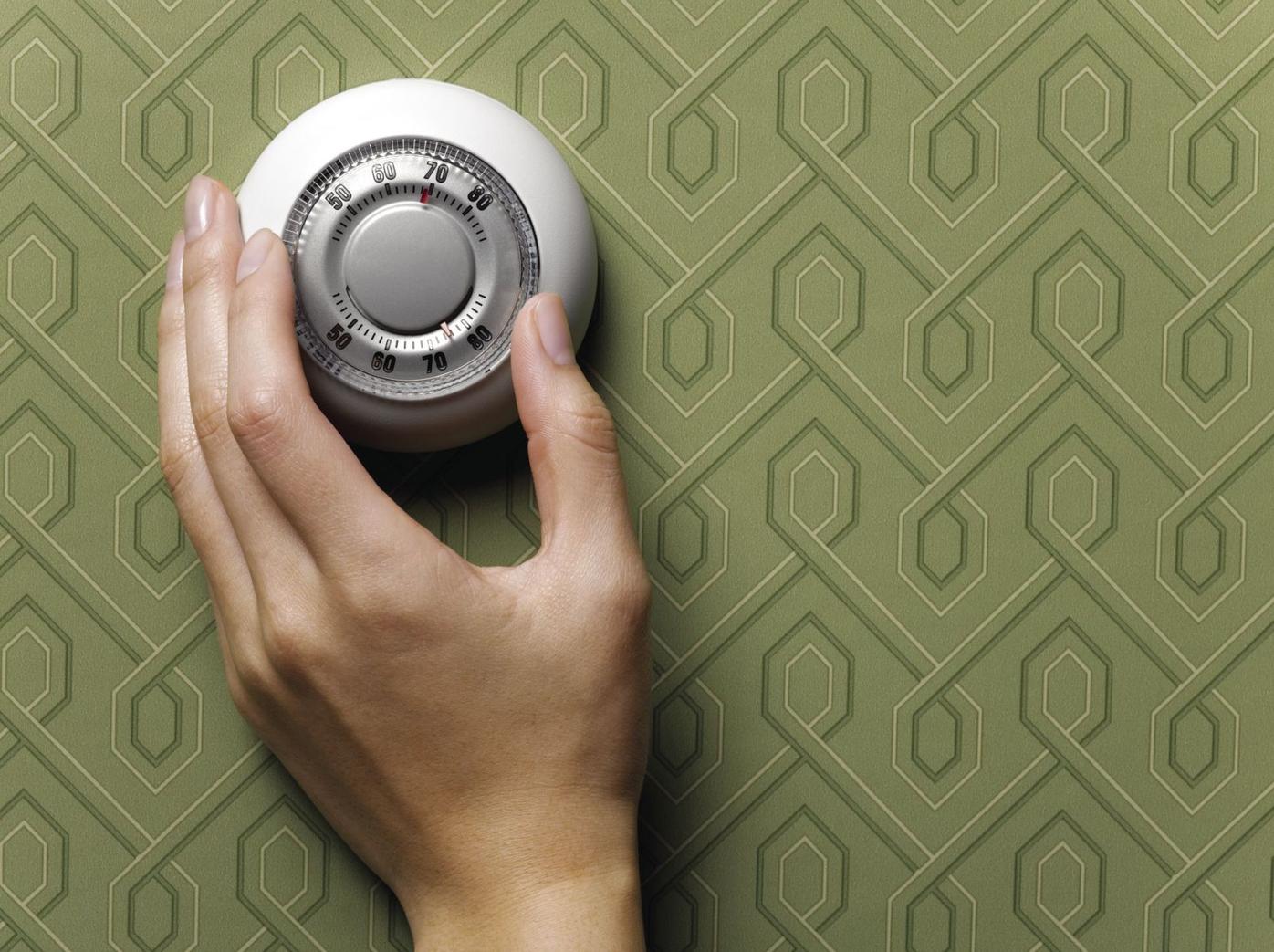


Though the amount of energy conservation is up for debate, setting your thermostat a few degrees lower at night or when you are away from home may help lessen energy costs. Xcel Energy says to keep thermostats at 68 or below when the temperature is extremely cold.
3. Lower water heater setting
If your water heater setting is above 120 degrees, consider turning it down to reduce energy.
4. The power of sunlight
Open your blinds or curtains during the day to take advantage of the heat from direct sunlight to warm your home. Close them again at night to keep the heat in.
5. Ceiling fans can be your friend
Running a ceiling fan in a clockwise direction can push warmer air down from the ceiling, making your home warmer and more comfortable.
6. Open door policy
Keeping the interior doors of your home open can help the air circulate and maintain a more consistent heat level.
How to prevent frozen pipes
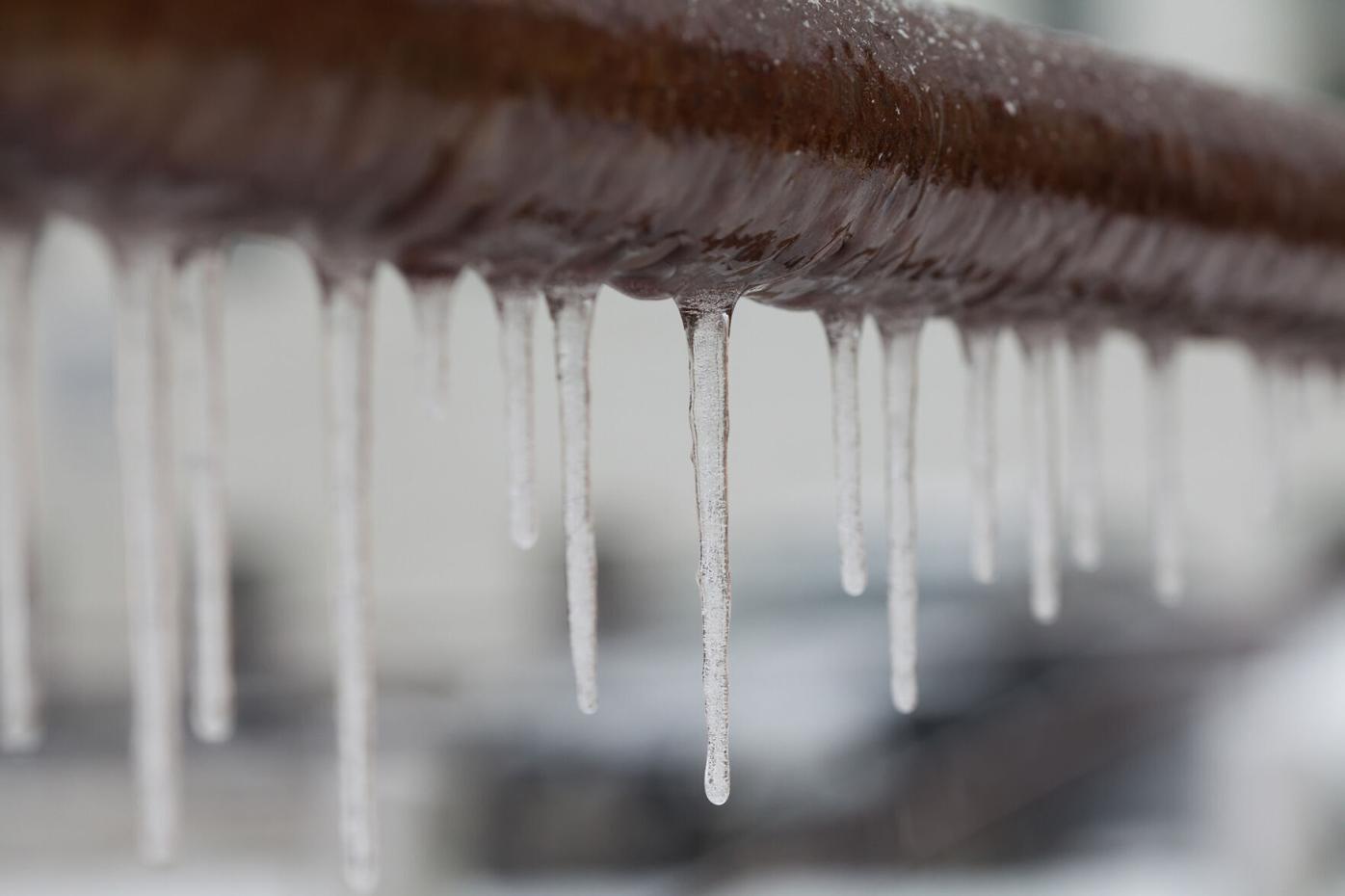


One of the biggest things to keep in mind during freezing temperatures is the potential for frozen pipes, and if not handled properly, burst pipes.
1. Locate water shut-off valve
To minimize damage if a pipe breaks, you’ll need to shut off your water.
2. Insulate exterior pipes
Exterior pipes such as those in an unheated basement are vulnerable to the cold and are best insulated to mitigate freezing.
3. Keep cabinet doors to sink open
Keeping access doors open to pipes makes them warmer from household air.
4. Leave farthest faucet dripping
Leaving all faucets in your home dripping is unnecessary, but the one farthest from your water source is helpful. This is a very slow drip, not a steady stream.
What to do with frozen pipes
Once you determine a pipe is frozen, do not hesitate to take action. Go through these steps immediately and, if you have issues, call a plumber for help.
1. Thaw the pipe
Make sure the water is shut off first, and then begin to thaw the pipe with a hair dryer. Never use a blow torch or another open-flame device. Warm the pipe slowly, as warming too fast can cause breaking.
2. Call plumber if damaged or burst
If you have no luck with thawing methods after turning the water back on, notice damage or find yourself with a burst pipe, call a plumber immediately.
Winter safety tips
1. Avoid downed power lines
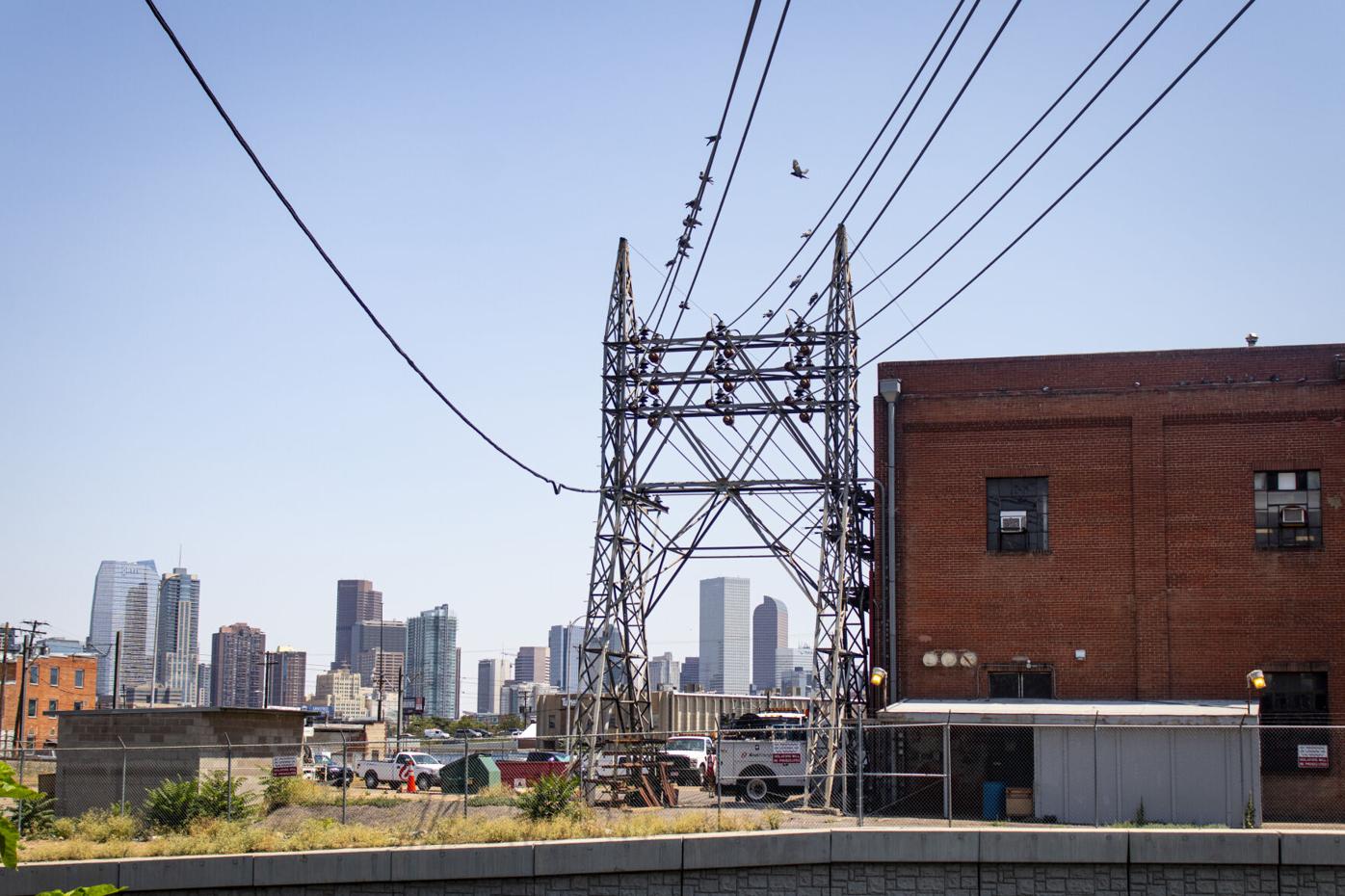

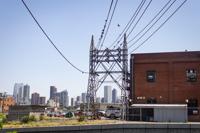
If you see a power line on or near the ground, always assume it’s a live wire and extremely dangerous. Don’t touch it or move it. Instead, leave the immediate area and report it.
2. Make a home emergency kit
Gather items that will be essential in the event of a power outage. These items include:
• Battery-powered radio or television
• Flashlights
• Batteries
• Back up phone chargers
• A phone that does not require electricity
• Non-electric alarm clock
• Bottled water and nonperishable food
• Manual can opener
• First aid kit
• Extension cords (for partial outages)
• Manufacturer’s instructions on how to manually open power-operated doors (e.g., garage doors)
• Contact information for your energy provider
3. Have working detectors
Always ensure you have functional smoke and carbon monoxide detectors in the home. Check that the batteries are working. It’s important to have working detectors on every floor of the home and in each bedroom.
Information from Denver Water, Black Hills Energy, Xcel Energy, the Colorado Springs Fire Department and the U.S. Department of Energy was used for this report.