







Is nuclear a necessity in Colorado?
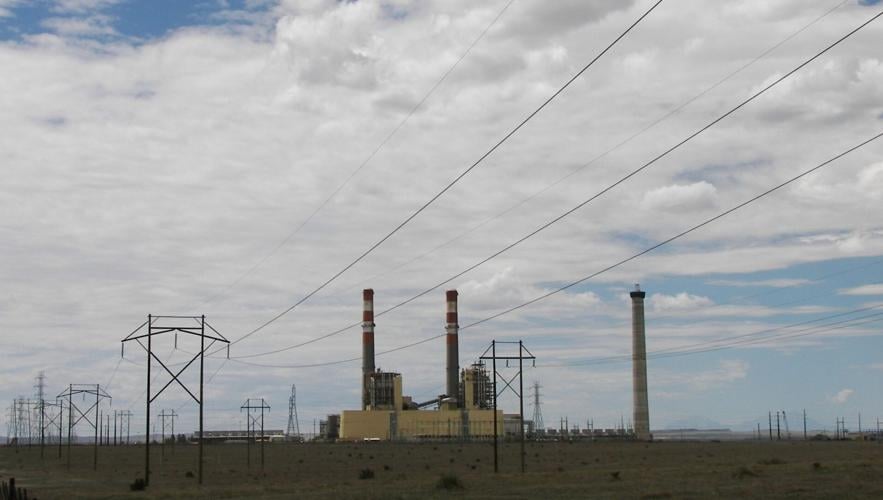
The Comanche 3 coal-fired power plant outside of Pueblo, Colorado. (COURTESY: CORE Electric Cooperative)
Courtesy of CORE Electric Cooperative
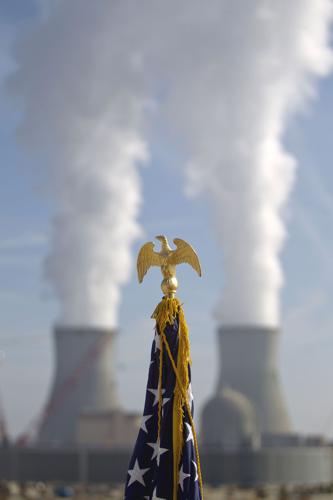
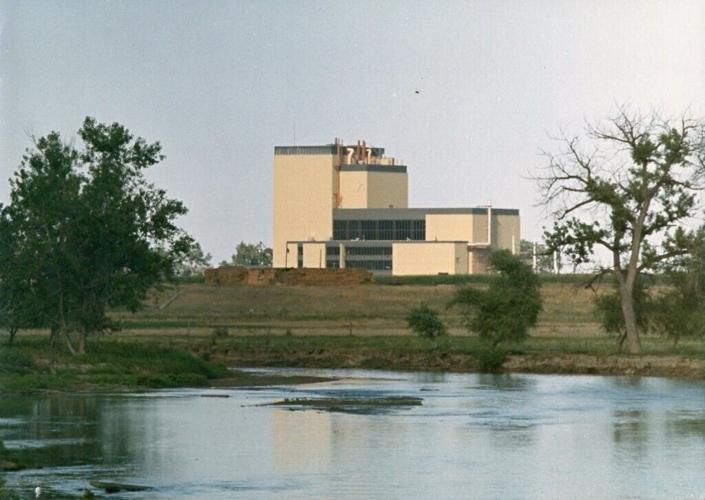

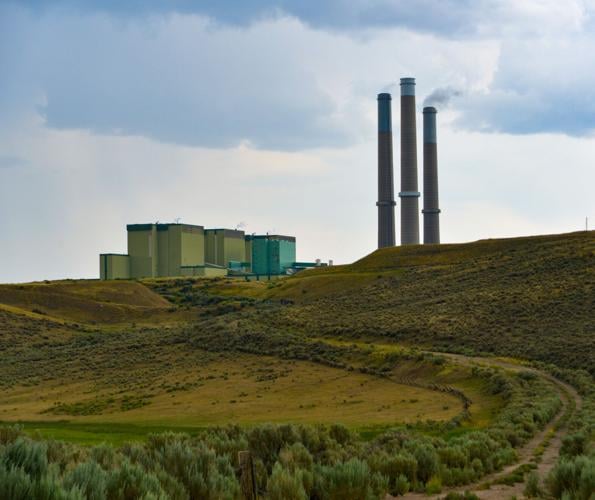
Nuclear power is emerging as a necessity in Colorado and the U.S. to ensure the electric grid has stable power, according to local and national energy experts.
The national electric grid faces a threat of catastrophic failure due the rapid shift away from the stable and “easily dispatchable” power production using coal or gas to intermittent and unpredictable renewable energy sources, such as solar and wind, federal energy regulators said.
The Federal Energy Regulatory Commission and the North American Electric Reliability Corp. have both raised a red flag over this predicament.
“We are seeing a rapid, unsustainable, dangerous loss of dispatchable generating resources, predominantly coal and gas,” said FERC Commissioner Mark Christie at the October 2024 Reliability Technical Conference. “They’re retiring far too quickly for reliability.”
A consensus appears to be building nationwide over the necessity for nuclear energy to achieve carbon reduction goals, especially with the advent of power-hungry data centers proposed by companies like Amazon and Google and electric vehicles.
“The timely expansion of our domestic nuclear capacity will require us to build new reactors at a pace that we haven’t seen since the 1970s — relying heavily on design standardization, new manufacturing techniques, and the lessons learned from past deployments,” said the U.S. Department of Energy Office of Nuclear Energy.
Not everyone agrees that more nuclear power is a good idea. Environmental groups argue that nuclear power is unnecessary and hazardous.
“Nuclear energy is diverting attention and investment from the sustainable energy solutions we need. It’s time to stop building new nuclear facilities, phase out the ones that exist, and focus on clean energy for the future. Nuclear energy has no place in a safe, clean, sustainable future,” Greenpeace says on its nuclear issues web page.
Colorado is lagging in promoting nuclear as clean energy, according to experts.
Colorado Energy Office Director Will Toor told The Denver Gazette in November 2021 that he doesn’t believe that nuclear power is an economical choice for Colorado and that no public utilities had submitted a plan to build one.
However, Toor said his office would consider any plan submitted.
Notably, Gov. Jared Polis’ “Greenhouse Gas Reduction Roadmap,” the plan for complete “decarbonization” by 2050, does not mention nuclear power.
“Currently, wind and solar energy paired with battery storage are the lowest-cost energy sources and are driving the market’s rapid transition,” said a Polis spokesperson. “If nuclear energy becomes cost-competitive with other clean energy sources, it could become part of Colorado’s clean energy future, and we should continue to monitor it.”
Under Democratic control of the state Capitol, Colorado is seeking to quickly transition away from fossil-fired energy. Supporters argued the transition — while acknowledging it might be painful in the short term — positions Colorado for a more sustainable and energy-efficient future. They said it would help wean the country from dependence on foreign oil. Ultimately, they added, the transition toward green energy is good for the environment and people’s health.
Critics maintained the quick transition is failing to protect American consumers, particularly low-income residents, who already contend with soaring inflation, and that the singular focus on alternative energy is short-sighted, given that America is rich in all forms of energy and that nuclear power can provide the state with a viable, sustainable and “green” baseline.
Utility official: Customers face ‘extreme price increases’
The Sierra Club insisted that Colorado shouldn’t waste its time considering nuclear power.
“Given that every electric utility in Colorado is far away from achieving those emissions reductions, they should be focused on cost-effectively deploying current technologies,” Sarah Tresedder, the Colorado Sierra Club Chapter’s senior climate and energy organizer, said in a statement to The Denver Gazette. “There is no need — and no justification — for them to wait for some ‘silver bullet’ technology to be developed when they have a lot of work now to maximize the use of existing and affordable clean technologies such as solar, wind, batteries, and demand response.”
Colorado Springs Utilities CEO Travas Deal told The Denver Gazette that the actual costs of wind, solar and batteries are far higher than first believed and that the utility is scrambling for ways to meet statutory requirements for decarbonization.
“Yeah, we’re definitely running into challenges,” said Deal. “The thing is we have to have base load power to supplement and work, alongside a diverse portfolio of renewables. There is no technology currently that allows 100% of all power to be renewable. There’s a lot of challenges right now for us to meet the current 80% mandates without extreme price increases for our customers.”
Deal and the Colorado Energy Office said that wind, solar and batteries are not the lowest-cost energy sources.
“Absolutely 100 percent not correct,” said Deal. “We’ve had 200-plus RFPs recently for solar, and they’re upward of at least two to three times, probably more, than we anticipated. It just makes it very challenging right now to manage costs.”
The Colorado Energy Office released a report by Ascend Analytics in October about potential pathways to deep “decarbonization” in the electric sector in Colorado by 2040.
“The analysis … finds that relying on wind, solar, and battery storage alone results in the most expensive path to decarbonization, while a pathway relying on advanced nuclear generation is the second most expensive scenario,” said the report.
The report said the cost of wind, solar and batteries alone is about 1% more — $61 billion — than the projected cost for the nuclear power scenario at $60.8 billion.
“The other thing with renewables is you have to have large scale transmission developed to be able to get to where these renewables are, which really is limiting. It’s non-existent in a lot of areas of Colorado right now,” Deal added.
Xcel Energy customers are already facing a $1.7 billion bill for its high-voltage Power Pathway project, which is currently under construction in eastern Colorado.
‘An obligation to provide 99.99% reliability’
More high-voltage transmission lines, including a branch into the San Luis Valley, are being considered by the Colorado Electric Transmission Authority, which lawmakers created in 2021 to enable the development of electric transmission facilities.
“Having baseload generation, even in an age of renewables, I would probably argue it’s even more important because those resources are still intermittent, and we still have an obligation to provide 99.99% reliability, which is one of the reasons I think nuclear becomes an attractive baseload resource,” Xcel Energy Colorado President Robert Kenney said in an earlier interview with The Denver Gazette.
Xcel Energy has been operating nuclear power stations since the 1970s. Three reactors on two sites in Minnesota provide power to nearly 30% of Xcel’s customers in the Upper Midwest.
Pamela Gorman, director of nuclear strategy and policy for Xcel Energy, said, “I think the big question is, with advanced nuclear, where do the costs come down?”
An obstacle to the commercial development of nuclear power in Colorado is that it is not currently included in the state’s list of “clean” power sources defined in state statutes.
This, said Deal, discourages investment and can affect government grants and permitting at both the state and federal levels.
State energy officials haven’t yet created any regulatory framework for nuclear power, should a project emerge, said Deal, despite having seven years’ notice that nuclear power is on the table.
In 2018, Senate Bill 18-003 directed the Colorado Energy Office to “promote nuclear and hydroelectric power as a cleaner energy source.”
That hasn’t happened, according to energy policy experts.
Moreover, in 2023, 2024 and again this legislative session, some lawmakers have introduced bills to add nuclear power as a “clean” energy source in the statutes, putting it on a par with wind, solar, batteries, geothermal and other sources.
“They have not been promoting nuclear, and yet everything that (CEO) director Toor and other folks in the energy office say about nuclear, it’s usually, ‘Well, there’s nothing stopping nuclear from showing up,’” Jake Fogleman, policy director at the Independence Institute, told The Denver Gazette.
“‘We’re not out here promoting it. It’s probably not going to pencil out.’ There’s all sorts of wishy-washy answers. So, I think evasive is a good way to explain their position,” he said.
The bills in 2023 and 2024 failed to make it out of their first committees.
This year’s proposal, House Bill 25-1040, has cleared its first committee assignment and passed its first reading in the House last Tuesday. garnering support from both sides of the political aisle.
This has raised the hopes of nuclear advocates, including Sen. Byron Pelton, R-Sterling.
“I think that there’s a lot more support than the people think for nuclear in the state of Colorado, especially with this bill that’s coming forward,” Pelton told The Denver Gazette. “I think that we need to make sure that we’re looking at all energy sources, and that includes nuclear.”
Pelton said Colorado doesn’t have enough electricity because of the looming shutdown of coal power plants and the predicted increases in demand.
“I think people are seeing that we’re going to need more energy sources before we start having blackouts and other problems that relate to it, and especially with what’s coming with AI and that sort of thing and data centers,” he said.
Public support for nuclear power in Colorado has been growing in the past few years, with upticks in polling data in the aftermath of Russia’s invasion of Ukraine.
“We commissioned a poll a couple of years ago just for Colorado voters and found majority support for both nuclear energy as a concept and majority support for including it in Colorado’s definition of clean energy,” said Fogleman. “And they crossed party lines. There was a super majority of Republican voters, a majority of unaffiliated voters and a plurality of Democratic voters in the state.”
He added, “All said that they favored nuclear energy here — and then came the data center craze. So, I can only imagine that those numbers have gone up as folks start to realize this is serious.”


Turnovers, cold offense late doom Colorado State in home loss to Utah State
Tyler King tyler.king@gazette.com
tyler.king@gazette.com
Updated 5 hours ago
FORT COLLINS — This one is going to haunt Ali Farokhmanesh’s first season as a head coach. Colorado State was rolling. The Rams led by as many as 13 points early in the second half thanks to a red-hot start...

Tyler King tyler.king@gazette.com
Reporter

Nuggets vs. Bucks | Denver survives another injury, late scare in Milwaukee
Vinny Benedetto
vinny-benedetto@denvergazette.com
Updated 5 hours ago
It took surviving another injury and a cold stretch that spanned most of the fourth quarter, but the Nuggets snuck out of Milwaukee with another improbable win. Here are five takeaways from Denver’s 102-100 win Friday at Fiserv Forum: 1....

Vinny Benedetto
Reporter

Avalanche fall apart in 7-3 loss to Flyers on eve of Rantanen, Necas trade anniversary
Evan Rawal
evan-rawal@denvergazette.com
Updated 5 hours ago
Jan. 24, 2025 was one of those nights where Avalanche fans will remember exactly where they were when they heard the news. One year later, it feels like a lifetime ago. Saturday marks the first anniversary of the Avalanche trading...

Evan Rawal
Reporter

Chaz Connors explodes for 30 as Palmer Ridge tops Lewis-Palmer 58-57
Brent Briggeman
brent-briggeman@denvergazette.com
Updated 6 hours ago
MONUMENT – Lukas Pears was exhausted. Honestly, so was everyone else who witnessed this ear-splitting thriller. The 6-foor-8 Palmer Ridge junior stepped to the line with 6 seconds remaining in a tied game and hit the first of two shots....

Brent Briggeman
Reporter

Palmer Ridge girls manifest fourth-quarter comeback in rival Lewis-Palmer’s gym
Brent Briggeman
brent-briggeman@denvergazette.com
Updated 8 hours ago
MONUMENT – The Palmer Ridge girls grew philosophical about what allowed them to maintain the high ground in Monument. Needing to overcome a five-point deficit at crosstown rival Lewis-Palmer going into the fourth quarter, the Bears took care of that...
Brent Briggeman
Reporter
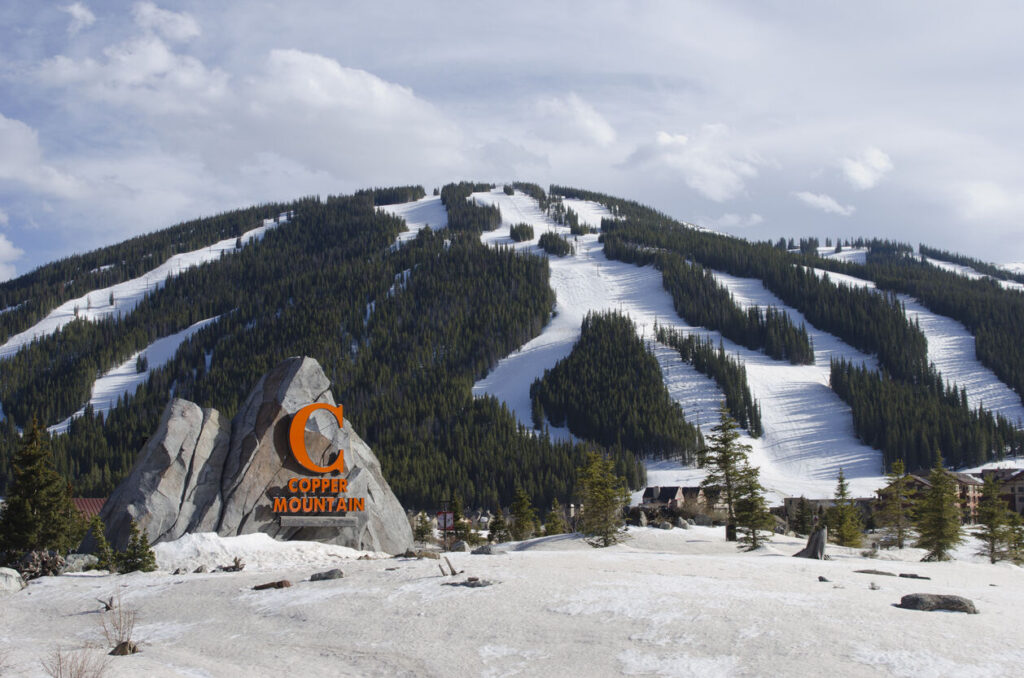
A skier’s guide to Copper Mountain: Terrain, dining, lodging, parking, and more
Piper Russell
piper.russell@outtherecolorado.com
Updated 9 hours ago
Copper Mountain offers 2,500 acres of high alpine, naturally divided terrain, making it an ideal ski resort for all levels, including beginner, intermediate, and expert. As well as its world class terrain, Copper is a lively village filled with restaurants,...

Piper Russell
Reporter

12 fun family-friendly things to do in Breckenridge during the winter
Piper Russell
piper.russell@outtherecolorado.com
Updated 9 hours ago
As one of Colorado’s most well-known mountain towns, Breckenridge offers a variety of thrilling activities to do in the winter. This makes it a great destination for kids to begin to explore the outdoors. Here are some activities that are...
Piper Russell
Reporter

10 great burger spots you’ll find in Denver
Piper Russell
piper.russell@outtherecolorado.com
Updated 9 hours ago
Denver has burger joints that range from classic dives to restaurants that offer creative concoctions. Here’s a look at some of the best burger spots across the Mile High City: This Denver Institution is known for its large menu and...
Piper Russell
Reporter

With Jarrett Stidham replacing Bo Nix, J.K. Dobbins out, Broncos still confident vs. Patriots
Chris Tomasson
chris.tomasson@gazette.com
Updated 7 hours ago
ENGLEWOOD — Broncos coach Sean Payton gave a nod Friday to his mentor Bill Parcells. Before Jeff Hostetler as a backup quarterback led the New York Giants to a Super Bowl XXV victory in the 1990 season, his then-coach Parcells...

Chris Tomasson
Reporter
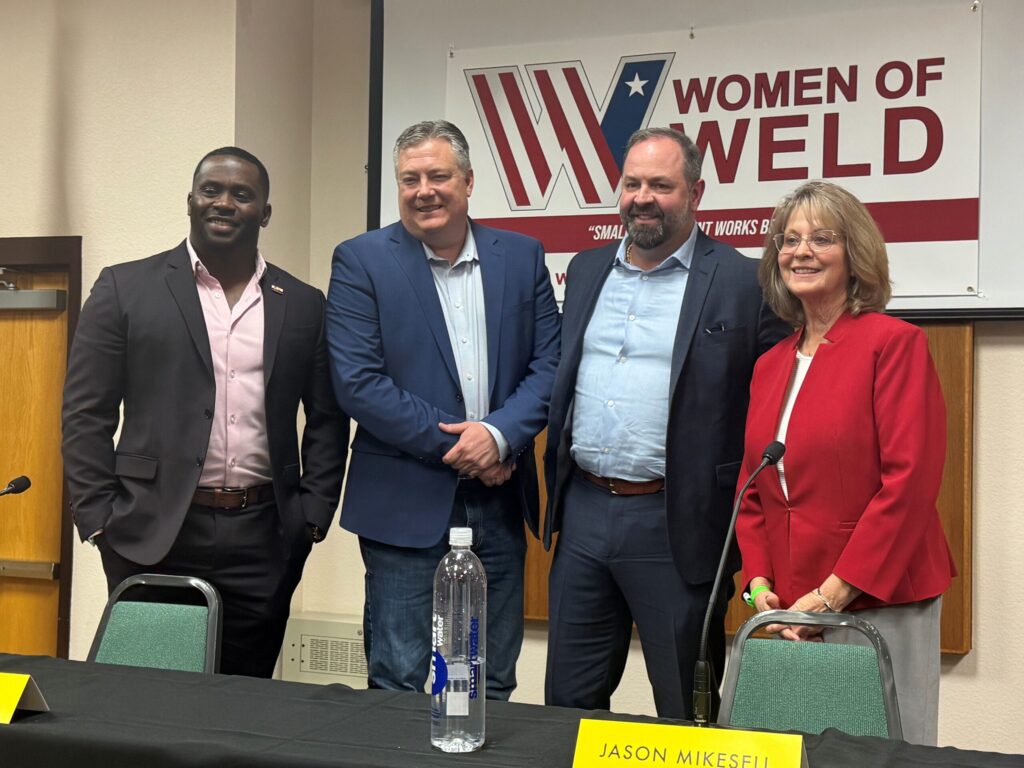
Republican candidates debate how to win the governor’s seat in Colorado — a position the GOP last secured in 2002
Thelma Grimes
thelma.grimes@coloradopolitics.com
Updated 9 hours ago
Colorado has not elected a Republican governor since 2002. On Thursday night, four candidates offered competing visions for how the party can reverse its 20-plus years of failing to secure the seat. The discussion hosted by the Women of Weld...

Thelma Grimes
Reporter