Long COVID casts lingering shadow 5 years after the pandemic

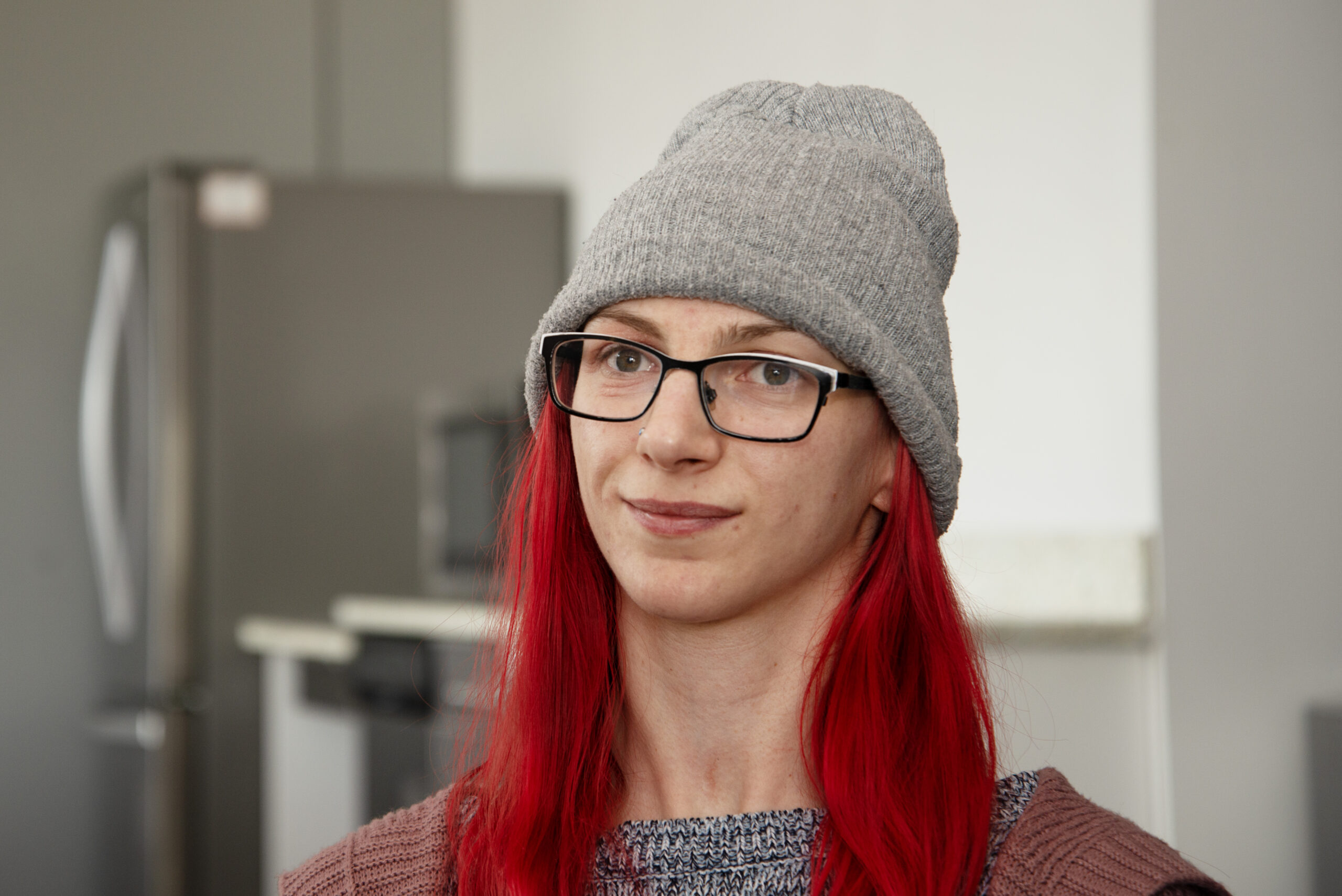
Bailey Boring has seen so many specialists to treat chronic pain in her arms and legs since getting COVID-19 that the doctors are all a blur now.
“I’ve lost count at this point,” said Boring, 26, of Denver.
Three years after her first COVID-19 infection, Boring continues to deal with chronic pain. The burning, she said, started and stayed in her legs in 2022. A year later, she began experiencing pain in her hands with a second infection.
Some days are better than others, but every day includes pain.
Boring is what patients with persistent symptoms following a COVID-19 infection call a “long hauler.”
While the federal public health emergency ended nearly two years ago, allowing life in Colorado to return to normal five years after governments shuttered businesses and schools and limited gatherings with stay-at-home orders, for those who like Boring live with “Long COVID,” the disease remains an ongoing struggle and a daily reminder of its lasting impact.
“It seems like COVID has been accepted as a something that happened in the past, so, it’s off of our radar,” said Dr. Bill Niehaus, a physical medicine and rehabilitation physician at the University of Colorado Hospital.
Niehaus added: “It’s not being recognized by patients or providers as Long COVID. It’s getting attributed to other things.”
But for those who suffer from Long COVID, the pandemic never really ended.
“I wish people understood how bad it can be to get COVID and not recover from it,” said Boring, who was vaccinated.
She’s not alone.
Conservatively, more than 100,000 Coloradans have had persistent COVID symptoms after recovering from the novel coronavirus.
The National Academies of Science, Engineering, and Medicine defines Long COVID as a chronic condition present for at least three months after a COVID-19 infection.
There is no medical test that can detect Long COVID. But studies suggest that between 5% and 30% of COVID-19 survivors nationally have persistent symptoms after recovering from the disease.
The phenomenon is known by several names: Long COVID, long-haul COVID and chronic COVID. It refers to a range of ongoing symptoms weeks, months, even years after a COVID-19 infection.
‘A complicated disease’
A Census Household Pulse Survey from August found that 20.1% of adult Coloradans reported developing Long COVID, while 7.6% said they were experiencing symptoms at the time of the study.
Niehaus believes the number of individuals suffering with Long COVID could likely be higher. This is because the state data only tracks patients tested in a health care setting.
“My hunch is that there are more people experiencing Long COVID symptoms than we realize,” Niehaus said.
Some of the Long COVID symptoms can be very debilitating.
Boring, for example, wears lidocaine patches on her legs every day. It takes the edge off, she said. It doesn’t, however, eliminate the constant burning.
While researchers were quick to begin investigating Long COVID, there is still much to learn about its ongoing effects, Niehaus and others said.
At first, diagnosing Long COVID was challenging because of a lack on defining its characteristics.
“We’re trying to understand the overall burden of long COVID in Colorado,” said Rick Devoss, who recently co-authored a study on health care usage following a Long COVID diagnosis.
Using claims data, researchers at the University of Colorado Anschutz Medical Campus discovered that, following a Long COVID diagnosis, hospitalizations were significantly reduced, leading to better symptoms management and better understanding of conditions, such as chronic fatigue syndrome.
“Long COVID is a complicated disease,” Devoss said. “It can make underlining symptoms worse.”
Since the onset of the COVID-19 national emergency — declared by President Donald Trump on March 13, 2020 — Colorado has had 1.9 million cases. Because of home testing, the number of infections is likely higher because the state’s tally only includes tests conducted in a health care setting.
Colorado has also had more than 90,000 hospitalizations and nearly COVID-related 16,000 deaths.
‘I’m still terrified’
Five years ago today, an El Paso County woman in her 80s with underlying health conditions became the first in Colorado to die from the novel coronavirus. At the time, Colorado had just 77 known cases.
Each COVID-19 infection brings the risk of developing more than 200 Long COVID symptoms. These can range from fatigue and breathing difficulties to cognitive and memory issues — often called “brain fog” — to headaches, joint and muscle pain, sleep disorders, loss of taste or smell, heart palpitations and gastrointestinal issues. Anyone — including children — infected with COVID-19, can experience Long COVID, according to those who have been studying the phenomenon.
Most long haulers show improvement or symptom resolution within a year, Devoss said.
That’s little solace for Boring.
She fears the next infection.
“I’m still terrified to get COVID again because of what could happen to me,” Boring said.
‘I couldn’t shake it’
While some improve within a few months, others have serious, ongoing symptoms that make returning to work, school and other activities difficult.
Take Peter Ramos.
The first time the 34-year-old Philadelphia resident acquired COVID-19, he was sick for three months.
“I couldn’t shake it,” Ramos said. “I was tired all the time.”
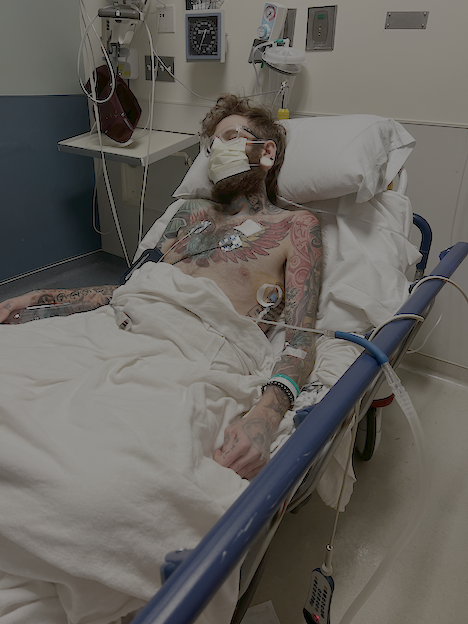
The third time he was sickened by COVID-19 landed him in the hospital and disabled.
Just stepping into the shower can send his heart rate soaring, as if he had been working out strenuously.
Ramos said he hasn’t worked in two years. Boring has returned to work, but not without great difficulty.
Because the pain is unseen, Boring called Long COVID an “invisible” disease.
“I just don’t look sick,” Boring said. “Sometimes, I wish I did, so people believe me.”
Getting a handle on how big a cohort these long haulers represent remains a challenge. Studies indicate that between 5% and 30% of those who acquire COVID-19 in the United States develop Long COVID.
In 2022, 6.9% of U.S. adults and 1% of children reported experiencing Long COVID symptoms, according to the CDC.
The causes are not yet fully understood.
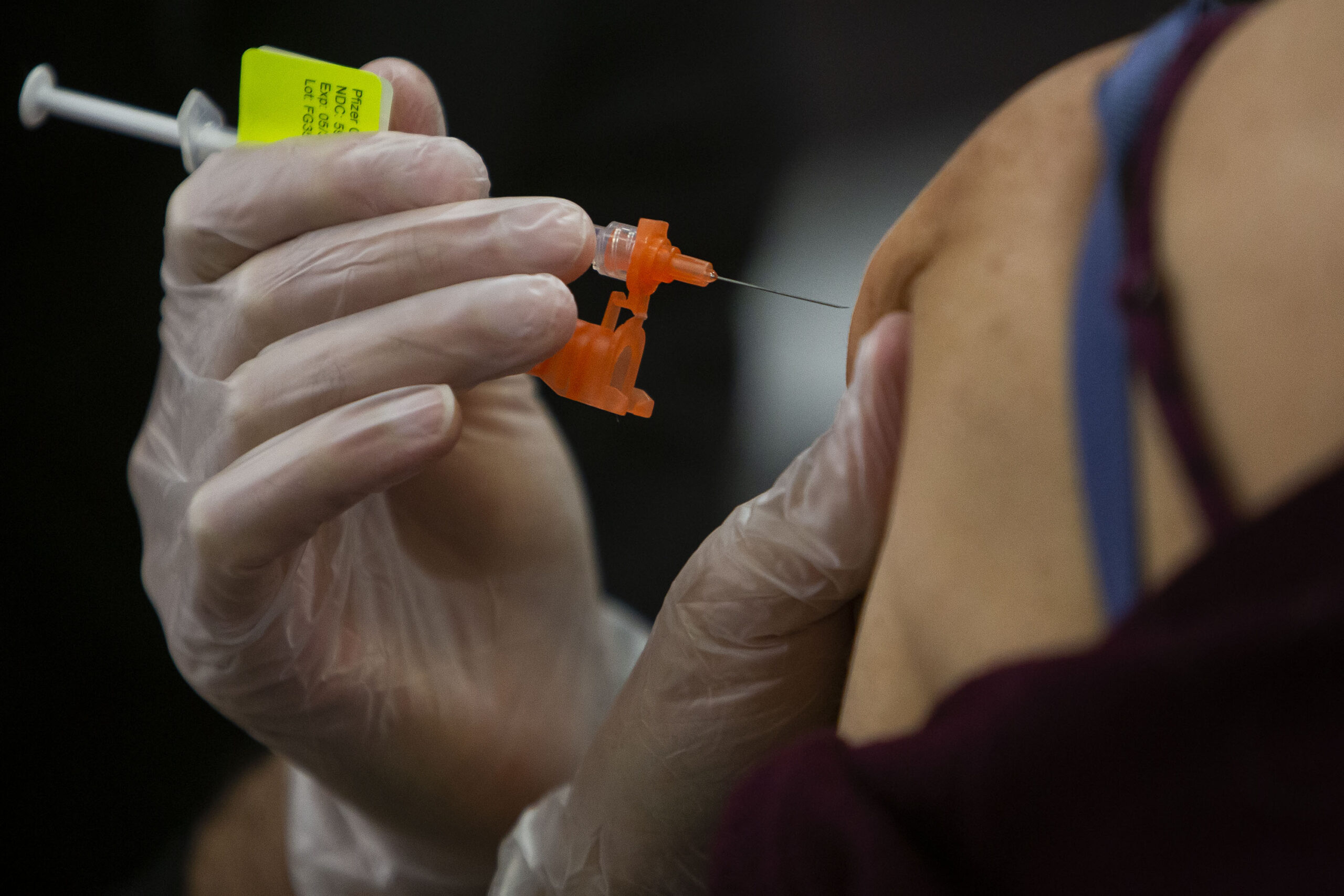
Among those at greatest risk of developing Long COVID are women, Latinos, the unvaccinated, those with underlining health conditions and adults 65 years and older, according to the Colorado Department of Public Health and Environment. Vaccination is still considered the best way to prevent serious illness, including Long COVID, according to the Centers for Disease Control and Prevention (CDC).
In response to the growing need, COVID-19 clinics that treat long haulers have cropped up across the country, including in Denver.
Most COVID clinics run by referral. Some offer therapies virtually.
Initially, health experts believed persistent COVID-19 symptoms were rare, but emerging studies began to show a slower recovery for a growing number of patients.
There is at least one Long COVID clinic in every state. While some states have dozens of clinics, seven — including Arkansas, Kansas and Oregon — only have one, according to the Long COVID Alliance. Colorado has six Long COVID clinics, all along the Front Fange, with the exception of the Family Health West Post-COVID Recovery Team in Fruita, which is located on the Western Slope.
A network of patient advocates, scientists, disease experts and drug developers, the Alliance works to provide resources to educate policy makers and advance research.
‘One life to live’
Because Long COVID can impact multiple systems in the body, health professionals have adopted a multidisciplinary approach.
In many cases, this involves creating a multidisciplinary team that brings together specialists from cardiology, neurology, pulmonology and others to address what is often a wide-range of symptoms.
Some of the strategies are novel.
Take patients who have lost their sense of smell. Clinicians encourage patients bottle familiar scents — an onion or cologne or specific spice — that they smell several times throughout the day to retrain their brain.
Other strategies are more intuitive.
This requires paying attention to your body and the “crashes” in energy from that the “long haulers” frequently suffer. Niehaus, at the University of Colorado Hospital, likens the body’s response to a battery. Breathing from the diaphragm, meditation and building up an individual’s stamina — Niehaus said — can be the key to recovery.
“It’s all about pacing,” Niehaus said.
Having seen more than two dozen specialists over the past three years with little improvement, Boring said she hopes to be included in an upcoming clinical trial.
“The symptoms, in general, have put my life on hold,” Boring said. “I have this one life to live in this body. I don’t want to live in fear of getting sick.”