Magnus White’s parents press for changes in how law enforcement handle fatal crashes
"He was a leader on the bike. He was a leader off the bike.”
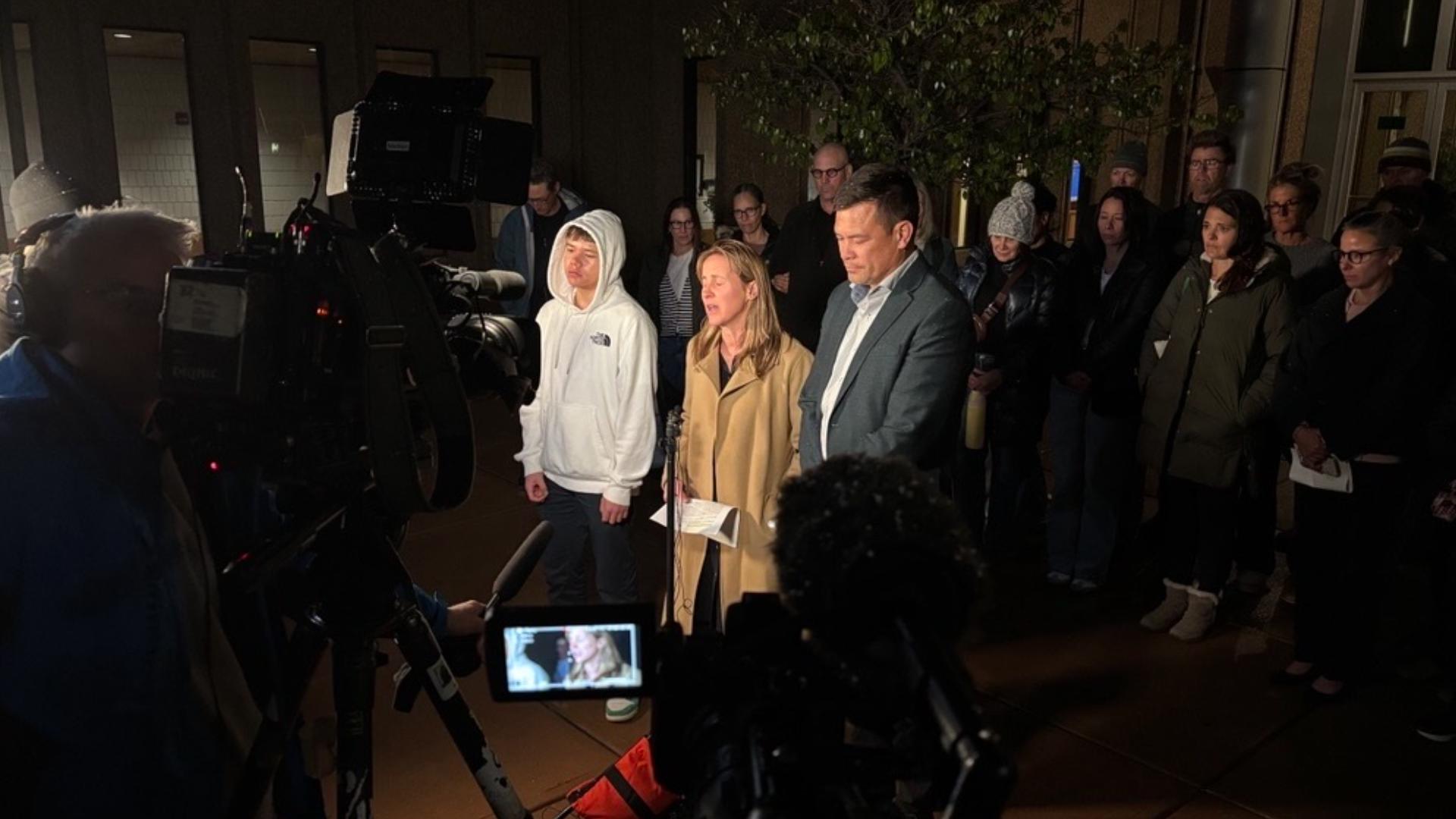
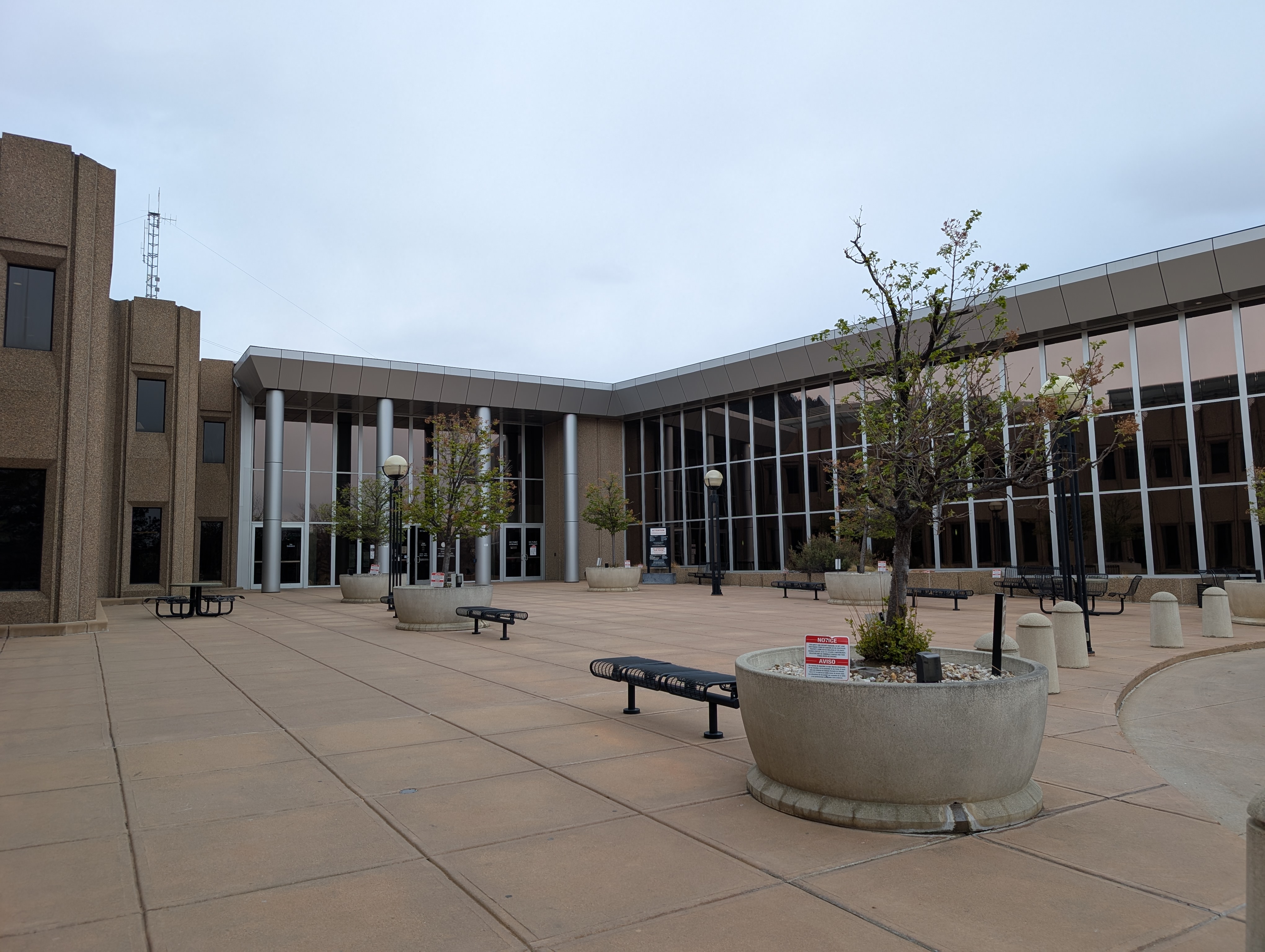
The parents of 17-year-old Magnus White stood outside of the Boulder County Courthouse Friday evening, when they pressed for changes in the way fatal crashes are handled in Colorado.
“Laws must evolve, protocols must be strengthened, law enforcement training must reflect the gravity of what’s at stake,” White’s father, Michael White, said.
Hours earlier, the five-day trial of Yeva Smilianska came to a close, with District Court Judge Dea Marie Lindsey handing the case over to the jury around 3 p.m.
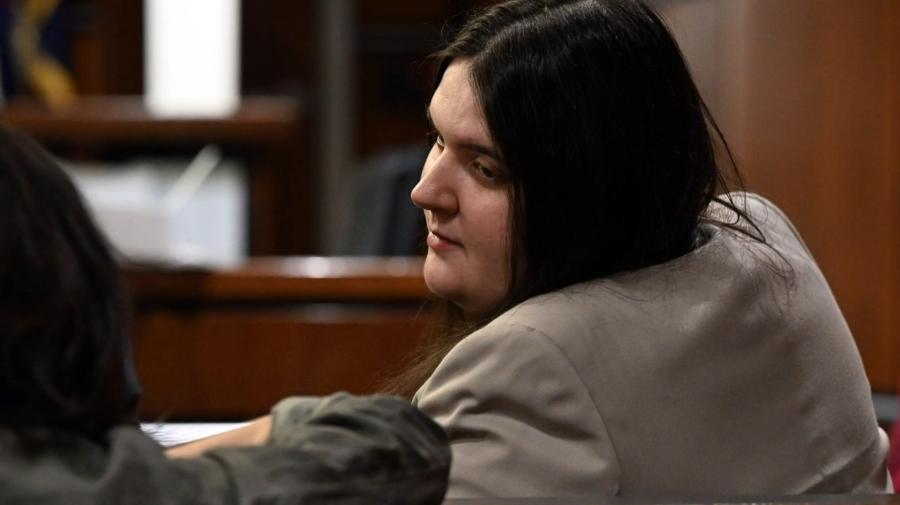
Around 10 p.m., the jury found the Ukraine-born Smilianska guilty of vehicular homicide, agreeing she acted recklessly and consciously disregarded others’ safety when she chose to drive while sleep-deprived around 12 p.m. on July 29, striking and killing White, a champion cyclist from Boulder practicing for a trip to Glasgow to participate in the World Mountain Bike Championships for the U.S. National Team, around 12:30 p.m.
While relieved with the conviction, the family of White said they are still looking for answers.
“We want to emphasize how different these past 20 months could have been had the investigation been handled differently at the start,” White’s mother, Jill White, told reporters outside of the courthouse.
Though witnesses testified during the trial that Smilianska swerved twice before the crash and acted strangely calm following the death, officers at the scene did not perform a field sobriety test on Smilianska or a blood test later.
Officers believed the suspect to be sober and initially suggested charges of careless driving resulting in death.
Michael called it a “systemic failure by those whose job it is to protect the public” and claimed the case says more about the system than it does about the crime.
Michael White said every driver should be drug and alcohol tested after a fatal accident, regardless of how they appear.
“She was never drug tested, but Magnus was,” Michael said.
Defense attorney Timur Kishinevsky said it was a case about “being tired” and not a case about whether or not Smilianska was drinking alcohol. During closing arguments, said the prosecution used a backdoor tactic to make the case about alcohol to illicit an emotional response from the jury.
The defense argued that Smilianska was not drunk at the time of the crash — just tired due to receiving only around five hours of sleep. If she was intoxicated, the six trained officers would have picked up on it, according to Kishinevsky.
“There were months and months of investigation before they made that conclusion,” Kishinevsky said of the initial investigation pressing careless driving charges. “The problem is that was simply not good enough for the prosecution. That finding did not satisfy them,” he said, adding the prosecution hired the one private investigator to side with them.
The prosecution had argued that Smilianska’s drinking and mixing alcohol with her two prescription bipolar disorder medications around 3 a.m. were critical in her recklessness.
“She didn’t just doze off. She passed out from the self-induced exhaustion from staying up all night drinking and getting little sleep,” Deputy District Attorney Trish Mittelstadt said during closing arguments Friday.
On Thursday, Colorado State Patrol Sgt. Robert Madden took the stand and discussed the case as a crash reconstruction expert who oversaw the investigation.
While Madden agreed that the Vehicular Crimes Unit was understaffed at the time, he stood by his initial report and said the department was still doing sufficient work.
When asked about the claims that the White family made about CSP’s handling of the investigation on Saturday morning, a spokesperson with CSP told The Denver Gazette, “We thank the 20th Judicial District for their partnership and commitment to this case. We are pleased to see the outcome of a guilty verdict for vehicular homicide. Our deepest sympathies continue as the White family grieves the loss of Magnus.”
“Magnus White would be alive today, but for the choices and actions of this defendant. Our office was honored to fight for justice for Magnus, his loved ones, and this community,” Dougherty said in a news release Saturday.
White knew he wanted to be a professional cyclist in the sixth grade, according to his mother Jill.
“He was a leader on the bike. He was a leader off the bike,” she said Friday night.
“This conviction is a small step forward,” she continued. “Whatever sentence this driver receives is not enough. This verdict acknowledges what we have known all along — Magnus’ death was not an accident; it was a crime.”
“Magnus had never broken a bone in his life, until she broke his pelvis, until she broke his collarbone, and until she shattered his skull,” Michael said.
Smilianska will be sentenced on June 13 at 10 a.m. She may receive between two and six years in prison, though prison time is not mandatory, something the White family said was “not justice.”