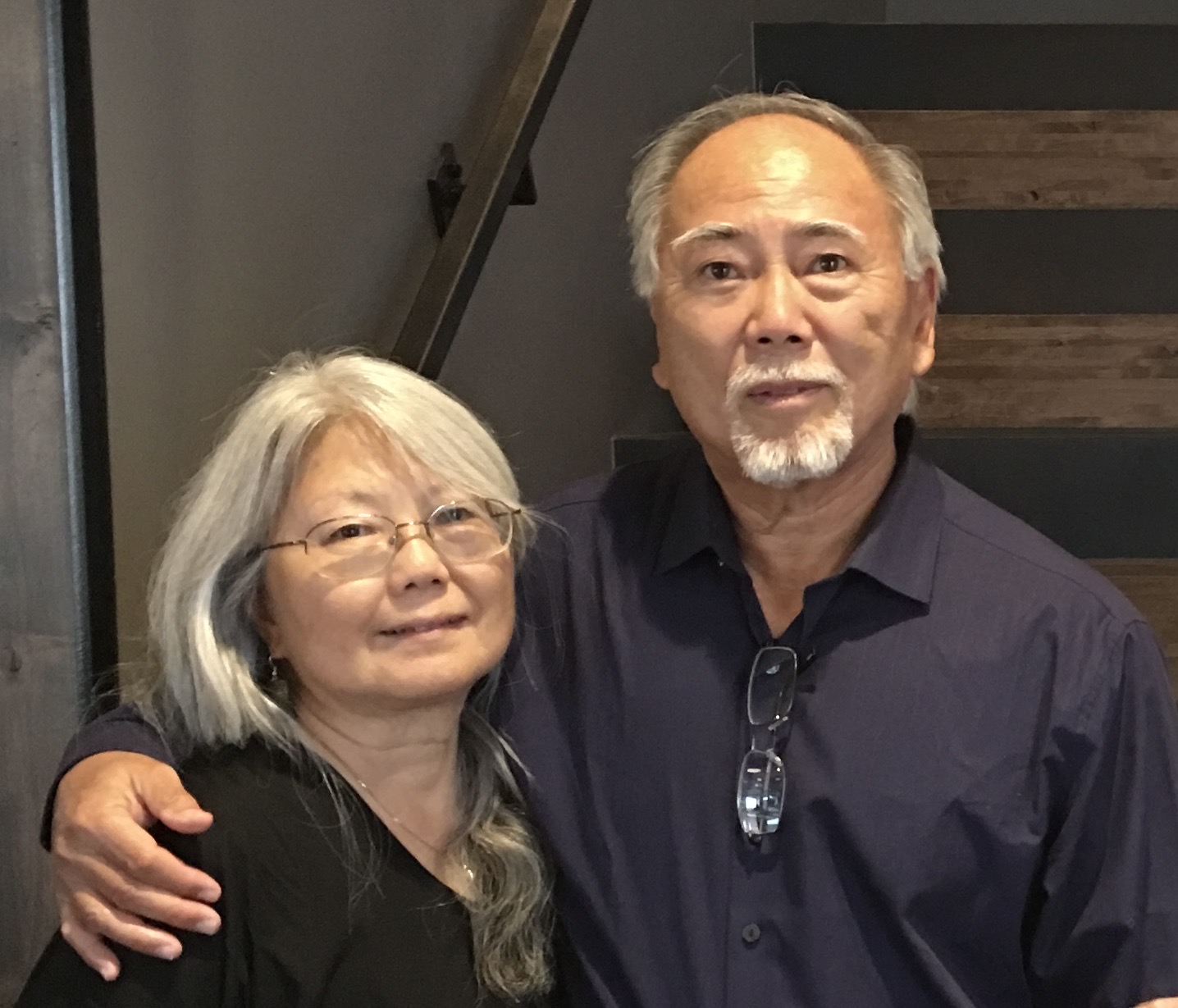
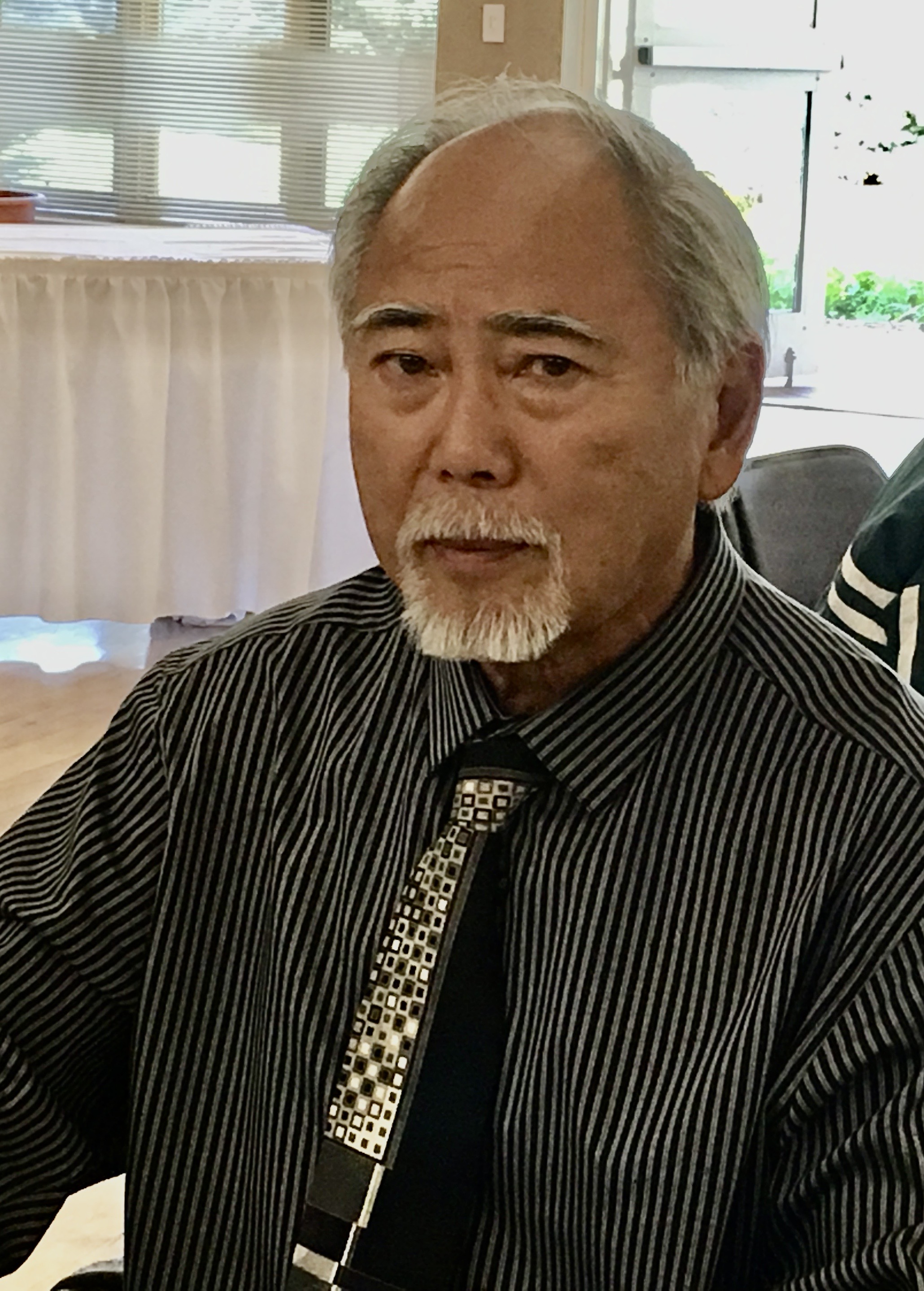
Groundbreaking CSU researcher and professor Doug Ishii dies
'He led a life that improved the lives of others,' said former CSU president.
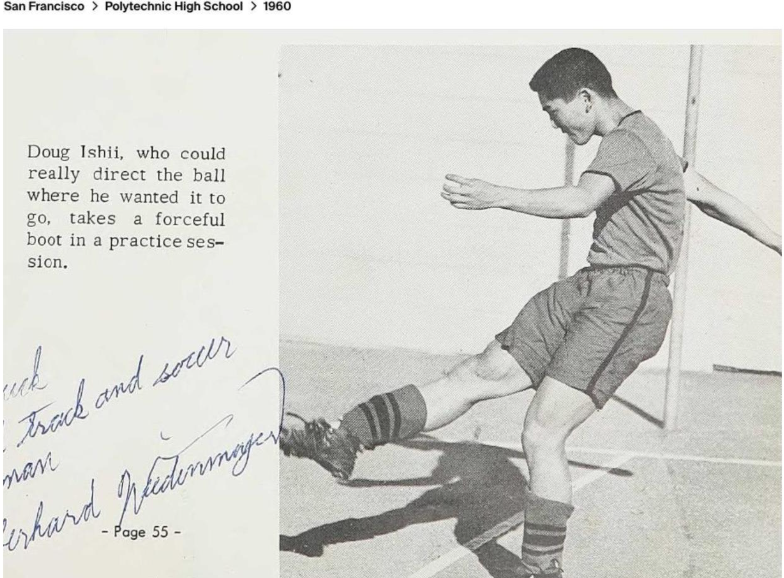
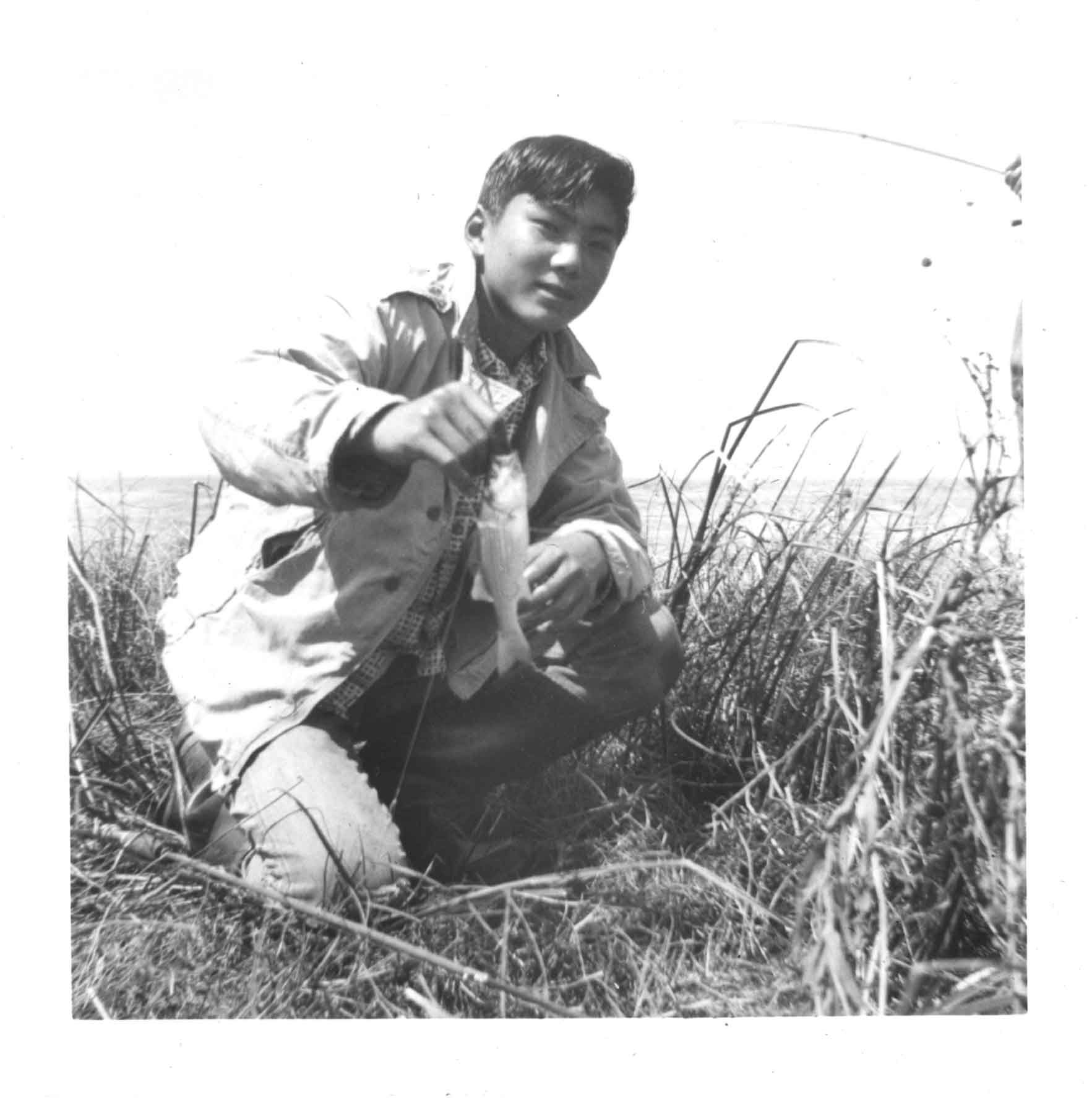
The photo caption in the 1960 San Francisco Polytechnic High School yearbook of Douglas Nobuo Ishii striking a soccer ball was as profound as it was prophetic. It would serve as an apt metaphor that Ishii applied throughout his life.
“Doug Ishii could really direct the ball where he wanted it to go,” it read.
The longtime Colorado State University professor and researcher, survivor of an American wartime internment camp, holder of more than 20 patents in groundbreaking neuroscience research, Ishii died on April 13. He was 83.
Ishii directed the ball with purpose, precision and grace throughout his life — be it on the streets of San Francisco’s rugged Hunter’s Point neighborhood, where he grew up, or at University of California Berkeley, where he excelled academically as an undergrad.
The path of his ball continued with prominence at Stanford, where he received his Ph.D., to scientific breakthroughs in regeneration of the nervous system that received national and international acclaim during a remarkable 40-year tenure at CSU.
Ishii died of complications from an infection, surrounded by his wife, Deborah “Bo” Dimon, and family at OHSU Hospital in Portland, Ore.
After living in Fort Collins for nearly 40 years, he moved to Woodland, Wash., where he has resided for the past four years.
He is remembered fondly by his family, friends, academic and professional colleagues, as well as former students fortunate enough to get a behind-the-scenes, front-row view of a research pioneer.
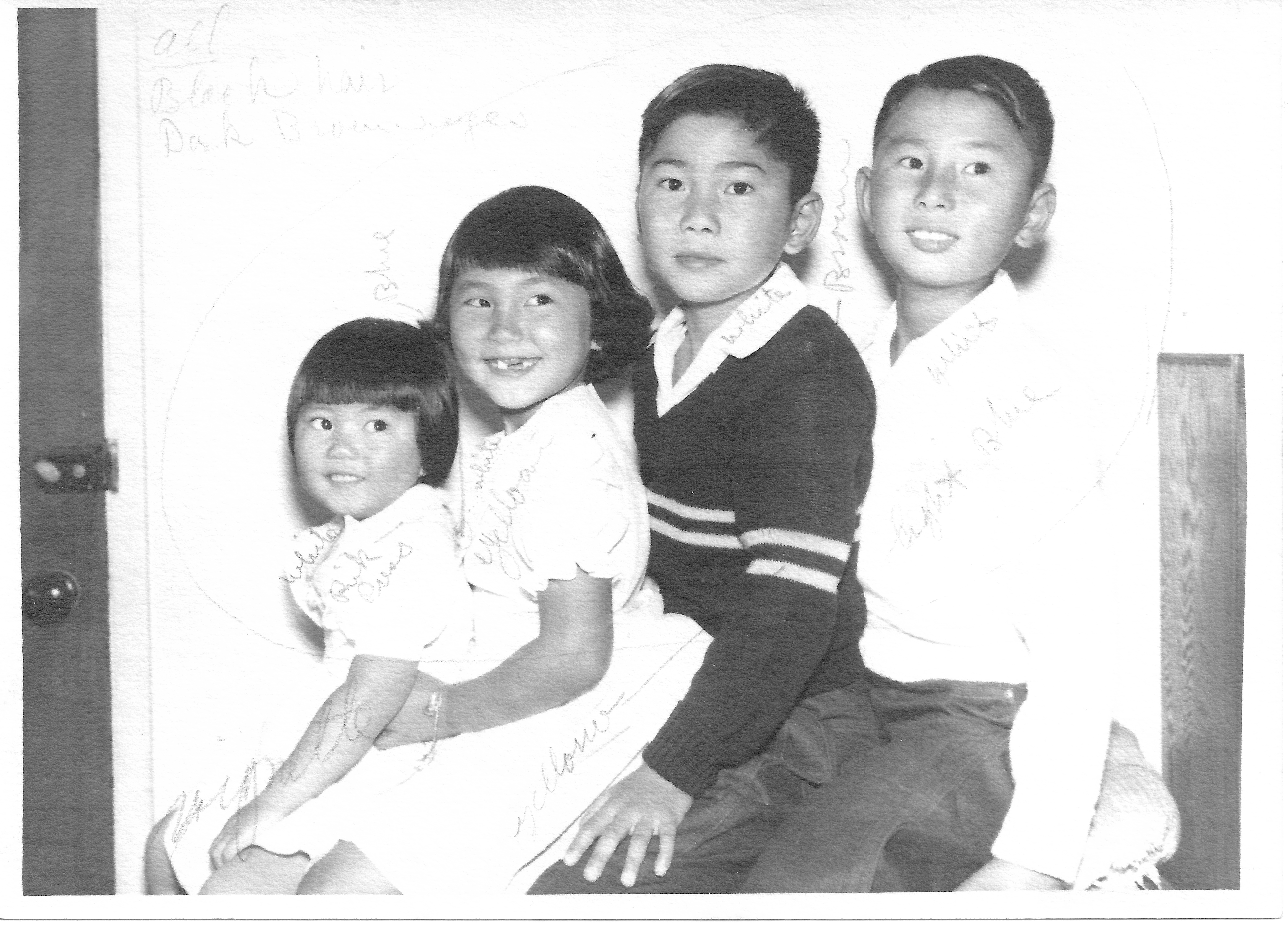
His younger sisters Rosemary Mutsuye MacConnell and Willitte Hisami Herman described him as thoughtful, compassionate, philosophical and poetic, with an appreciation for all of the arts.
They added that he had an unwavering sense of honor, justice, civil rights and a commitment toward humanitarian and scientific needs. That commitment was reflected by the 20 patents that were awarded to him from North American, South America, Asia, Australia and Europe, and in his work documented in numerous academic journals and spotlighted by national and international media outlets, such as NPR, the New York Times, Los Angeles Times and Hong Kong Standard.
Challenges of daily life
To get to know and understand Doug Ishii, one must look beyond the white lab coat and start from the very beginning.
He was born in 1942 in a stable at Santa Anita Park in Arcadia, Calif., which served as an internment camp for Japanese Americans during World War II.
During the first four years of his life, Ishii grew up in what could only be described as a tumultuous and traumatizing environment — first at the Santa Anita Assembly Center, better known today as the Santa Anita Racetrack.
His family was then transferred to the Topaz Internment Camp in Utah before returning to California at the Tule Lake Segregation Center. He and his family were released from imprisonment in 1946 and placed in government housing in Hunter’s Point in San Francisco, which was better — but not by much — than the camps.
Growing up in Hunter’s Point forced Doug and his older brother Daniel to “adapt in order to survive,” Herman said.
Racism against Japanese Americans was all too real during that time. The two brothers endured some neighborhood beatings before their mother, Fusaye, had the wherewithal to enroll them in judo.
Doug and his brother quickly turned the tables and added toughness, evolving from being victims of senseless attacks to being respected and, at times, feared in the neighborhood.
“I remember my sister and I were in line to go see a movie one night, and a few boys tried to cut in front of us,” MacConnell said. “One of the boys figured out who we were and told the other boys: ‘Man, don’t fool with them. They are Ishii’s sisters.’”
In addition to learning how to successfully adapt, Doug Ishii developed a passion for learning that manifested itself into a voracious appetite for reading any and every book he could get his hands on by checking out the maximum number of books — seven — that his Bayview branch of the San Francisco Library would allow him to borrow every two weeks.
“He explored the world through books because he wasn’t able to do so where he lived,” Herman said.
His passion for exploring and love of learning served him well and eventually led him to San Francisco’s then-acclaimed Polytechnic High School. It was an out-of-neighborhood high school that required him to take lengthy bus rides to attend, but he committed to it as a young teenager because he had the fortitude to enroll, selling his family on the fact that “it had a diverse and talented student body.”
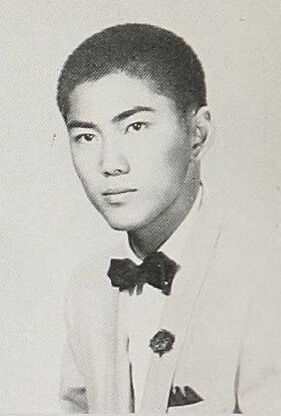
Ishii thrived at Polytechnic, excelling academically and athletically on the soccer and track teams. He was in band and debate, and in Japanese and Russian foreign language classes. He even became president of the California Scholarship Federation, whose mission was to recognize and encourage academic achievement and community service among students. It was there that he really began to “direct the ball” without impediment.
Imposing his will
Ishii then attended Cal Berkeley, where he began with aspirations of being a writer, philosopher and linguist — and graduated with a degree in biochemistry.
He switched to science and biochemistry at Cal Berkeley largely because his father developed a mental disorder due to the family’s living situation during World War II, his sister MacConnell said.
It was during his time at Berkeley that Ishii began to impose his will.
A 2006 profile on him in Westword noted that he married at 19 and had to work the midnight-to-8 a.m. shift at a chemical plant to support his young family, all while going to class in the mornings and afternoons at Berkeley.
It took Ishii seven years to earn his degree because he withdrew from school several times to support his three kids. But he would always return once he saved up enough money, eventually earning his bachelor’s degree in biochemistry, while somehow continuing to relentlessly “direct the ball” through the constant and difficult landmines of academia, family life and work responsibilities.
One of MacConnell fondest memories of her older brother was when he would frequently send her handwritten letters while she was away, homesick at summer camp as an 8-year-old. Then 10, Doug penned elaborate letters, complete with a plotline and always signed, “The Phantom.”
“I still have one of them,” MacConnell. “It was a wonderful reminder as to how much he cared about his family.”
Ishii found himself at a crossroads shortly after graduating from Berkeley. The Vietnam War was in full swing and the country was divided, with Berkeley being an epicenter for the protests and social activism that were common at the time.
While working for the U.S. Forest Service, government officials asked Ishii to sign and fingerprint a loyalty oath, a request that conjured memories of what he and other Japanese Americans experienced during World War II.
Rather than provide a fingerprint and signature, Ishii offered a toeprint and, in true California spirit, was signed “Hang Ten.”
Ishii then took a calculated gamble by applying to only one school — Stanford — for a doctoral program, where he hoped to lead his own research.
Had Stanford not accepted him, Ishii was poised to embark on a new career path. But Ishii’s “calculated gamble” paid off. He went on to earn his PhD in pharmacology at Stanford Medical School and conducted postdoctoral work in neurobiology at Stanford.
After his first marriage ended, Ishii moved to New York City and took a job at Columbia University as an associate professor of pharmacology, where he worked from 1976-85, setting the stage for his arrival in Colorado with his second wife, Wendy, whom he met in New York.
Donning the white lab coat
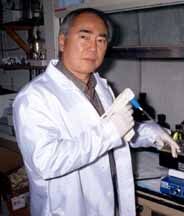
When Ishii arrived in Fort Collins in 1985 for his job interview as an associate professor of physiology at CSU, he had already distanced himself from the competition.
“In terms of research, he blew every candidate away,” said Terry Nett, who was on the hiring committee and would go on to become associate dean of research for the College of Veterinary Medicine & Biomedical Sciences. “It wasn’t even close. We were very fortunate to be able to snag him.”
Columbia’s loss was CSU’s gain.
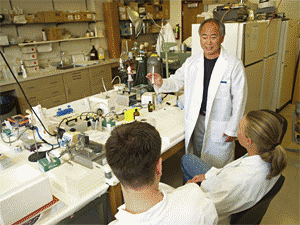
Ishii began his illustrious tenure at CSU investigating what roles insulin-like growth factors, or IGFs, might play in diseases. He chose to focus on diabetes because his older brother, Daniel, is a diabetic.
Through experiments with rats, he was able to find out that “injecting the animals with IGF injections prevented nerve damage,” Herman said.
Ishii applied for a patent in 1988 to treat diabetic neuropathy with injections and would continue to vigorously work on his theory, which he published in 1995.
The patent — which Doug would need in order to take the next steps toward developing an actual drug and testing it in humans — took another 10 years to be approved.
That groundbreaking research found that insulin-like growth factors I & II hormones could dramatically reduce pain and lead to support and regeneration of the nerves.
“This breakthrough was equivalent to finding a key to the universe in the world of medicine, and was published not only coast to coast, but the news went around the international world of scientists,” Herman said.
Ishii was awarded 20 patents in five continents on treatment methods for diabetic retinopathy with insulin-like growth factors on the central nervous system.
He was named Researcher of the Year by Colorado State University in 2001 for his work on the regeneration of the nervous system, and a recipient of the National Research Career Development Award by the NIH, along with other accolades.
Ishii was equally effective in the classroom, though not at first.
“He got his first set of student reviews back, and they weren’t great,” Nett recalled. “But he said he was going to do better, and he did. He became one of the top teachers in the department.”
One of his former students, T.K. Pope, vividly recalls Ishii’s advice after Pope learned he wouldn’t need his pharmacology class for his post-graduate path.
“I skipped an exam in his class, and he told me to absolutely finish out the course,” said Pope, a biologist and founder of Regenerative Cell Specialists in Fort Collins. “He took a personal interest in me and let me take the exam the next day. I just really liked his style. He was laid-back and knew his (stuff) backward and forward. I never hear a bad word about Doug Ishii from anyone. He just had a different vibe — quiet, yet confident.”
While at CSU, Ishii also founded and directed Aurogen Inc., a biotechnology company focused on developing new pharmaceutical treatments for unmet medical needs in neurodegenerative diseases: Alzheimer’s disease (initial focus), Parkinson’s disease, multiple sclerosis and diabetic neuropathy.
His contributions to CSU, science and the Fort Collins community drew praise from Tony Frank, chancellor of the Colorado State University System since 2015.
“I had the privilege to work with Doug for many years when we were both in the College of Veterinary Medicine and Biomedical Sciences at CSU, and later in my role as vice president for research,” Frank, who served as CSU president for 11 years, said in a statement. “He was a great researcher and a wonderful human being.
“Spending the first five years of his life in a Japanese internment camp never dampened his passion for his fellow man, which may have helped him to dig deep into complex questions.
“His research into Insulin-Like Growth Factor broke new ground in our understanding of nerve development and regeneration. And it grew from an underlying wellspring of curiosity and creativity that also carried his interests beyond the sciences and led him to become a significant supporter of arts and culture in Northern Colorado. He led a life that improved the lives of others and which leaves behind an exceptional legacy of creativity and achievement.”
Theatrical side of life
From inside the Bas Bleu Theatre in Fort Collins, where she is the artistic director, Wendy Ishii vividly remembers meeting Doug at precisely 3 p.m. on Dec. 20, 1980 at a craft show in New York City.
That first conversation would last exactly 53 minutes.
“I remember the time because there was one of those big, round clocks over him on the wall,” Wendy said. “He talked about (American marine biologist and writer) Rachel Carson and neurite growth. I had no idea what that was, but it was amazing. I just thought, ‘I want to know this person.’”
Wendy got to know Doug well; they had a marriage that spanned 35 years, during which he was central in her founding of the well-established Bas Bleu Theatre. Though they divorced, they remained close friends and an important part of one another’s lives.
“I always considered him to be a scientist with the soul of a poet,” Wendy said. “I think what I loved so much about him was that he was so creative on the inside and so, so curious. He was a humanitarian above everything else.”
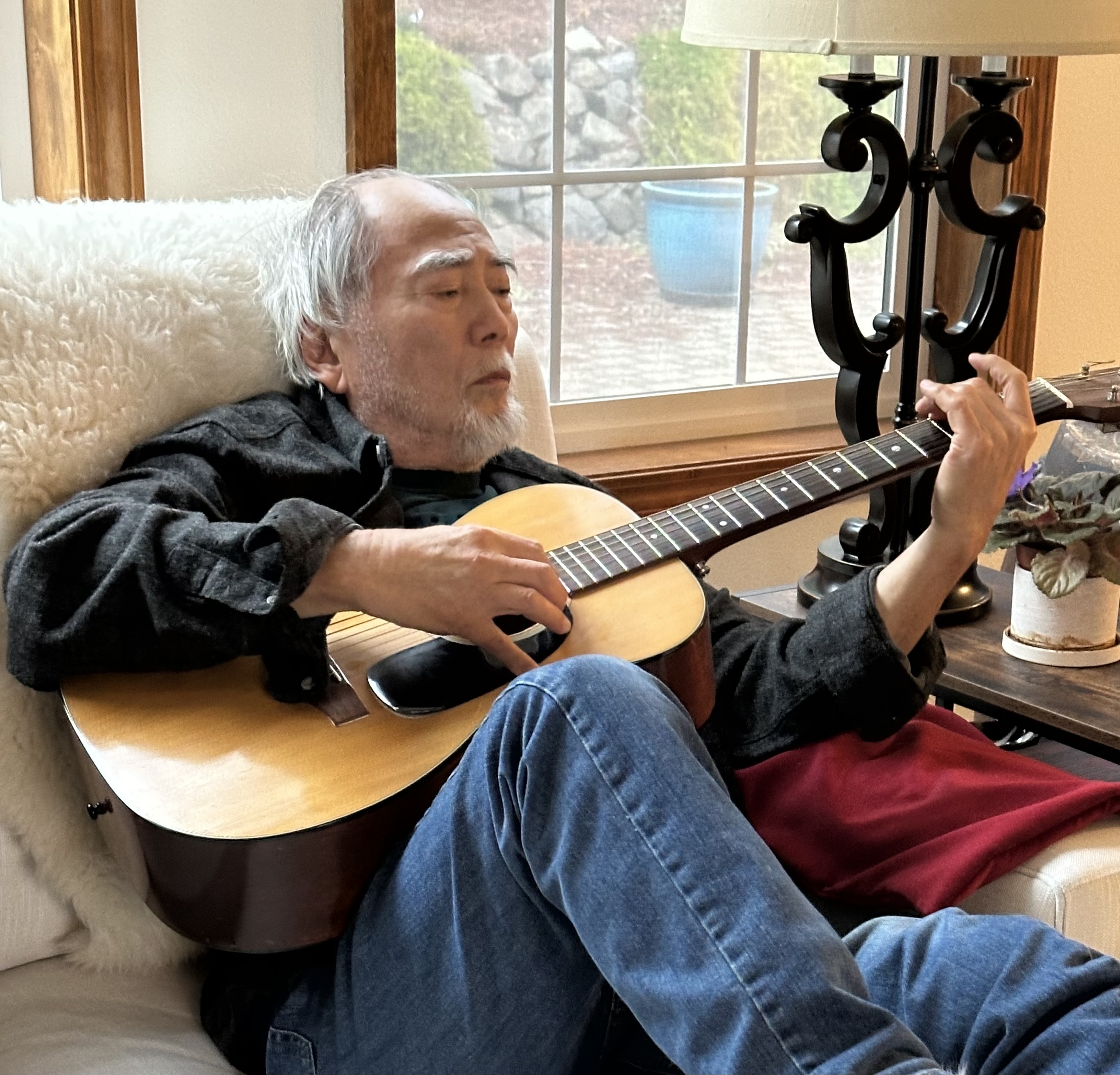
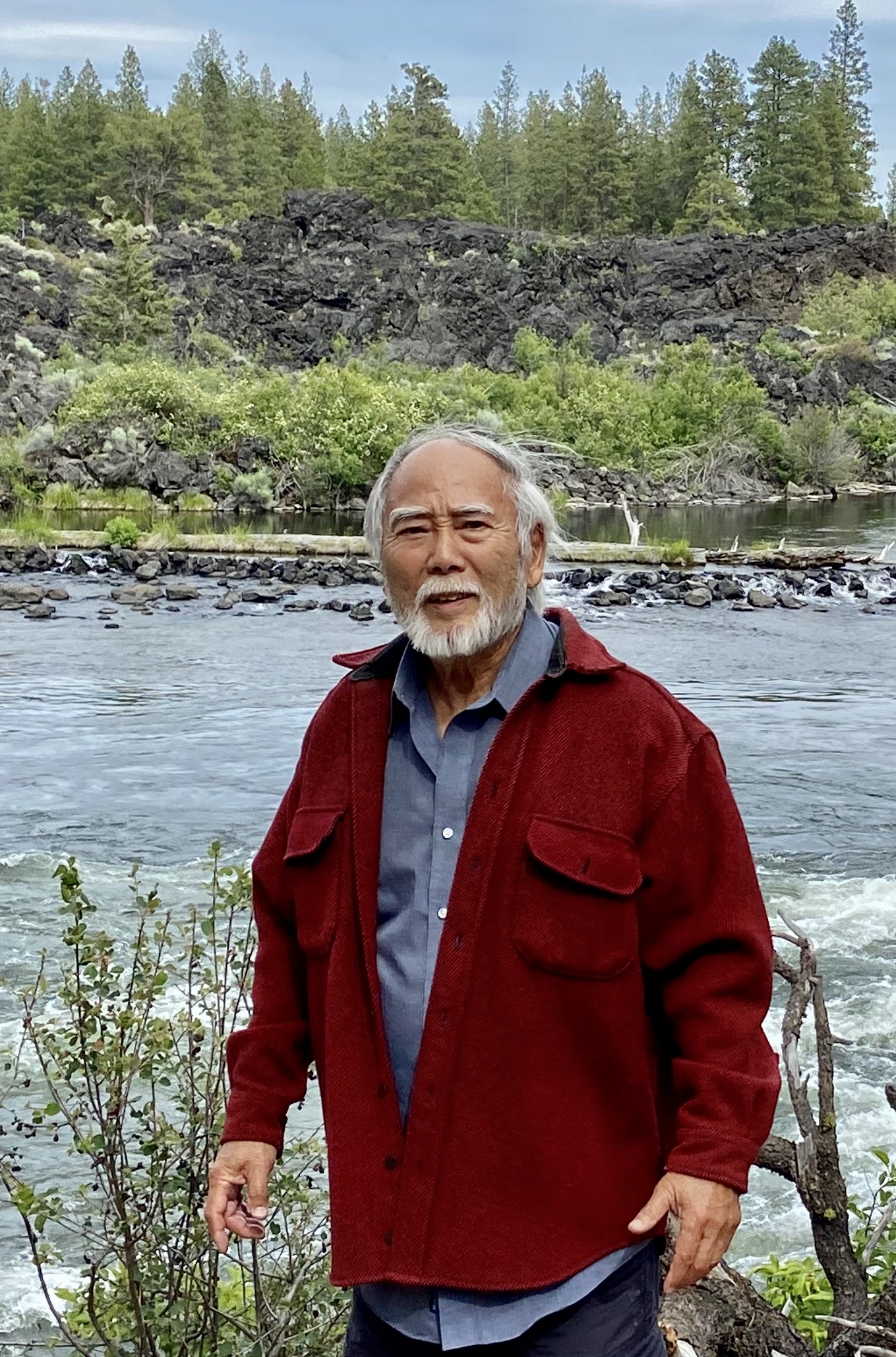
Doug would remarry and spend the next seven years with Deborah “Bo” Dimon. The two spent part of their marriage in Fort Collins before relocating to Woodland, Wash., where they lived for the past four years. That enabled him to fully enjoy his love for the outdoors after retiring, surely reflecting on some of the moments he had surf fishing with his father growing up at Ocean Beach.
Dimon said there was a lot to like about Doug.
“He was so strong to the very core. He continually showed strength,” Dimon said. “Even though he had a tough entry into the world, there was no bitterness or anger. He just embraced everything in the world and showed everyone goodwill and kindness. He had a very quiet yet powerful presence.”
Doug Ishii was the son of the late Fusaye and William Takeo Ishii. He was married to the late Alma L. Howard and to Wendy Anne (Nute) Ishii of Laporte. He is survived by his third wife, Deborah (Bo) Dimon; siblings Daniel Ikuo (Susan Hansen) Ishii and Rosemary Mutsuye (Rob) MacConnell, both of California; and Willitte Hisami (Michael) Herman of Oregon. He is survived by sons Jordon Tsuyoshi Ishii (Holli Hoffdahl) of Loveland; Gregory Masao Ishii (the late Michelle Brown); and Aaron Takeo Ishii (Freedom Berry) of San Antonio; and many grandchildren, great-grandchildren, nieces and nephews.
“He did so much,” Herman said. “He was a multifaceted and talented individual. His story sounds like a story that’s a fairy tale, but it’s true.”