







Fight over Denver’s flavored tobacco ban heats up
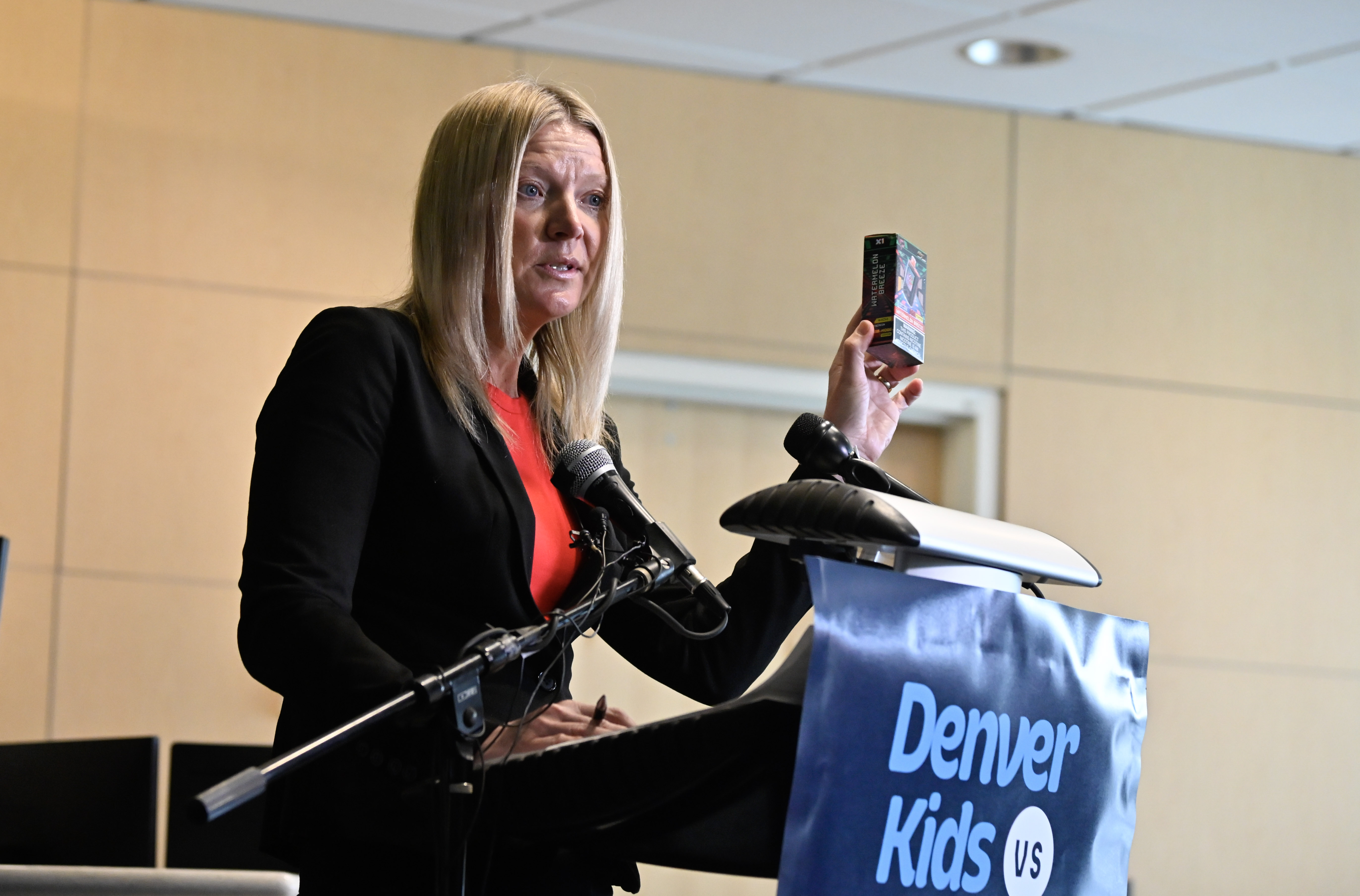
Denver’s ban on flavored tobacco products is set for a showdown this fall as Children’s Hospital Colorado and a coalition of health advocates have launched a campaign urging voters to uphold the city ordinance passed last year.
Launched at a news conference Thursday at the Children’s Colorado Outpatient Care Center, “Denver Kids vs Big Tobacco” is a campaign in response to an initiative placed on the November ballot by local vape store owners to reverse the ordinance that bans the sale of flavored tobacco products.
The ballot will ask voters this fall if the city should retain or repeal the ban.
“This will be a battle worth fighting,” District 9 Councilmember Darrell Watson said. “We stood with kids, we stood with families throughout Denver, and we’ve asked them to stand in solidarity and vote yes in November.”
The law, which makes it illegal for any retail tobacco store to “sell, offer for sale, give, barter, deliver or furnish any flavored tobacco product or samples of such products,” went into effect on March 18. Still, according to the city’s health department, it is not expected to be fully enforced until 2026.
Supporters of the city’s ban argue that flavored tobacco products are particularly attractive to youth due to their colorful packaging and candy-like flavors and serve as a gateway to further substance abuse.
Opponents of the ban say it punishes legitimate retailers who follow the law and restrict sales to those 21 years or older.
“According to the Healthier Kids Colorado survey, 86% of Denver teens report they were not refused due to age when trying to buy a tobacco product,” said Eric Heydorn, director of government relations for the American Heart Association.
The city estimates the economic impact of flavored tobacco products in Colorado amounts to $2.2 billion in annual healthcare costs, $4.4 billion in smoking-caused productivity losses and $415 million in estimated Medicaid costs — a $772-per-household tax burden.
“Let’s be clear what we’re up against,” Campaign for Tobacco Free Kids Regional Director Jodi Radke said. “The tobacco industry is targeting Denver’s kids by putting kid-friendly flavors into trendy devices like e-cigarettes and nicotine pouches.”
Phil Guerin, who serves as president of the Rocky Mountain Smoke-Free Alliance Board of Directors and owns Myxed Up vape stores, said the ban will cost many family-owned businesses their livelihoods and the city more than $13 million in annual tax revenue.
“Unfortunately, they are categorizing us (vape stores) as big tobacco,” Guerin told The Denver Gazette. “We are not big tobacco, and this ban does absolutely nothing to keep kids safe — all it does is target small businesses and cut into city tax revenue.”
This is not the first time Denver has waged a battle over flavored tobacco products.
The City Council passed a measure in 2021 but then-Denver Mayor Michael Hancock vetoed it.

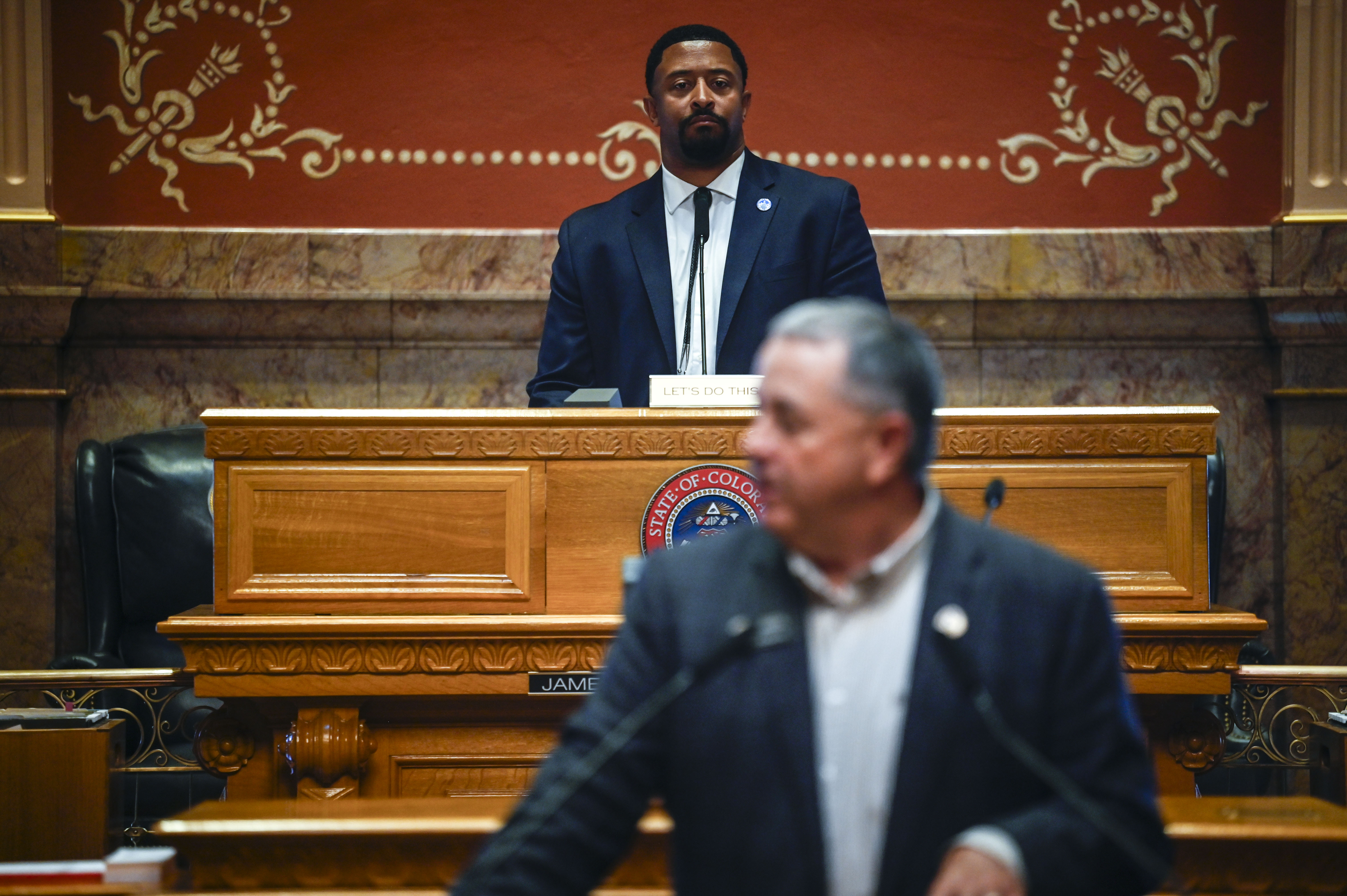
Special Session Day 1 recap: A high-profile resignation, heated debates and fast-tracked bills
Marianne Goodland
marianne.goodland@coloradopolitics.com
Updated 7 months ago
Day 1 recap The Colorado General Assembly started Thursday with 33 bills and two concurrent resolutions that would go to voters. The first day ended with just 13 bills left, five in the Senate and eight in the House. The...

Marianne Goodland
Reporter
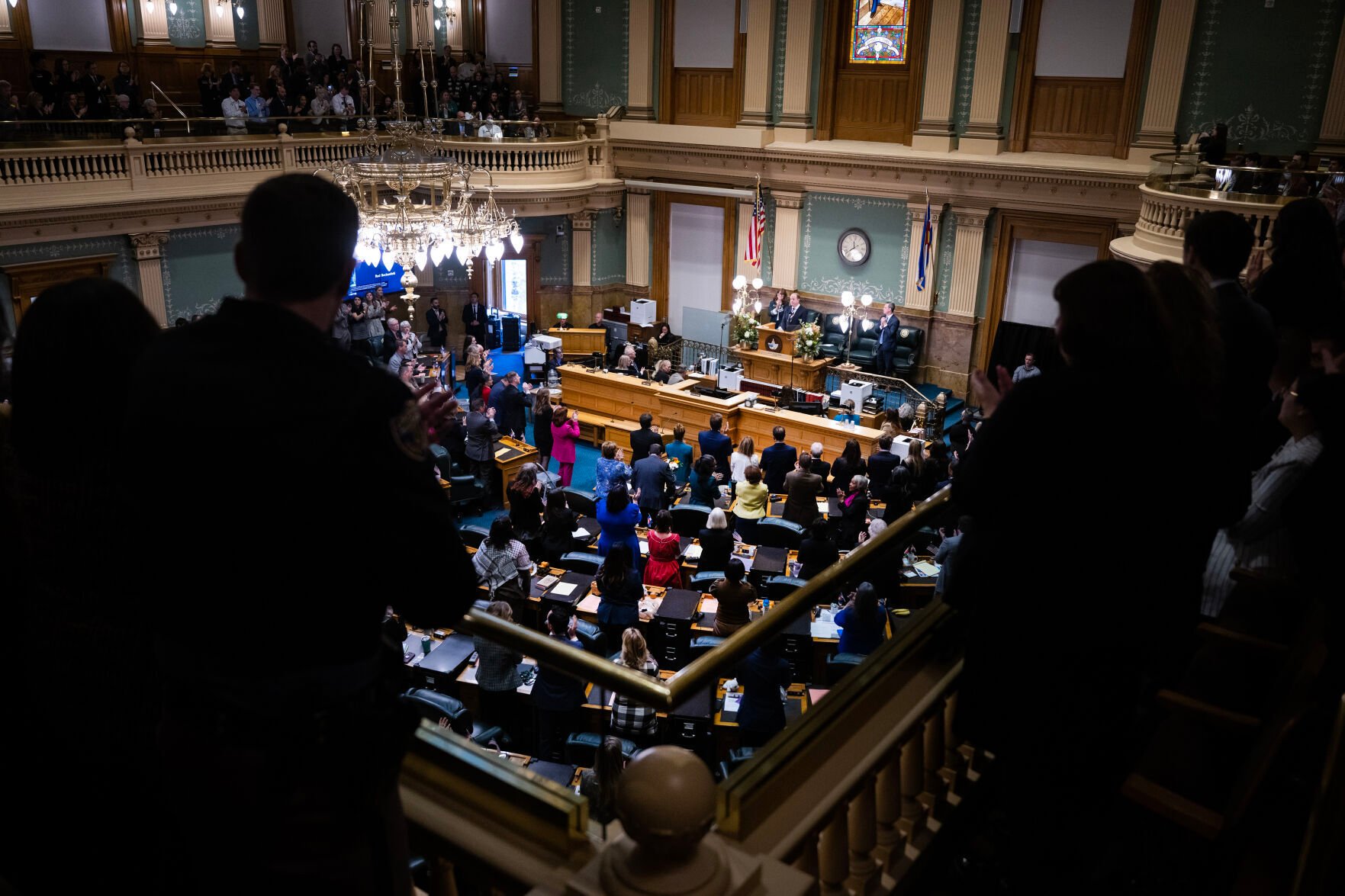
What you need to know about Colorado’s hiring freeze, upcoming special session
Marianne Goodland
marianne.goodland@coloradopolitics.com
Updated 7 months ago
The Polis administration is imposing a hiring freeze, part of the efforts to address a $1 billion deficit that the Colorado state government is facing. Here’s what we know so far. When is the hiring freeze? The hiring freeze starts...
Marianne Goodland
Reporter
Instagram Post: Do Better Denver
The Denver Gazette
the-denver-gazette@denvergazette.com
Updated 7 months ago
View this post on Instagram A post shared by Do Better Denver (@dobetterdnvr)

The Denver Gazette
Reporter

Rural Reckoning | Polis, lawmakers say housing, health policies benefit rural Colorado
Marissa Ventrelli
marissa.ventrelli@coloradopolitics.com
Updated 7 months ago
Amid the tension between rural and urban leaders at the state Capitol, the governor and lawmakers have tackled housing, healthcare, food security and mental health access across Colorado’s rural communities, advocates from both sides of that divide said. They pointed...

Marissa Ventrelli
Reporter

DNP ~ It’s official! Broncos will build new stadium at Burnham Yard
Deborah Grigsby
deborah.smith@denvergazette.com
Updated 8 months ago
The Denver Broncos will stay in Denver, building their new stadium at Burnham Yards, Denver Mayor Mike Johnston announced during his 2025 State of the City Address on Monday, ending speculation around a move to Lone Tree or Aurora. [quote...
Deborah Grigsby
Reporter

News Nuggets: Denver City Council will not meet July 7
Deborah Grigsby
deborah.smith@denvergazette.com
Updated 7 months ago
No city council meeting this week Denver City Council will not meet on Monday, July 7, but regular city council committee meetings will resume. In accordance with the Denver City Charter, City Council Committee meetings are canceled during the week...
Deborah Grigsby
Reporter

DO NOT POST Rural Colorado mulls what Medicaid cuts could mean for mental health
By TRICIA STORTZ Special to The Denver Gazette
by-tricia-stortz-special-to-the-denver-gazette@import.placeholder
Updated 7 months ago
Already strained in rural Colorado, mental health clinics often serve clients facing complex challenges like depression, addiction, and trauma, all while operating with limited staff and tight budgets. For many, Medicaid is the only means of accessing care. Now, advocates...

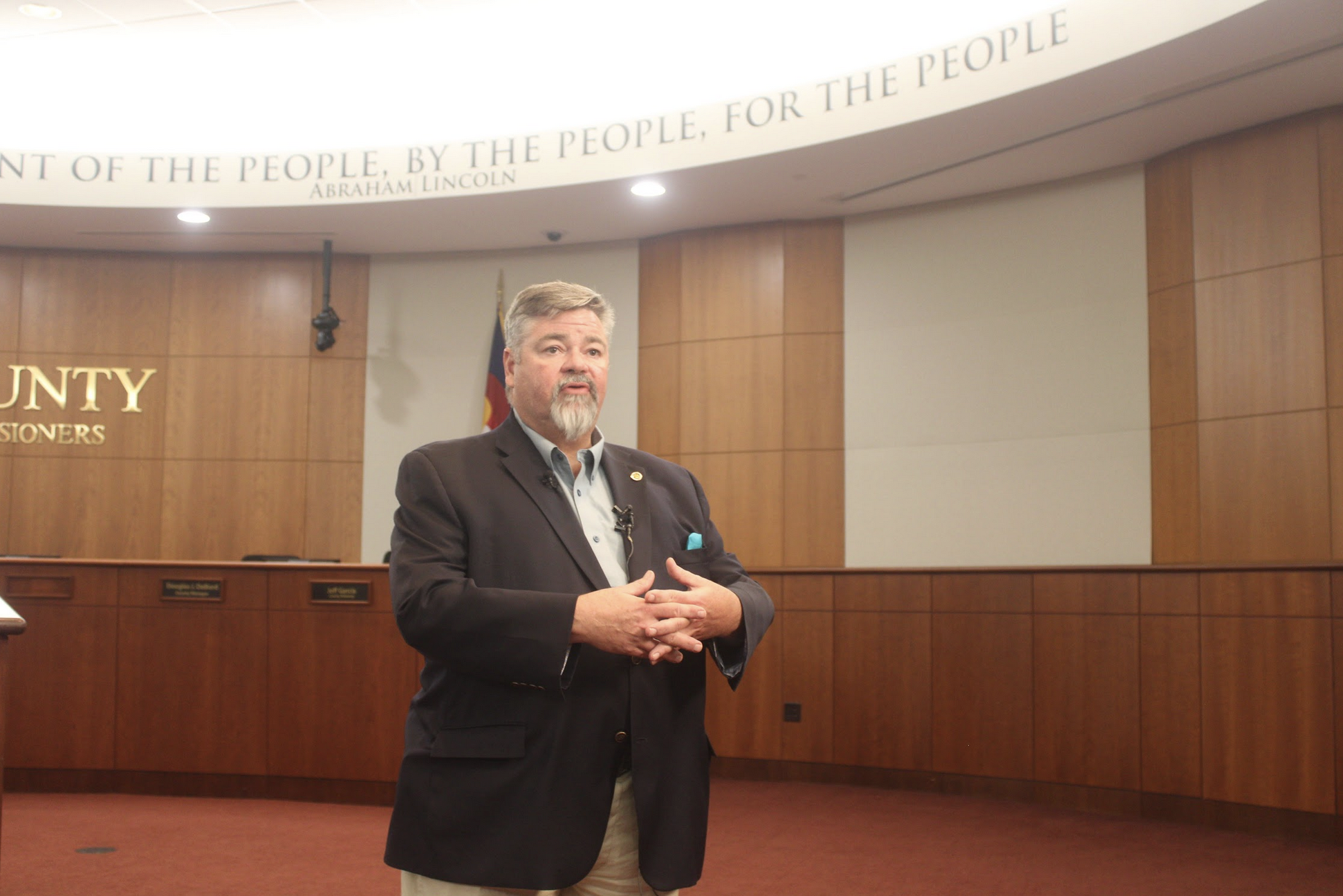
DO NOT POST, NEEDS MORE REPORTING What’s next after defeat of ‘home rule’ in Douglas County?
Noah Festenstein
noah.festenstein@denvergazette.com
Updated 9 months ago
County officials express interest in reintroducing the home rule vote in the future.

Noah Festenstein
Reporter

Local Government Information Services system taken offline Friday to resolve online threat
greta-kerkhoff
greta.kerkhoff@denvergazette.com
Updated 9 months ago
Colorado’s Local Government Information Services system was taken offline Friday morning to resolve a server issue related to online threat activity. A spokesperson for Colorado Governors Office of Information Technology confirmed that the office had “detected high levels of traffic,...

greta-kerkhoff
Reporter

Decarbonization report: Zero-carbon power goal achievable — for a price
Scott Weiser
scott.weiser@gazette.com
Updated 7 months ago
Trying to eliminate the last few percent of carbon emissions costs billions

Scott Weiser
Reporter
PREV
PREVIOUS

Movie rundown for the weekend through May 4: 'Thunderbolts*' opens
OPENING “Bonjour Tristesse” — (Drama, R, 110 minutes). During a relaxing summer with her father and new boyfriend, 18-year-old Cécile’s world is turned upside down when her late mother’s mysterious friend shows up. “HIT: The Third Case” — (Action, not rated, 150 minutes). A HIT officer from Visakhapatnam, India, named Arjun Sarkaar has his skills and […]
Tulsi Gabbard will ‘never rule out’ 2028 presidential run
Director of National Intelligence Tulsi Gabbard expressed her eagerness for “any opportunity to serve my country” when asked about her political future. Gabbard ran for president in 2020 as a Democratic candidate but is now serving in a Republican administration. When she was in the House, Gabbard was a Democratic representative, but left the party, citing extreme “wokeness.” “As I’ve listened to […]