








Year-round gardening: With most of the work done, sit back and enjoy the fruits of your labor
Fredricka Bogardus, Colorado Master Gardener
“America the Beautiful” were the words penned by poet Katharine Lee Bates on July 22, 1893. Bates taught English at Wellesley College and loved to travel. Her home was filled with souvenirs from faraway lands. But her most important travels came in the U.S.
Bates took a train from Boston to Colorado in 1893 to lecture during the summer session at Colorado College. While in Colorado Springs, she hiked and rode a prairie wagon to the top of Pikes Peak. When sitting atop the summit, she was so inspired by what she saw she wrote a poem: “America the Beautiful.” It was first published two years later on the 4th of July.
Our spring chores are finally done; it’s time to reap the benefits. Here are a few things to consider in July.
• Horticultural assessment and pest mitigation: Regularly inspect plants for signs of pest infestation or disease manifestation, such as leaf abnormalities, stunted growth, or malformed produce. Early detection is crucial for effective intervention. Colorado State University Extension offers valuable resources for insect identification and management strategies. When utilizing pesticides, meticulously adhere to label instructions.
• Iris division: Iris rhizomes multiply and become crowded; this can lead to reduced flowering and increased susceptibility to diseases like iris borer and soft rot. When the iris no longer flowers, it’s a sign that the plant needs division. Dig up the entire iris clump. Gently pull apart or cut the rhizomes (the fleshy underground stems). Each division should have at least one fan of leaves and healthy roots. Inspect the rhizomes and discard any damaged or diseased parts. Cut the leaves back to about 6 inches to reduce water loss while the plant is reestablishing its roots. Replant the healthy divisions in a sunny location with well-drained soil. Plant the rhizomes shallowly, with the top exposed to the sun or just barely covered with soil. Water thoroughly after planting. Note: Bearded irises typically bloom sparsely the spring after dividing, but should be in full bloom by the second year.
• Pruning for structural integrity: Pruning evergreens up to (approximately) July 15 is advisable to minimize the risk of frost damage to tender new growth. Although deciduous trees and shrubs are optimally pruned during dormancy, removing any damaged or diseased branches is recommended in July.
• Harvest maximization: July signals the onset of harvesting for numerous vegetable, fruit and herb varieties. Gathering ripened produce promotes continued productivity and prevents nutrient depletion. Consider preserving excess bounty through methods such as dehydration, fermentation, freezing or canning to extend your harvest throughout the year.
Following the inspiration of Bates, look west to the section of the Rockies we call our own, recognizing America the beautiful in Colorado’s purple mountain majesties above the fruited plain!
Submit gardening questions to csumg2@elpasoco.com or call 719-520-7684. The in-person help desk is open 9 a.m.-noon and 1-4 p.m. Mondays, Wednesdays and Thursdays. Visit elpaso.extension.colostate.edu and register for upcoming classes at epcextension.eventbrite.com.
Submit gardening questions to csumg2@elpasoco.com or call 719-520-7684. The in-person help desk is open 9 a.m.-noon and 1-4 p.m. Mondays, Wednesdays and Thursdays. Visit elpaso.extension.colostate.edu and register for upcoming classes at epcextension.eventbrite.com.


Diamonds are forever: Buntport commits to next 25 years of stage fun
John Moore
john.moore@denvergazette.com
Updated 7 hours ago
2025 COLORADO THEATER PERSON(S) OF THE YEAR Colorado College pals made a bold move in 2025 to buy the Denver warehouse that has been its home for quirky, smart theater since 2001 Here’s the thing about the Buntport Theater collective:...

John Moore
Reporter

The longest race: How Major Taylor pushed against prejudice to become a cycling champion
The Foundation for a Better Life
the-foundation-for-a-better-life@denvergazette.com
Updated 2 days ago
Marshall “Major” Taylor was the son of a Black Civil War veteran who fought for the emancipation of enslaved people. As a young boy, he was befriended by the son of his father’s employer and the two spent time reading...

The Foundation for a Better Life
Reporter

Attention must be paid to these Colorado theater stories of 2025
John Moore
john.moore@denvergazette.com
Updated 1 day ago
2025 DENVER GAZETTE TRUE WEST AWARDS: DAY 30 David Nehls created and debuted two original musicals in 2025; that and other stories from the year in Colorado theater Christmas in Golden is starting to look a lot like Christmas with...
John Moore
Reporter

Beyoncé becomes a billionaire, 5th artist to reach milestone
Wire Services
wire-services@denvergazette.com
Updated 2 days ago
New York Daily News NEW YORK — She’s putting the ‘B’ in billion. Beyoncé is now a billionaire, making her the fifth musician to reach the nine-digit mark, according to Forbes. The 44-year-old superstar joined her husband, Jay-Z, along with...

Wire Services
Reporter

New year for adventure: 10 ways to further appreciate Colorado’s top destinations
Seth Boster
seth-boster@denvergazette.com
Updated 3 hours ago
In 2026, what better way to celebrate Colorado’s 150th birthday than by celebrating its most famous natural treasures? That’s what came to mind when thinking about our bucket list for adventure in the new year. Of course, for those of...

Seth Boster
Reporter
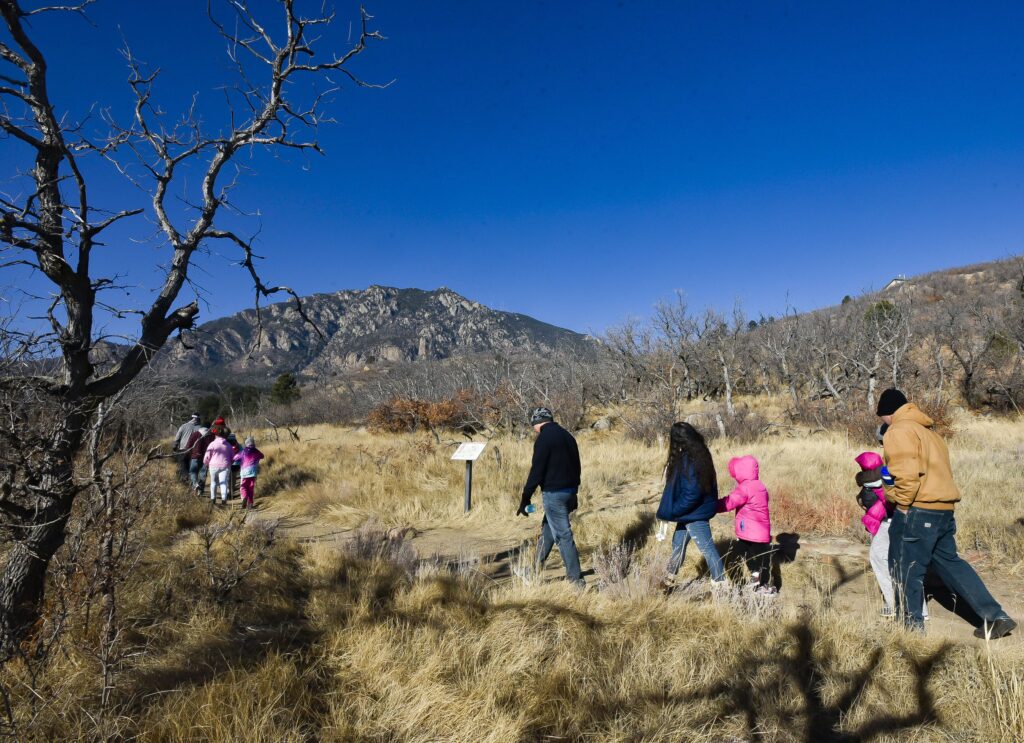
Colorado state parks hosting First Day Hikes to start new year
Seth Boster
seth-boster@denvergazette.com
Updated 2 days ago
For many Coloradans, starting the year off right means starting on a trail. That explains the New Year’s Day tradition called First Day Hikes — a national tradition tracked by America’s State Parks, the organization recognizing the first day of...
Seth Boster
Reporter

2025: A year of living ferociously for area actors
John Moore
john.moore@denvergazette.com
Updated 1 day ago
2025 DENVER GAZETTE TRUE WEST AWARDS: DAY 29 Here is a representative look at some of the Denver actors who were on fire from start to finish this year When I say Noelia Antweiler was everywhere this year, I mean...
John Moore
Reporter

Arrive in ’25: Take a look at the year’s emerging class
John Moore
john.moore@denvergazette.com
Updated 3 days ago
2025 DENVER GAZETTE TRUE WEST AWARDS: DAY 28 Here is a representative look at some of the many breakout performances on Colorado stages this year Sure, it’s cheating to suggest that a man who has been directing and performing with...
John Moore
Reporter

In one remarkable documentary, Creede is the center of the U.S.A.
John Moore
john.moore@denvergazette.com
Updated 5 days ago
2025 DENVER GAZETTE TRUE WEST AWARDS: DAY 26 Could the example of a tiny Colorado mountain town lead America out of its ongoing ideological divide? As I was watching the remarkable new documentary “Creede U.S.A.” at this year’s Denver Film...
John Moore
Reporter

‘Assassins’ tops list of ’25 musicals that were ‘worthy of your love’
John Moore
john.moore@denvergazette.com
Updated 1 week ago
2025 DENVER GAZETTE TRUE WEST AWARDS: DAY 24 From a Sondheim musical about presidential killers in Golden to a new Disney classic in Arvada, Colorado musicals showed their range in 2025 When the Miners Alley Performing Arts Center decided to...
John Moore
Reporter
PREV
PREVIOUS
'Returning to the land': Denver couple share about farming in the city
Facebook Twitter WhatsApp SMS Email Print Copy article link Save DENVER • Stepping into the backyard of a cozy home, I’m hit with the perfume of flowers and herbs. Underneath the sheets protecting the plants from an afternoon hailstorm: a lush, growing garden. As we wade through the plant beds, the homeowners point out ripening […]

50 years on the mountain: 83-year-old Pikes Peak highway ranger retires after half century on patrol
Facebook Twitter WhatsApp SMS Email Print Copy article link Save John O’Brien’s memory lane is the 19-mile road that twists and turns up to the 14,115-foot summit of Pikes Peak. “Each curve has a certain memory,” he says from the passenger seat now. “Every curve after 50 years.” After 50 years, O’Brien has retired as […]