







Spirit of ’76: Arvada Center, now 50, was born into a patriotic fever, and furor

ARVADA CITIZEN-SENTINEL/COLORADO HISTORY

“Arvada: We’ve got the Spirit of ‘76!”
Fifty years ago, that slogan was everywhere from billboards to bumper stickers heralding both the state’s coming centennial and the country’s simultaneous bicentennial. The Lake Arbor Merchants Association marked the marketing occasion with an ad in the local paper showing a colonial town crier announcing a sweepstakes that promised the winner a free hindquarter of beef. (That next to a full-page ad extolling both the tar and the taste of a Merit Menthol cigarette.)
“Hear ye, Hear ye!”
The Arvada Center was born amid both that patriotic fervor and, believe it or not, a heavy police presence. A packed dedication ceremony two years in the making drew an overflow crowd of up to 4,000 to the outdoor amphitheater on July 4, 1976. Today, capacity for that same outdoor concert stage is considered just 1,500. Photos show SWAT-like police officers with rifles lining the roof of the Arvada Center.
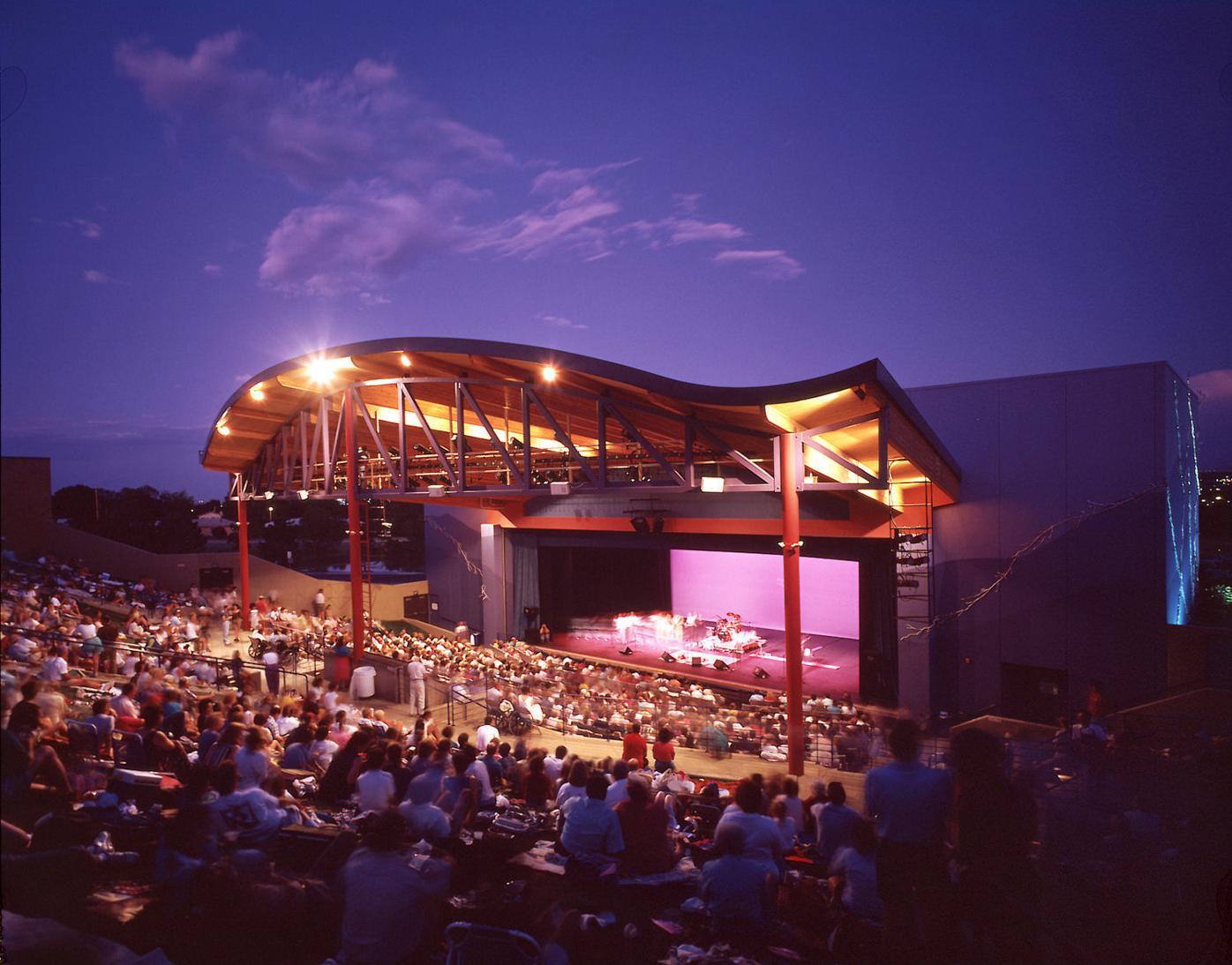
NOW: Arvada Center Outdoor Amphitheater.
OutThere Colorado.


NOW: Arvada Center Outdoor Amphitheater.
Arvada’s new crown jewel opened when the coming Denver Center for the Performing Arts, still four years away, was just a sketch on the back of Donald Seawell’s envelope. The Arvada Center joined the all-since-closed Bonfils Theatre, Elitch Theatre and Country Dinner Playhouse as Denver’s biggest and best live theaters of the day.
But this one stood apart. The Arvada Center would be the metro’s first full-fledged cultural facility offering performing and visual arts, museum exhibits, studios, classrooms, galleries and conference rooms.
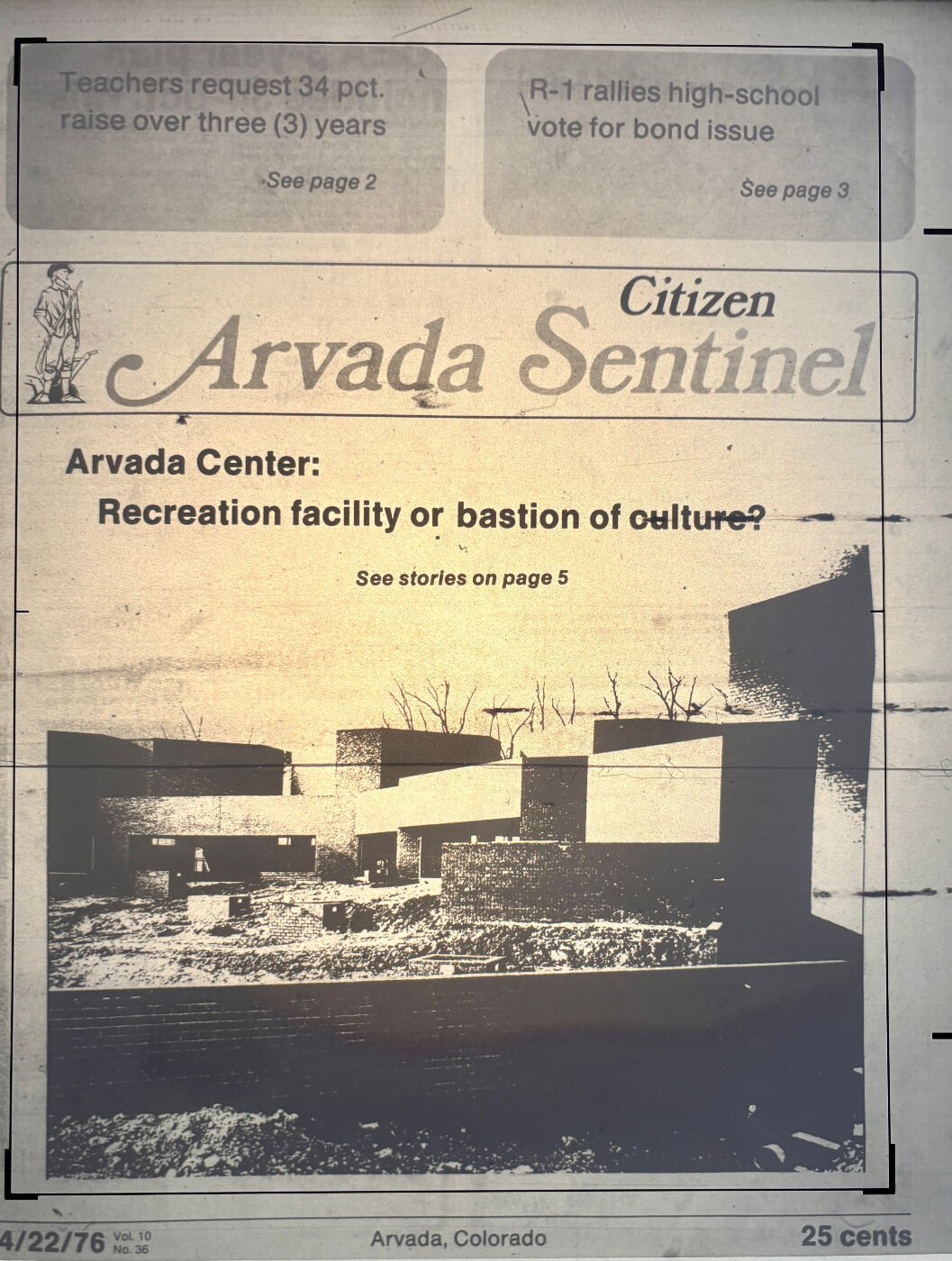
The April 22, 2976, edition of the Arvada Citizen-Sentinel went deep on the question of whether the coming Arvada Center was going to be a place 'of art or fun.'
ARVADA CITIZEN-SENTINEL/COLORADO HISTORY


The April 22, 2976, edition of the Arvada Citizen-Sentinel went deep on the question of whether the coming Arvada Center was going to be a place ‘of art or fun.’
Not that this unprecedented facility, created to bring culture to the western farmlands and now, all these years later, about to open its 50th anniversary season, was forged by any sort of mandate. That successful 1974 vote in a city of about 60,000 was 3,491 in favor and 3,218 against. It’s funny to think now that the Arvada Center, which today serves more than 300,000 visitors every year, including 70,000 students, came to be thanks to those 273 voters in the majority.
Its biggest champion was Lois Lindstrom, the first president of the Arvada Historical Society and organizer of the 1974 bond issue. That first year, it was reported, about 12,000 came through the Arvada Center’s doors. But none of it happens without some quintessential and charming small-town controversy – starting with that confusing name.
Don Carter, the Arvada Center’s founding overall director, came out in the weeks leading up to the public dedication begging the city council to change it. “Numerous people mistakenly think the facility will be a shopping center or medical complex instead of a cultural arts facility,” Carter told the Arvada Citizen-Sentinel at the time. Someone had written Carter a letter honestly asking if the Arvada Center would have a basketball court and a sauna.
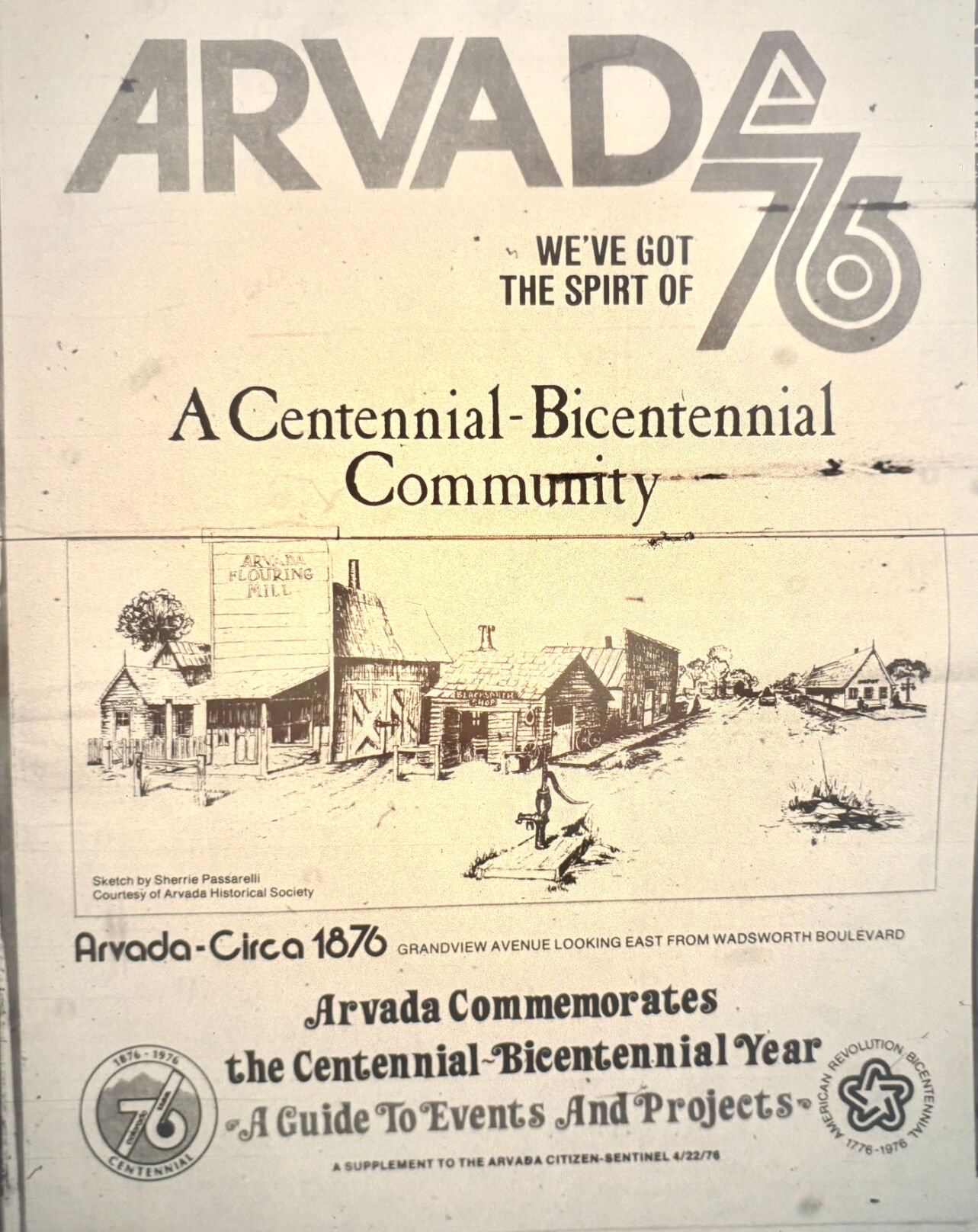
Nearly every newspaper ad in 1976 made some mention of the nation's coming bicentennial. ARVADA CITIZEN-SENTINEL/COLORADO HISTORY
ARVADA CITIZEN-SENTINEL/COLORADO HISTORY


Nearly every newspaper ad in 1976 made some mention of the nation’s coming bicentennial.
ARVADA CITIZEN-SENTINEL/COLORADO HISTORY
The newspaper came out with a hilarious op-ed agreeing with Carter, saying, “The Arvada Center is about as nondescript a title as could be devised.” Back when the facility was first proposed, everyone took to calling it “The Arvada Cultural Center.” But, according to the newspaper, that word “cultural” was strategically dropped prior to that 1974 bond election “because some felt Arvada residents might not vote for culture.”
But a basketball court and sauna? You bet! Confusion, in this case, is good!
For the next two years, the newspaper continued to call the coming facility by its unofficial original nickname – sort of like how some of us (me) refuse to adapt and call Mile High Stadium by its present legal name: Empower Field at Mile High.
“There is still time to come up with a better name,” the newspaper’s editorial board implored in April 1976. But it would have to wait until July 1, 2016, when the Arvada Center broke from the city government to become an independent non-profit organization called the more stately Arvada Center for the Arts and Humanities. Ironically, in these character-limited times, most everyone shortens the name back to “Arvada Center” anyway.
To get a slice of life in Arvada in 1974, one must only flip the digitally preserved pages of the Arvada Citizen-Sentinel. Waterbeds were big, as were classes being offered to housewives in the exciting but intimidating new art of microwave cooking.
“Cooking with a microwave,” wrote food columnist Hassell Bradley, “gives me the same sort of sensation as when I pulled up a chair in front of my first washing machine to watch the clothes swish around.”
The hottest dance club in town was The Attitude at 5980 Lamar St. Dear Abby advised a married couple on the moral complexities of swinging. The police blotter led with an angry man becoming the first Arvadan to be ticketed for walking his dog after 11 p.m. since city council passed a new city curfew. A brief blurb shouted out future 9News anchor Kim Christiansen, then a 15-year-old grand champion twirler. An uncomfortable allotment of space promoted an upcoming seminar on how close we were then to the Armageddon.
The local newspaper had just dedicated a special section to the still uncodified Equal Rights Amendment, which brought timelessly predictable reader outrage. A blatantly misogynist editorial cartoon depicts a woman carrying a caveman’s club and sporting a hammer-and-sickle on her skirt after beating the iconic “Don’t Tread on Me” rattlesnake – a symbol of our willingness to defend ourselves from tyranny during the Revolutionary War – to death.
Also close to home, the vapors were being absolutely uncorked over school bussing – only here it was anger that high schools were bussing of-age kids to nearby polling centers to register to vote. They didn’t call it “grooming” just yet, but that was basically the insinuation.
Then there was the big Arvada Center controversy, which was characterized as essentially creating a turf war between North Jeffco, the long-established local parks and rec district, over who got to teach art classes going forward. I kid you not: The front page on April 22, 1976, was fully dedicated to this skirmish. One headline read: “Center is ‘center’ of art vs. fun controversy.” (Cuz, you know, art can’t also be “fun,” right?)
Where’s the beef? The Arvada Center would be well-equipped with art studios, and because they were being built with city funds, North Jeffco wanted to move its classes into the swank new building and operate them from there. Carter, meanwhile, wanted to develop his own educational wing within the Arvada Center. I cannot tell you how much ink was dedicated to this one topic over the next four months, but if the ink were red, it would be buckets of blood.
Finally, the newspaper that sparked the fire also doused it by declaring: “The current argument as to whether certain artistic activities are culture or recreation is ridiculous. These two groups seem intent on duplicating each other’s programs. We think the two agencies should divide their areas of responsibility.” Well, yeah.
What’s most funny about all that hullabaloo is that the Arvada Center’s initial annual budget for offering education classes was all of $690.
The city was remarkably transparent in sharing monetary details like that back in 1976. The city council approved an initial annual Arvada Center budget of $142,855. (Today, it’s $13 million.) Of that, an even $100,000 would come from the city; the rest (about 30%) would be expected to come from ticket sales. Carter’s salary to run the whole operation that first year was $19,300. By comparison, the artistic director for the Denver Center Theatre Company was paid $270,000 in 2023.
Programs, including theater music, dance, art, education and children’s shows were given $52,000 to spend that first year. The first five months of heating and power were anticipated to cost $15,000 – “and another $200 was set aside to pay the trash man.”
At the time, Carter’s publicly stated hope was that the Arvada Center would be self-sufficient and no longer receiving any public money whatsoever within five years. (Today, the city still contributes about $5 million toward Arvada Center’s otherwise independent operations.)
Carter named Edward Osborn to run the theater division, which – and talk about stupid names – was called Theatre Threshold.
“I don’t know why they picked that name – but I never liked it,” said retiring Arvada Center President and CEO Philip Sneed, who was a teenaged actor in that first season. More on that in a bit.
Osborn set out to build a core company of 12 resident actors and directors, starting with Jim Hunt, John Samson and Mary Jo Moore. One of the most enduring names from that first season was the late Dale Stewart, who played the Purser in “Anything Goes” and went on to become perhaps Denver’s most accomplished comic actor before he died in 2001.
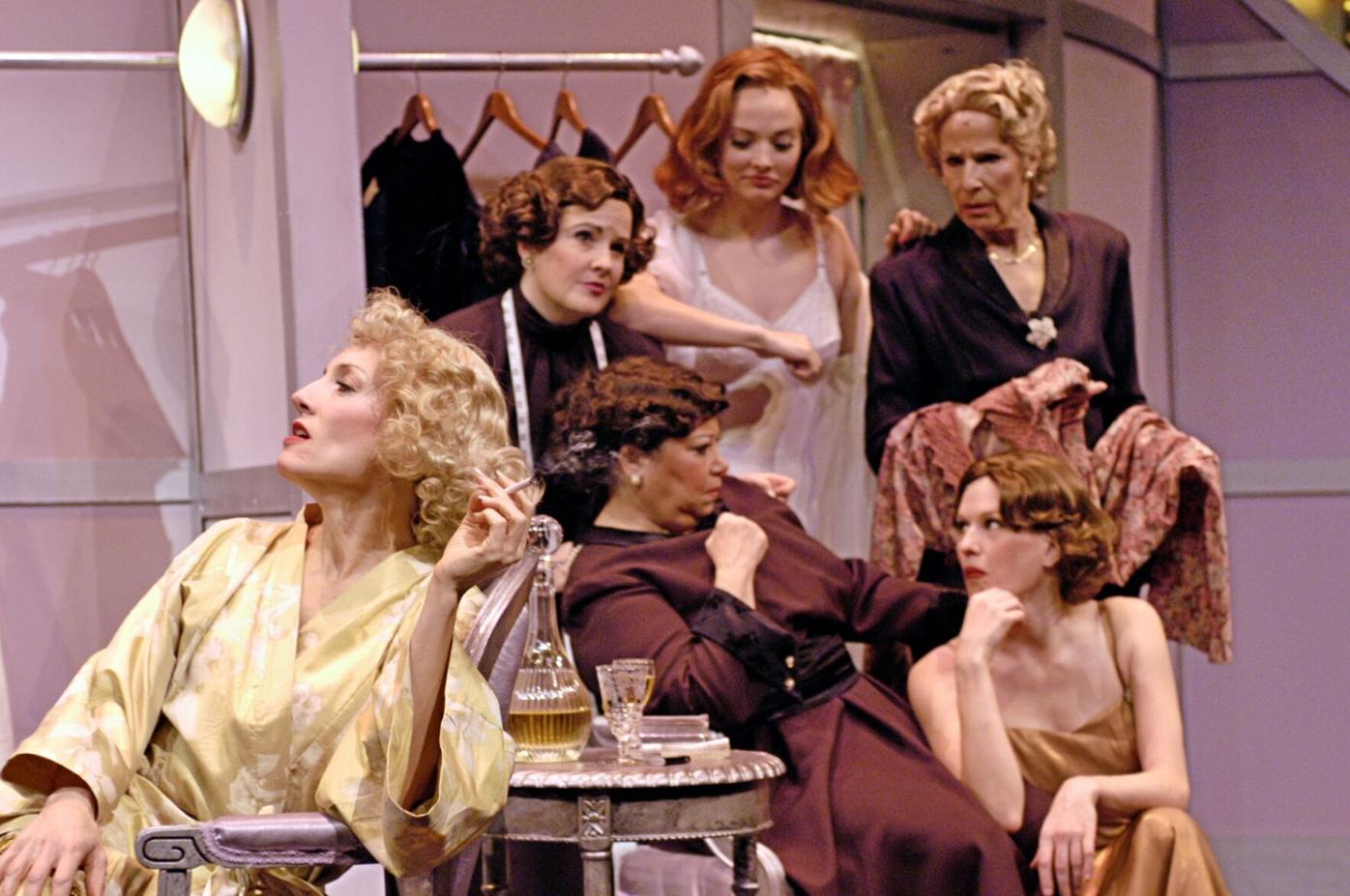
Amie MacKenzie, left, played Crystal (the Joan Crawford role), in a seminal stage production of 'The Women' at the Arvada Center in 2004. The production gathered more tha 30 of Denver's most accomplished actors together for one play.
ARVADA CENTER

Amie MacKenzie, left, played Crystal (the Joan Crawford role), in a seminal stage production of ‘The Women’ at the Arvada Center in 2004. The production gathered more tha 30 of Denver’s most accomplished actors together for one play.
Anything does go
The 500-seat indoor mainstage theater, largely untouched by time and still giving off more of a college lecture-hall vibe than that of an actual theater, would not open for public performances until the fall of 1976. But the bicentennial Fourth of July proved to be an irresistible opportunity to christen it for the public.
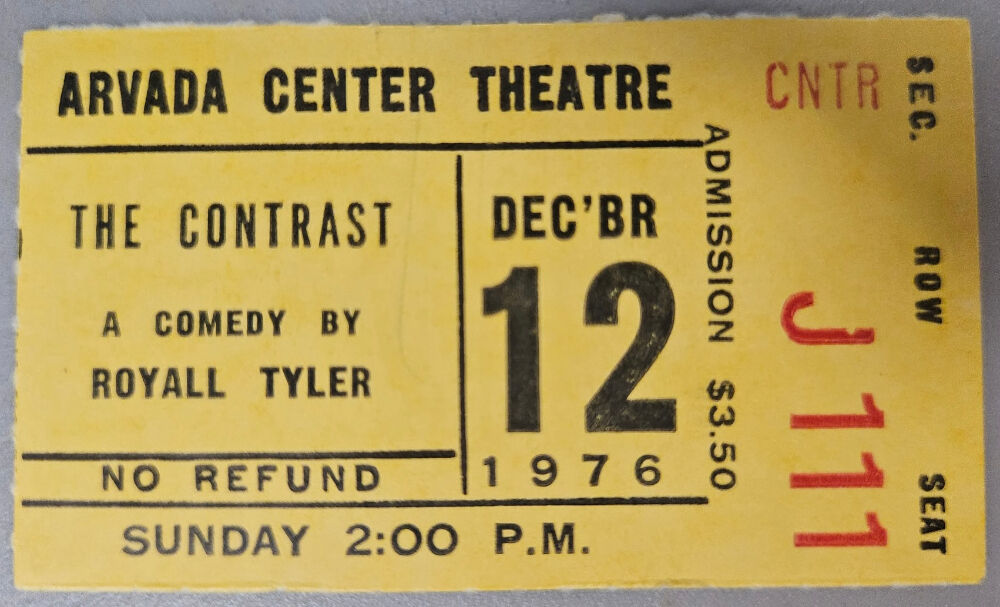
In 1976, a ticket to the Arvada Center's 'The Contrast' would have run you $3.50.
ARVADA CENTER


In 1976, a ticket to the Arvada Center’s ‘The Contrast’ would have run you $3.50.
The first show was “Anything Goes,” the quintessential tap-dancing Cole Porter romp that is literally set on the S.S. American, followed by “The Glass Menagerie” and then “The Contrast,” a 1787 marriage farce that is considered to be the first play written and performed in America (and said to be George Washington’s fave). A ticket to any of those shows ran you $3.50.
Both titles were fully tied to the nation’s bicentennial, in part because the city received grants from the state’s Centennial-Bicentennial Committee to help pay for them. The program read: “‘Anything Goes’ is as American as night clubs, gangsters, tap dancing and romance!”
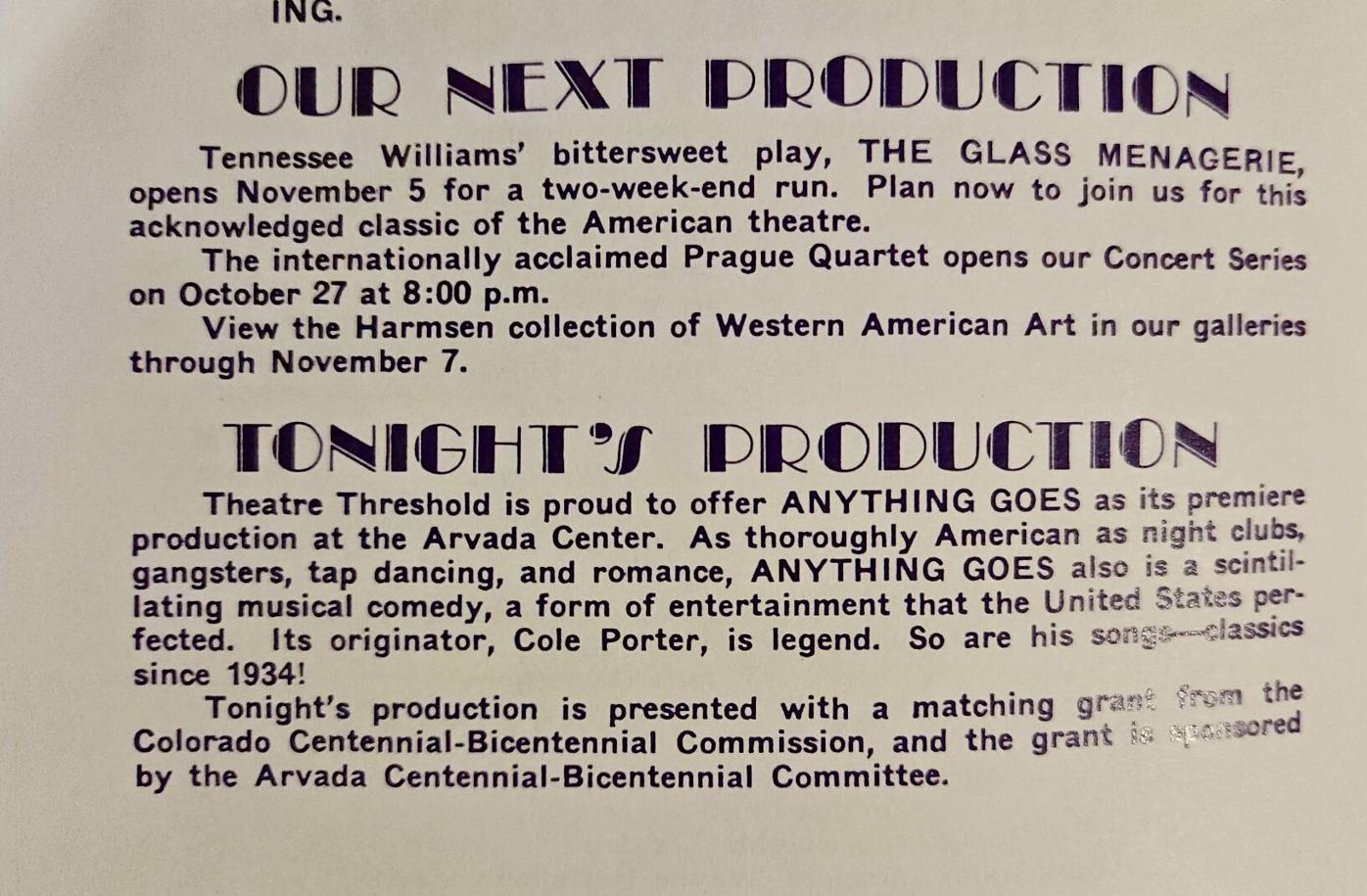
The playbill for the Arvada Center's 'Anything Goes,' presented in September 1976.
ARVADA CITIZEN-SENTINEL/COLORADO HISTORY


The playbill for the Arvada Center’s ‘Anything Goes,’ presented in September 1976.
“Anything Goes” starred the now legendary Bob Wells, by day a teacher at Cherry Creek High School, to star as Billy Crocker. “The Contrast” starred the now legendary Hunt, by day a teacher at Alameda High School, as Billy Pimple. And who is Billy Pimple?
“Billy was a fop, a cad, a dandy with a horrible wig – and I loved playing him,” said the still very much actively acting Hunt. The historic comedy, as the title suggests, explores the contrast between first-generation Americans who embraced their new country and those unwilling to let go of their European ways at the end of the 18th century. Dimple is a snobbish rake who indulges in European fashion and complains against his own country. He’s a lech, an opportunist and a degenerate gambler who is ultimately abandoned by all three of the women he pursues.
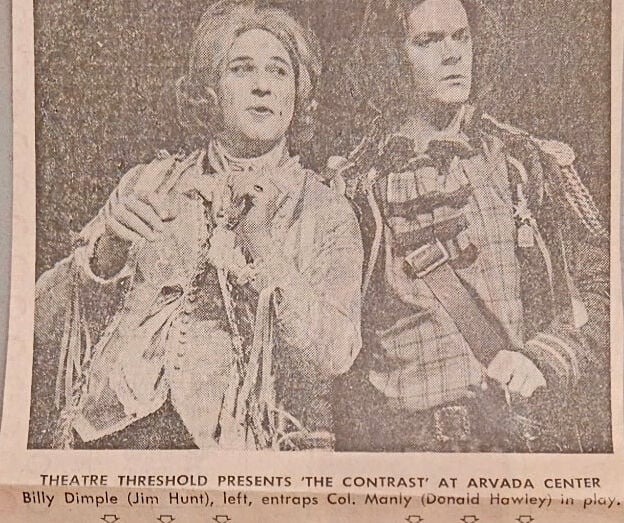
Jim Hunt and Donald Hawley in the Arvada Center's 'The Contrast' in 1976.
HISTORY COLORADO


Jim Hunt and Donald Hawley in the Arvada Center’s ‘The Contrast’ in 1976.
Even though Denver had only a fraction of the theater companies in 1976 that it has today, it had a dozen legit theater critics because local journalism at the time was flush. One wrote: “My favorite is a flawless Jim Hunt as Billy Dimple: He sins with style.”
Now there’s a line you can ride for 50 years: “He sins with style.”
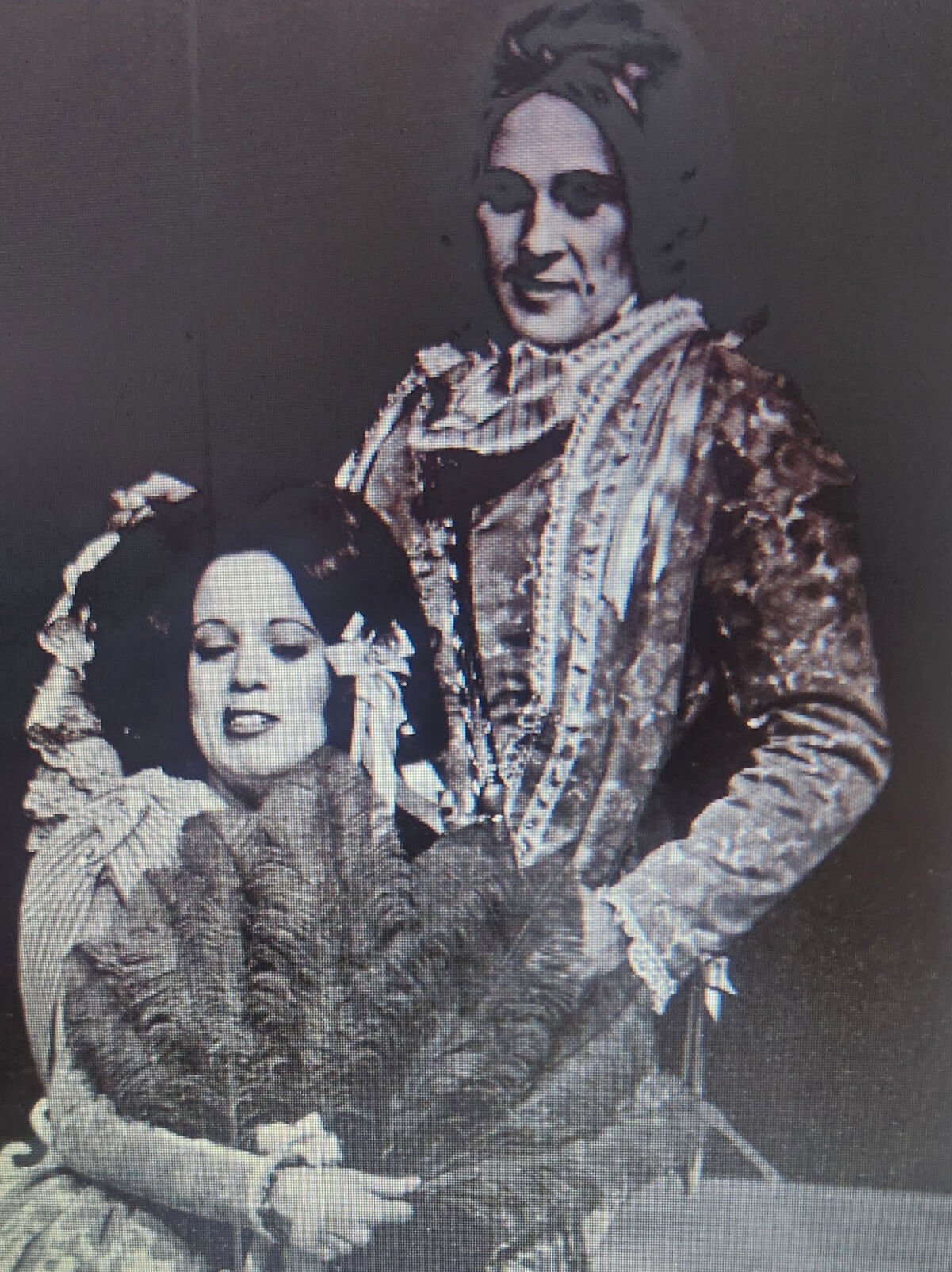
Mary Jo Moore (later McNally) with Jim Hunt in the Arvada Center's 'The Contrast' in December 1976.
COLORADO HISTORY


Mary Jo Moore (later McNally) with Jim Hunt in the Arvada Center’s ‘The Contrast’ in December 1976.
Also among the cast were Mary Jo Moore (later McNally) as one of the wooed women, and a 17-year-old Sneed as a servant named Frank.
Sneed announced last week that he will resign as President and CEO of the Arvada Center effective June 30, just five days before the Arvada Center completes its 50th year.
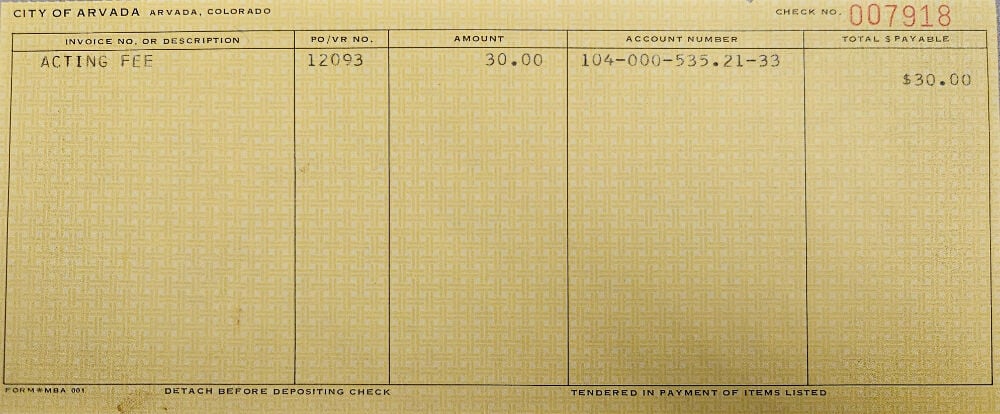
Arvada Center President and CEO Philip Sneed made $30 for the entire run of 'The Contrast' at the Arvada Center when he was a 17-year-old student in 1976.
PHILIP SNEED


Arvada Center President and CEO Philip Sneed made $30 for the entire run of ‘The Contrast’ at the Arvada Center when he was a 17-year-old student in 1976.
Sneed was a senior at Golden High School in the spring of 1976 when he auditioned for the first set of three shows at the Arvada Center. “I did not get cast in the very first production, because I couldn’t tap dance,” he said of “Anything Goes.” “However, I did get into the third production, which was ‘The Contrast.’” It was a non-speaking servant role, but it was his professional debut as an actor.
It was a first full-circle moment for Sneed, whose parents moved to Colorado when he was 13 and took out a lease on an apartment building at 68th Avenue and Wadsworth Boulevard just a few hundred steps south of where the Arvada Center would eventually be built.
Sneed got paid a flat fee of $6 a show for five shows. He still has the $30 pay stub.
Thirty-seven years later, in 2013, Sneed came home to the Arvada Center as Executive Director, a title later changed to President and CEO. Call it a second full-circle moment for Sneed,
“It’s fantastic,” he said, to be ending his career at the place where it began.
“It just warms my heart. I mean, it’s such a great feeling to be able to end up here. This is the perfect way to end my career.”
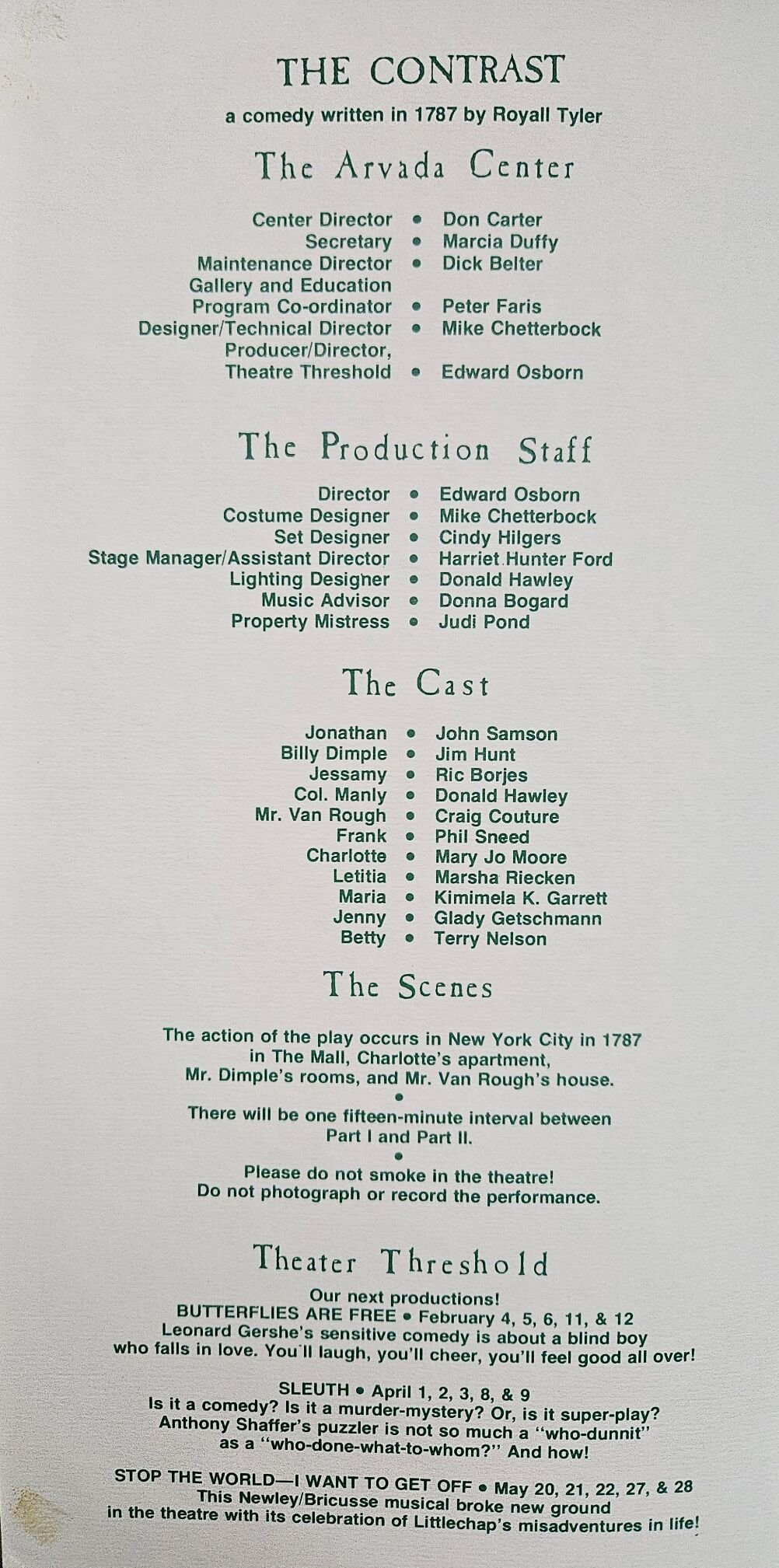
The playbill for the Arvada Center's 'The Contrast,' presented in December 1976.
ARVADA CITIZEN-SENTINEL/COLORADO HISTORY


The playbill for the Arvada Center’s ‘The Contrast,’ presented in December 1976.
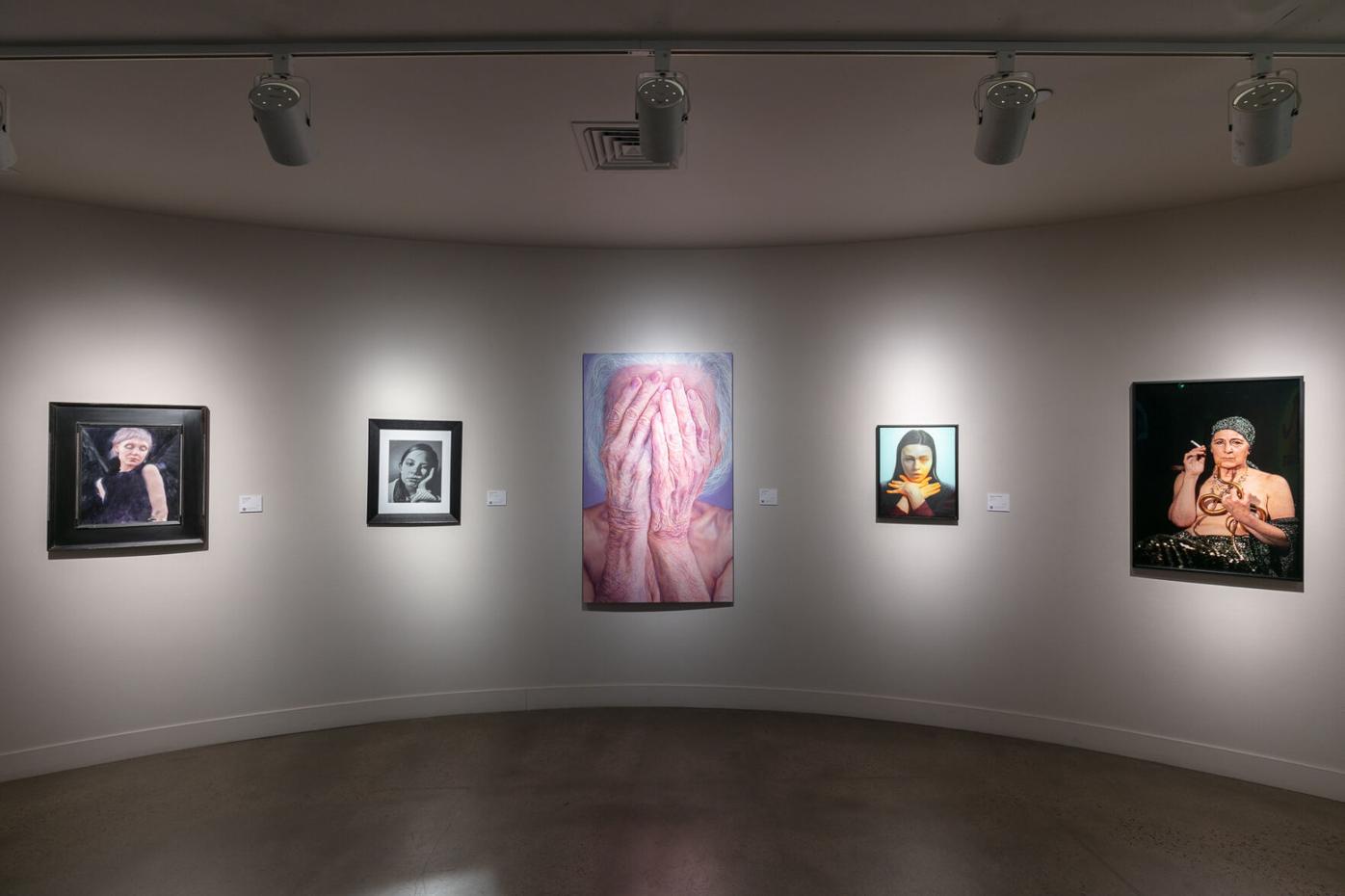
Every three years, all 10,000 square feet of the Arvada Center's galleries are filled with the work of Colorado artists. The 2025 open call, for 'Art of the State,' garnered 2,503 submissions by 911 artists. Of those, 148 artworks were selected by 145 artists.
ARVADA CENTER


Every three years, all 10,000 square feet of the Arvada Center’s galleries are filled with the work of Colorado artists. The 2025 open call, for ‘Art of the State,’ garnered 2,503 submissions by 911 artists. Of those, 148 artworks were selected by 145 artists.
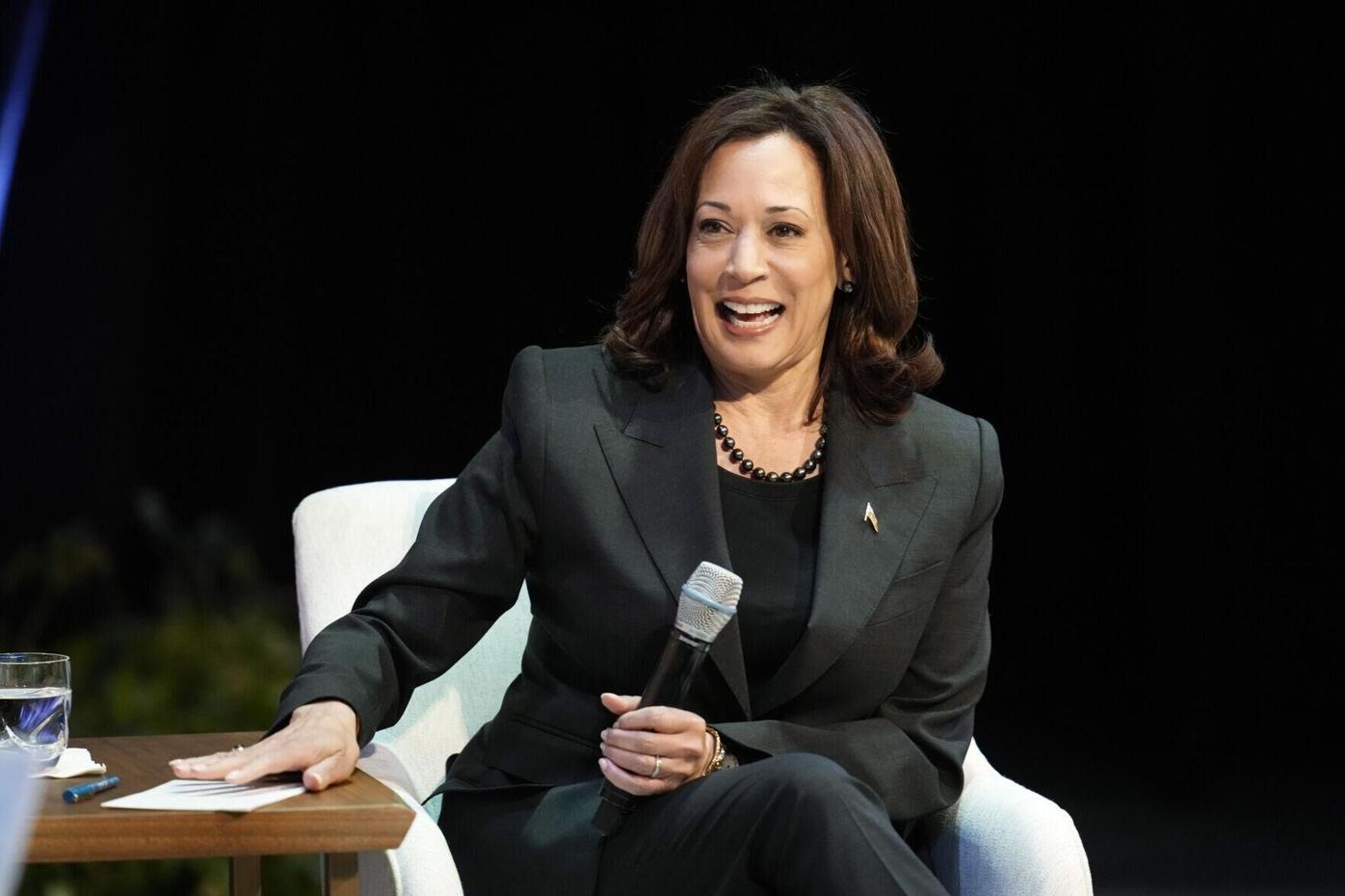
Vice President Kamala Harris took part in a moderated discussion about climate change and clean energy during an appearance at the Arvada Center on Monday.
David Zalubowski, The Associated Press

Vice President Kamala Harris took part in a moderated discussion about climate change and clean energy during an appearance at the Arvada Center on Monday.
John Moore is The Denver Gazette’s senior arts journalist. Email him at [email protected]