







Another free-speech case Colorado deserves to lose | Jimmy Sengenberger
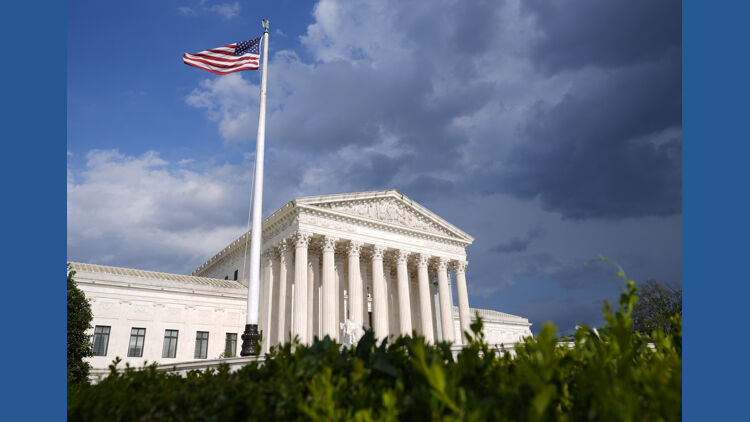
Colorado is back before the U.S. Supreme Court — defending yet another law trampling free speech over gender identity and sexual orientation. And once again, the state looks headed for defeat.
On Tuesday, the justices heard Chiles v. Salazar, a challenge brought by licensed counselor Kaley Chiles against Colorado’s ban on any counseling of minors that “attempts or purports to change an individual’s sexual orientation or gender identity.” It comes as more children appear to exhibit gender dysphoria — distress over a perceived disconnect between their biological sex and gender identity.
Colorado insists this is “conversion therapy,” labeling it “professional speech” that the state can regulate. Chiles rightly counters that it’s unconstitutional “viewpoint discrimination” that violates her First Amendment right to engage in talk therapy about real issues, especially ones still debated in scientific literature — and she’s right.
Her lawyers at Alliance Defending Freedom are no strangers at bringing the fight for Coloradans’ free speech to the Supreme Court: they already beat the state twice in Masterpiece Cakeshop and 303 Creative.
Under Colorado law, “conversion therapy” includes any practice or treatment that “attempts or purports to change” a person’s sexual orientation or gender identity — “including efforts to change behaviors or gender expressions or to eliminate or reduce sexual or romantic attraction or feelings toward individuals of the same sex.”
The state now claims this merely applies to changing identity or orientation itself — and nothing to do with behaviors or expressions or feelings.
“But that’s not what your statute says,” Justice Samuel Alito shot back, catching Colorado Solicitor General Shannon Stevenson flat-footed. Colorado’s own Justice Neil Gorsuch, who’s sided with LGBTQ concerns in the past, called the state’s argument a “peculiar reading of the statute.”
If a minor seeks counseling for gender dysphoria, even with parental consent, Colorado law forces therapists into “gender-affirming care” that promotes “(a)cceptance, support, and understanding.” In effect, counselors are allowed — nay, compelled — to affirm transition but forbidden to support, as Chiles’ attorneys put it, “detransition or living at peace with their body, even if the client chooses those goals.”
Each violation carries a cost: fines up to $5,000, suspension and/or loss of license. Even liberal Justice Elena Kagan suggested the law looks like “viewpoint discrimination.”
Because it is. Chiles isn’t challenging limits on doctors or psychiatrists that may use medical treatments — only licensed therapists who use talk therapy. Supreme Court precedent recognizes only two narrow exceptions for regulating “professional speech,” and neither remotely applies here.
The First Amendment doesn’t distinguish between treatment and non-treatment involving speech. The only real line is between “speech and conduct.” Colorado claims counseling is “incidental” to treatment — making it mere conduct — but the Court already rejected that logic in 303 Creative.
There, Colorado sought to compel a graphic designer to create messages she opposed, claiming conduct, not speech, was at issue. The justices disagreed: the “burden on speech” wasn’t “incidental” because the state was forcing expression.
Here again, Colorado targets Chiles’ words based on content, not conduct — setting a dangerous precedent for states to censor professional speech at will.
Stevenson argued “medical treatment must be treated differently” and the law bans only “harmful” practices. Yet moments earlier she’d already conceded that, if a “mirror” law still considered being gay to be a mental illness, which the professional consensus was for decades, the state could ban counselors from affirming gay clients — constitutionally.
You don’t need a law degree to see how dangerous that is. In fact, the claim that Colorado’s ban stops “harmful” treatments doesn’t hold water.
NHS England’s 2024 Cass Review found a “poor evidence base” for youth gender interventions, cautioned that social media and peer pressure fuel rising gender dysphoria, and urged “an extremely cautious approach” to hormone therapy. All of this requires open and honest evaluations on a case-by-case basis — the kind of clinical conversations Colorado forbids.
“Gender dysphoria is the only diagnosis in all medicine where we recognize a mind-body disconnect and side with the mental image against the body,” said Dr. Travis Morrell, chair of Colorado Principled Physicians. “We don’t give liposuction to anorexics, cover cosmetic surgery for body dysmorphia or perform C-sections for false pregnancy. It’s only for gender dysphoria that we take such risks — even cause such harms on kids.”
Colorado law silences therapists who want to explore root causes instead of immediately affirming transitions — pushing nuanced, evidence-based care underground. Studies consistently show children with gender dysphoria often face high rates of anxiety, depression, trauma, eating disorders and autism.
One systematic review found most studies lacked “follow-up and referrals for treatment of psychiatric comorbidities,” urging more research to evaluate “the efficacy of medical treatment for symptoms of gender dysphoria.”
But Colorado law chills therapists from taking complex cases of gender dysphoria in minors or asking hard questions about underlying conditions, even when the child and their parents want that. How is this good for kids?
“When somebody comes to the ER with a fever, you start looking for the reason why. If free to do so, I would approach gender dysphoria in the same way,” one psychiatrist told me in April, requesting anonymity for fear of professional reprisals.
Silencing professionals and dictating their judgment doesn’t protect children — it puts them in harm’s way.
Let’s hope the Supreme Court sees through yet another Colorado assault on the First Amendment — this time, one that endangers not only free speech, but the wellbeing of our most vulnerable youth.
Jimmy Sengenberger is an investigative journalist, public speaker, and longtime local talk-radio host. Reach Jimmy online at Jimmysengenberger.com or on X (formerly Twitter) @SengCenter.