







TSA and travel: Passengers still showing up with prohibited items, including loaded guns
Chances are that the bottle of tropical lotion you bought as a souvenir while vacationing in Hawaii and tucked into your bag without realizing it wouldn’t make it through airport security landed in the trash.
Likewise, a package of mace spray or a favorite pocketknife stashed in your carry-on soon could be in the hands of new owner.
Despite the protocols at airport checkpoints being status quo for air travelers for more than two decades after the 9/11 terrorist attacks, some people don’t remember or aren’t sure what’s allowed. Others figure, what the heck, maybe it’ll get through.
That includes the bearers of more than 6,500 guns, more than 90 percent of them loaded, that travelers tried to take through security at airports nationwide last year.
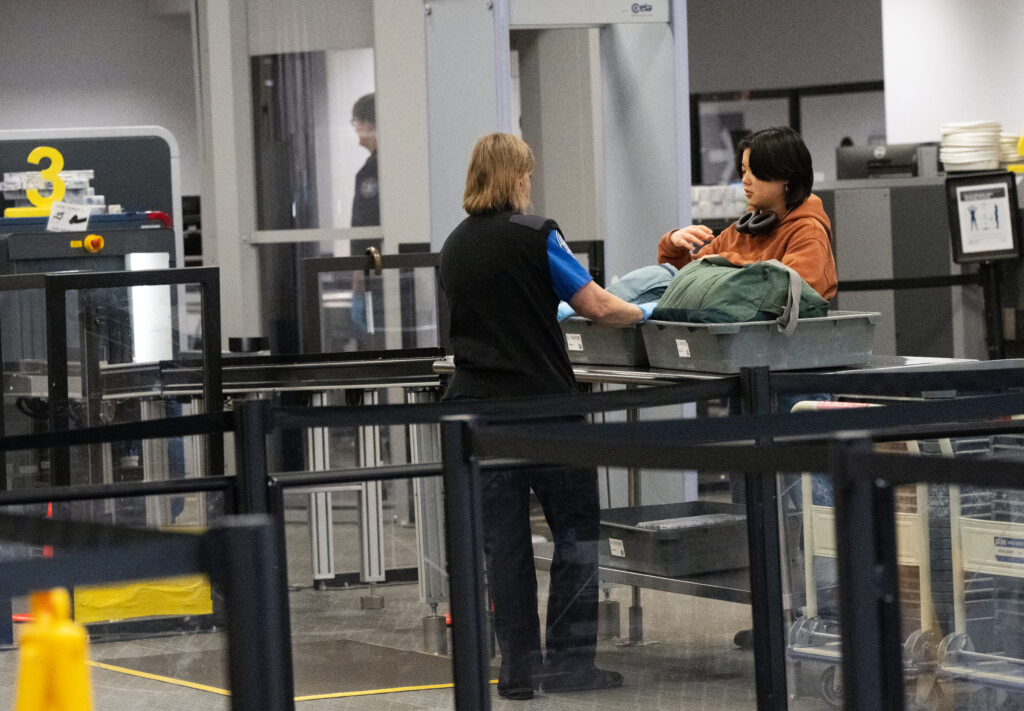
The nation’s 50,000 Transportation Security Administration officers flag thousands of prohibited items a day at more than 430 federalized airports, said Daniel D. Velez, TSA spokesperson for Colorado.
Water in a bottle that weighs more than 3.4 ounces is one of the most surrendered verboten objects, according to Velez.
Any liquids or gels in containers larger than 3.4 oz — including food but excluding baby food and medically necessary liquids, gels and aerosols — cannot be in carry-ons but can be placed in checked bags.
Knives of all kinds also are a frequent item people try to get past security, Velez said.
The TSA rule: Knives are not allowed in carry-ons but can be packed in checked bags if blades are sheathed or securely wrapped to prevent injury to baggage handlers and inspectors. Plastic and butter knives are OK for passengers to have.
A list of 494 items of what’s permitted and forbidden to be brought on board, and what can and cannot be inside checked bags is at https://www.tsa.gov/travel/security-screening/whatcanibring/all. There’s also a phone application available.
TSA “does not have a running tally of specific prohibited items (identified) by airport,” Velez said.
Where relinquished goods end up varies, since passengers have choices when the screening process indicates something that’s banned.
“TSA’s mission is to prevent dangerous items from being carried onto aircraft, not to take possession of personal property,” Velez said.
The options include:
- Placing the item found in a carry-on into checked baggage (if the traveler has access to checked bags).
- Leaving the item with a non-traveling companion or someone outside the secure area.
- Returning the item to a vehicle or mailing it to themselves.
- Voluntarily abandoning the item, at which point “it is disposed of in accordance with federal, state and local regulations.”
The majority of surrendered items are thrown away, Velez said.
However, some restricted goods, such as knives, camping equipment, household tools, sporting goods and self-defense products, are held for two to three months and then could be sent to a state surplus store, where they are sold at discounted prices, according to Velez.
Abandoned or seized personal property also may be sold in surplus online auctions at govdeals.com.
Procedures for handling prohibited items can vary by airport and state, Velez added.
Guns and more guns
Firearms are the only personal property TSA fastidiously tracks.
Even if a traveler has a concealed weapon permit, firearms are not permitted to be carried onto an airplane.
Passengers who possess proper gun permits can travel legally with unloaded guns in checked bags if they follow TSA rules that can be found at https://www.tsa.gov/travel/transporting-firearms-and-ammunition.
“We have a lot of firearms, but they’re definitely not one of most of the things we get,” Velez said.
Last year, TSA officers detected 6,678 firearms at checkpoints at 277 airports nationwide, which marked the first annual decrease other than in 2020, year one of the COVID pandemic.
Of the guns found in 2024, about 94% were loaded, TSA reported.
With a total of 166 firearms TSA agents discovered in carry-on bags last year, Denver International Airport ranked sixth highest in the nation. Of those, 92% were loaded.
“Right now, we’re pretty much on par with what we had last year,” Velez said in terms of guns detected across the U.S.
This year could see the highest number of firearms people attempt to bring onboard at the Colorado Springs Airport. There have been 24 guns found to date, with the highest being 26 in 2022, TSA statistics show.
“The majority of people forget they have an item in their bag,” Velez said. One tip: completely empty your bag before you start packing for a flight.
Objects suspected to be explosive also appear “from time to time” at security checkpoints, Velez said. When that happens, there can be quite a delay, he said, as “we have to clear out the area and call in HazMat disposal teams.”
Colorado Springs Police Department investigates detected firearms at airport checkpoints, said spokesman Ira Cronin.
“If it’s a case of someone simply forgetting it was in their bag, we’ll document it, and the gun will go into personal property,” he said.
That typically means police will hold the firearm for safekeeping, and it will be eligible to be returned to the passenger later on.
“If the investigation reveals there was any intent to smuggle the gun on board an aircraft, we will charge that person,” Cronin said. “This year, we had one case where a person was charged because they were not lawfully allowed to be in possession of a gun.”
Absent-mindedness or lack of knowledge can be costly.
Because regardless of police actions, TSA may impose civil penalties of up to $17,062 per person for items such as firearms, Velez said.
Penalties are not decided on the spot at checkpoints, though.
“Incidents are investigated by TSA’s regulatory compliance team,” Velez said, which is followed by a determination of code violation and the fine amount.
Offenders have 30 days to respond with choices that include paying the fine or requesting a reduction, a conference or a formal hearing.
Police also will investigate cases of drugs found in carry-on bags or on passengers’ bodies.
Colorado Springs Airport averages two to three cases a year of travelers caught by TSA trying to bring illegal drugs on a plane, Cronin said. “Usually, the result will be us charging that individual.”
Unless they are arrested, passengers in most cases can board a plane if they relinquish possession of a banned item, Velez said.
Technology at security checkpoints has improved in recent years with new scanners that provide detailed 3-D images of bag contents, allowing electronic devices, medications and liquids that are 3.4 ounces or less to remain inside carry-ons.
Matching a real-time photo with a photo on an identification card also has helped speed up the check-in process, according to the TSA.
“It’s important that people realize that TSA incorporates unpredictable security measures — both seen and unseen –- to make sure we keep people safe,” Velez said. “We work with law enforcement and local airports to make sure we have the right security measures in place, and if there’s an evolving threat, we’ll adjust processes and procedures.”
Firearms detected at Colorado Springs Airport
2025: 24 (to date)
2024: 15
2023: 19
2022: 26
2021: 15
Source: Transportation Security Administration


Woman stabbed at Union Station
Dennis Huspeni
dennis.huspeni@gazette.com
Updated 11 minutes ago
A woman was hospitalized, and another is in custody on charges of stabbing her repeatedly, after what appeared to be a random attack at Denver’s Union Station Sunday night. Denver Police Department officers confirmed the attack and the arrest of...

Dennis Huspeni
Reporter

Colorado snow outlook bleak through end of January, but one key chance of notable snow
Spencer McKee
spencer@outtherecolorado.com
Updated 21 minutes ago
With Colorado’s snowpack at about 59 percent of the norm as of January 19 (the lowest it’s been since records started in 1987), the state’s skiers and snowboarders are eagerly awaiting the next winter storm. After an overnight tease of...

Spencer McKee
Reporter
Denver District 10 launches test program to pay pet deposits
Deborah Grigsby
deborah.smith@denvergazette.com
Updated 44 minutes ago
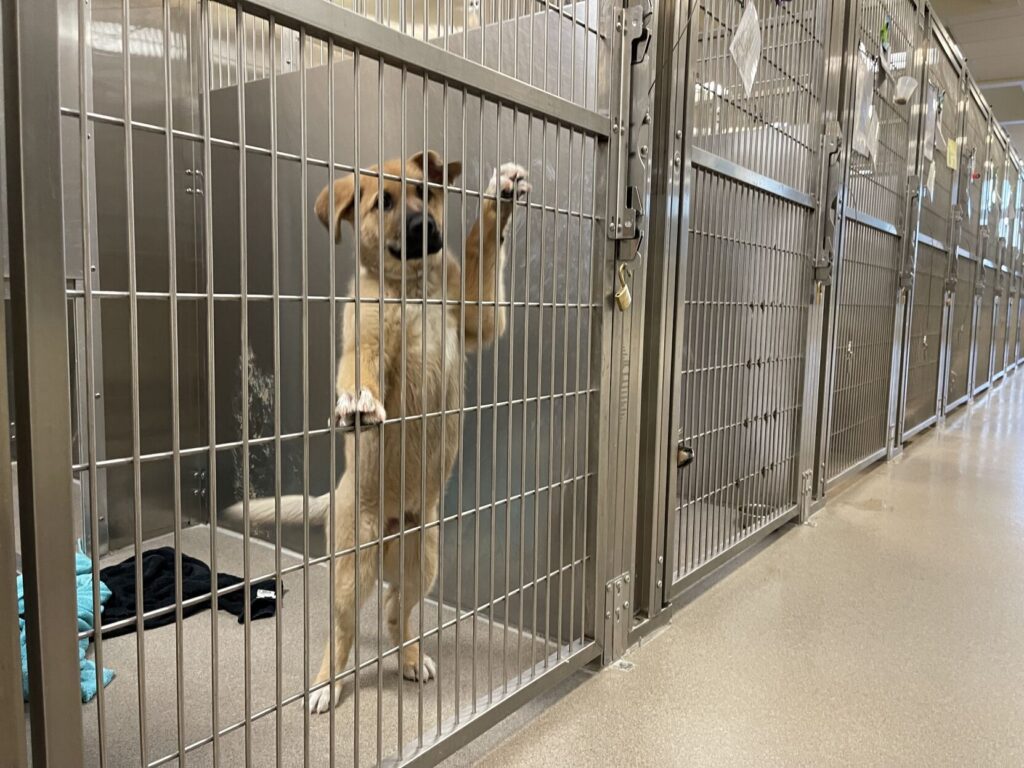
Denver’s self-proclaimed “pet whisperer,” Councilman Chris Hinds, has launched a new program to help renters avoid having to choose between a home and their pet. Funded through Hinds’ own council budget, the program seeks prevent relinquishment, as well as unnecessary...

Deborah Grigsby
Reporter
Aurora borealis likely to be highly visible in Colorado tonight
Spencer McKee
spencer@outtherecolorado.com
Updated 1 hour ago
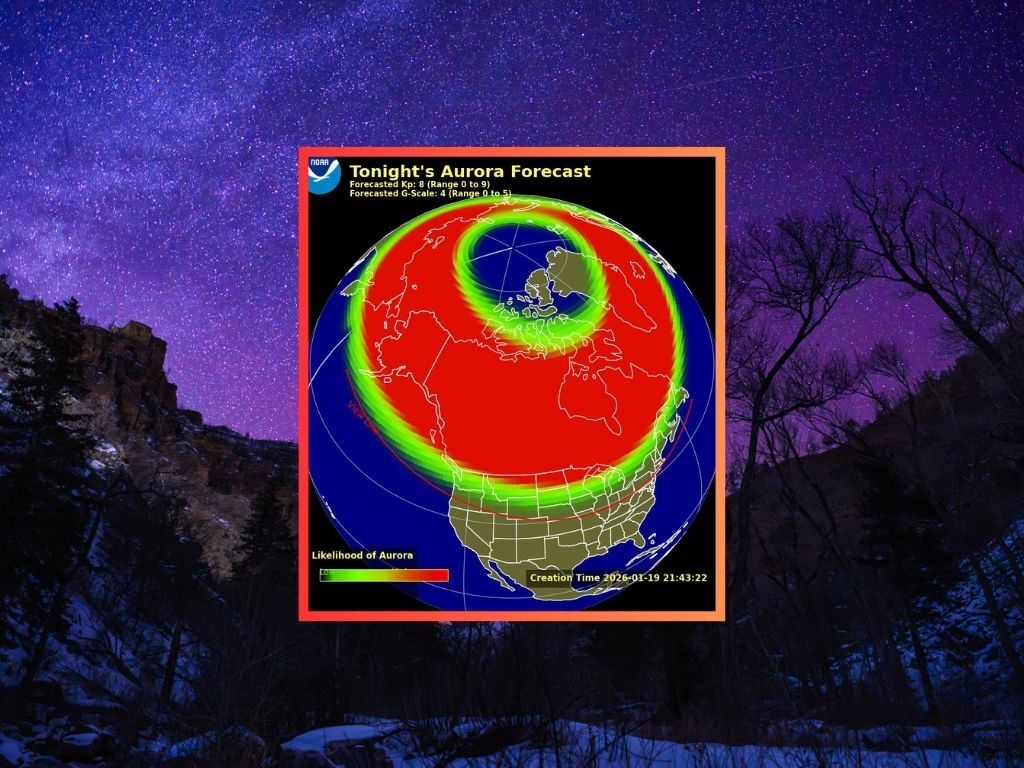
If you missed the show put on by the aurora borealis last November, there’s some good news – you’ve got another chance to spot the celestial phenomenon tonight. According to the government’s Space Weather Prediction Center website, the viewing line...
Spencer McKee
Reporter
Denver gas prices surge — but diesel mix-up not to blame, expert says
Daniel Boniface
dan.boniface@denvergazette.com
Updated 2 hours ago
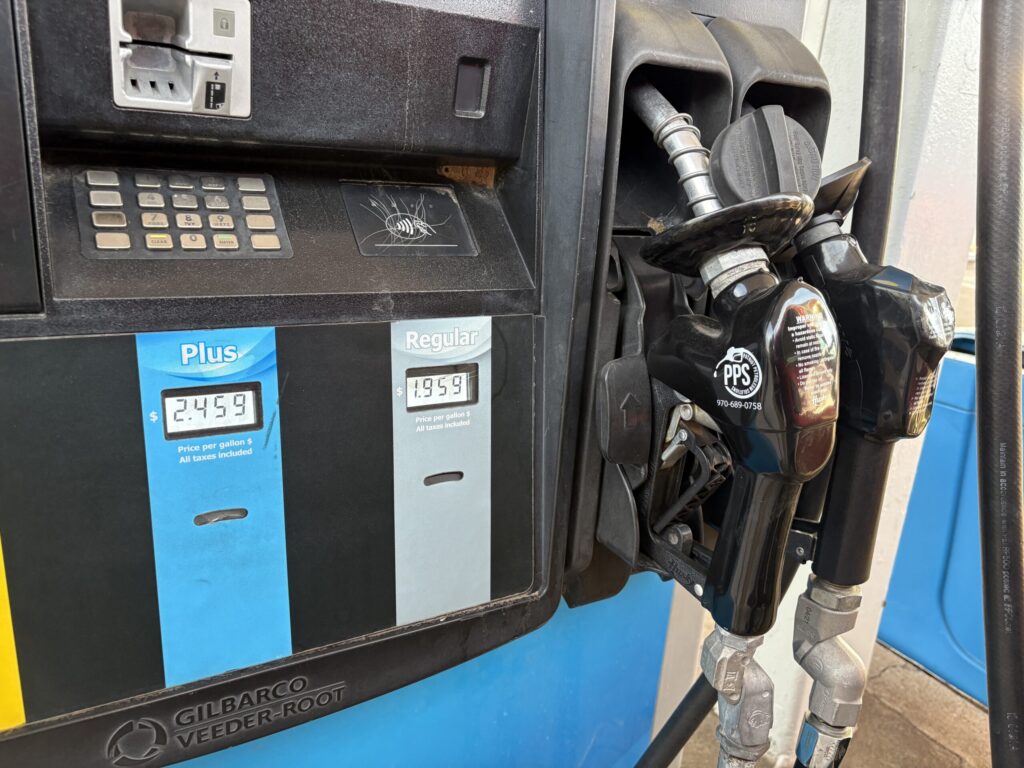
Denver gas prices surged 16.6 cents per gallon last week, but one expert said the public should not blame the hike on a recent diesel mix-up that damaged hundreds of vehicles and contaminated nearly 50 gas stations. “No, it has...

Daniel Boniface
Reporter
Flock cameras assist in road rage shooting arrest in Douglas County
Daniel Boniface
dan.boniface@denvergazette.com
Updated 2 hours ago
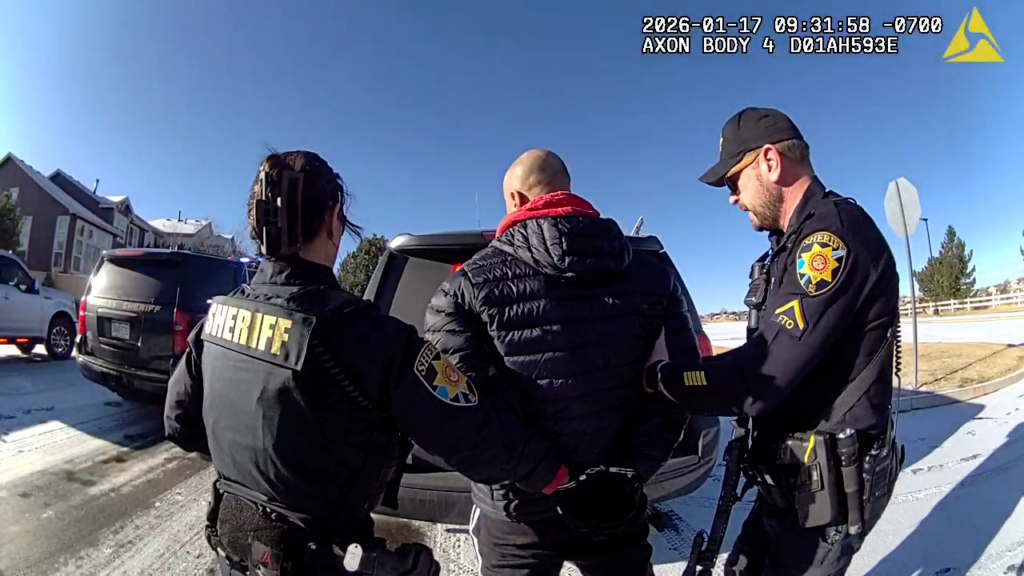
Douglas County deputies on Monday said Flock Safety cameras were critical in an investigation that led to the arrest of a road rage shooting suspect. Deputies with the Douglas County Sheriff’s Office said 43-year-old Mitchell Aaron Weber was arrested Saturday...
Daniel Boniface
Reporter
Colorado governor insists local officers can work with DEA agents amid non-cooperation law
The Denver Gazette
the-denver-gazette@denvergazette.com
Updated 18 minutes ago
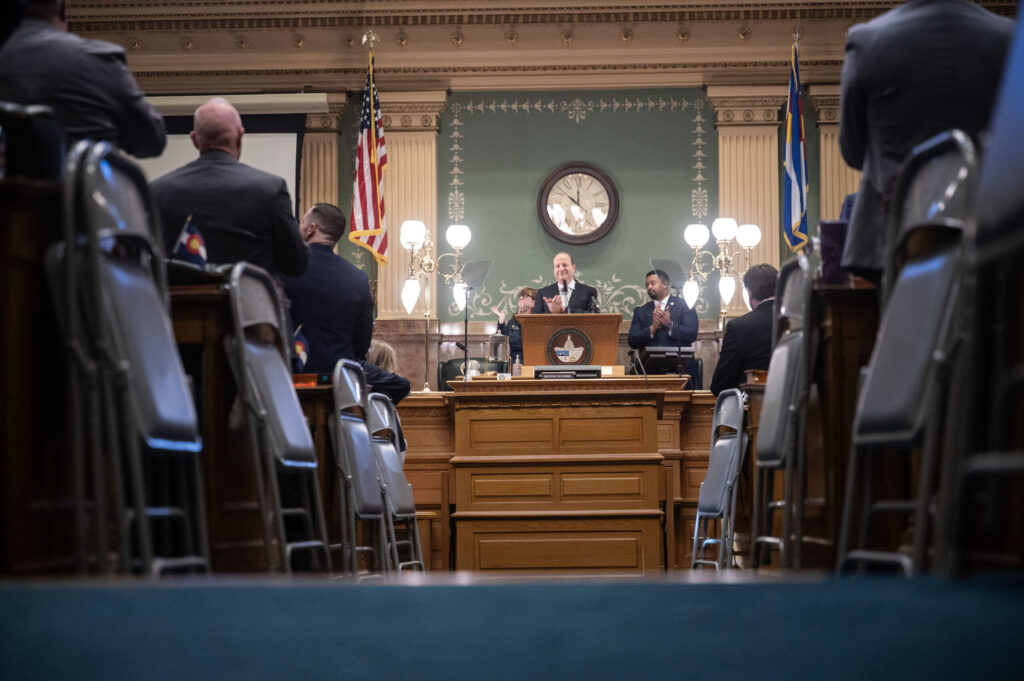
Gov. Jared Polis on Friday insisted that local law enforcement officers in Colorado can — and should — work with federal drug enforcement authorities to go after criminal activity. An official of the U.S. Drug Enforcement Agency earlier said Colorado’s...

The Denver Gazette
Reporter

PHOTOS: Broncos Defeat Bills in Divisional Playoff
Jerilee Bennett
jerilee-bennett@denvergazette.com
Updated 4 hours ago

Jerilee Bennett
Reporter

Is a pardon for Tina Peters coming? Colorado governor confirms he is weighing options
The Denver Gazette
the-denver-gazette@denvergazette.com
Updated 2 hours ago
Gov. Jared Polis on Friday strongly indicated he is considering clemency for Tina Peters, the former county clerk convicted of a security breach at her election office. When pressed about the matter, Polis didn’t offer an explicit answer, but he...
The Denver Gazette
Reporter
Denver weather: Snow and chilly temperatures on MLK Day
Daniel Boniface
dan.boniface@denvergazette.com
Updated 10 hours ago
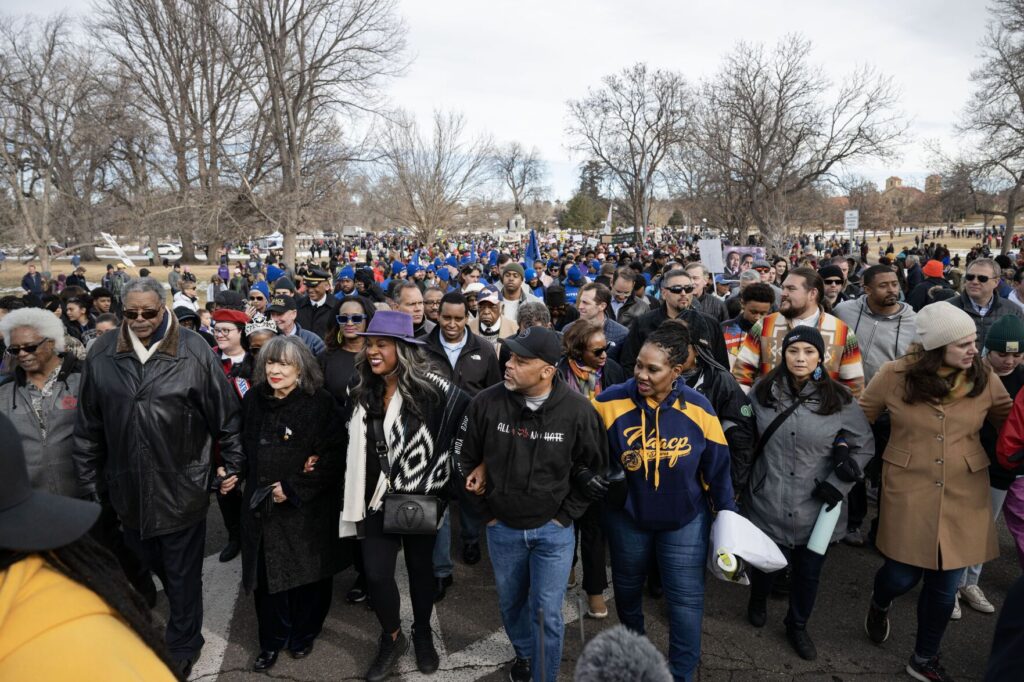
Light snow is expected to clear out of Denver on Monday morning but the chilly temperatures will hang around throughout the Martin Luther King Jr. Day holiday, meteorologist said. The National Weather Service in Boulder said to expect the snow...
Daniel Boniface
Reporter
PREV
PREVIOUS

9 things you probably didn’t know about the American Revolution | Vince Bzdek
By Vince Bzdek What is most striking about Ken Burns’ extraordinary new PBS documentary on the American Revolution is how alike we are right now to those folks in 1776. Take away the tricorn hats and ruffled shirts and they were just as divided as we are now, just as polyglot and p—ed off and […]

First measured snowfall will now be Denver's second-latest or latest ever
Denver officially passed the previous second-latest date for its first measurable snowfall of the year Saturday, making this season’s first snow either the second-latest or latest on record. Nov. 21, 1934 previously marked the second-latest date on record for Denver International Airport to receive its first measurable snowfall, or any accumulation greater than one-tenth of […]