







EDITORIAL: Retail theft robs all Coloradans

Colorado shoppers are accustomed to it: You’re checking out as another “customer” walks by. With stolen items, they sidestep security personnel and cameras. Business carries on as usual; like a breeze, the shoplifters slip out the automatic sliding doors as you pony up to cover the pass-the-buck prices caused by the very crime you just witnessed.
Any law-abiding citizen is rightly incensed by such brazen lawbreaking. That’s not just because it shows flagrant disregard for the law and order that protects us all, but also because rampant retail theft drives up prices for all consumers when retailers have to cover their losses.
Yet, absent tougher laws against retail theft, the response from boots-on-the-ground retail security and law enforcement agencies has been lacking. And without backup from a justice system that generally doesn’t take shoplifting seriously, large-scale retailers pragmatically factor the losses from stolen goods into their corporate bottom line. It literally has become just another cost of doing business for Rocky Mountain retailers.
For too long, concerned consumers haven’t had the data to point to just how bad it is. Last week, Colorado’s Common Sense Institute put some cold, hard numbers to the very real retail theft plaguing Colorado.
A new analysis authored by the institute’s Owens-Early Criminal Justice Fellow and former Denver District Attorney Mitch Morrissey quantifies what already was clear anecdotally: Retail crime has soared in Colorado, with law enforcement agencies recording 27,094 reported shoplifting incidents in 2024 — a 22.4% increase over 2023 and nearly 10% higher than a decade ago.
Dig deeper, and the CSI report publishes an even more infuriating fact: Citing national surveys conducted by the Loss Prevention Research Council, roughly 89% of all retail theft incidents go unreported.
“The true number of incidents is likely closer to 246,309 statewide,” CSI deduced.
That’s 674 retail thefts across Colorado a day. And per CSI’s math attributing 62.4% of all incidents to just four Front Range counties, 421 retail thefts occur every 24 hours across Adams, Jefferson, El Paso and Denver counties alone.
Aside from the pain to our personal pocketbooks, letting easy-to-enforce laws against theft slide has grim implications for the economy at large.
Retail crimes cost Colorado businesses $1.4 billion in 2022 alone. Colorado taxpayers forfeited an estimated $78 million in lost sales-tax revenue. And the institute projects more than 8,000 gigs will be gone each of the next three years.
We echo the report’s recommendations for curbing shoplifting. Among those: When the legislature convenes in January, it must lower Colorado’s statutory dollar threshold for felony theft. Currently, that threshold is $2,000. That’s too high — sixth highest among U.S. states. Any retail theft of merchandise under that amount isn’t a felony in Colorado.
That means criminals are incentivized to pilfer at their pleasure with no possible penalty of true consequence.
The report notes, “A moderate reduction to $1,000 would bring Colorado in line with the national average, better distinguish between organized, high-value theft and lower-level, personal-use incidents, and strengthen the deterrent effect against large-scale retail crime. Such an adjustment would ensure penalties more accurately reflect the severity and intent of the offense while maintaining proportionality across theft categories.”
Are there some state lawmakers willing to draft a bill making that change in the law? Ruling Democrats at Colorado’s perennially soft-on-crime legislature may be loath to clamp down, but the high price of retail theft only is rising. And it’s costing us all.


EDITORIAL: Another pointless mandate — another blow to Colorado business
The Gazette Editorial Board
thegazette-editorial-board@gazette.com
Updated 1 day ago
High school chemistry might have inspired you to prank mom by asking her for some “dihydrogen monoxide” at dinner. Of course, you were deflated when she brought you a glass of water without even arching an eyebrow; she had taken...
The Gazette Editorial Board
Reporter

EDITORIAL: Bring down the hammer on Colorado’s child traffickers
The Gazette Editorial Board
thegazette-editorial-board@gazette.com
Updated 2 days ago
Just as Colorado’s legislature is poised for a new crackdown on child trafficking, a report released this week concludes the repugnant crime “remains near historic levels for the state.” “The ranking is among the highest in the nation for both...
The Gazette Editorial Board
Reporter

EDITORIAL: Leave Colorado’s Labor Peace Act intact
The Gazette Editorial Board
thegazette-editorial-board@gazette.com
Updated 5 days ago
The latest reckless attempt in the legislature to gut Colorado’s long-standing and carefully balanced Labor Peace Act is roundly unpopular. The pending legislation has been drawing flak from Democratic Gov. Jared Polis as well as from the state’s business community. ...
The Gazette Editorial Board
Reporter

EDITORIAL: Cowboys’ move is Colorado’s loss
The Gazette Editorial Board
thegazette-editorial-board@gazette.com
Updated 5 days ago
After more than 75 years of calling Colorado home, the Professional Rodeo Cowboys Association appears to be packing up its operations and ProRodeo Hall of Fame and moving to Wyoming. The all-but-official move to Cheyenne will mark the end of...
The Gazette Editorial Board
Reporter
EDITORIAL: Lawmakers look for ways to let convicts loose
The Gazette Editorial Board
thegazette-editorial-board@gazette.com
Updated 6 days ago
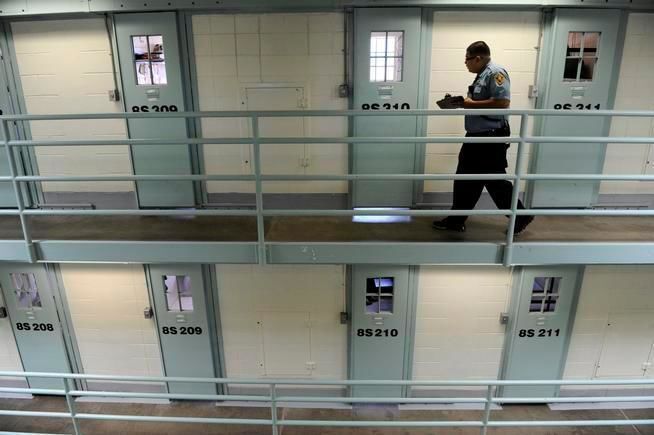
If only the Democratic majority at the State Capitol worried as much about the offenders roaming our streets as it does about those who are behind bars. Colorado’s offender-friendly legislature seems oblivious to the former and convinced there are too...
The Gazette Editorial Board
Reporter
EDITORIAL: A scar heals above the Springs
The Gazette Editorial Board
thegazette-editorial-board@gazette.com
Updated 7 days ago
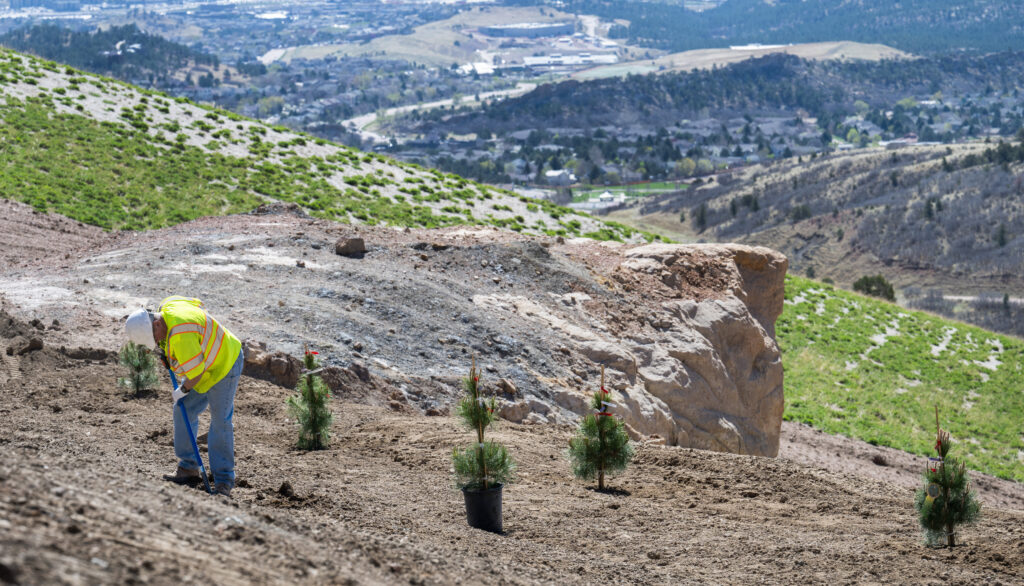
A Gazette report last month summarized the legacy of the Pikeview Quarry on the city’s northwest side with one simple yet accurate word: complicated. For decades, the “Scar Wars” that were fought over the quarry had cast a shadow over...
The Gazette Editorial Board
Reporter
EDITORIAL: Don’t leave Coloradans in the dark
The Gazette Editorial Board
thegazette-editorial-board@gazette.com
Updated 1 week ago
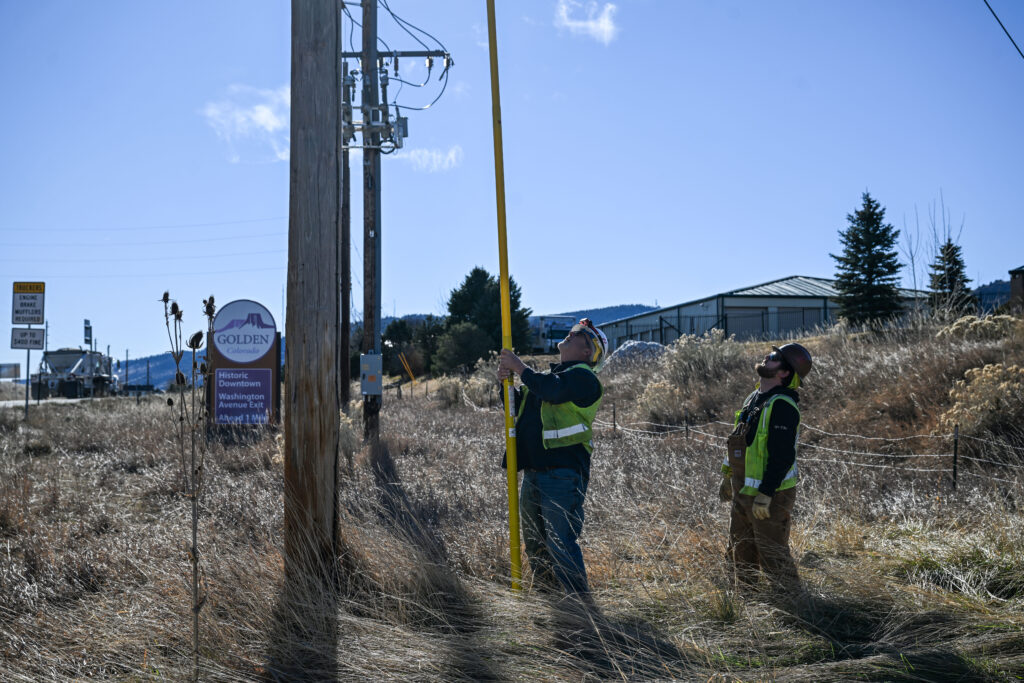
When residents spoke at last week’s meeting of the Colorado Public Utilities Commission, which regulates the state’s utility companies, they gave them an earful about Xcel Energy’s “Public Safety Power Shutoffs” in December. The utility giant — a state-regulated monopoly...
The Gazette Editorial Board
Reporter

EDITORIAL: Defiance of immigration laws will backfire on Colorado
The Gazette Editorial Board
thegazette-editorial-board@gazette.com
Updated 1 week ago
The contempt for law enforcement among ruling Democrats at the State Capitol has escalated — from reckless to delusional. It was in 2020 that the Democratic majority in the legislature, led by its soft-on-crime political fringe, revoked qualified immunity from...
The Gazette Editorial Board
Reporter
EDITORIAL: Applause anew for Polis on school choice
The Gazette Editorial Board
thegazette-editorial-board@gazette.com
Updated 1 week ago
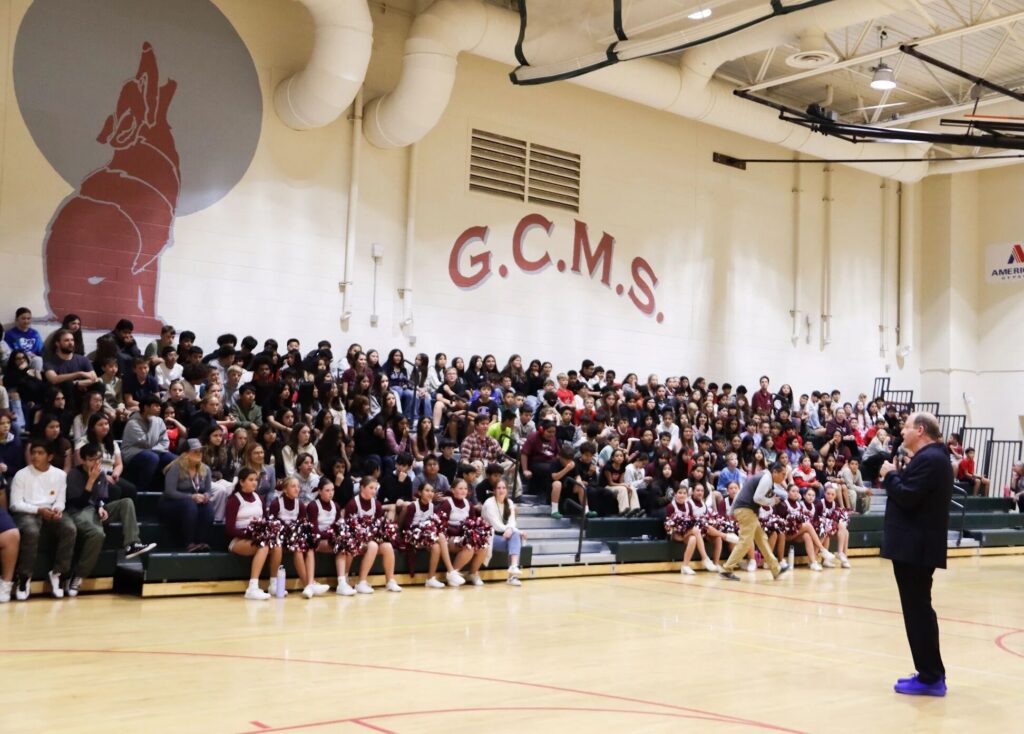
Kudos once again to Gov. Jared Polis for standing up — and sticking out his neck — for a promising federal initiative that incentivizes school choice. Thanks to the governor’s recent decision to OK our state’s participation, Colorado’s kids and...
The Gazette Editorial Board
Reporter

EDITORIAL: Colorado must make way for data centers
The Gazette Editorial Board
thegazette-editorial-board@gazette.com
Updated 2 weeks ago
Colorado has become a leading state for innovative technology companies to set up shop. The question is: Can — and will — we keep it up? That may depend on whether we’re hospitable to data centers, a critical element of...
The Gazette Editorial Board
Reporter
PREV
PREVIOUS

COLUMN: Good news and bad, about a complaining nation
SAN DIEGO — With all due respect to baseball, the real national pastime is complaining. Oblivious to how soft and comfortable our lives are compared to those of millions of other people around the world, Americans love to gripe. Whether it’s harvest time or not, we make “whine” year-round. We complain about the […]

Closing a processing plant hits a community hard
Black Swan is apparently on the menu this holiday season for people across the cattle and beef value chains. Last week, Tyson announced the closure of a processing plant in Lexington, Nebraska. This plant processes about 5,000 head of cattle daily and employs over 3,200 people. In a town like Lexington, this closure realistically directly […]