How to drive in snow and ice in Colorado
peeterv/iStock.com
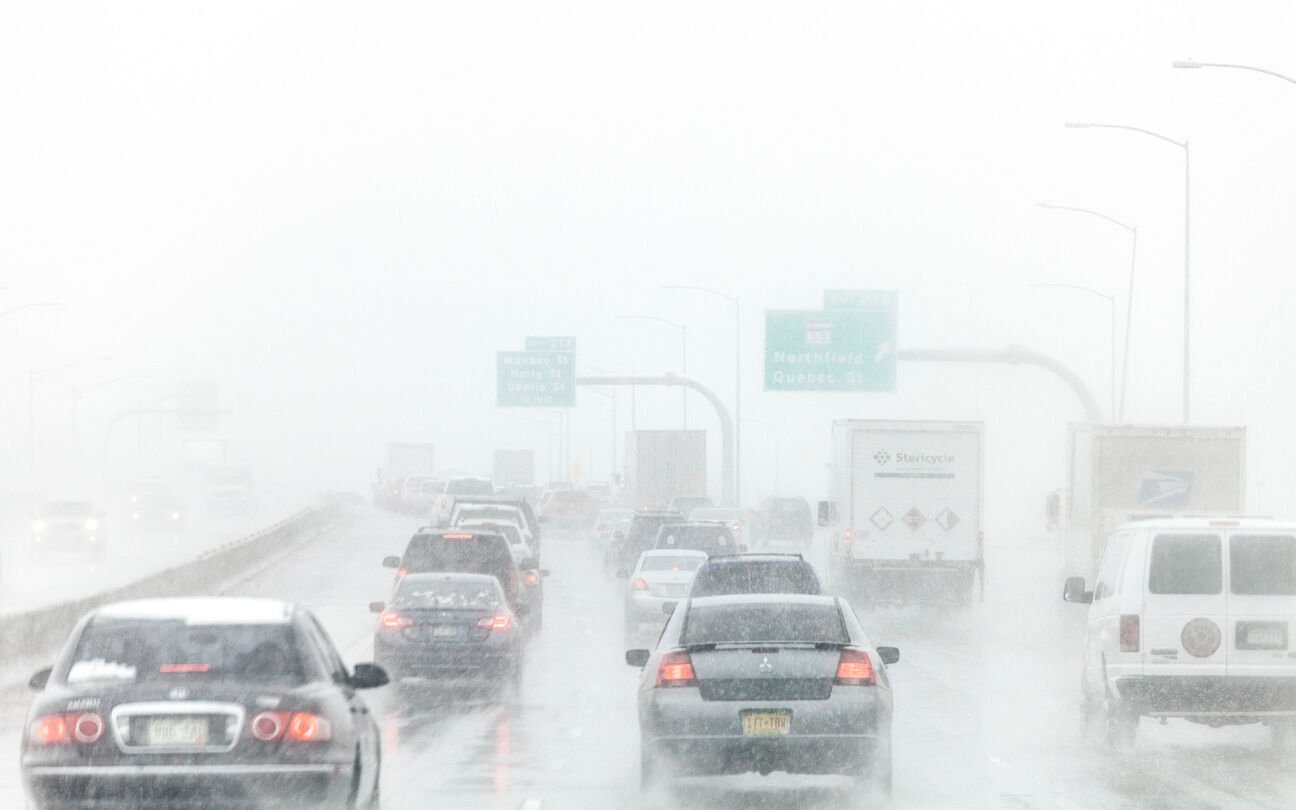
Buckle up. The winter driving season is upon us. So, if you’re new to Colorado or it’s just been a while since you’ve driven in winter conditions, it’s always a good idea get a quick refresher on how to drive in snow and ice in Colorado.
Before you drive in snow and ice
You should always be prepared before heading out into snowy and icy road conditions. From winterizing your vehicle to packing the essentials, here’s the checklist to make sure you’re prepared for winter driving conditions.
1. Check your tires
Always make sure your tires have good tread and are properly inflated in winter driving conditions. In the high country, commercial vehicles should make sure to obey Colorado’s chain law.
2. Keep an emergency kit in your vehicle


You never know what’s going to happen out there, so it’s always a good idea to have an emergency kit in your vehicle. Pack extra cold-weather gear, including warm clothing and blankets.
The Colorado Department of Transportation also recommends keeping a gallon of water, a first aid kid and essential medications, a flashlight with extra batteries, a glass scraper/snow brush tool, jumper cables, tire chains and a tow strap, flares or reflectors to signal for help or warn other drivers, a battery or crank-powered radio to listen to emergency broadcasts.
CDOT also recommends keeping non-perishable snacks, hand warmers, non-clumping kittle litter or sand for traction and a deck of cards or a board game to pass the time.
3. Fill up your gas and wiper fluid


AAA recommends always having at least half a tank of gas in your vehicle at all times when driving in winter conditions. Drivers of electric vehicles should make sure they have plenty of charge, and a plan of where to recharge. It’s also essential to fill up your wiper fluid before driving to help keep your windshield clear.
4. Plan ahead, give yourself extra time
Snow and ice on the roadways will mean longer drive times. Plan your route ahead of time to avoid areas that could be treacherous and give yourself extra time to arrive.
Winter driving tips on snow and ice
AAA recommends staying home in snowy and icy conditions, if at all possible. But if you must venture out, there are several things to keep in mind in order to get to your destination safely.
1. Watch your speed
Most crashes in snowy and icy conditions occur when drivers are going too fast for the conditions, CDOT said. So slow down and take your time to get there. And never use cruise control on slippery surfaces, AAA said.
2. Do things one at a time
CDOT said there are three things you do most when driving: accelerate, turn and brake. But when driving on snow and ice, you should only do one of these things at a time. Trying to do two of these things at once can cause slide-outs or spinouts, which can lead to dangerous situations.
3. Give yourself more space


AAA recommends increasing your follow distance to five to six seconds behind the car in front of you. That extra space will give you more time to stop.
4. Take it easy on the pedals
Hitting the gas too hard can cause your tires to spin out. Slamming on the brakes can result in a spinout. So, accelerate slowly, brake gradually and leave your lead foot at home.
5. Use momentum to your advantage
As you approach a traffic light, try to avoid coming to a complete stop if you can. AAA says to slow down enough that you’ll keep rolling until the light changes. You never want to stop on a hill because you might slide back down if it’s icy, or your wheels might spin out when you try to get started again. AAA says to let your inertia carry you to the top of a hill and then reduce your speed gradually as you hit the crest. But don’t power up the hill or your tires might spin out. When traveling downhill, CDOT says to switch to a lower gear, if possible.
6. How to handle a skid


The best way to avoid a skid is to follow the tips above and not get into one. But, if you find yourself skidding out, it’s recommended to take your foot off the pedals and steer toward the direction you want to go, according to the AARP. You may need to overcorrect once you’re out of the skid to stay on course.
7. Always pay attention
The best way to stay safe in snowy and icy driving conditions is to pay attention to your surroundings. CDOT says “signage is your best friend,” because it can help you be ready for sudden turns or stops. So, keep your eyes on the road, set your radio station in advance and don’t be messing with your phone.
8. Stay in your vehicle
If you’re involved in a crash, or encounter one, always stay in your vehicle. CDOT says you’re safer inside your car than outside of it. Use your cell phone to call for help if needed.
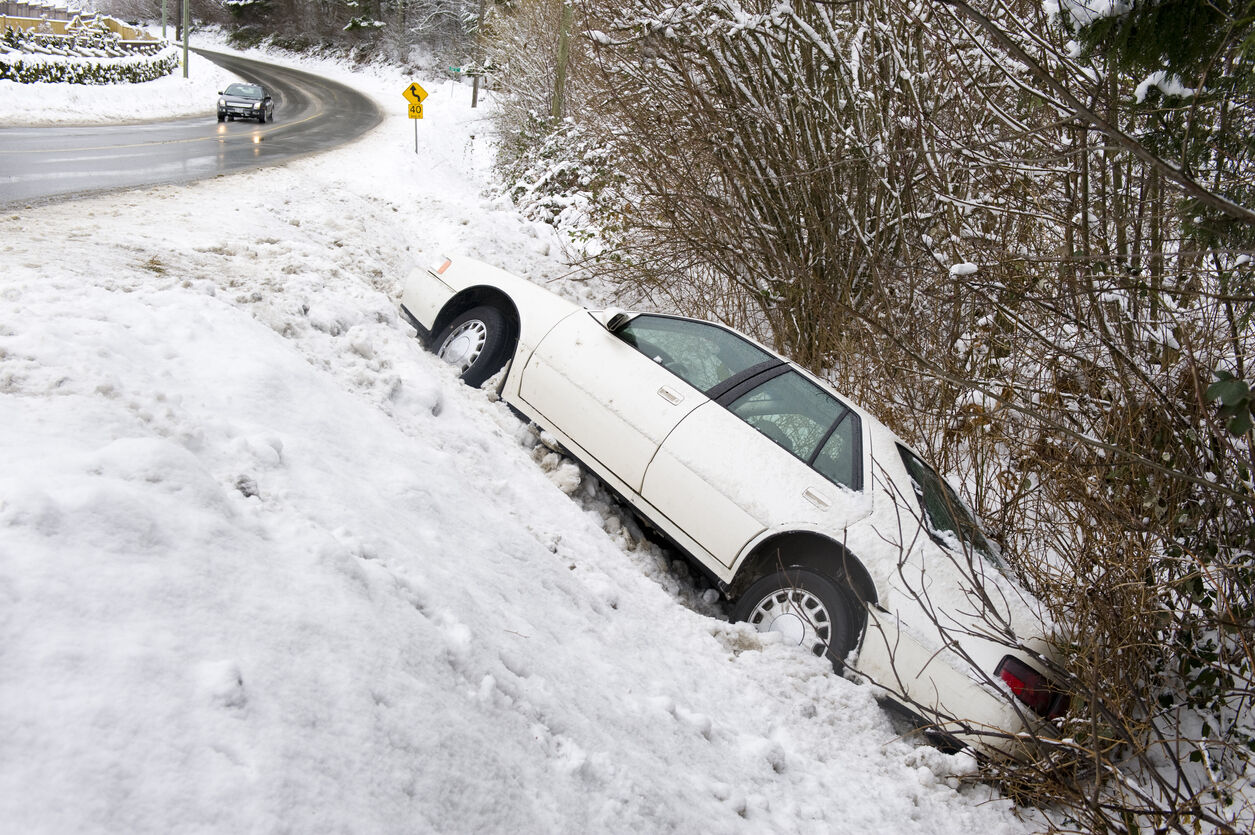
Photo Credit: KarenMassier (iStock).


Drivers to see I-25 closures at Highway 7 for construction
Kyla Pearce
kyla-pearce@denvergazette.com
Updated 53 minutes ago
Drivers on I-25 will see closures next week at Highway 7 for maintenance, and detours will be in place on Monday and Tuesday nights. The maintenance — putting a concrete girder in place for a new pedestrian bridge — is...

Kyla Pearce
Reporter

Apartment giant Greystar settles with Colorado over fraudulent advertising
Mark Samuelson
mark-samuelson@denvergazette.com
Updated 42 minutes ago
Greystar, the nation’s largest apartment owner and manager with holdings of more than 100,000 units, has settled a far-reaching suit by the Federal Trade Commission and the State of Colorado, over deceptive advertising that conceals hidden rental fees. “Addressing deceptive...

Mark Samuelson
Reporter
Suspect who allegedly beat up man at Red Rocks concert sought
Michael Braithwaite
michael.braithwaite@gazette.com
Updated 59 minutes ago
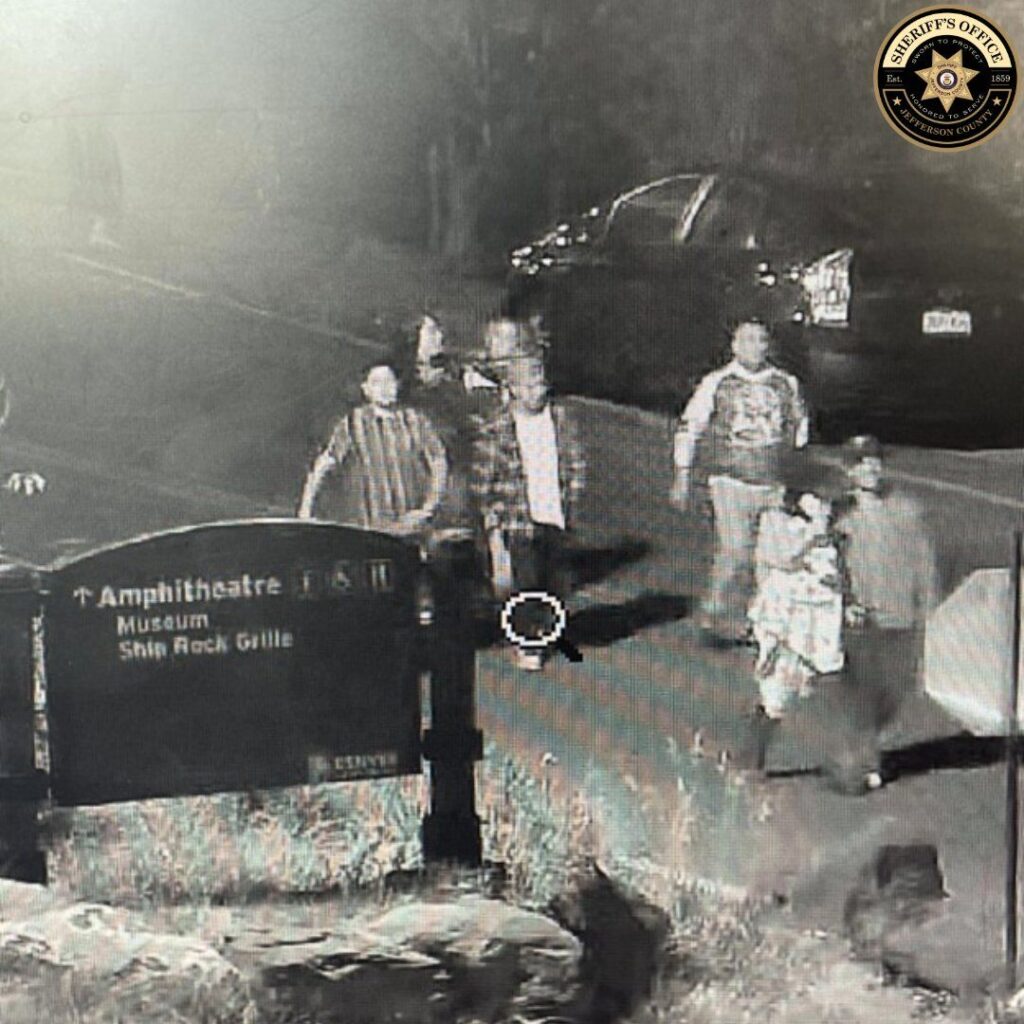
Jefferson County officials are asking the public for help in identifying a suspect who allegedly assaulted a man and left him with several broken bones at an October Red Rocks concert. The assault took place during the Martin Garrix concert...

Michael Braithwaite
Reporter

The DIVAs are coming to the Denver Art Museum, an exclusive fashion exhibit featuring celebrity red carpet looks
Emily Bejarano
emily-bejarano@gazette.com
Updated 58 minutes ago
Highlighting looks from more than 100 icons from powerhouses like Lady Gaga, Rihanna, RuPaul, Prince and Tina Turner Strike a pose. The stage is set for Denver in 2026. The Denver Art Museum is debuting an iconic fashion experience coming...

Emily Bejarano
Reporter

Musical headliners named for 2026 Outside Days festival, presale tickets on sale Wednesday
Jonathan Ingraham
jonathan.ingraham@denvergazette.com
Updated 56 minutes ago
Outside Interactive Inc., in partnership with the State of Colorado’s Outdoor Recreation Industry Office and presented by Capital One and REI Co-op, announced Wednesday the headliner music acts for the 2026 Outside Days in downtown Denver. Known as the Outside...

Jonathan Ingraham
Reporter
Snow totals: Here’s how much fell across Colorado from December storm
Jonathan Ingraham
jonathan.ingraham@denvergazette.com
Updated 55 minutes ago
The first major snow storm of winter 2025-26 hit Denver and Front Range late Tuesday night, dropping several inches of snow from Pueblo to Cheyenne, Wyoming. The highest accumulations were in the Front Range foothills west of Denver and west...
Jonathan Ingraham
Reporter

Flights delayed, traffic slowed as Denver receives first major snow
Michael Braithwaite
michael.braithwaite@gazette.com
Updated 6 hours ago
Denverites woke up to a winter wonderland, with over two inches of snow blanketing the city by rush hour Wednesday morning. That number was a low point along the Front Range, according to the National Weather Service Boulder. Fort Collins...
Michael Braithwaite
Reporter
10-20″ of snow forecast in Colorado from multi-day weekend storm
Jonathan Ingraham
jonathan.ingraham@denvergazette.com
Updated 9 hours ago
Winter weather continues to bring a lot more snow to Colorado’s high country in December as a multi-day weekend storm packs between 8-16″ for some ski areas across the state. In all, 10-20″ of snow is possible by weekend’s end...
Jonathan Ingraham
Reporter
Denver weather: 2-4″ of snow by sunset Wednesday, listing of area schools closed
Jonathan Ingraham
jonathan.ingraham@denvergazette.com
Updated 8 hours ago
Snow showers will continue on Wednesday into the late afternoon hours, with up to 4″ of snow possible in the city; higher amounts in the southern and western suburbs. A winter weather advisory is in effect until 6 p.m., including...
Jonathan Ingraham
Reporter

Mission possible: Phamaly alumni made national impact in ’25
John Moore
john.moore@denvergazette.com
Updated 48 minutes ago
2025 DENVER GAZETTE TRUE WEST AWARDS: DAY 3 From film to Broadway, Denver disability artists ‘are living proof that anything is possible’ When five students created Denver’s first disability theater company back in 1989, it was to create performance opportunities...

John Moore
Reporter