







Back to school: CU Denver offers retirees guidance for next chapter
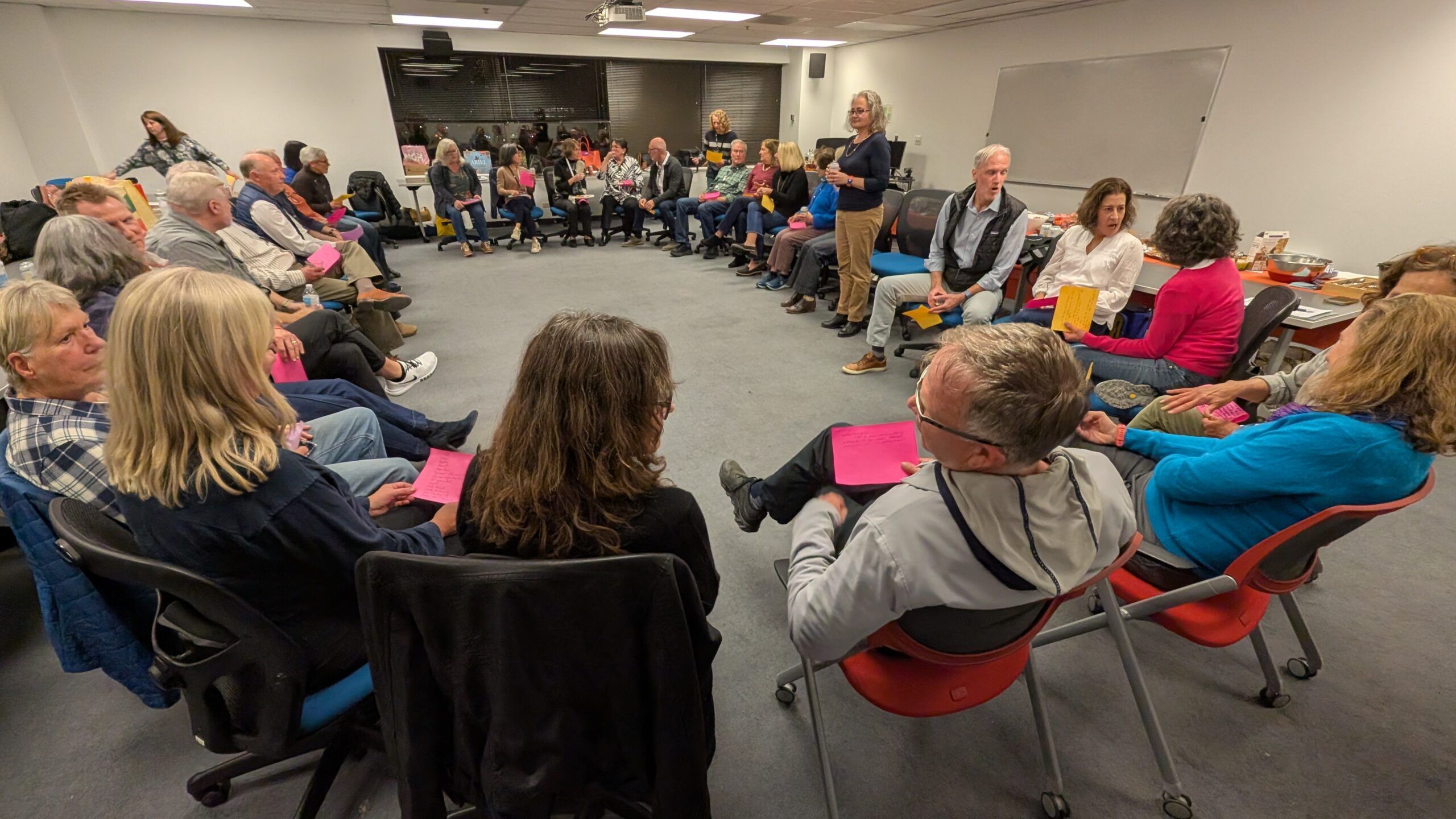
Going to college is often associated with the phase in life when a person begins or pivots their professional career, but what about the phase when it’s winding down?
With this question in mind, the University of Colorado Denver developed a program to help retirees look toward their futures. Based on successful programs at universities like Stanford and Notre Dame, Change Makers launched in 2023 to provide people nearing or at the end of their professional careers with resources and guidance to explore future possibilities and a renewed sense of purpose.
“I would say there’s a need (for this program) everywhere in the country, quite frankly,” founding program director Anne Button said.
As Colorado’s population continues to rank among the fastest aging states in the country, more are left wondering what’s next for them after retirement. With the average lifespan also increasing, they are often left with plenty of life to live — but without a defined pathway.
“I knew that sitting around the house or gardening or some of the other things that people think retirement is was not necessarily all there was,” said Colorado Springs resident Dinah Mann, looking back to 2023 when she began exploring alternatives.
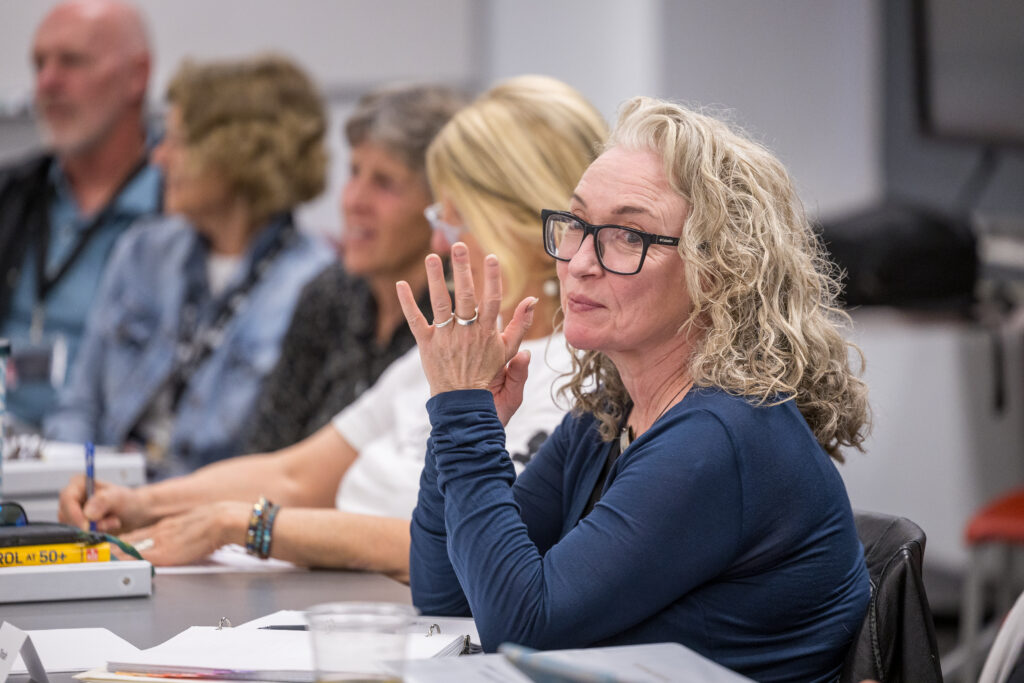
Since welcoming a new cohort every semester since spring 2023, the program has inspired and reinvigorated passions ranging from picking up hobbies to opening consulting firms to earning a pilot’s license to even preserving and restoring neon signs throughout Colorado.
Button said she began the program after following the development of others across the country, recognizing a gap around Colorado and considering the university’s goal of being a “university for life” as outlined in its latest strategic plan.
She also found herself and her friends in the stage of life where their children are grown up and their own careers firmly established.
“We’re looking at maybe retiring sometime soon, but we don’t really want to retire in the old school way,” she said. “Especially now that everyone’s living 30 years more, we want to do things differently.”
Multiple studies have determined that the average life expectancy rose to 71 years from 1900 to 2021. Instructor Rachel Cohen was recruited by Button shortly after the program’s development began because of her background in aging dynamics.
Cohen echoed her belief that the program was a “great need” in Colorado with people experiencing greater longevity and added that the result was determined by what worked and what didn’t from similar programs.
“We’ve really kind of honed in on this journey that’s working for folks,” she said.
The result is a semester-long series of twice-weekly sessions that rely heavily on each fellow’s introspection and exploration. Guest speakers, facilitator guidance and exercises such as writing one’s own life story and eulogy are used to assess where fellows are currently at, consider where they might like to go next and plan how they’ll get there.
The work culminates with the development of a 12-week plan outlining the next steps for each fellow and how exactly they’ll see it through.
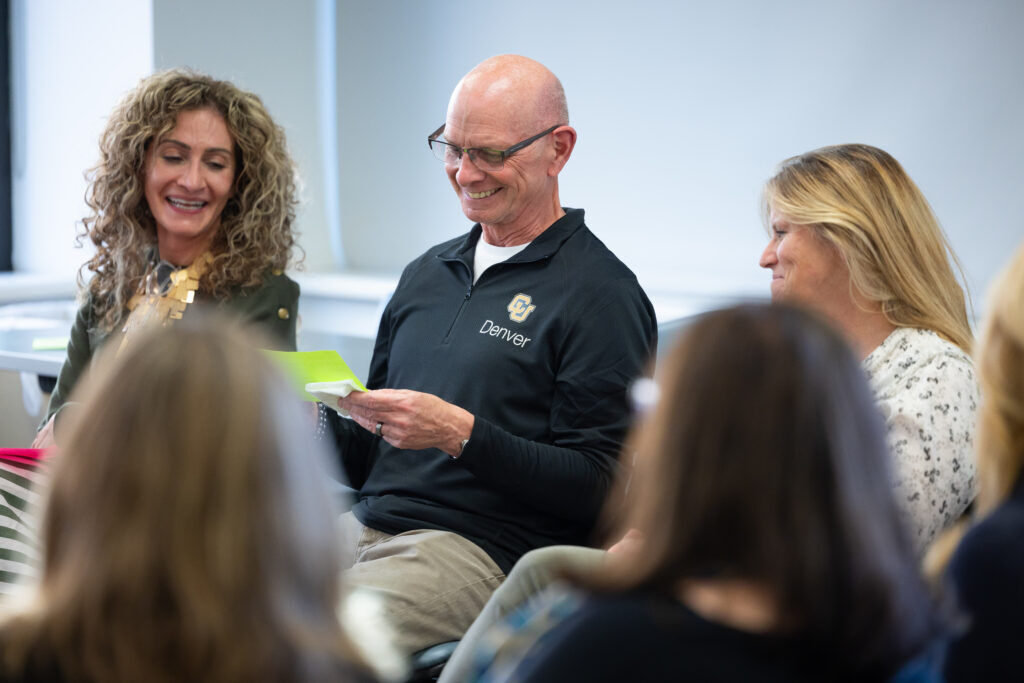
For recently graduated fellows like Michelle Jeske, the program was a revelation.
After more than 20 years spent with the Denver Public Library, which included 10 years as its executive director, she applied for the program in January.
“I looked at it and I thought, ‘Oh my gosh, this is exactly what I need,’ because I don’t have a clue what I want to do going forward,” she said.
Giving her 12-week plan the name “Nest, rest and dabble,” Jeske now sees herself volunteering or earning a certificate to become a midlife transition coach while still giving herself enough free time to pick up a mixed media or photography class and nurture spontaneity.
“Which is a lot of what they promote through this class: experimentation,” Jeske said. “Just try things, don’t commit too much too soon, see if you like it… and just don’t take life so seriously. We all have a lot left to give and we should also be having fun.”
For some fellows, the program has led to rediscovering an old passion like painting or theater acting. For others, it’s led to picking up new ones.
In the case of Dr. Mary Laird, a recently retired neonatologist at the Children’s Hospital in Colorado Springs, fostering new and existing relationships and community service is what she intends to continue, brushing up on her Spanish is what she hopes to regain and the ability to draw is what she now plans to learn.
“I did not expect for creativity to come up in this class and to grab me the way it did,” she said. “But it did tap into this cognitive thing that I already decided I wanted to do.”
Where the program differs from others across the country is cost.
Harvard’s Advanced Leadership Initiative was recently reported to cost $80,000 and Notre Dame’s Inspired Leadership Initiative was priced at about $65,000. The Change Makers Program costs $3,600 for the semester.
Button said the price difference is the result of CU Denver’s program lasting only one semester, not requiring residency and not having to compete with graduate tuition rates.
“We just knew that we had to make this reflect the nature of CU Denver, which is not elite and exclusive and expensive,” she said. “So, we just worked within those confines to create an affordable program.”
The application deadline for Change Makers’ seventh cohort is Dec. 15.


Colorado breweries win top awards in beer competition
Piper Russell
piper.russell@outtherecolorado.com
Updated 12 hours ago
The Colorado Brewers Guild has recently announced the winners of the annual Colorado Brewers Cup, which “showcases the exceptional quality of craft beer in Colorado.” Glenwood Canyon Brewing won small brewery of the year, which includes brewers with under 675...

Piper Russell
Reporter

Suspect arrested in hit-and-run that killed teen
Kyla Pearce
kyla-pearce@denvergazette.com
Updated 12 hours ago
Thornton police arrested a suspect in a hit-and-run crash that killed a 14-year-old boy late Saturday night, police said Sunday afternoon. The crash happened just before 9:45 p.m. Saturday near the intersection of Thornton Parkway and Huron Street, just west...

Kyla Pearce
Reporter

‘Soul Power’: Long live the ABA
John Moore
john.moore@denvergazette.com
Updated 17 hours ago
Fifty years later, new documentary series takes nostalgic look at how the rebel American Basketball Association changed the NBA – and the world Three-point ABA trivia question: What do rapper-actor Common and Grammy Award-winning singer India.Arie have in common? Answer: Their...

John Moore
Reporter
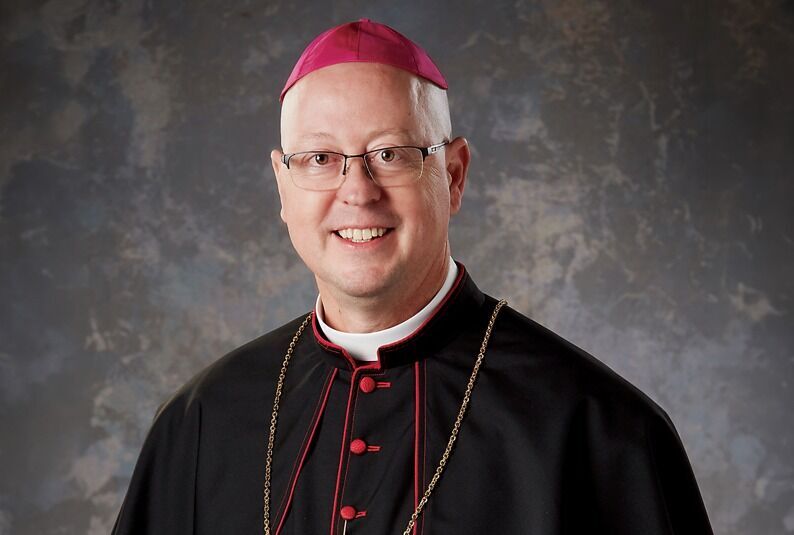
Denver archdiocese announces new archbishop James Golka
Michael Braithwaite
michael.braithwaite@gazette.com
Updated 2 days ago
The Denver archdiocese announced the appointment of its next archbishop Saturday morning. James Golka, 59, who received the appointment from Pope Leo XIV, will make a move up from Colorado Springs, where he has been serving as the third bishop...

Michael Braithwaite
Reporter
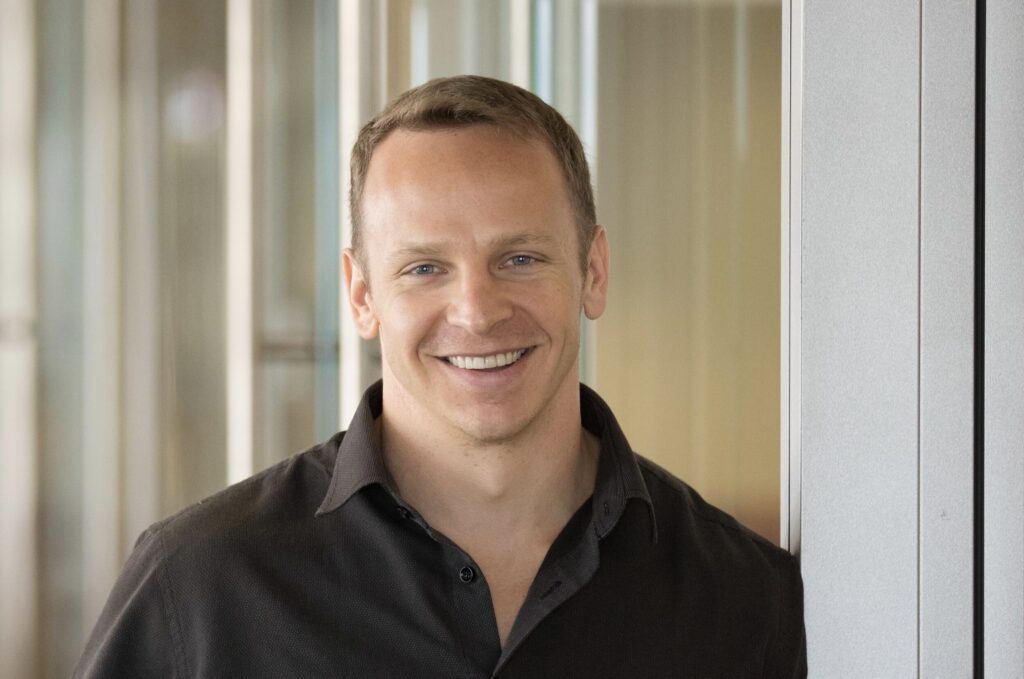
Evans challenger Evan Munsing qualifies by petition for Democratic primary ballot in Colorado’s 8th CD
Ernest Luning
ernest-luning@denvergazette.com
Updated 2 days ago
Thornton Democrat Evan Munsing, one of three major Democratic candidates challenging Republican U.S. Rep. Gabe Evans’ bid for a second term, became the first candidate to qualify for Colorado’s 8th Congressional District primary after submitting a sufficient number of valid...

Ernest Luning
Reporter

PHOTOS: Goldens in Golden
Stephen Swofford
stephen-swofford@denvergazette.com
Updated 2 days ago

Stephen Swofford
Reporter
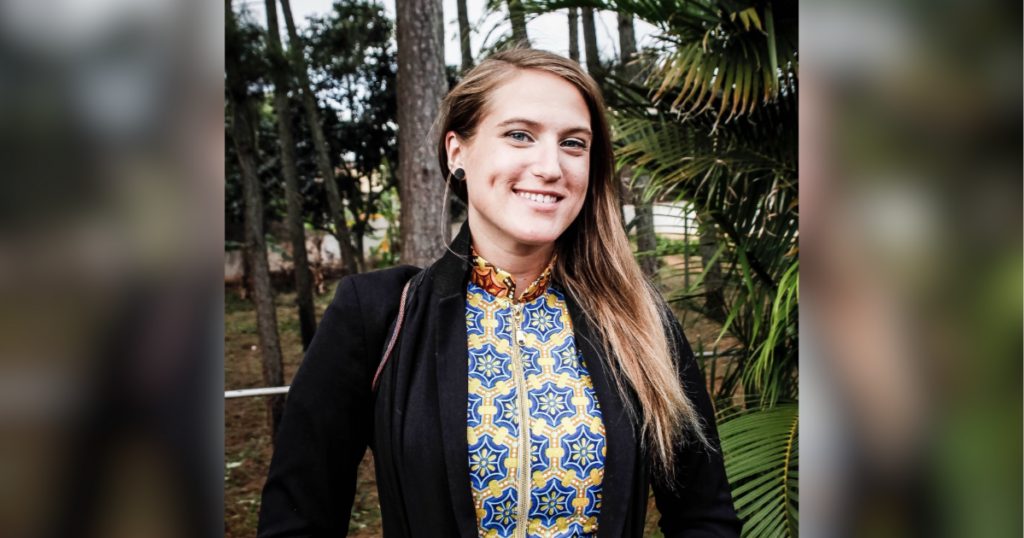
Deaths by suicide decrease at Royal Gorge Bridge following safety upgrades
Debbie Kelley
debbie-kelley@denvergazette.com
Updated 2 days ago
CAÑON CITY – Jay Valusek stared at “that damned railing” for hours that bled into days after his beloved 28-year-old daughter jumped in 2018 from atop the metal edge of the Royal Gorge Bridge to her death 956 feet below....

Debbie Kelley
Reporter
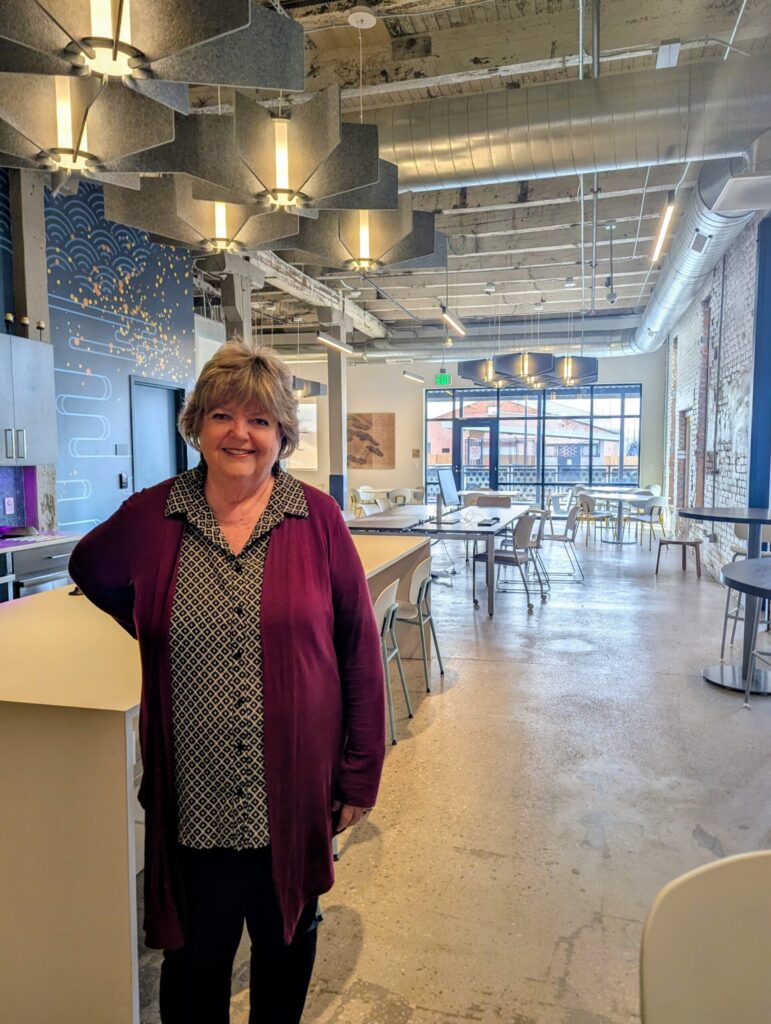
Greeley’s StarRise Apartments offers permanent residency to the homeless
Hap Fry, Special to The Gazette
hap-fry@gazette.com
Updated 13 hours ago
GREELEY – Before 2025, Christine Taulman was not the biggest fan of the holidays. Her feelings were understandable — homeless, she was in and out of shelters for much of her life between 2015 and 2024. But the Greeley resident...

Hap Fry, Special to The Gazette
Reporter

9 great Colorado story lines to follow in the Olympics | Vince Bzdek
Vince Bzdek
vince-bzdek@denvergazette.com
Updated 2 days ago
The Broncos may not have quite made it to the Super Bowl, but you know what, there’s another Super Bowl this weekend for a certain Colorado team. Boasting 33 athletes plus one alternate, Colorado has the most athletes of any...

Vince Bzdek
Reporter
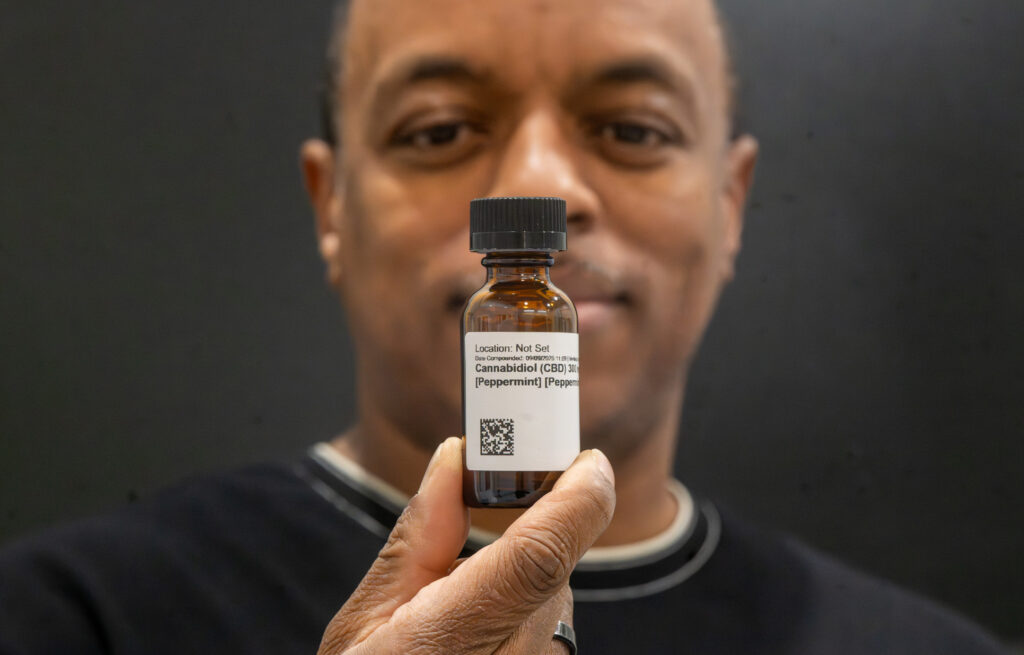
Novel medical-grade CBD pharmacy opens in Colorado, first of its kind in U.S.
Breeanna Jent
breeanna-jent@denvergazette.com
Updated 2 days ago
Inside an unassuming yet sprawling industrial building nestled within the high plains of Watkins, about a 30-minute drive southeast of Denver International Airport, step into Kazmira Therapeutics’ “hemp bay,” as it’s affectionately called. Stacked and lined on pallets and metal...

Breeanna Jent
Reporter
PREV
PREVIOUS

Denver comic's memoir comes to life at 2026 Sundance Film Festival
“See You When I See You,” a new film adaptation of Denver standup comedian Adam Cayton-Holland’s deeply personal memoir “Tragedy Plus Time,” will have its world-premiere screening the 2026 Sundance Film Festival, running Jan. 22–Feb. 1, 2026, in Park City and Salt Lake City, Utah. An at-home program will be made available for online viewers […]

In Sunnyside, a new-built ranch mirrors its surroundings
Even six years ago, Denver’s Sunnyside area, north of Highlands, east of Berkeley, was a spot where young buyers could find an entry to homeownership — just as Berkeley was 10 years before that, and Highlands was 10 years before that. Agent Vivian DePaola with Corcoran Perry said the neighborhood has too much going for […]