







As candles are lit, Colorado Jews seek to ‘fight the darkness with light’ following Bondi attack
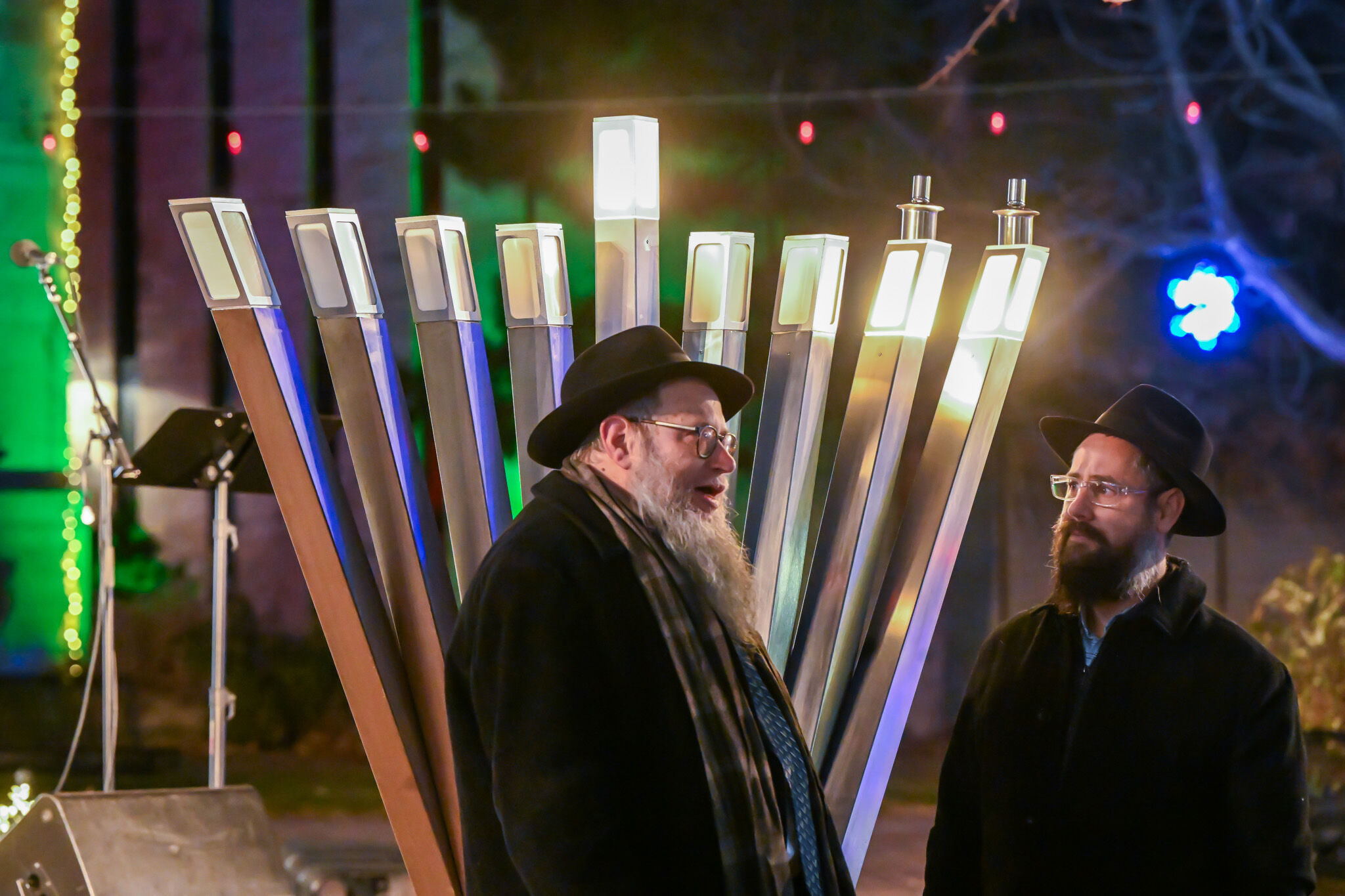
As Jews across Colorado draw together to celebrate Hanukkah, conversations once again turned to the slaughter of the innocent – this time at Bondi Beach near Sydney, Australia.
“We thought we were getting away from it, but then it comes back,” said Kevin Farrington, a 25-year FBI veteran who heads the Colorado team for Secure Community Network, a training and communications organization serving Jewish congregations and organizations in the wake of a run of antisemitic attacks.
Farrington and his team help prepare worshipers for the possibility of an attack. That has been a growing concern since the 2018 attack by a gunman who killed 11 worshipers at Tree of Life synagogue in Pittsburgh, and which hit a crescendo with the Oct. 7, 2023 massacre of 1,200 civilians in Israel’s Negev region near Gaza.
Last June, the violence came home to Colorado. A Molotov cocktail attack by a lone assailant on marchers in Boulder, who were carrying on a weekly demonstration for the release of the remaining Gaza hostages, left one dead.
That event had been followed by a relative peace, reinforced by the October ceasefire in Gaza.
But the scope of the Bondi Beach killings by the alleged father-son attackers – reportedly inspired by radical Islamic ideology, leaving 15 victims dead and another 40 celebrants injured – has renewed the anguish in the Jewish community here in Colorado.
HORRIFIED AND HEARTBROKEN
“It’s devastating,” said Senior Rabbi Avraham Mintz of Chabad South Metro Denver in Greenwood Village and Lone Tree, who took time to speak with The Denver Gazette during a whirlwind of festival events that are being staged in part as a reaction to the shootings.
“We are horrified and heartbroken, but not shocked about the attack,” added Senior Rabbi Sarah Shulman at Denver’s Hebrew Educational Alliance, a south Denver congregation affiliated with Judaism’s conservative movement.
“Given the rampant antisemitism that festers throughout our world, to be shocked would be naïve,” she added. “It truly breaks my heart that a group of Jewish families who were gathered simply to light candles, eat donuts, and celebrate Hanukkah together would be gunned down so brutally by a father and son.”
Shulman noted, as many did, the heroism demonstrated by bystanders, including a Muslim fruit vendor who tackled one shooter and tore away his gun.
“I must have watched that video a dozen times,” Shulman added. “In a world in which Jews so often feel isolated and targeted, his actions, along with other acts of bravery at the scene, were an important reminder that we are not alone.”
Farrington, who stays in close contact with security teams at congregations and events, said that law enforcement has stepped up their level of awareness in the wake of the Australia killings.
“Communication is great; they’re doing everything they can.”
His staff, Farrington added, continues conducting safety planning with organizations’ staff and volunteers, while carrying out building assessments identifying safety risks.
“It’s very challenging. We’re trying to stay ahead of it,” he added.
Mintz said the Jewish Festival of Lights is the right venue to answer a terror attack, such as last Sunday’s.
“We’re a people of action,” he said. “We’re going to fight the darkness with light.”
Mintz, who was enroute from a hospital to a senior center, said that he and his assistant rabbis and educational staff were working nonstop through the week, visiting nursing homes, carrying on a Hanukkah-on-Ice skating event for the congregation, and adding a holiday stopover to visit prisoners at a law enforcement detention center.
“We’re doing more events than ever,” Mintz added. “We’re going to light the darkness.”
Rabbi Joe Charnes, who serves the historic Temple Aaron congregation in Trinidad, reflected on the meaning of the festival, with its root in the second-century BC Maccabean Revolt, a period of captivity in Israel.
RIGHT OF SELF-EXPRESSION
“At this time, we’re remembering a war not for territorial expansion or for conversion, but for the right to self-expression, to be allowed to celebrate the landscape within,” he said.
Charnes said he was horrified not just by the attack, but in the failure of Australian leaders to read warning signs for the attack’s potential.
Coming into the holiday last weekend, Charnes and other worshipers hosted a celebration for police, firefighters and other first responders in their historic synagogue, which dates from 1883.
“Without the first responders, we wouldn’t have the freedom to live in relative freedom and security,” he said.
“We will not be victims,” added Shulman, noting that the Australian victims will be on her mind as she lights Hanukkah candles tonight. “We want to be lamplighters to ignite a world of goodness, love, and justice.”
The festival of Hanukkah ends Monday.


Colorado breweries win top awards in beer competition
Piper Russell
piper.russell@outtherecolorado.com
Updated 12 hours ago
The Colorado Brewers Guild has recently announced the winners of the annual Colorado Brewers Cup, which “showcases the exceptional quality of craft beer in Colorado.” Glenwood Canyon Brewing won small brewery of the year, which includes brewers with under 675...

Piper Russell
Reporter
Suspect arrested in hit-and-run that killed teen
Kyla Pearce
kyla-pearce@denvergazette.com
Updated 11 hours ago
Thornton police arrested a suspect in a hit-and-run crash that killed a 14-year-old boy late Saturday night, police said Sunday afternoon. The crash happened just before 9:45 p.m. Saturday near the intersection of Thornton Parkway and Huron Street, just west...

Kyla Pearce
Reporter
‘Soul Power’: Long live the ABA
John Moore
john.moore@denvergazette.com
Updated 17 hours ago
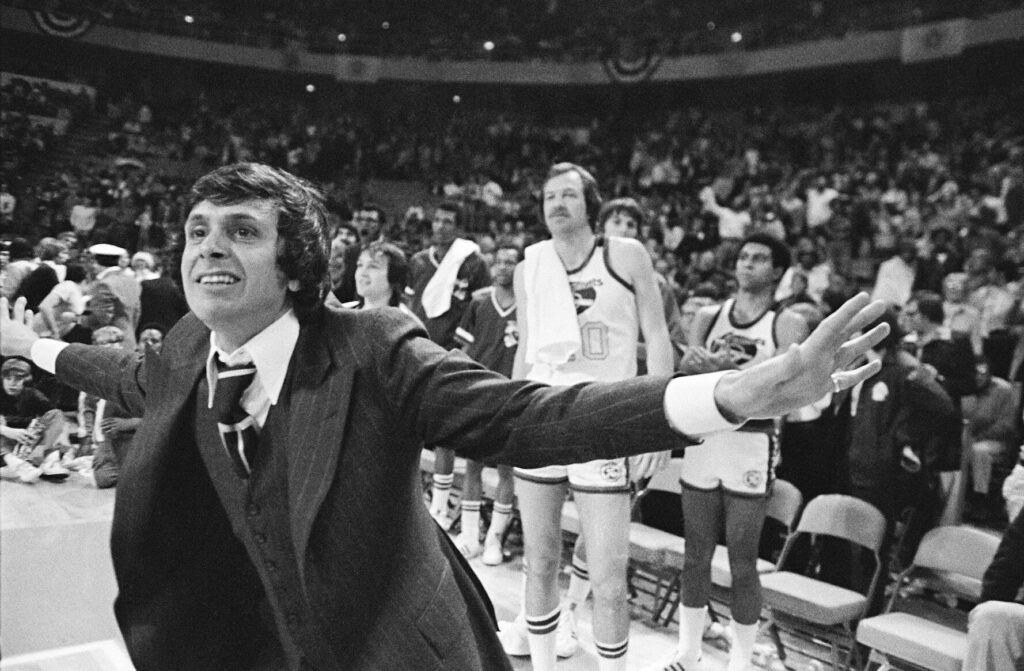
Fifty years later, new documentary series takes nostalgic look at how the rebel American Basketball Association changed the NBA – and the world Three-point ABA trivia question: What do rapper-actor Common and Grammy Award-winning singer India.Arie have in common? Answer: Their...

John Moore
Reporter
Denver archdiocese announces new archbishop James Golka
Michael Braithwaite
michael.braithwaite@gazette.com
Updated 1 day ago
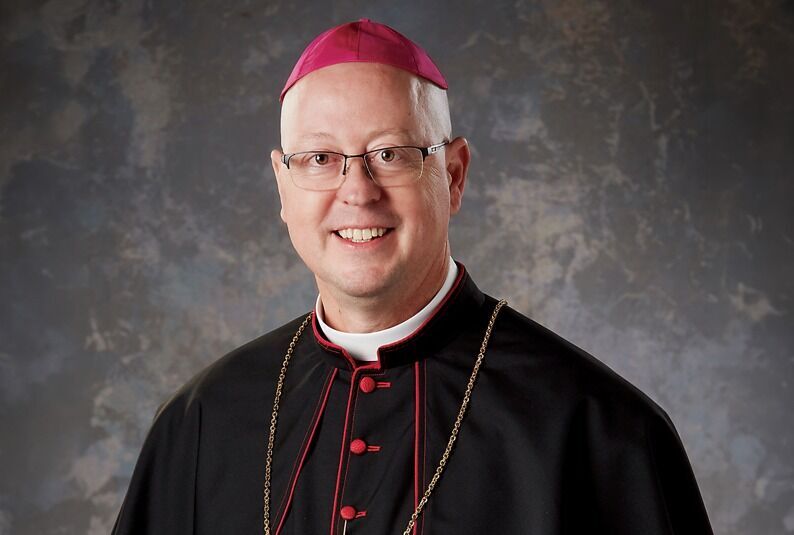
The Denver archdiocese announced the appointment of its next archbishop Saturday morning. James Golka, 59, who received the appointment from Pope Leo XIV, will make a move up from Colorado Springs, where he has been serving as the third bishop...

Michael Braithwaite
Reporter
Evans challenger Evan Munsing qualifies by petition for Democratic primary ballot in Colorado’s 8th CD
Ernest Luning
ernest-luning@denvergazette.com
Updated 2 days ago
Thornton Democrat Evan Munsing, one of three major Democratic candidates challenging Republican U.S. Rep. Gabe Evans’ bid for a second term, became the first candidate to qualify for Colorado’s 8th Congressional District primary after submitting a sufficient number of valid...

Ernest Luning
Reporter

PHOTOS: Goldens in Golden
Stephen Swofford
stephen-swofford@denvergazette.com
Updated 2 days ago

Stephen Swofford
Reporter
Deaths by suicide decrease at Royal Gorge Bridge following safety upgrades
Debbie Kelley
debbie-kelley@denvergazette.com
Updated 2 days ago
CAÑON CITY – Jay Valusek stared at “that damned railing” for hours that bled into days after his beloved 28-year-old daughter jumped in 2018 from atop the metal edge of the Royal Gorge Bridge to her death 956 feet below....

Debbie Kelley
Reporter

Greeley’s StarRise Apartments offers permanent residency to the homeless
Hap Fry, Special to The Gazette
hap-fry@gazette.com
Updated 13 hours ago
GREELEY – Before 2025, Christine Taulman was not the biggest fan of the holidays. Her feelings were understandable — homeless, she was in and out of shelters for much of her life between 2015 and 2024. But the Greeley resident...

Hap Fry, Special to The Gazette
Reporter
9 great Colorado story lines to follow in the Olympics | Vince Bzdek
Vince Bzdek
vince-bzdek@denvergazette.com
Updated 2 days ago
The Broncos may not have quite made it to the Super Bowl, but you know what, there’s another Super Bowl this weekend for a certain Colorado team. Boasting 33 athletes plus one alternate, Colorado has the most athletes of any...

Vince Bzdek
Reporter
Novel medical-grade CBD pharmacy opens in Colorado, first of its kind in U.S.
Breeanna Jent
breeanna-jent@denvergazette.com
Updated 2 days ago
Inside an unassuming yet sprawling industrial building nestled within the high plains of Watkins, about a 30-minute drive southeast of Denver International Airport, step into Kazmira Therapeutics’ “hemp bay,” as it’s affectionately called. Stacked and lined on pallets and metal...

Breeanna Jent
Reporter
PREV
PREVIOUS
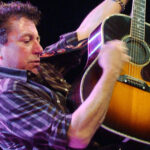
Joe Ely, a Texas songwriter whose legacy touched rock and punk, dies age 78
AUSTIN, Texas — Joe Ely, the influential Texas-born singer-songwriter whose blend of honky-tonk, rock and roadhouse blues made him a favorite among other musicians and led to collaborations with Bruce Springsteen and the Clash, has died. He was 78. Ely died in Taos, New Mexico, of complications from Lewy Body Dementia, Parkinson’s and pneumonia, with […]

When should children get a smartphone? A study links owning one before age 12 to health risks
Kayla YupThe Philadelphia Inquirer Ran Barzilay, a psychiatrist and researcher at Children’s Hospital of Philadelphia, won’t be letting his 9-year-old son get a smartphone before age 13. He made the decision based on data from his recent study, published in the medical journal Pediatrics, which linked getting a smartphone at a young age to worse […]