








‘Our downtown, our way’: Aurora residents, business owners share hopes, fears for new Colfax authority
When Heather Adams and her partner bought their Colfax Avenue location for Vanishing West Ciders, the area immediately felt right, she said.
“As we started to walk through the neighborhood, we started loving and feeling opportunities here,” she said about the Colfax corridor in Aurora. “You can feel it. It was something bubbling out of the surface, and we knew this area is ready to thrive.”
Adams is one of several business owners who have opened along Aurora’s Colfax corridor in the past several years, and one of many who see potential in the area, despite a longstanding negative perception.
In November, Aurora voters overwhelmingly approved the creation of a Downtown Development Authority (DDA) to oversee the revitalization of Colfax between Yosemite and Peoria streets.
The vision — as outlined by city officials, local business owners, and the outside team selected to develop a plan — is a thriving downtown area for Aurora, in which small businesses, mixed-income residents and visitors turn Colfax into an arts district, free from blight and heavy crime.
While most people support that vision, some also worry about how a DDA’s impact could force out small businesses and low-income residents.
Business owners like Scott Pasternack and elected officials, including new Councilmember Gianina Horton, are cautiously optimistic about the future of Colfax, saying they are hopeful for what could come from the downtown authority.
Horton said she recognizes the need to “proceed with caution,” ensuring everyone in the community is heard and cared for throughout the revitalization process.
‘ORIGINAL AURORA’
Colfax Avenue has a long and twisted history in Aurora, a place once called “the longest, wickedest street in America” by Playboy Magazine. It was once called “original Aurora,” serving as the city’s main street for the first half-century of its existence.
As the heart of Aurora, the corridor was a commercial hub, lined with grocery stores, drive-ins, motels, restaurants, entertainment, and gas stations, according to Aurora historian Keith Outcelt. News publications like The Aurora Democrat and Adams County News took root there.
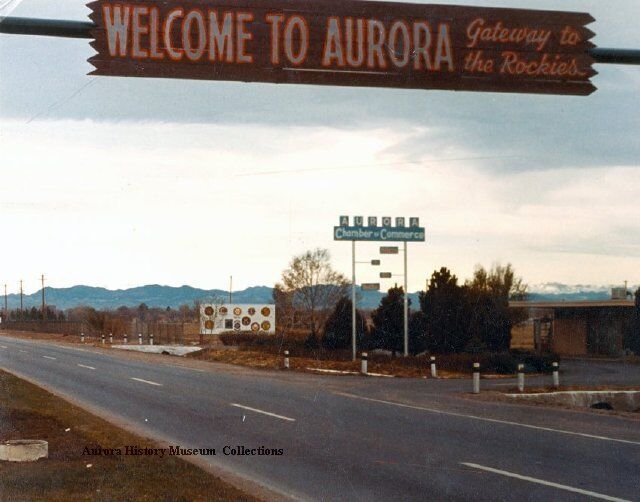
In the 1940s and 1950s, before the birth of I-70, Colfax and Aurora were considered the “gateway to the Rockies,” acting as the main road into Denver and beyond for those headed west, Outcelt said.
Colfax, or Route 40, was one of the first coast-to-coast highways, running from San Francisco to Atlantic City, but it was later diverted and no longer runs the entire distance.
In the 1960s, I-70 started diverting drivers around Aurora, rather than through it, and people and businesses who relied on Colfax traveler traffic began to struggle, Outcelt said.
Havana Street blossomed as a commercial center in the late 1960s and 1970s, as Aurora built malls, and more and more traffic was pulled away from Colfax.
“That’s about when people starting referring to Colfax as ‘blighted,’” Outcelt said.
The colorful signs, bustling businesses and tourist shops were replaced with prostitution, drug dealing and violence, turning the Colfax corridor into a hub for seedy shops and crime, he said.
Aurora officials started to talk about the need for revitalization on Colfax as early as 1980, Outcelt said, and they made various efforts to bring the corridor back to life, mostly focusing on infrastructure changes.
In the early 2000s, $100 million was invested in the area between Broadway and Colorado Boulevard. In 2006, the first Colfax Marathon was held, with more than 6,000 people running the 26-mile course between Aurora and Lakewood.
It’s hard to know exactly what makes the new authority a promising solution, when previous efforts to revitalize the area haven’t stuck, but Outcelt, who has lived near Colfax for about 25 years, pointed to inclusion of the community as a difference in this effort compared to previous ones.
“Previous efforts seemed to be driven by police and the city having concerns,” Outcelt said. “From my perspective, the DDA feels like much more of a community-connected effort than previous efforts were.”
PATH TO A NEW DOWNTOWN AUTHORITY
The project to form a DDA began in April 2024, when Aurora’s Urban Renewal Authority board voted to approve an evaluation of how to improve downtown Aurora, with a focus on the areas between Colfax Avenue and Yosemite Street and 17th and 13th streets.
After studying the needs of northwest Aurora, Brad Segal, president of consulting company Progressive Urban Management Associates (PUMA), recommended the city move forward with creating a DDA and a community development corporation (CDC) for the area.
A DDA is a body governed by state statute that includes commercial and residential properties and is led by a council-appointed board, according to Segal. Funding for a DDA comes from tax increment financing, which uses future property and sales tax increases to pay for new infrastructure, he said.
A CDC is a nonprofit organization created to support and revitalize an area.
The combination of a DDA and a CDC would allow for philanthropic support, while using the DDA as a “primary driver,” Segal said.
The CDC would help diversify funding options and be able to operate beyond the boundaries of the DDA.
Through its community feedback process, the consulting firm came up with six goal areas, including public safety, business support, advancing the arts, housing and neighborhood stability, cleaning and maintenance, and public space improvements, Naomi Lacewell with PUMA told councilmembers.
Among the key ideas for improving the corridor are activating vacant storefronts, highlighting small businesses with marking campaigns, adding new housing and improving existing housing, planting and maintaining trees and other landscaping, providing affordable artist housing, and improving alleys, signage and outdoor amenities.
Councilmembers in July unanimously approved taking the question to voters, who needed to approve the creation of the Aurora Downtown Development Authority in order for the project to move forward.
Voters overwhelmingly approved the DDA through two questions on a special ballot that went out to people who live and work in the designated area. The first question asked voters to create the authority, and 133 people, 79%, voted “yes.”
A second question asked voters to authorize the DDA to use tax increment financing, and 141 voters, 83%, voted “yes.”
With the passage of both ballot measures comes the creation of the DDA, which is a governmental entity separate from the city and defined by state statute. It is led by a board appointed by the mayor and confirmed by a majority of the City Council.
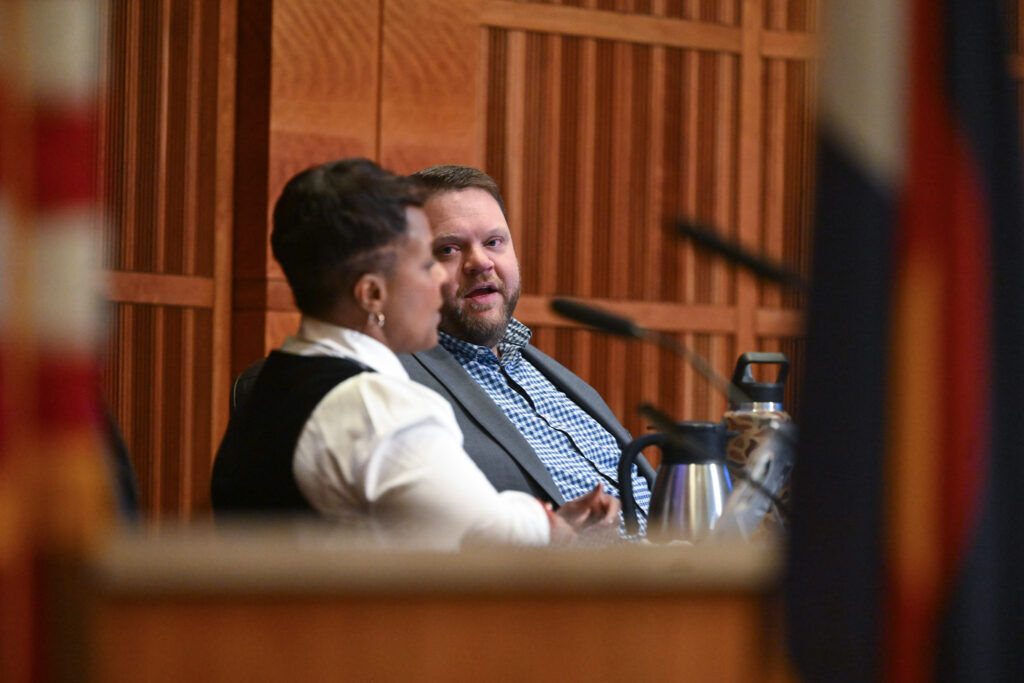
Now, elected officials are tasked with forming the authority’s board, which councilmembers decided this week will include seven members, including one councilmember. They are allowed to select up to 11 for a DDA board, and city staff recommended leaving space for members of the CDC as it develops.
City staff recommended that the council align the board appointment process with that of the city’s other boards and commissions.
Chosen members must be residents, landowners or business lessees within the boundaries, which include East Colfax Avenue between Yosemite and Peoria streets and 17th and 13th streets.
‘OUR DOWNTOWN, OUR WAY’
Aurora Chamber of Commerce President Naomi Colwell has seen the need for a downtown area in Aurora for a long time, she said.
“For the last 20 years, we’ve talked about how there’s no entertainment district or draw to one specific downtown area,” Colwell said. “I think the DDA is a great idea. We’ve identified areas that it could happen, but there hasn’t been the money or commitment to make it happen. I think Colfax has great potential.”
Having a downtown area where people come from within and outside of the city would help Aurora “tremendously,” Colwell said.
Since Aurora is so big and so spread out, however, it would need to become something unique to draw people from across the city.
“It has to be a destination, and it has to be a unique destination,” she said. “What we’ve seen is that a lot of people don’t go more than 5 miles from their house for entertainment. So, for people to go to Colfax, it has to be significant.”
Horton, Aurora’s new Ward I councilmember, was involved in efforts to get the DDA passed in the months leading up to the election.
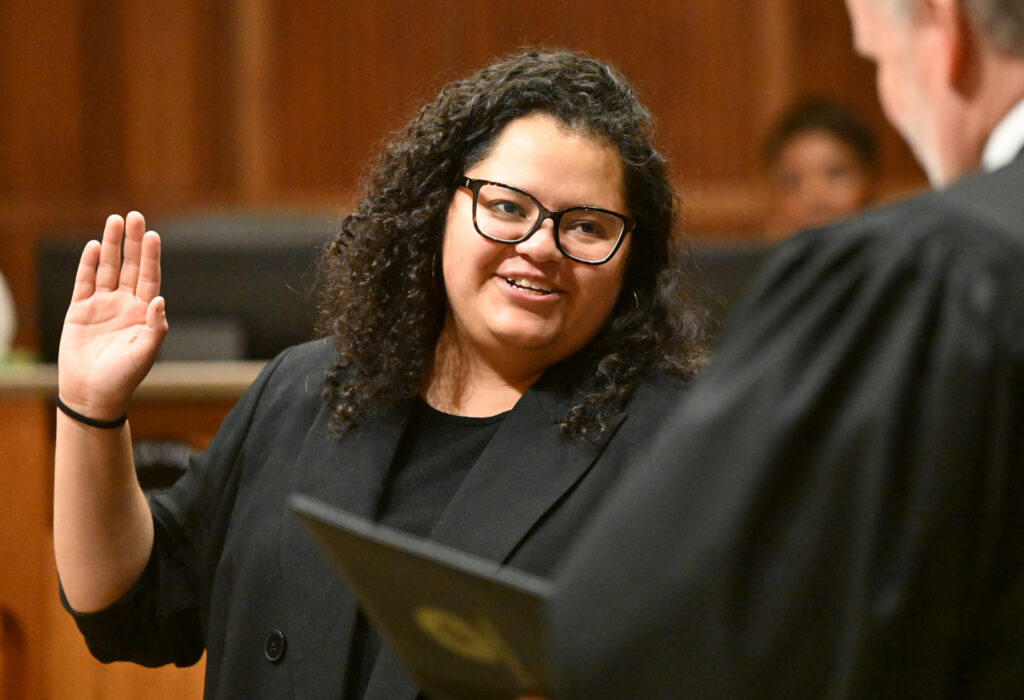
Horton’s hopes for the DDA can be summarized by the tagline the DDA team came up with during messaging: “Our downtown, our way.”
When it comes to downtown areas, there’s an image of what a traditional downtown looks like, she said, and Colfax doesn’t fit into that sprawling, high-rise image cast by neighboring Denver.
But Colfax has the strength of the city’s diversity on its side, and has potential to be a thriving downtown in a way that works for the people who work and live there, she said.
“My hopes and dreams are that we have a corridor that reflects the diversity of our city and that we are supportive of a local economy that circulates the dollar right here in our community,” Horton said. “I think it’s lofty, but don’t think it’s improbable, to envision a downtown Aurora that is uniquely our own.”
An Nguyen, head chef and owner of Dan Da Vietnamese restaurant on Colfax who voted in favor of the DDA, believes it will bring more foot traffic into her restaurant and others like it.
Nguyen already had a culinary following because she used to have a popular restaurant in Denver.
In its one and a half years of being on Colfax, Dan Da has brought a lot of foot traffic to the corridor, she said, and she hopes the DDA helps showcase the good things about Colfax and brings in more attractions.
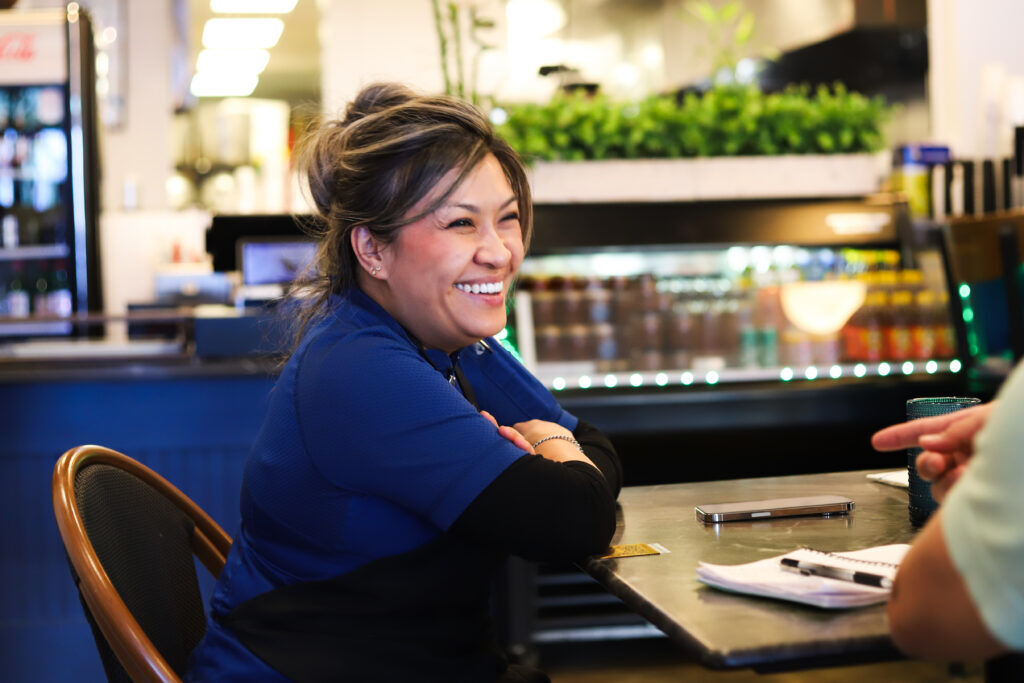
“This is a cultural arts district,” she said. “We would love to showcase not just the arts here, but the culinary arts, bring more foot traffic, bring in more businesses, and just bring this area back to life.”
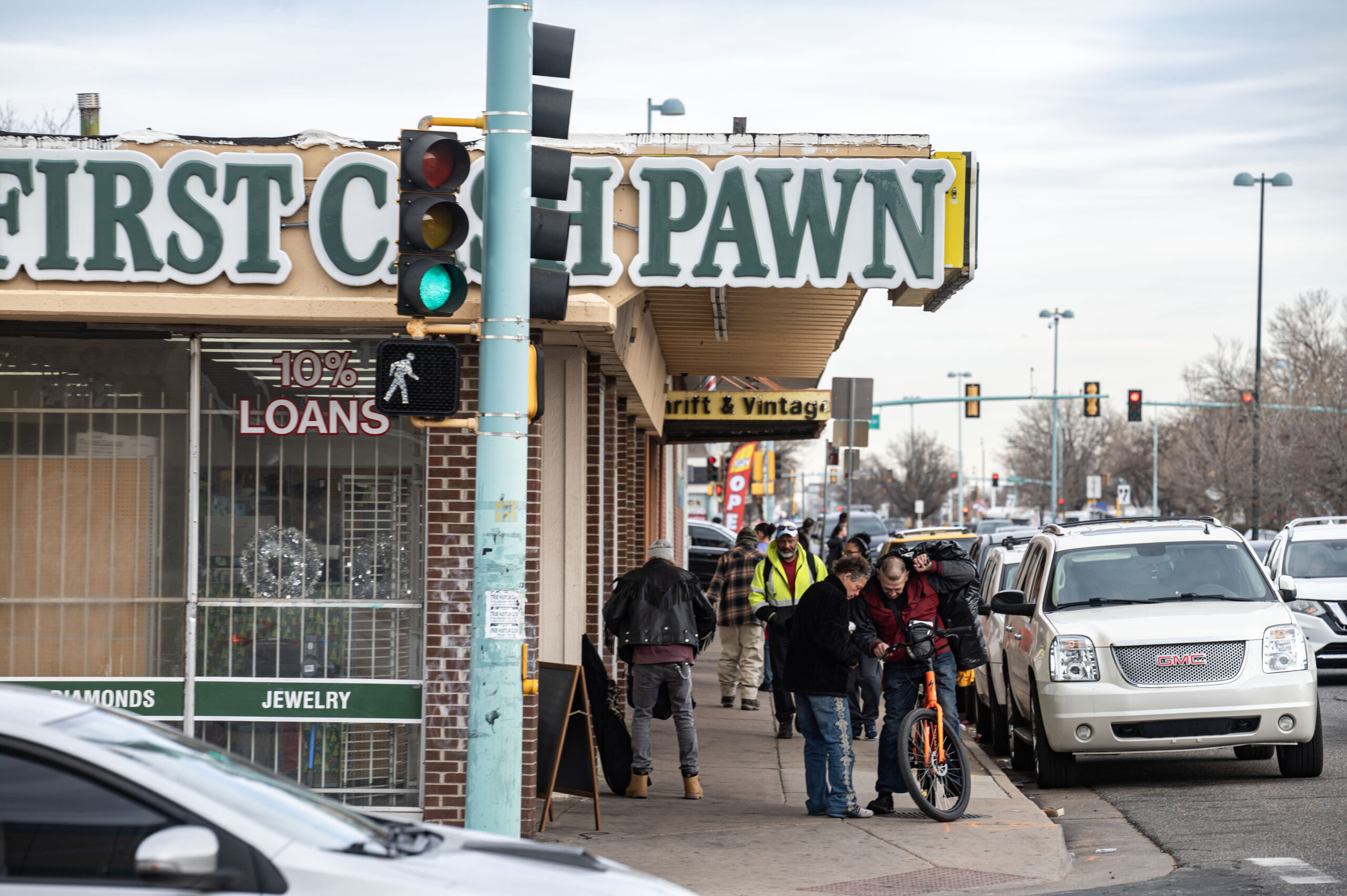
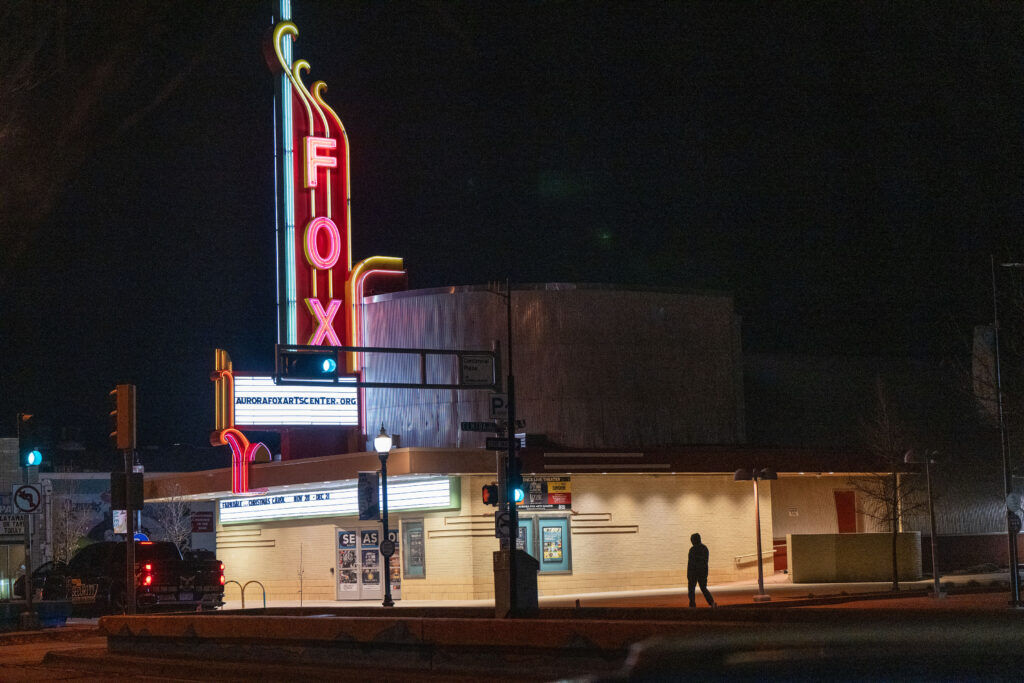
Already, the Colfax corridor has much to offer, with the Fox Theater across the street next to the Martin Luther King Jr. Library. Next to Dan Da is Nguyen’s sister’s Vietnamese bakery. Across from them is Cerebral Brewing.
But the corridor could use better lighting, more businesses to fill vacant storefronts, and improved safety, she said.
“At the end of the day, we want to be like Broadway or the arts district at Santa Fe,” she said. “This space has so much potential.”
Adams wants to see more music along the corridor, maybe a Bluebird Theater-type venue, she said.
She also thinks there should be more cultural restaurants, she said, and Aurora’s diversity has the potential to bring a wide array of food to the area.
BELIEF IN THE POTENTIAL
When Nguyen opened her restaurant on Colfax, she got a lot of questions about safety and why she would want to open a business there, she said.
“But I believe in this area, and it is a great area,” she said. “The people and community behind it are so wonderful.”
Adams opened Vanishing West Ciders on Colfax just over a year ago.
Like Nguyen, people questioned Adams’ decision to open her business on Colfax and expressed worries about safety.
But Adams believed in Colfax and saw the good things the area had to offer, she said, and she hopes the DDA will help change the perception of Colfax so more people enjoy it.
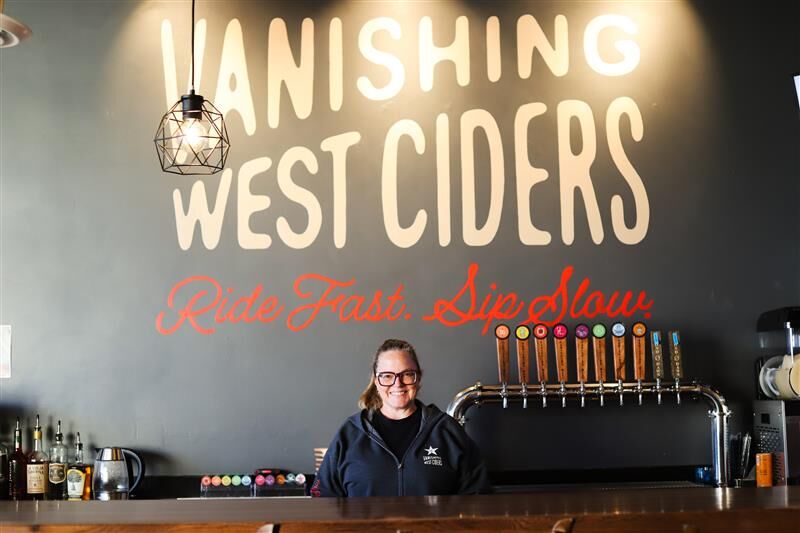
“This is a place that people will want to start coming to,” she said. “We hope people start to see the potential. We did.”
Adams and Nguyen are not alone in seeing potential for Colfax and taking a chance in investing in it.
Several new businesses have popped up along the corridor in the last few years, including Cerebral Brewing, Society 303 Wine Bar, La Victoria Healing Kitchen, and Bahn and Butter Bakery, Adams said.
“But it’s not just us. Customers have to want to come here,” she said, pointing back to the DDA and efforts to bolster safety and cleanliness.
Colfax has a hopeful future under the DDA, Mayor Mike Coffman said.
Coffman pointed to the Stanley Marketplace as a source of inspiration, once an aviation parts plant that is now a mall with a bustling urban community around it.
WORRIES ABOUT PUSHING OUT SMALL BUSINESSES
Pasternack, the owner of a pawn shop on Colfax, is cautiously optimistic about the DDA.
“Everything around here is low-income housing. So, if the housing market stays like that, you’re not getting people to redevelop the houses around here,” he said. “The city does try to keep Colfax nice, but it’s hard in this area.”
Pasternack’s main concern — shared by other residents and business owners in the area — is that the revitalization efforts will push out small businesses.
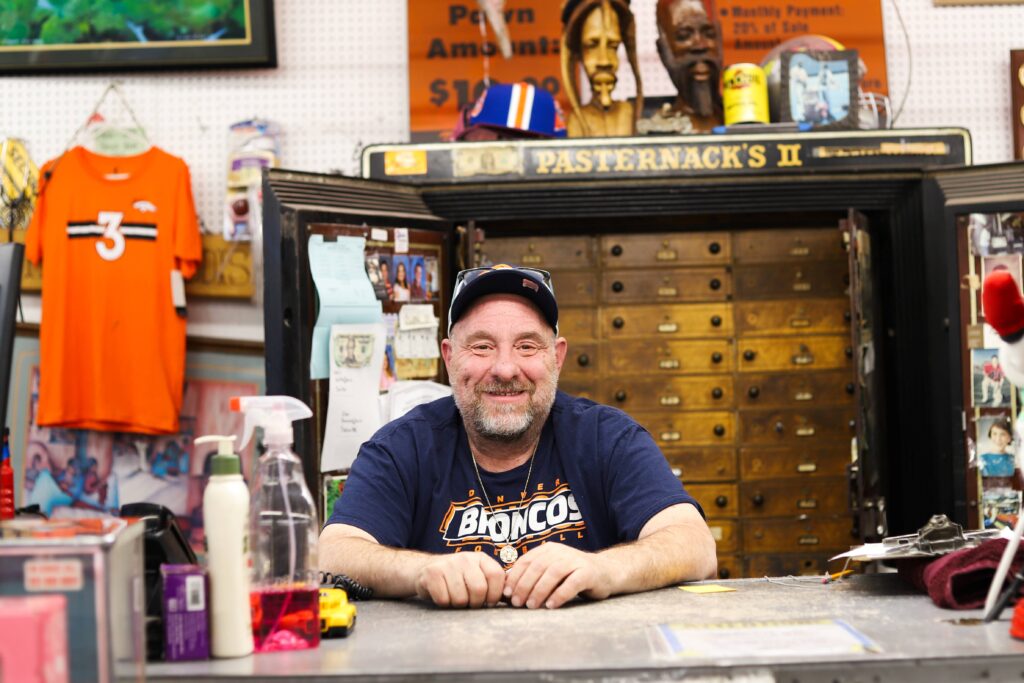
“We’re just a little mom and pop shop, and we’re lucky enough to own the property. But it scares me,” he said. “If they can do something, I’m all for it, and I’ll work with them as best as I can. But it’s scary.”
In many ways, Pasternack sees the benefits of a DDA and redevelopment. But he also sees a future, in which small businesses and low-income households could suffer.
“I’m hoping that it will be good for the community,” he said. “In some aspects, it will be. But, in some aspects, it’s going to hurt the people in this area, because you can try to change Colfax but it still has its own image. It always has and always will.”
While Colfax has changed over the years with attempts to bring in more arts and entertainment, Pasternack hasn’t seen much change in the people coming to Colfax.
“They just don’t come down to Colfax like they used to,” he said.
In a City Council meeting on Dec. 15, several members of the public expressed worries about gentrification on Colfax.
One member of the public, Robbin Otey, said the plan sounded like “gentrification-ese.”
“My plea is that when the mayor chooses to nominate folks to sit on the board and the councilmembers are in the position to approve members of the board, please be mindful of who you choose and know we are watching,” Otey said.
Colwell pointed to Cherry Creek, where there used to be low-income housing that has now been replaced by above-market-rate housing and a shopping mall that most people can’t afford.
“I’d hate to see that happen on Colfax, as well,” she said. “Aurora has more than 400,000 people to take care of with all different needs. I think North Aurora is really turning a page, but I would hate to see it become gentrified.”
“I think it’s an exciting opportunity and it’s necessary to proceed with caution,” Horton said. “We want to protect Aurora and the area for the longtime residents and business owners and mitigate any effects of gentrification.”
It will be important to ensure the area has options for affordable housing, she said. But she is still learning how to make that happen.
“Part of this learning phase is learning about different housing models and not making decisions in a vacuum,” she said. “We need to make sure this is really led by folks who are living and working in the area.”
During efforts to educate the community on the DDA, Horton said they didn’t do as good a job as they could have in engaging renters in the area. She is committed to ensuring renters get involved and know what the impacts of the DDA could be.
In Coffman’s eyes, the future of Colfax is multi-family residential, a mix of market-price housing and low-income housing, a bustling arts scene, and a hub for small businesses to grow and thrive.
DANGER ON COLFAX: REALITY OR PERCEPTION?
As a business owner on Colfax, Nguyen has experienced issues with homeless people loitering or entering her business.
There is crime on Colfax, as with any big city area, but the dangers of the corridor are more perception than reality based on her experience, she said.
“I think people look at it that way because they’re unknown to it,” she said. “But when they actually come down and see the space, watch the shows, get a few drinks with their friends at Cerebral Brewing, they see that it’s not that bad.”
When they do have issues with homelessness, she added, city staff come and help right away.
Adams agreed and said the biggest hurdle is getting people to see past the negative connotations of Colfax.
“It has cleaned up over the decade, and we want to continue to clean it up so people feel safe to come here,” she said. “We want this area to become more vibrant with theaters, pottery classes, art galleries, and more small businesses.”
Still, Pasternack said, they need better security.
“People aren’t going to come here if they’re worried about people doing drugs on the street,” he said.
A look at Aurora Police Department crime data shows a higher concentration of crime within the DDA boundaries than in other parts of Aurora.
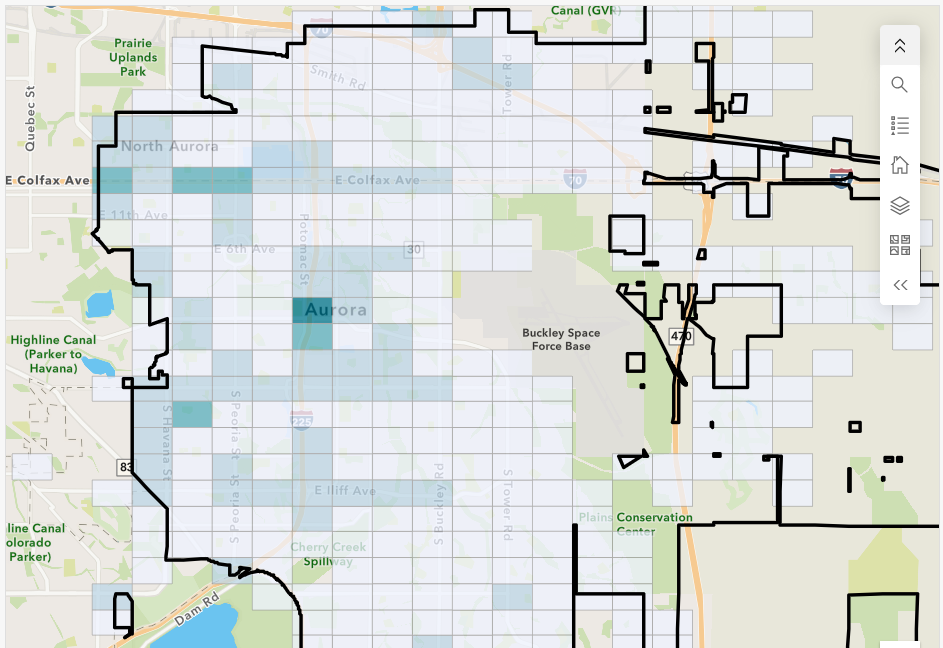
Year-to-date, Aurora police have reported 11,700 total criminal incidents, with 736, or about 6%, of those happening within and around the DDA boundaries.
In 2024, the whole city had more crime than this year, but the percentage of that within and around the DDA boundaries remained the same. Police reported a total of 16,300 criminal incidents, with 1,023, or about 6%, happening within and around the DDA boundaries.
Coffman, too, maintained that, while there are definitely safety concerns on Colfax, most people’s fears are based on perception.
There are many boarded-up buildings, and the perception of danger in the area keeps people away, he said.
“I think the city has neglected that area for decades,” Coffman said. “Its peak was in 1970 and it started to decline after that. Aurora really focuses on the new things and neglects the old.”

‘The canary in the democracy mine is local journalism’ | Vince Bzdek
Vince Bzdek
vince-bzdek@denvergazette.com
Updated 11 hours ago
Colorado could do a lot more to save newspapers – and democracy – in rural areas By Vince Bzdek As another new year and another legislative session dawn for Colorado, it’s a good time to ask what the absolute most...

Vince Bzdek
Reporter
Several changes coming to Colorado family medical leave program in 2026
Ed Sealover
ed-sealover@denvergazette.com
Updated 1 day ago
Colorado’s Family and Medical Leave Insurance program will take on two smaller, but still consequential, changes in 2026 — one less than was expected as recently as the middle of last week — of which employers should be aware. First,...

Ed Sealover
Reporter
Colorado eyes shift in particulate oversight amid EV push
Scott Weiser
scott-weiser@denvergazette.com
Updated 1 day ago
Colorado’s Air Pollution Control Division proposed shifting oversight of solid particulates as small as one-seventh the width of a human hair from federal to state-only authority on Dec. 19, citing more than 20 years of compliance with national standards. The...

Scott Weiser
Reporter

Denver’s top business stories of 2025: 16th Street, Burnham Yard and some wonder if they’ll survive Colfax construction
Bernadette Berdychowski
bernadette.berdychowski@denvergazette.com
Updated 1 day ago
SPORTS DRIVE ECONOMIC DEVELOPMENT The banks of the South Platte River have become a hotbed for new developments — thanks to local sports teams. The Denver Broncos announced they plan to relocate their stadium to the historic Burnham Yard, which...

Bernadette Berdychowski
Reporter

New year, higher wages for Denver hourly and tipped workers
Deborah Grigsby
deborah.smith@denvergazette.com
Updated 1 day ago
Some Denver workers will be starting the new year with a pay raise as the city’s minimum wage rises to $19.29, up from $18.81. For tipped food and beverage workers, the minimum wage will jump from $15.79 to $16.27 per...

Deborah Grigsby
Reporter
Businesses face losses after Xcel power shutoffs
Sage Kelley
sage-kelley@denvergazette.com
Updated 1 day ago
Restaurants west of Denver are still coming to grips with product losses and future revenue concerns after power shutoffs last week by Xcel Energy, which cited high winds as the rationale for the decision. “It’s like living in a third-world...

Sage Kelley
Reporter

Colorado PUC slates January hearings on natural gas plan, transmission line appeal, railroad rules
Scott Weiser
scott-weiser@denvergazette.com
Updated 1 day ago
The Colorado Public Utilities Commission announced January public comment opportunities on railroad safety rules, natural gas infrastructure, and a major transmission line siting appeal. The hearings form part of expanded outreach efforts the commission launched to increase public participation in...
Scott Weiser
Reporter
As Denver Pavilions and Sports Castle start new eras, so does Gart Properties with next generation
Bernadette Berdychowski
bernadette.berdychowski@denvergazette.com
Updated 1 day ago
Gart Properties, a Denver real estate venture tied to a century-old family business, is entering a new era. The Gart Companies named Evan Gart, 34, as president of Gart Properties. Gart is the great-grandson of its founder Nathan Gart and...
Bernadette Berdychowski
Reporter
St. Benedict Monastery: Almost heaven
Colleen Smith
colleen-smith@gazette.com
Updated 4 days ago
The 70-year-old St. Benedict’s Monastery near Aspen recently sold for $120 million, according to multiple media reports. As first reported by the Aspen Daily News and Aspen Journalism, public records show the buildings and 3,700 acres of Capitol Creek Valley...

Colleen Smith
Reporter
Apple, Google and others tell some foreign employees to avoid traveling out of the country
Los Angeles Times
los-angeles-times@denvergazette.com
Updated 4 days ago
Big Tech companies, including Apple, Google, Microsoft, and ServiceNow, have warned employees on visas to avoid leaving the country amid uncertainty about changing immigration policy and procedures. Following an attack on National Guard members in Washington, the Trump administration expanded travel...

Los Angeles Times
Reporter
PREV
PREVIOUS
Denver's performance-based shelter contracts face test with Urban Alchemy
Denver awarded a $30 million, three-year contract to Urban Alchemy to provide operational services at The Aspen, one of the largest city-owned homeless hotel shelters, beginning Jan. 1. Unlike The Salvation Army, which has operated several of the city’s non-congregate hotel shelters under a flat-fee contract, Urban Alchemy, a San Francisco-based outfit, agreed to a […]

Denver housing official was named in Urban Alchemy lobbying kerfuffle
Denver’s Department of Housing Stability has a unique connection with its biggest and newest homeless shelter provider, as well as some of its troubles. Jeff Kositsky, HOST’s deputy director of shelter and stability, was Urban Alchemy’s chief growth officer for two and a half years, working on “national expansion, organizational development, financial management and fundraising,” […]