








U.S. Fish & Wildlife threatens to terminate Colorado’s authority to manage wolves
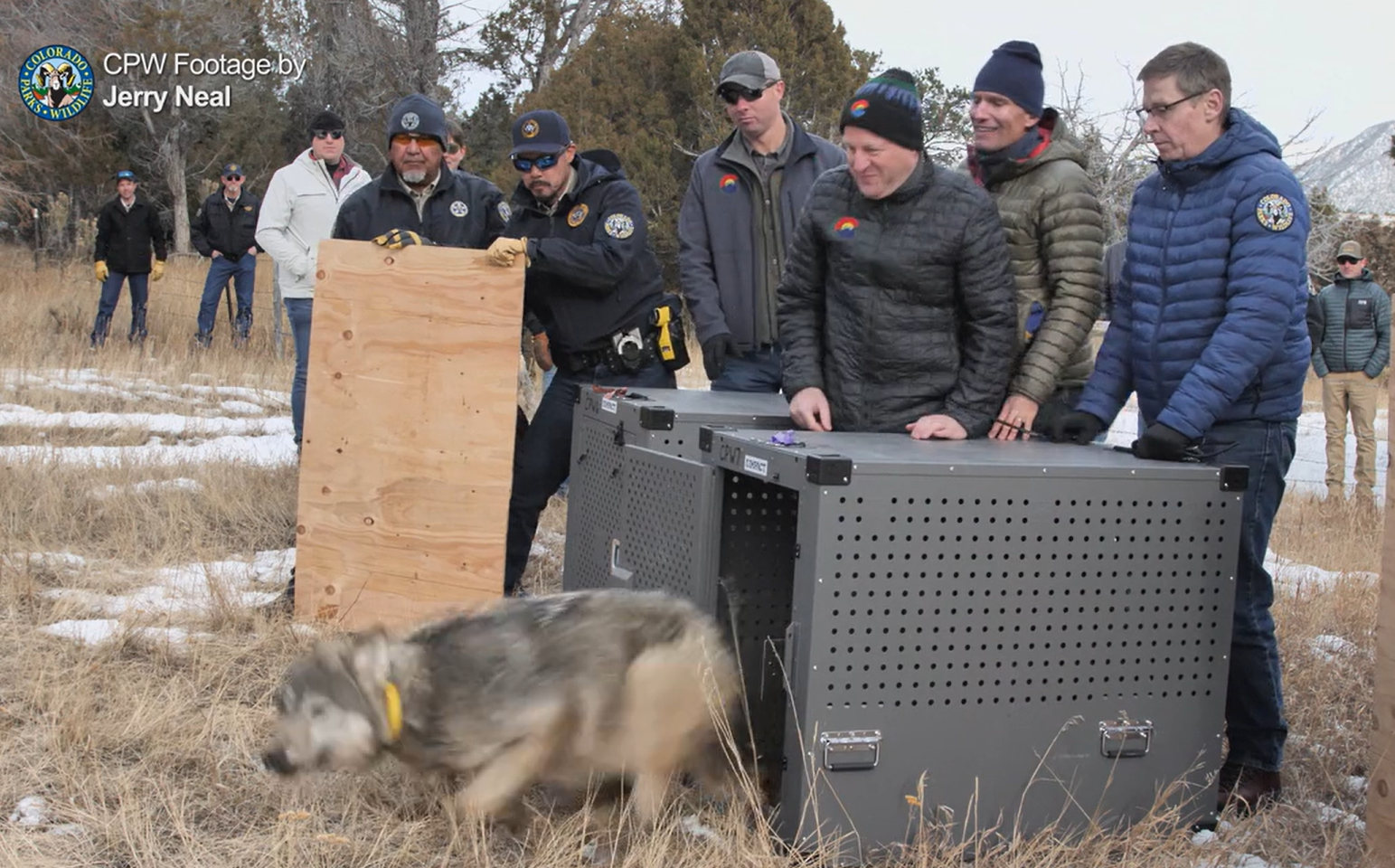
With no apparent plan in place to bring in more wolves to Colorado for 2026, Colorado Parks and Wildlife may have an even bigger problem.
A Dec. 18 letter from Brian Nesvik, director of the U.S. Fish & Wildlife Service (USFWS), threatens to terminate the state’s authority to manage wolves unless certain conditions are met.
As first reported by the Fort Collins Coloradan on Saturday, Nesvik demanded that Colorado provide a complete report of all gray wolf conservation and management activities between Dec. 12, 2023 — the day the first wolves from Oregon were released in Colorado — to the present.
That report must include a “narrative summary” and documents associated with CPW’s decision to bring wolves from British Columbia, which Nesvik had previously said violated the agreement between Colorado and USFWS.
The agreement between USFWS and CPW said that Colorado’s management of gray wolves, as a federally listed species, would be conducted in full compliance with a 10(j) rule issued by the federal agency under the Biden administration and subject to its oversight, Nesvik noted.
Nesvik also had concerns about Colorado’s recent decision to relocate a Copper Creek wolf that had wandered into New Mexico and bring it to Grand County, where the Copper Creek wolves have killed dozens of livestock at a cost to ranchers of more than $500,000.
The USFWS was recently informed that CPW had released a wolf into Grand County with a confirmed history of repeated depredation, Nesvik wrote.
All information regarding the Copper Creek wolf and the release of wolves from British Columbia is due by Jan. 18, Nesvik wrote.
“If the above information is not supplied within the prescribed time period, this letter serves as the requisite 60-day-calendar-day-notice of termination,” Nesvik wrote.
Termination of the agreement would result in the “immediate revocation of all CPW authority over gray wolves in its jurisdiction,” and that USFWS would assume all gray wolf management activities, “including relocation and lethal removal,” as determined to be necessary, the federal official said.
In October, Nesvik told Colorado Parks and Wildlife it does not have authority to bring in wolves from anywhere other than Idaho, Montana, Wyoming, and the eastern regions of Utah, Washington and Oregon.
Nesvik wrote on Oct. 10 that Colorado Parks and Wildlife must “immediately cease and desist any and all efforts related to the capture, transport and/or release of gray wolves” not obtained from those listed states.
Colorado had already signed a contract with British Columbia to bring in the next batch of wolves, along with a proposed payment of $400,000.
Agency officials said at the time they would “continue to evaluate all options to support this year’s gray wolf releases in alignment with the approved Colorado Wolf Restoration and Management Plan and the 10(j).” The state agency also said it would “evaluate” the letter from USFWS.
Colorado’s wildlife agency has so far brought in 10 wolves from Oregon and 15 from British Columbia. But 10 of the wolves have died from a variety of causes. Two more wolves, part of a pack of five wolves born to a mating pair from Oregon, now known as the Copper Creek pack, were killed by CPW after reports of chronic depredation in Pitkin and Routt counties earlier this year.
The wolves have killed more than five dozen head of livestock — cows, calves, llama and sheep — as well as working dogs in Pitkin, Routt, Gunnison, Rio Blanco, Eagle and Grand counties. Wolves that traveled into northern Jackson County from Wyoming have also killed more than two dozen livestock and working dogs in the past four years.


Pedestrian dies in Aurora crash on Colfax
Noah Festenstein
noah-festenstein@denvergazette.com
Updated 7 hours ago
A man was struck and killed by a vehicle while crossing an intersection along Colfax Avenue on Saturday night, according to the Aurora Police Department. Aurora police officers responded to the crash at around 10:57 p.m. at East Colfax Avenue...

Noah Festenstein
Reporter
‘Everything happens for a reason’: Veterans Trauma Court aims to help military members in times of need
Mackenzie Bodell
mackenzie-bodell@denvergazette.com
Updated 6 hours ago
Five years after he separated from the Army, Mark Bisset found himself in the Colorado criminal justice system. Bisset’s story started on April 9, 2022. According to past Gazette coverage of the case, the arrest stemmed from an alleged incident...

Mackenzie Bodell
Reporter
Douglas County School District employee arrested on child exploitation charges
Noah Festenstein
noah-festenstein@denvergazette.com
Updated 5 hours ago
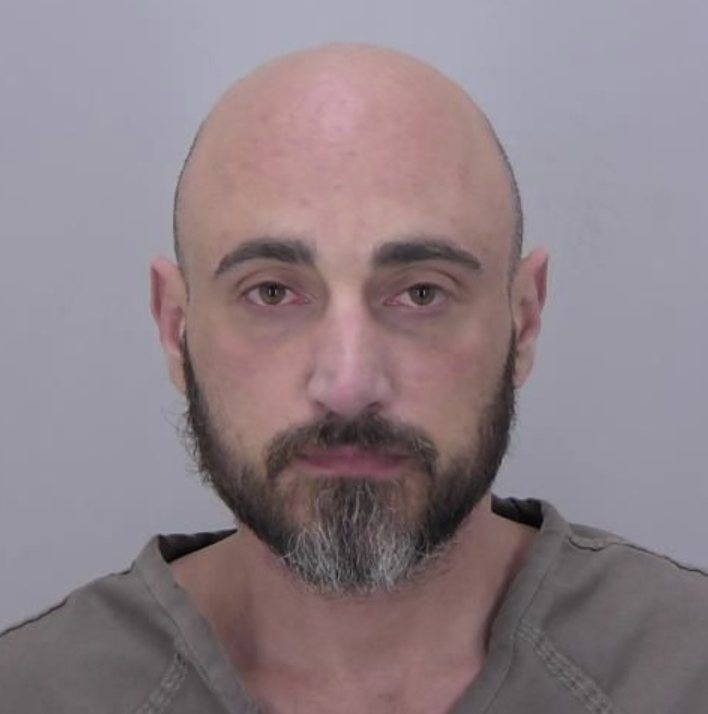
Douglas County deputies arrested a new school district staff member for allegedly possessing child pornography. On Thursday, deputies arrested John Michael Beccia Jr., 35, of Highlands Ranch. He faces charges including aggravated incest, sexual assault on a child by a...
Noah Festenstein
Reporter

Teen dies, 3 injured in Denver shooting involving group celebrating Venezuelan president’s capture, police say
Noah Festenstein
noah-festenstein@denvergazette.com
Updated 4 hours ago
A teen boy has died and three men are injured in Denver following a shooting on Saturday night that involved a group celebrating the capture of Venezuela’s president, according to the Denver Police Department. A Denver police spokesperson said a...
Noah Festenstein
Reporter

Limited seating as Denver Council mulls Skyline Park, Peña Boulevard
Deborah Grigsby
deborah.smith@denvergazette.com
Updated 4 hours ago
The Denver City Council begins the new year in a new location as renovations in the Cathy Reynolds City Council Chamber get underway. The Council will now meet in the Parr-Widener Community Room through June 2026. Seating is very limited,...

Deborah Grigsby
Reporter

Maduro capture brings surprise, hope to Venezuelan community in Denver
Nico Brambila
nico-brambila@denvergazette.com
Updated 4 hours ago
The announcement that U.S. military personnel arrested Venezuelan President Nicolás Maduro and took him to the United States sent a shockwave through Denver’s Venezuelan community Saturday. Jimmy, an asylum seeker who came to Denver last year, said his phone blew...

Nico Brambila
Reporter
Ben Nighthorse Campbell was a Colorado original | Vince Bzdek
Vince Bzdek
vince-bzdek@denvergazette.com
Updated 13 hours ago
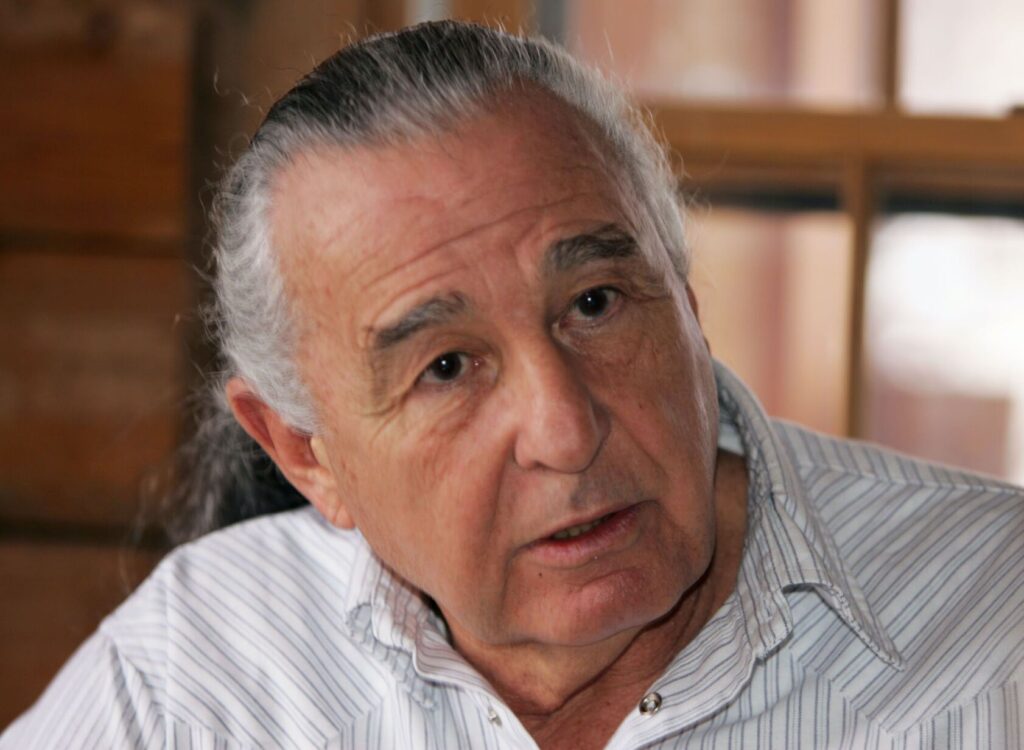
One day in 1982, Ben Nighthorse Campbell walked into a political caucus in Colorado to kill time after thunderstorms grounded his flight. He ended up volunteering to run for office that day and wound up serving two terms as a...

Vince Bzdek
Reporter
Winter Park Resort sets opening date for Mary Jane side, 50th birthday party to ensue
Jonathan Ingraham
jonathan.ingraham@denvergazette.com
Updated 11 hours ago
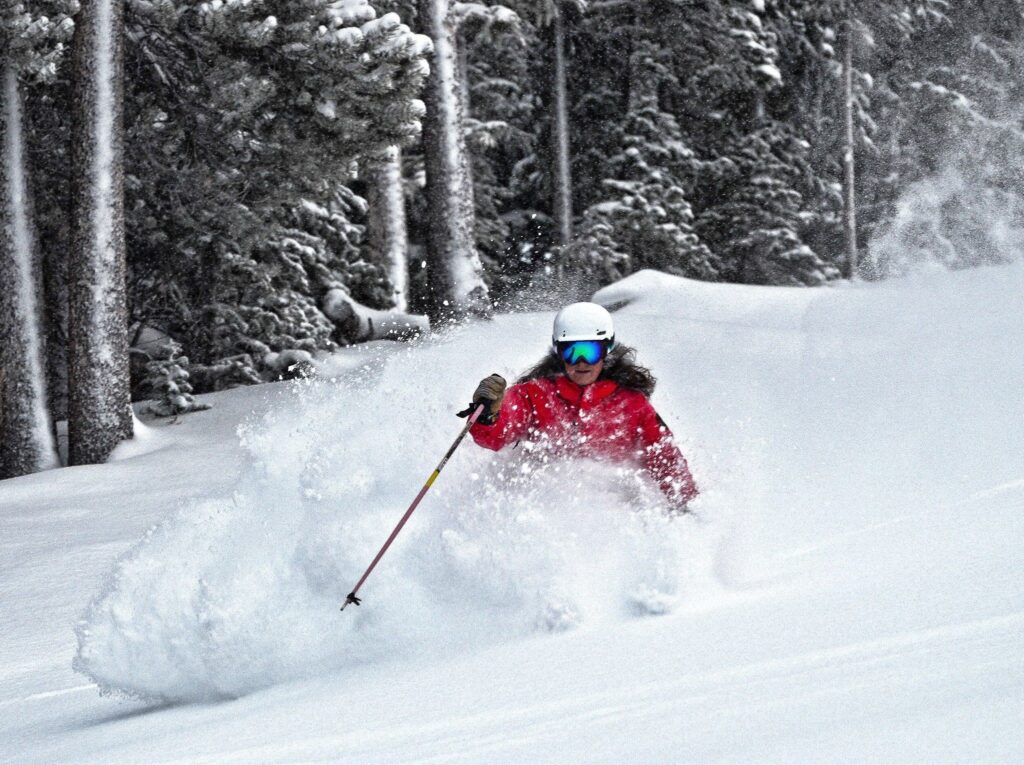
The wait is over Colorado skiers and riders, Winter Park Resort in Grand County is opening the Mary Jane side of the ski area for the season on Friday, Jan. 9. The timing is perfect as the ski area is...

Jonathan Ingraham
Reporter

RTD to resume D, H, L light rail service following Kalamath Street project
Michael Braithwaite
michael.braithwaite@gazette.com
Updated 1 day ago
The Regional Transportation District announced that its D, H and L light rail lines will resume their normal service Sunday. The announcement in a Saturday morning news release comes months after the services were re-routed off their usual routes as...

Michael Braithwaite
Reporter

Gov. Jared Polis celebrates ouster of Venezuela’s Nicolas Maduro
Luige Del Puerto
luige.delpuerto@gazette.com
Updated 10 hours ago
Colorado leaders praise, criticize military operation capturing South American leader Colorado Gov. Jared Polis celebrated the ouster of President Nicolas Maduro via a military operation that captured and flew him out of the country early Saturday, even as other Democrats...

Luige Del Puerto
Reporter
PREV
PREVIOUS

Trump administration defends 'law enforcement operation' targeting Maduro
The Trump administration is defending the capture of former Venezuelan President Nicolas Maduro and his wife Cilia Flores as a law enforcement operation, as the mission comes under congressional scrutiny. At a Saturday press conference at President Donald Trump’s Mar-a-Lago club, the president, Secretary of State Marco Rubio, and Defense Secretary Pete Hegseth repeatedly said […]

Limited seating as Denver Council mulls Skyline Park, Peña Boulevard
The Denver City Council begins the new year in a new location as renovations in the Cathy Reynolds City Council Chamber get underway. The Council will now meet in the Parr-Widener Community Room through June 2026. Seating is very limited, and the room will fill up quickly. Residents may attend in person; however, most will […]