







Listening first: How Routt County’s new co-response team responds to mental health crises

When Routt County launched its new Mental Health Response Team last fall, co-response models themselves were not new to Colorado. Teams pairing law enforcement with clinicians have operated for years in Colorado Springs and across the Front Range.
What is new, local leaders said, is how urgently the model has been needed in this corner of the state and how quickly a rising tide of behavioral health crises has tested the team.
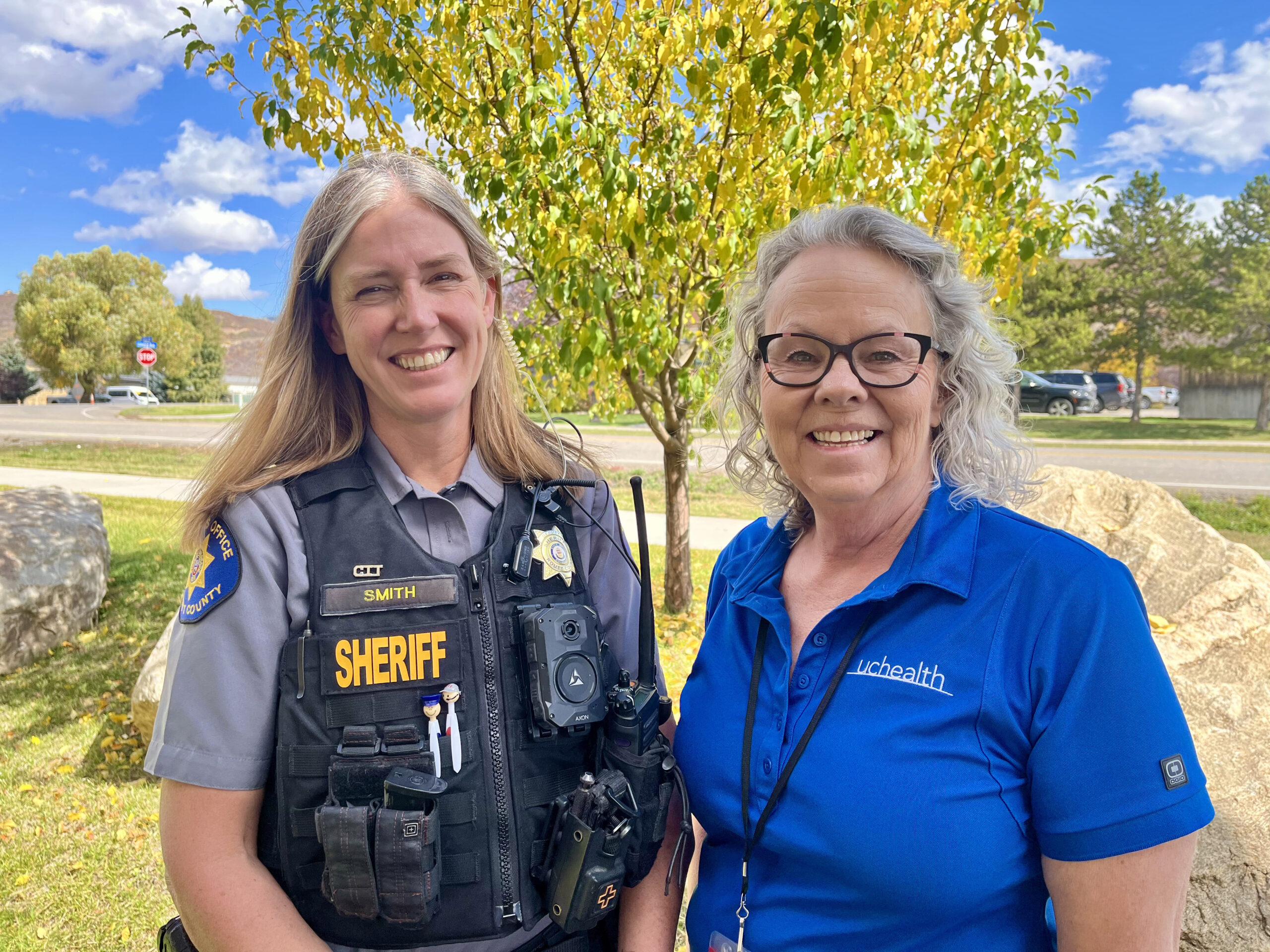
The Routt County team began responding to calls in September, pairing Deputy Sheriff Dawn Smith with licensed clinical social worker Tracy Dierksen to serve Routt and neighboring Moffat County. The team emerged from years of planning, research and grant work.
Its first months have unfolded amid growing concerns about suicide, substance use and repeat crisis calls in the Yampa Valley.
For Sheriff Doug Scherar, the effort grew from years of observing gaps in law enforcement’s ability to respond to behavioral health crises. Conversations about a co-response model began in 2022, when Smith raised the idea while Scherar was still undersheriff.
Smith spent months studying programs across the state and beyond, visiting agencies with both successful and struggling models and attending an international co-responder conference.
The lesson is clear: the most effective programs embed a clinician directly with a dedicated officer, rather than relying on loose coordination between agencies.
“That concept,” Smith said, “seems to have the best results.”
Scherar took the proposal to the Routt County Board of Commissioners in early 2023, which directed the sheriff’s office to pursue grant funding and bring in a consultant to assess local resources. The consultant reached the same conclusion: an embedded clinician paired with a deputy was best suited to Routt County’s size, geography, and needs. UCHealth was selected as the clinical partner, and Dierksen joined Smith for training over the summer. By September, the team was operational.
The push for a new approach came from recognizing that law enforcement was increasingly called to manage behavioral health crises without some of the tools to resolve them. Crisis intervention training helps officers de-escalate situations, but Scherar said it only goes so far.
“You can hopefully stabilize a person and get ’em in touch with resources, but we’re not social workers, we’re not counselors,” the sheriff said.
Historically, officers often faced two unsatisfactory options: charging people in crisis with minor offenses to get them somewhere safe for the night, or taking them to emergency rooms, often leaving them with costly medical bills and unresolved needs.
“There just seemed to be a huge gap,” Scherar said, “between law enforcement’s role and what people in crisis actually need.”
On scene, the team’s approach is intentionally calm and non-punitive. Smith said the most effective tool is often the simplest one.
“People wanna be heard,” she said. “Most of the time we’re listening and just listening, for as long as that takes … and Tracy has the training to actually help them.”
The physical presence of the team matters, too. Smith is in uniform, but Dierksen is not dressed as an officer, even though she wears a protective vest. That reduced law enforcement footprint, combined with clear communication that the team is there to help, often helps lower defenses.
Dierksen agreed that demeanor is critical.
“If a person has a calm presentation to begin with,” she said, “that person (being addressed) feels that, and it can be very soothing.”
For Smith, the appeal of co-response work came from years of frustration responding to calls where more help was needed but fell outside a deputy’s authority.
“There was more to be done,” she said, “but I would’ve had to go way outside my lane to do it.”
For Dierksen, who has worked for years in healthcare as both a nurse and in mental health roles, the work aligns with what she values most.
“The satisfaction has always come from the individual connections that I’ve made,” she said.
Education, Dierksen added, is one of the most powerful tools clinicians can offer. Many people simply do not know what resources exist or how to understand their mental health challenges.
That lack of awareness remains one of the region’s biggest gaps. Scherar said most residents are not thinking about behavioral health resources until they are suddenly needed. Behind the scenes, agencies are working to close those gaps through regular crisis services meetings that bring together partners from Routt, Moffat and Rio Blanco counties.
“What I’ve discovered,” Scherar said, “is that largely the gap has been between different stakeholders … not knowing each other or what each person offers … and approaching it from a fractured, siloed perspective. Now, we’ve done a lot of work to address that.”
The co-responder team operates within that growing network, coordinating with Health Solutions West, LiftUp, REPS, UCHealth, and other partners. While Health Solutions West provides mobile crisis services, the co-responder team fills a different role, particularly when law enforcement involvement is necessary. The relationships built through regular collaboration have made follow-up easier and faster.
“The real backbone to our program is the follow-up,” Scherar said.
Unlike hotline-based crisis services, the team checks back in days, weeks, and even months later to ensure people are attending appointments, filling prescriptions, and overcoming practical barriers, such as transportation. That follow-up often extends beyond the individual in crisis to family members and friends who also need support.
One recent case illustrated how transformative that approach can be. After an arrest involving substance use, the individual told the arresting officer, “I want help.” In the past, Smith said, that might have been the end of the conversation. This time, the officer contacted the co-responder team.
“That’s just a perfect example of how, in the past, we would’ve had to stop at a certain line. Now, we get to move forward with somebody,” she said.
The individual engaged in follow-up care, returned to therapy and medication, worked with a probation officer, and enrolled in online treatment through Charlie Health, a virtual intensive outpatient (IOP) provider that provides online therapy and support groups for those struggling with addiction, as well as other mental health conditions. Smith emphasized that recovery is never guaranteed, but the difference now is that people know support exists.
“Even if this person doesn’t make it into recovery this time, they know that support is there and will hopefully feel that people care,” Smith said. “Isolation is deadly.”
The program has also changed how deputies experience their work. Smith said officers regularly stop by the team’s office with referrals and questions, eager to know how people they encountered are doing weeks later. That continuity is rare in law enforcement and deeply meaningful.
“Oftentimes, we just never get to know if they’re OK in the future,” she said. “Now we get to know that.”
Scherar said the co-response team has been met with enthusiasm, and the long-term goal is to expand coverage to offer 24-hour availability. A behavioral health intern will join in the spring to support case management and explore what a larger team could look like.
People can reach the team through 911, non-emergency dispatch, or referrals, and when they are off duty, deputies continue connecting individuals with existing crisis services.
Smith emphasized that one of the most important goals of the work is helping people feel safe in reaching out for help, without fear of punishment.
“While it is law enforcement, it’s not punitive when our team shows up,” she said.
Working in partnership with local agencies, the team aims to ensure the community knows support is available when it’s needed most.
“At the end of the day, we are doing everything we can to help people,” Smith added.

As measles cases rise nationally, Colorado braces for imported infections
Nicole C. Brambila nico.brambila@denvergazette.com
nico.brambila@denvergazette.com
Updated 13 minutes ago
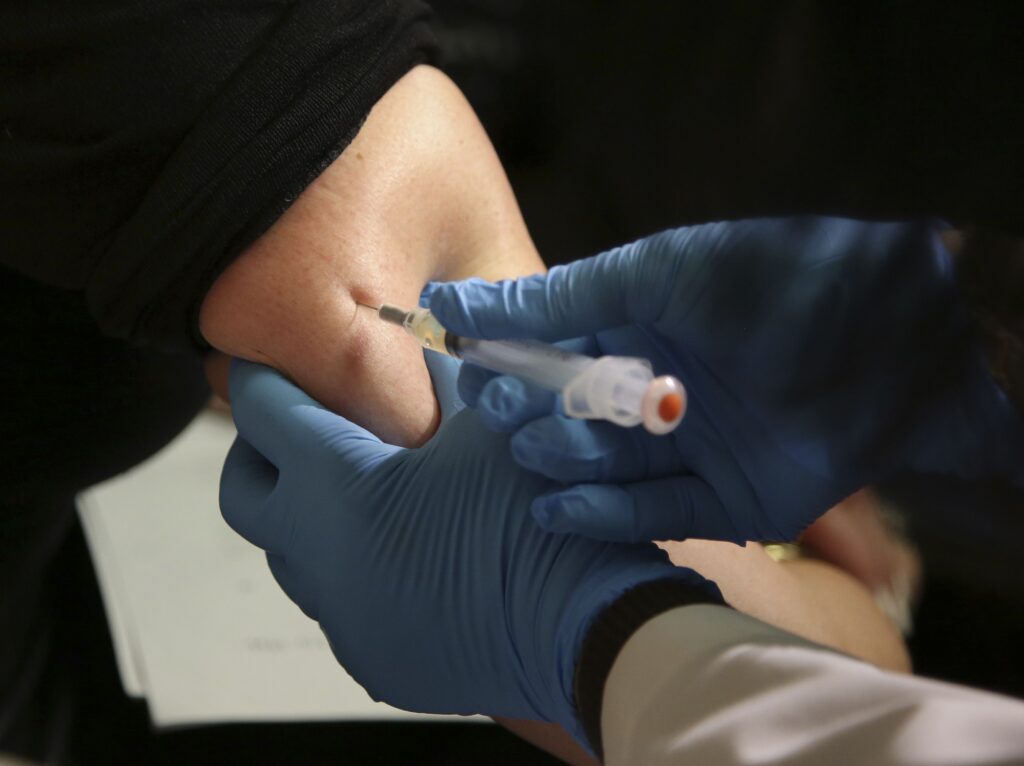
Colorado has had just one measles case this year, but that doesn’t mean Dr. Michelle Barron sleeps well at night. With spring break around the corner, Barron worries out-of-state travelers will bring more than their luggage to the Centennial State....

Operator of auto shop burned in smoky Thornton fire sets up fundraiser
Michael Braithwaite
michael.braithwaite@gazette.com
Updated 9 minutes ago
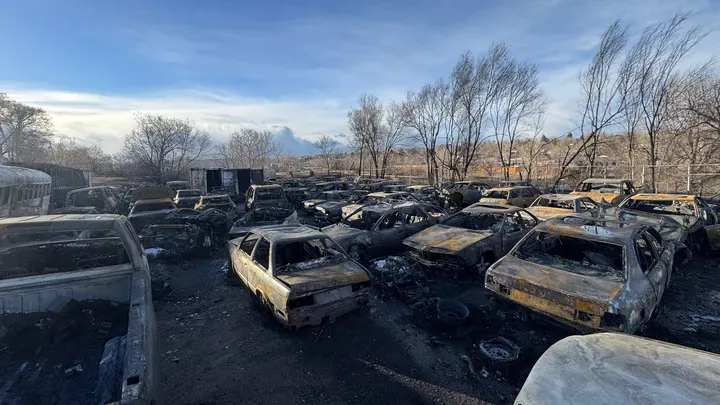
The operator of an automotive shop damaged in Wednesday’s fire in Thornton that threw thick black smoke over the Denver area is seeking the community’s support. Jason Rol, operator of Rol Race Motorsports, an auto restoration shop located in the...

Michael Braithwaite
Reporter

Aurora Water officials answer funding, timeline questions about planned reservoir in Park County
Kyla Pearce
kyla-pearce@denvergazette.com
Updated 41 minutes ago
In recent months, Aurora Water selected a new site in Park County for a future reservoir to expand the city’s water storage capabilities. On Wednesday, water officials shared project updates with 100 meeting attendees online, answering questions about the location,...

Kyla Pearce
Reporter
Family housing coming to site of former Denver motel shelter
Bernadette Berdychowski
bernadette.berdychowski@denvergazette.com
Updated 57 minutes ago
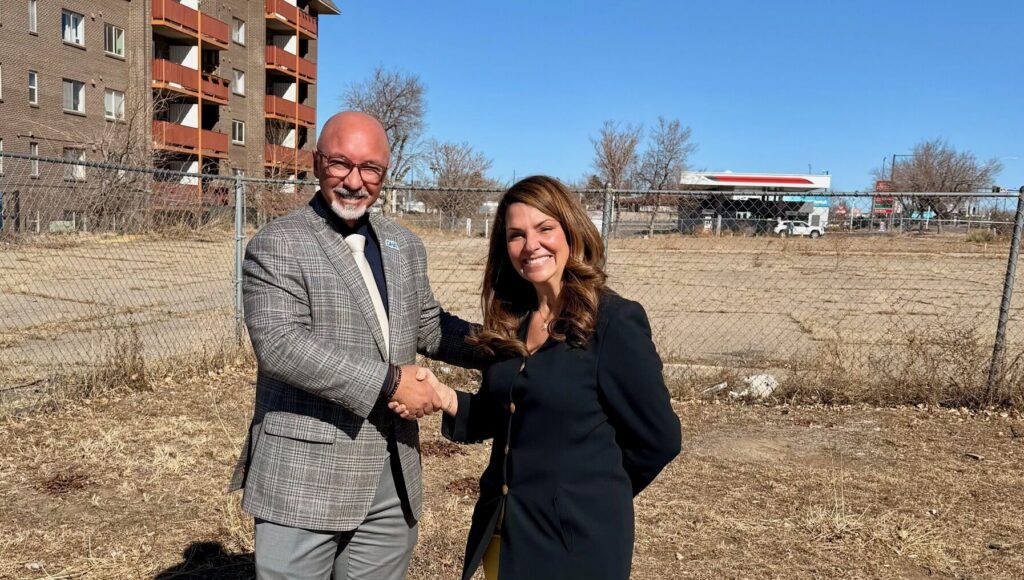
More than two years after a motel-turned-homeless shelter in West Denver closed, plans to turn the site into permanent housing are starting to come to life. The Denver Housing Authority and the Colorado Coalition for the Homeless announced it teamed...

Bernadette Berdychowski
Reporter
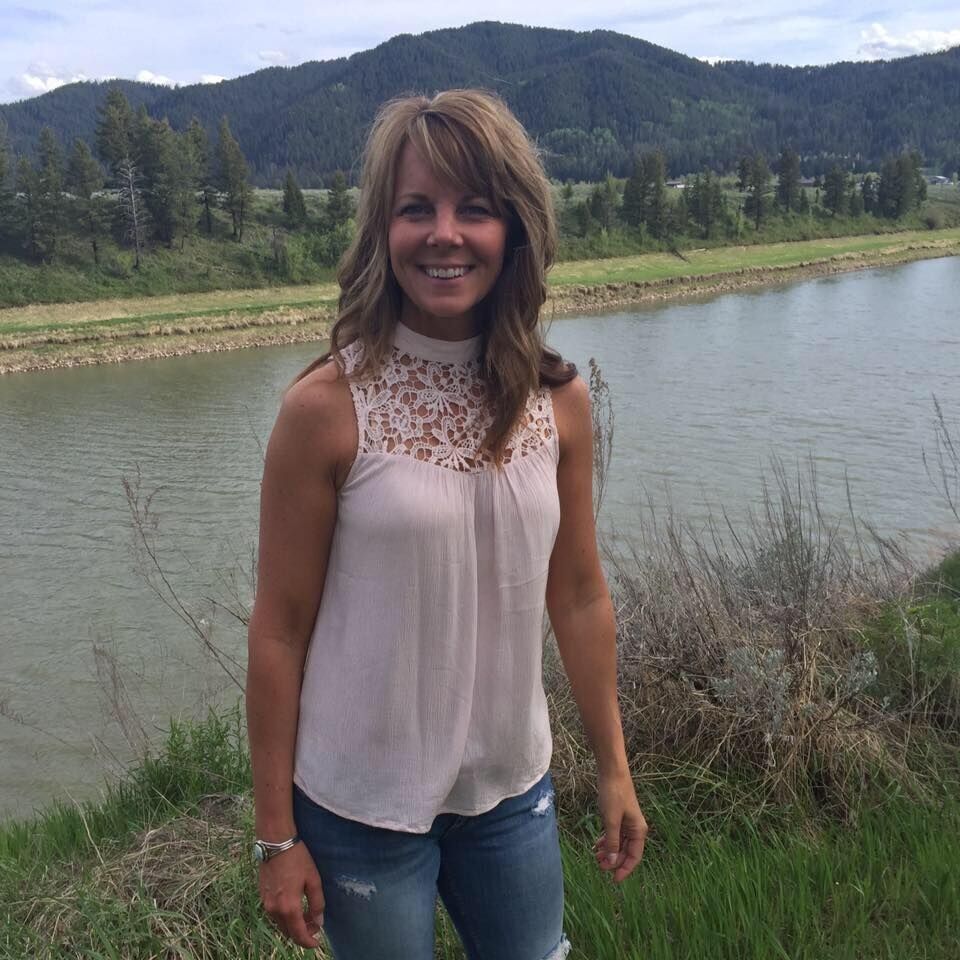
Suzanne Morphew’s family fighting for her remains
Carol McKinley, Special to the Denver Gazette
carol.mckinley@denvergazette.com
Updated 56 minutes ago
Six years after she disappeared, Suzanne Morphew’s adult daughters are fighting to get her remains from the investigators who have them. Barry Morphew has been charged with first degree murder in his wife’s death. Mallory and Macy Morphew have asked...

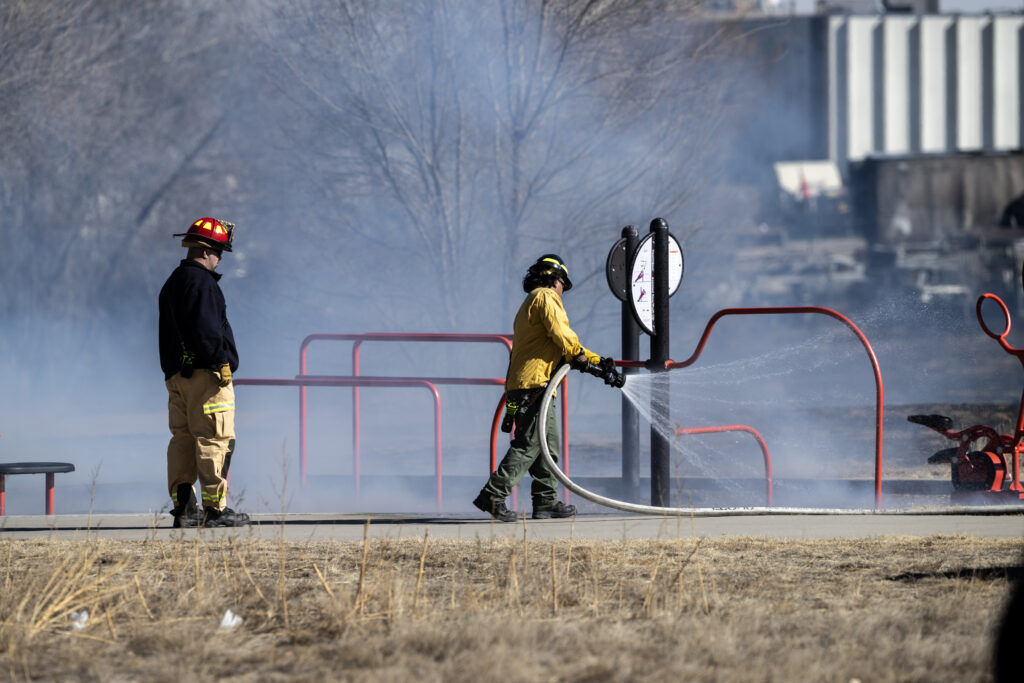
Wildfire sparks in Golden Gate Canyon as dry conditions continue
Michael Braithwaite
michael.braithwaite@gazette.com
Updated 3 hours ago
A wildfire sparked in Golden Gate Canyon Thursday morning, officials said, the third new Denver area blaze in as many days. The fire, which burned less than an acre after originating at a home in the 10000 block of Ralston...
Michael Braithwaite
Reporter
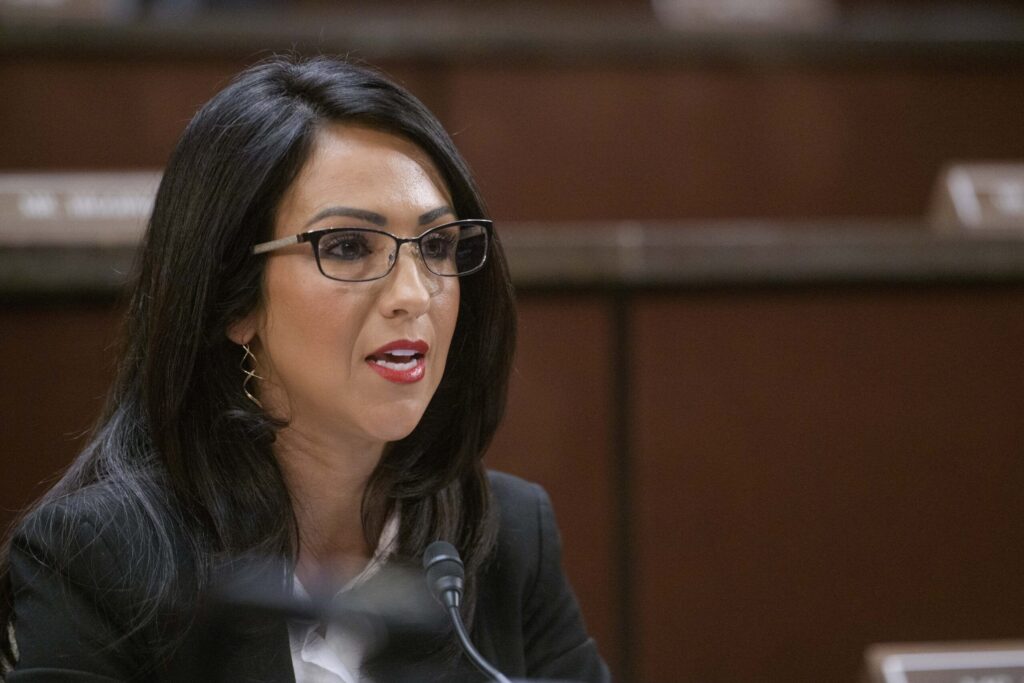
Hillary Clinton deposition paused after Lauren Boebert allegedly leaks photo from inside hearing
Molly Parks, Washington Examiner
molly.parks.washington.examiner@gazetteedit.wpenginepowered.com
Updated 56 minutes ago
The House Oversight Committee has paused the deposition of former first lady and Secretary of State Hillary Clinton on Thursday after political commentator Benny Johnson shared a photo on social media of the closed-door hearing. Rep. Lauren Boebert (R-CO), who...

Molly Parks, Washington Examiner
Reporter

Sandoitchi pop-up returns to Denver, bringing its viral Japanese sandos
Emily Bejarano
emily-bejarano@gazette.com
Updated 57 minutes ago
No need to book a flight for those trendy convenience store sandwiches – but they won’t be in town for long Inspired by the sweet and savory ‘Sandos’ found at konbini convenience stores across Japan, Sandoitchi makes a return to...

Emily Bejarano
Reporter

Denver weather: Sunny skies, warm temperatures on Thursday
Daniel Boniface
dan.boniface@denvergazette.com
Updated 7 hours ago
Sunny skies and warm temperatures are on tap in Denver on Thursday as the city gets a slight reprieve from breezy winds, meteorologists said. The National Weather Service in Boulder said to expect a high near 63 degrees on Thursday...

Daniel Boniface
Reporter

Colorado lawmakers want to crack down on sports betting companies
Marissa Ventrelli
marissa-ventrelli@denvergazette.com
Updated 50 minutes ago
A coalition of legislators has introduced a bill that backers said would help combat sports gambling addiction, particularly among children. Colorado voters approved Proposition DD in 2019, legalizing sports betting statewide. The majority of the state’s sports betting revenue goes...

Marissa Ventrelli
Reporter
PREV
PREVIOUS

Vince Bzdek: Coloradans are fed up with the high price of cars
Car buyers in Colorado – and America – are fed up. Cars are too damn expensive. The average price of a new car broke the $50,000 barrier last fall, according to Kelley Blue Book stats. The Wall Street Journal recently noted that the price of cars and trucks in the United States has increased 33% […]

Colorado 'un santuario' for drug activity, DEA chief says
Colorado’s “sanctuary” laws, notably its prohibition against cooperating with federal authorities, are having a “chilling effect” on law enforcement’s ability to go after drug cartels operating in the state, an official of the U.S. Drug Enforcement Agency said. That situation sits atop Colorado’s “pervasive drug culture stemming back to the marijuana initiation,” said David Olesky, […]