







EDITORIAL: Say it, Governor: Colorado is a sanctuary state
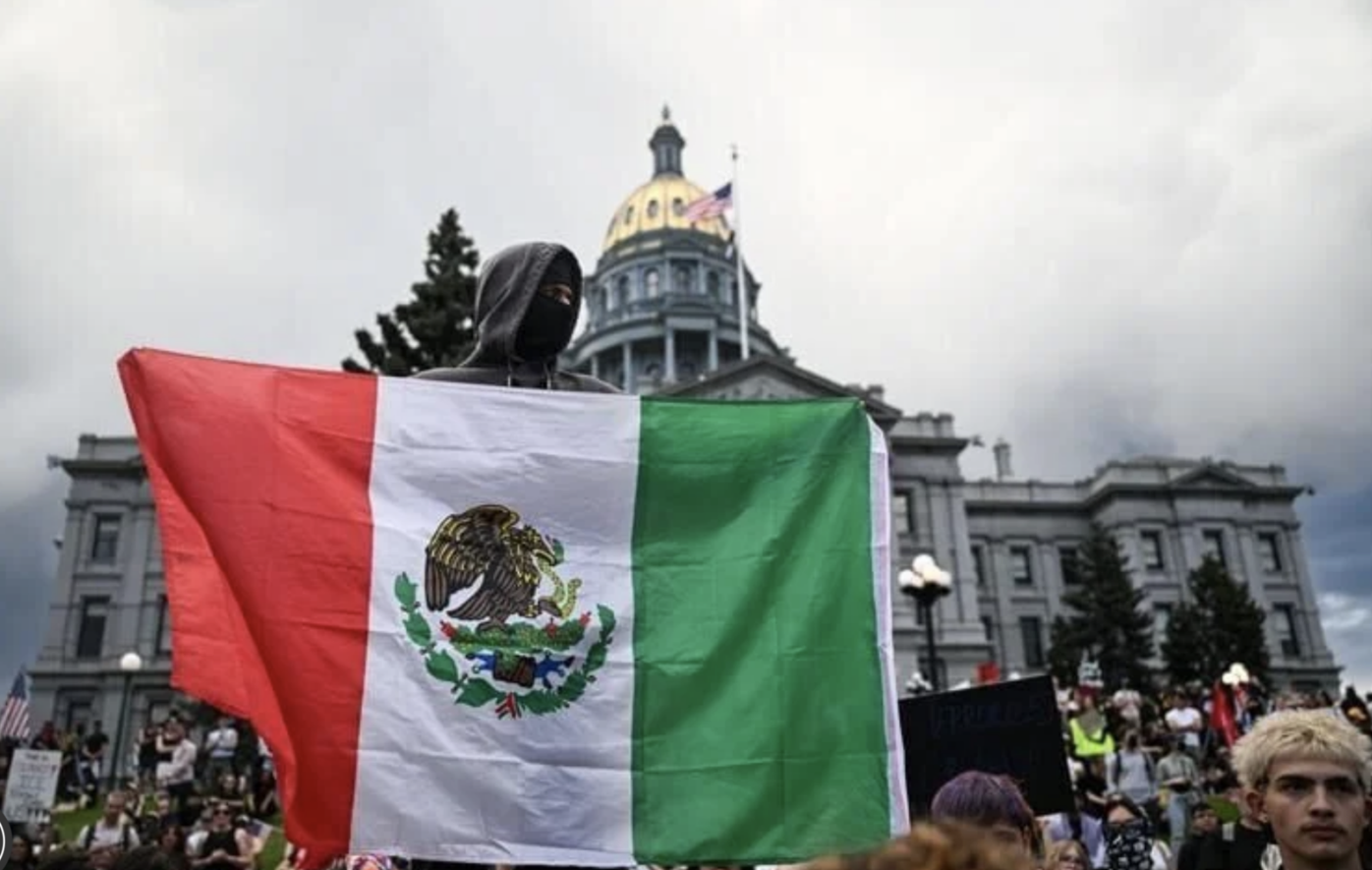
Gov. Jared Polis is at it again, claiming just last week that Colorado isn’t a sanctuary for illegal immigration. Most notably, he contends Colorado law enforcement agencies freely work with federal authorities, including on cases involving illegal immigrants — despite recently enacted state laws to the contrary.
It was by his own pen that those laws, barring cooperation with the feds on illegal immigration, made it into Colorado’s statute books over the past few years. They’re the handiwork of his fellow ruling Democrats at the legislature.
One of those laws, expanded just last year, explicitly prohibits state agencies and political subdivisions from sharing or inquiring into anyone’s personal identifying information to enforce immigration laws. The law imposes a civil fine of $50,000 for each violation.
Is Polis in a state of denial on the subject? Or, is he just splitting hairs to skirt the simple truth that Colorado has become one of the most notorious sanctuary states in the country?
The governor coyly attempts at times to draw a fine line — between working with federal authorities on criminal investigations in general, and working with them on cases involving immigration status.
Hence, his statement to The Gazette’s editorial board Friday, as reported this week by The Gazette:
“There’s always a matter of making sure local line officers are educated in our laws and that they know that they’re able to work with our federal partners on criminal matters. So, it doesn’t shock me that there are some line officers somewhere that didn’t know they’re able to work with law enforcement federally on criminal investigations.”
He continued, “…we hope our sheriffs and our police chiefs are doing a good job, making sure that we can work closely with our federal partners. I’ll be happy to talk to them … So, I’ll set that up.”
The governor would have us believe it’s just a matter of inadequate training if any Colorado law officers feel unsure what they can and can’t tell the feds.
In reality, of course, the immigration status of, say, an operative of a foreign drug cartel inevitably will come into play if he is busted after entering the country illegally to offload a shipment of deadly fentanyl. And Colorado law enforcement agencies that take such a suspect into custody have been scared off of reaching out to the feds for intel and backup.
Given Colorado’s lax drug laws — its decriminalization of possession of hard drugs like fentanyl, meth and heroin several years ago — it would behoove our justice system all the more to turn over drug dealers illegally in the country to ICE. But it’s not going to happen.
Indeed, David Olesky, the special agent in charge of the Drug Enforcement Administration’s (DEA) Rocky Mountain Field Division recently told our editorial board, “Local and state authorities are fearful that the state is going to come back to them — that the passing of their information, even though it originated in drugs, is going to cause civil liability, where they can get sued up to $50,000.”
That’s exactly what happened when a Mesa County sheriff’s deputy made a traffic stop last year and mentioned it on an app jointly used by local, state and federal law enforcement. The motorist later was pulled over by federal officers and detained for being in the country illegally.
Instead of getting a pat on the back, the deputy was slapped with a lawsuit — by the Colorado attorney general.
How’s that for working “closely” with the federal government, Governor?


EDITORIAL: Another attempt to gut TABOR
The Gazette Editorial Board
thegazette-editorial-board@gazette.com
Updated 16 hours ago
For well over three decades, the Taxpayer’s Bill of Rights has protected Coloradans against money-hungry government. Amended into our state constitution by rank-and-file voters in 1992, TABOR has been the public’s last line of defense against predatory politicians. It limits...
The Gazette Editorial Board
Reporter
EDITORIAL: Union bill would kill choice for Colorado schoolkids
The Gazette Editorial Board
thegazette-editorial-board@gazette.com
Updated 1 day ago
The Education Freedom Tax Credit is such a windfall for Colorado schoolchildren that both a Republican Congress and our own Democratic governor support it. Created in Washington last summer and made available to all states that opt in, the federal...
The Gazette Editorial Board
Reporter
EDITORIAL: Union bill would kill choice for Colorado schoolkids
The Gazette Editorial Board
thegazette-editorial-board@gazette.com
Updated 1 day ago
The Education Freedom Tax Credit is such a windfall for Colorado schoolchildren that both a Republican Congress and our own Democratic governor support it. Created in Washington last summer and made available to all states that opt in, the federal...
The Gazette Editorial Board
Reporter
EDITORIAL: Union bill would kill choice for Colorado schoolkids
The Gazette Editorial Board
thegazette-editorial-board@gazette.com
Updated 1 day ago
The Education Freedom Tax Credit is such a windfall for Colorado schoolchildren that a Republican Congress and our own Democratic governor support it. Created in Washington last summer and made available to all states that opt in, the federal tax...
The Gazette Editorial Board
Reporter

EDITORIAL: The wrong way to protect pups
The Gazette Editorial Board
thegazette-editorial-board@gazette.com
Updated 5 days ago
Last week, the state House passed a bill to ban the retail sale of dogs and cats from pet stores statewide. But good-hearted intentions don’t guarantee the best outcomes. House Bill 26-1011 would bar pet stores and brokers from being...
The Gazette Editorial Board
Reporter
A chance to transform the Middle East
Hugo Gurdon
hugo-gurdon@denvergazette.com
Updated 3 days ago
The most revolutionary force in the Middle East is President Donald Trump. America and its ally Israel, achieving unparalleled levels of military and intelligence integration, have decapitated the Iranian terrorist regime, devastated its command structures, destroyed its weapons, and sunk...

Hugo Gurdon
Reporter

EDITORIAL: Forget Front Range rail; Colorado needs better roads
The Gazette Editorial Board
thegazette-editorial-board@gazette.com
Updated 6 days ago
The fanciful idea of Front Range Passenger Rail continues to be touted at public forums up and down the Front Range. The tour made its latest whistle stop last week at the Mt. Carmel Veterans Service Center in Colorado Springs....
The Gazette Editorial Board
Reporter
EDITORIAL: Denver’s restaurants are still reeling
The Gazette Editorial Board
thegazette-editorial-board@gazette.com
Updated 7 days ago
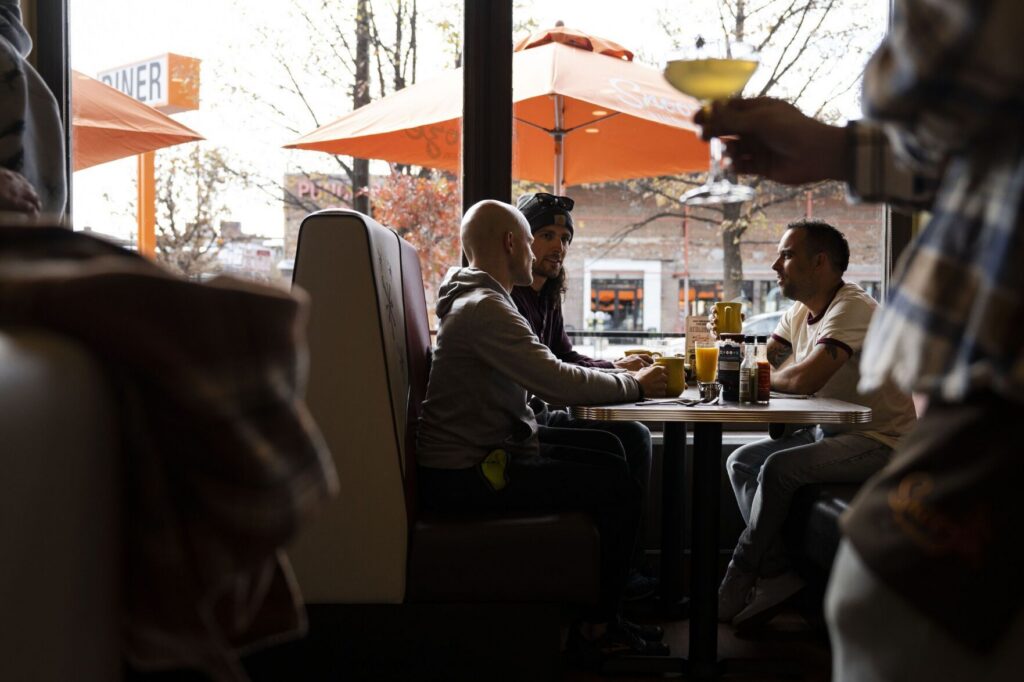
Denver’s restaurant industry is in turmoil. While much of the rest of the country’s restaurant markets have bounced back from the pandemic, a new report from the Denver Restaurant Liaison Project found that Denver’s eateries continue to face “structural contraction,...
The Gazette Editorial Board
Reporter

EDITORIAL: Downgrading murder equals justice deformed
The Gazette Editorial Board
thegazette-editorial-board@gazette.com
Updated 7 days ago
It might sound like an overstatement to say Colorado’s offender-friendly legislature is hellbent on decriminalizing crime itself. But, really, what else could you make of House Bill 26-1281, introduced just the other day at the state Capitol? Get ready to...
The Gazette Editorial Board
Reporter
EDITORIAL: Colorado — where wolves come to die
The Gazette Editorial Board
thegazette-editorial-board@gazette.com
Updated 1 week ago
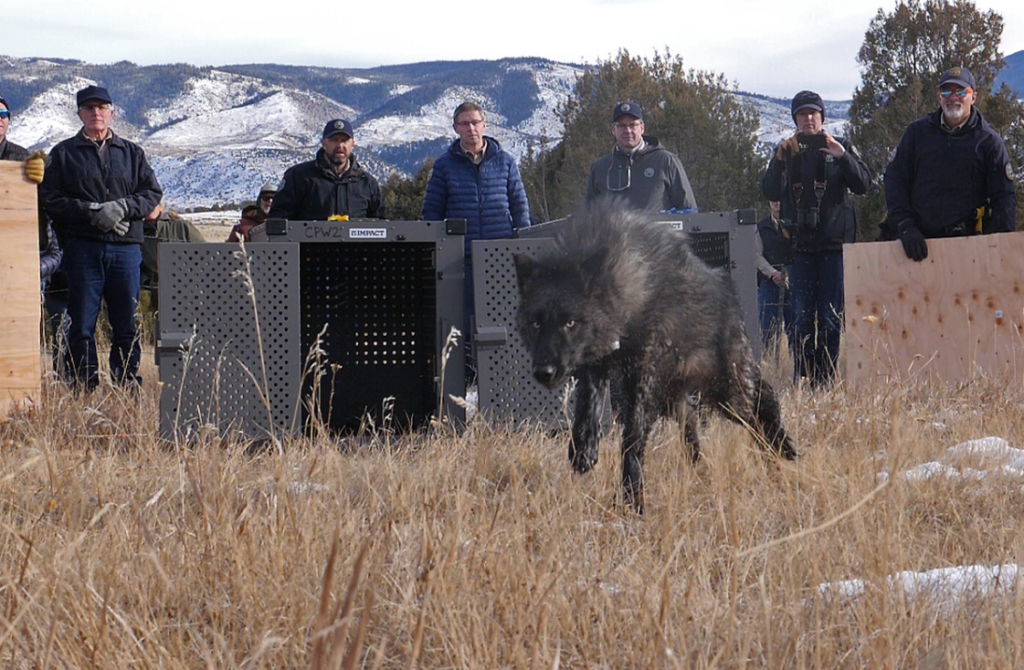
The latest news on Colorado’s precarious and dwindling wolf pack was unsurprising. As reported Sunday in The Gazette, yet another of the wolves relocated to Colorado from Oregon not long ago has died. It happened amid an attempt by Colorado...
The Gazette Editorial Board
Reporter
PREV
PREVIOUS

Aurora must catch up on sales-tax revenue
Aurora’s long-term fiscal health depends on a basic reality: population growth alone does not pay for city services. Retail and dining activity does. Cities fund police, fire, roads, parks and public facilities largely through sales tax. When retail activity does not keep pace with population growth, cities face ongoing pressure—more people to serve and streets […]

A credibility crisis for Aurora's public safety chair
Aurora didn’t just elect Rob Andrews to City Council. The new majority elevated him into one of the city’s consequential roles: chair of the Public Safety, Courts and Civil Service Policy Committee. That title is not ceremonial. It signals oversight, judgment, and moral authority in the lane where public confidence either holds — or collapses. […]