







Colorado traffic deaths climb to 701 in 2025 as officials push new safety measures
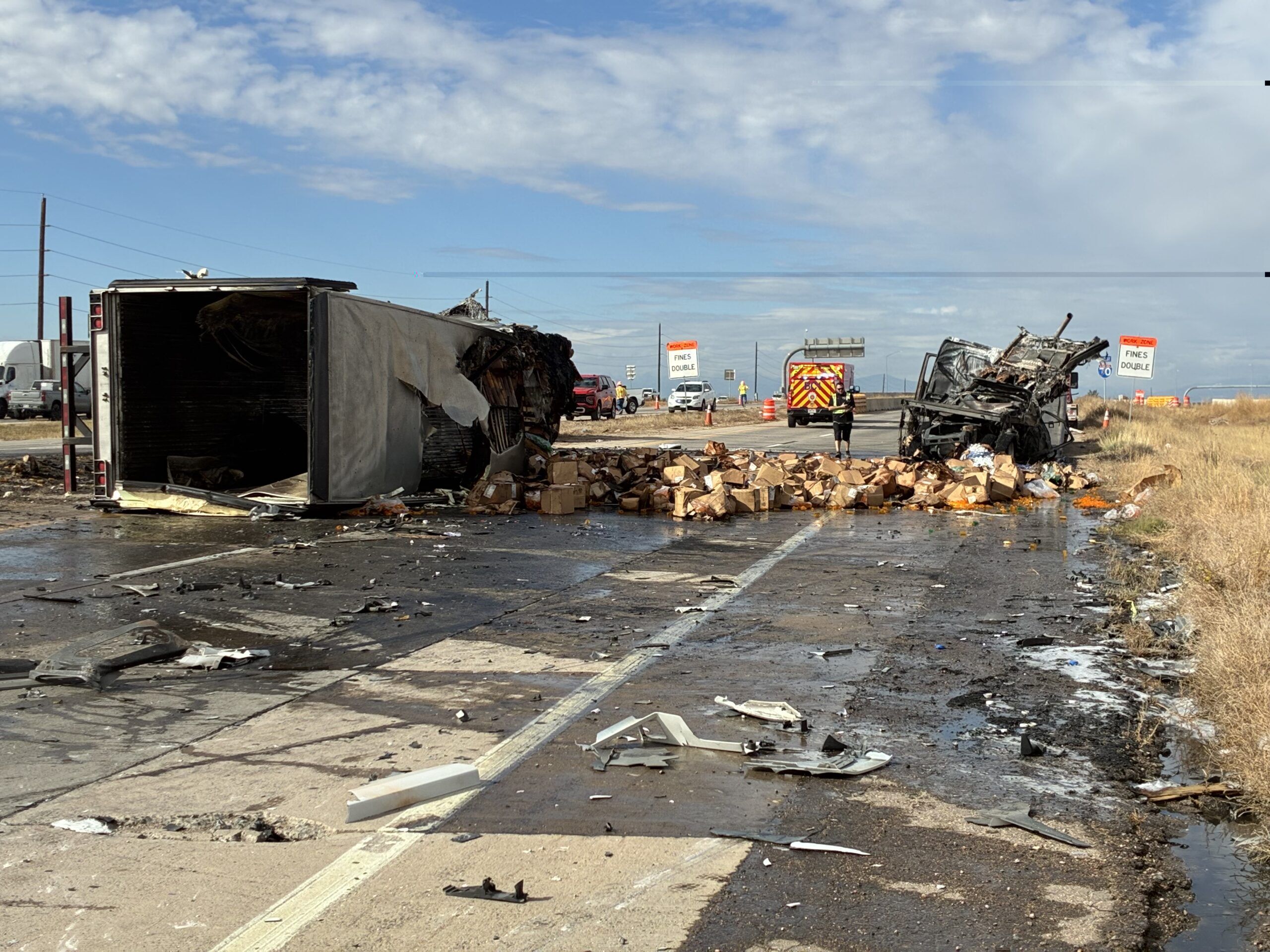
There were 701 traffic fatalities on state roads in 2025 — a roughly 2% increase from 2024, the Colorado Department of Transportation, Colorado State Patrol and Department of Revenue announced at a news conference Friday.
Officials noted that last year ended a period of declining deaths and reflected warm November and December weather that boosted motorcycle activity and crashes.
“Traffic deaths hit near records in those last two months of the year. Especially hard hit were motorcyclists, where we saw a 167% increase in the number of fatalities,” said Shoshana Lew, executive director of CDOT.
Lew called for intensified action to reduce crashes statewide and stressed the human cost of the toll.
“Every one of the 701 deaths last year represents a member of our community,” said Lew. “Each one is a mother, a father, a son, a daughter, a friend, somebody who didn’t make it home.”
Despite the surge in motorcycle deaths late in the year, overall motorcycle fatalities fell 11%, said Sam Cole, traffic safety communications manager at the Colorado Department of Transportation.
He also said construction zone deaths decreased while impaired-driving deaths increased.
He credited safety measures with fewer construction zone deaths but flagged the rise in impaired-driving crashes as an ongoing problem.
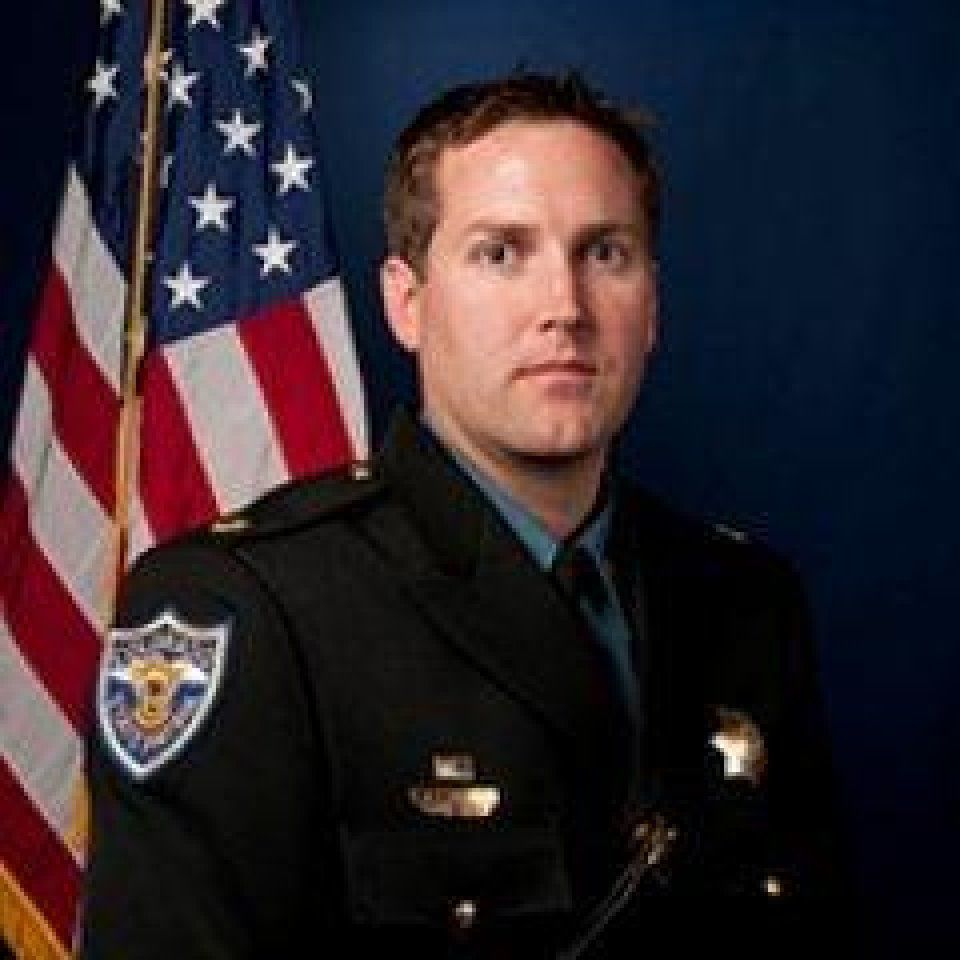
Chief Matthew Packard of the Colorado State Patrol spoke with visible emotion as he described standing at a recent fatal crash scene with a grieving father.
“It is absolutely preventable and unacceptable and the only way that we can move this needle is if we all agree on those two points: Traffic deaths are absolutely preventable and they are tragic,” Packard said.
Packard cited examples of pedestrian crashes involving dark clothing in unlit areas, cyclists without helmets or lights, and drivers who fail to slow down or move over.
“This is not a problem that we can point a single finger at,” Packard said. “This is a systemic issue that we all need to lean into and recognize that it is all of our responsibility to solve these problems.”
Packard urged drivers to plan ahead before consuming alcohol or drugs and stressed that checkpoints and DUI teams will continue statewide enforcement.
“About 30% to 35% of people killed in car crashes in Colorado are at the hands of an impaired driver,” Packard said. “Impaired driving is the single most preventable and absolutely the most selfish act that happens in this state on the state’s roads.”
Lew detailed seven 2026 safety initiatives, including expanding automated speed enforcement cameras in work zones, reducing uninsured motorists, promoting the Move Over law, closing infrastructure gaps for pedestrians and bicyclists, and doubling wildlife crossings to more than 70 structures.
Lew cited the new Greenland wildlife overpass as a prime example. The structure, one of the largest in North America, spans six lanes of Interstate 25 near the Greenland Interchange between Larkspur and Monument in Douglas County and cost $15 million to build.
Such crossings reduce wildlife-vehicle collisions by about 90%, CDOT officials said. The Greenland overpass reconnects roughly 39,000 acres of habitat on both sides of the highway.
Lew urged drivers to take nine seconds before each trip: three seconds to buckle up, three seconds to put down phones under the hands-free law and three seconds to check the roadway for oncoming traffic before pulling out. While seat belt use reached a record 91% in 2025, about half of the deaths involved unbelted individuals.
Packard reported notable rises in pedestrian and bicyclist deaths. Speed was a factor in nearly 40% of vehicle crashes. Distracted driving persisted as a problem despite the new hands-free law for electronic devices.
The Colorado State Patrol plans to add 50 to 100 troopers in 2026 and enforce laws more strictly on speed, distraction and impairment, said Packard.
Electra Bussell, senior director of the Division of Motor Vehicles, described 2025 driver education updates that added content on child passenger restraints, distracted driving, zipper merging, courtesy and vulnerable road users. Comprehensive driver education becomes mandatory for those under 20 in January 2027.
The ignition interlock program, which requires convicted impaired drivers to install breath-alcohol devices to prevent engine start if alcohol is detected, averaged nearly 35,000 active devices last year and recorded almost 80,000 instances where it stopped someone from driving with a blood-alcohol content of 0.08% or higher.
Officials emphasized shared responsibility across drivers, agencies and communities to reverse persistent trends in preventable crashes.

Skybox view: Land broker forecasts where we’re headed, at a moment when all eyes are on Denver
Mark Samuelson
mark-samuelson@denvergazette.com
Updated 4 hours ago
During a week when the entire country is watching helicopter shots of Denver and its mountain skyline, commercial real estate broker Mike Kboudi with Cushman & Wakefield has a skybox view of the real estate playing field, and of where...

Mark Samuelson
Reporter

In an enemy bubble: Broncos fan co-owner of Broadway Patriots bar prepares for ‘rowdy’ gameday
Michael Braithwaite
michael.braithwaite@gazette.com
Updated 3 hours ago
It’s been loud most Sunday afternoons this winter inside South Broadway’s Historians Ale House, but none may louder than the one this week. An island of blue in a sea of brazen orange, the bar and grill is one of...

Michael Braithwaite
Reporter

Vape shops challenge Denver’s flavored tobacco ban in court
Deborah Grigsby
deborah.smith@denvergazette.com
Updated 2 hours ago
The smoke has yet to settle in the battle over the city’s flavored tobacco ban as local vape shop owners have sued the City and County of Denver, asking the court to declare the ordinance unconstitutional and stop its enforcement....

Deborah Grigsby
Reporter

Denver unveils new all-electric, ‘permanently’ affordable housing
Deborah Grigsby
deborah.smith@denvergazette.com
Updated 10 hours ago
The City of Denver welcomed its newest affordable housing community as Mayor Mike Johnston and other city leaders gathered for a brief ribbon-cutting ceremony on Thursday. Developed by the Urban Land Conservancy, The Irving at Mile High Vista is a...
Deborah Grigsby
Reporter
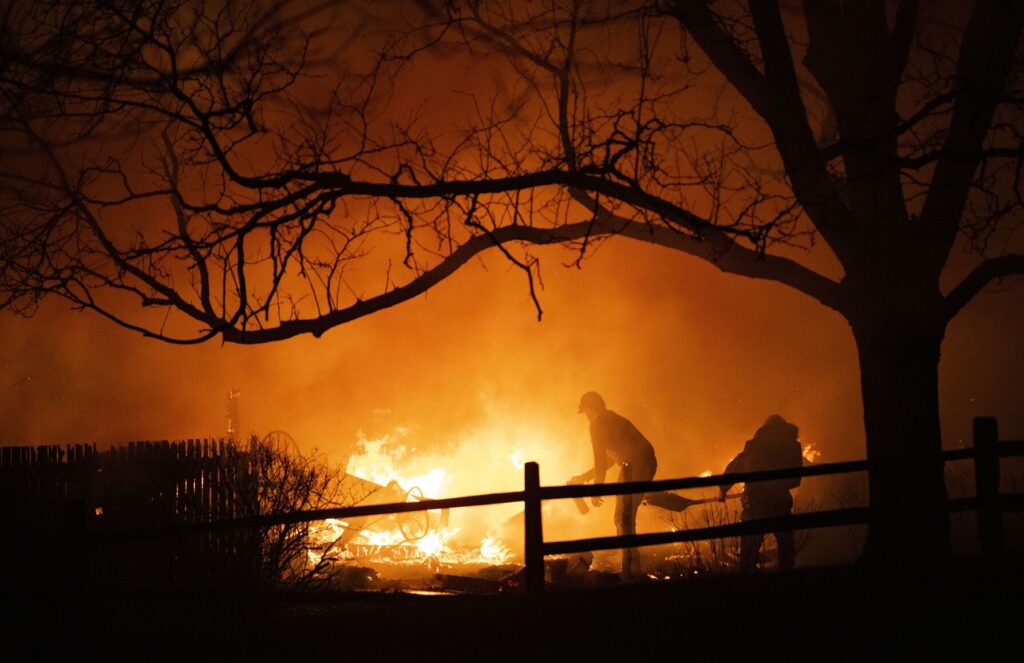
PUC schedules virtual hearing on proposed rules for public safety power shutoffs
Scott Weiser
scott-weiser@denvergazette.com
Updated 9 hours ago
The Colorado Public Utilities Commission will hold a virtual public comment hearing to gather input on proposed new rules for Public Safety Power Shutoff events, a wildfire prevention measure that temporarily cuts power to reduce ignition risks from utility equipment...
Scott Weiser
Reporter

With home field advantage, Broncos playoffs could bring Denver economy millions
Bernadette Berdychowski
bernadette.berdychowski@denvergazette.com
Updated 24 hours ago
This weekend, there will be plenty of bills coming out of the wallets of both Denver Broncos and Buffalo Bills fans for the divisional round playoff game. The first playoff game played at Empower Field at Mile High on Saturday...

Bernadette Berdychowski
Reporter
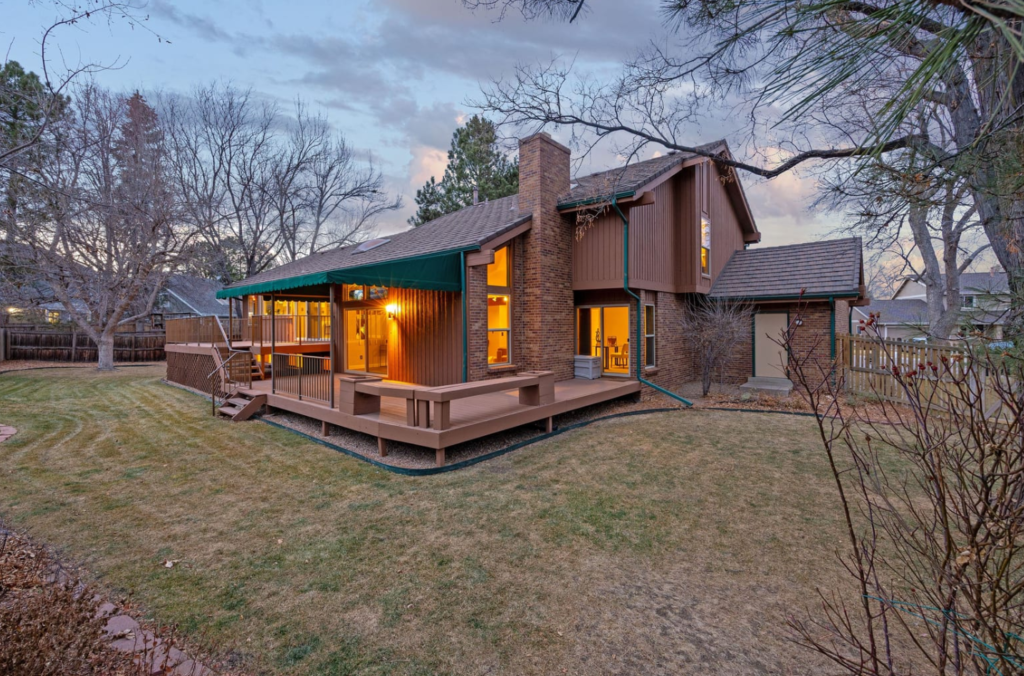
This home was $975K in Centennial, but went under contract in a weekend
Mark Samuelson
mark-samuelson@denvergazette.com
Updated 14 hours ago
How many homes were on the market over the first, frigid weeks of the year in the city of Centennial? Not enough to meet the demand, said agent Kate Perry with LIV Sotheby’s International. She has proof of that a...
Mark Samuelson
Reporter
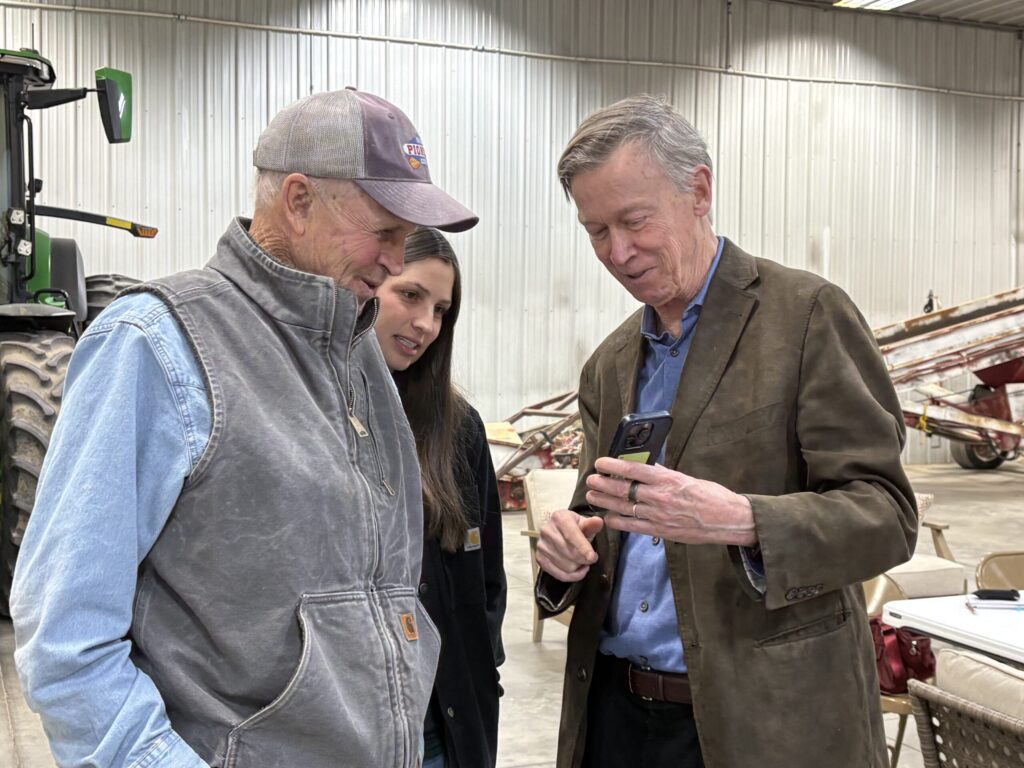
Colorado farmers warn U.S. Sen. John Hickenlooper tariffs and research cuts endanger agriculture
Marianne Goodland
marianne-goodland@denvergazette.com
Updated 1 day ago
Northern Colorado farmers told U.S. Sen. John Hickenlooper this week that tariffs and President Donald Trump’s decision to import $40 billion worth of beef from Argentina have hurt Colorado’s agricultural industry. But the administration’s cuts to scientific research are almost...

Marianne Goodland
Reporter

Colorado has a new film commissioner
Bernadette Berdychowski
bernadette.berdychowski@denvergazette.com
Updated 2 days ago
As the Sundance Film Festival begins its last hurrah in Utah before it moves to Boulder in 2027, Colorado got itself a new film commissioner. Gov. Jared Polis and the Colorado Office of Economic Development and International Trade announced the...
Bernadette Berdychowski
Reporter
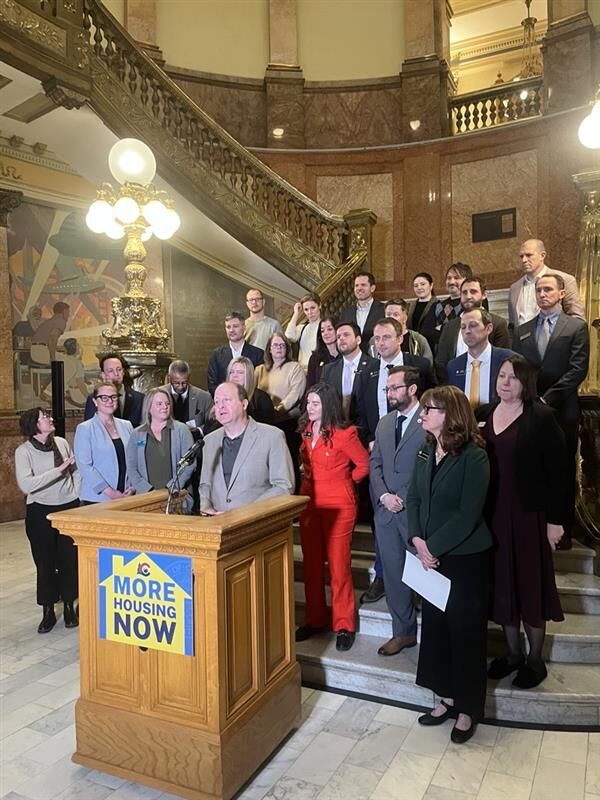
Gov. Polis, Democratic lawmakers introduce trio of housing affordability bills
Marissa Ventrelli
marissa-ventrelli@denvergazette.com
Updated 1 day ago
Democratic lawmakers were joined by housing advocates and Gov. Jared Polis at the Capitol on Wednesday to announce a trio of bills they say will increase affordable housing in Colorado. “This session, Colorado Democrats are focused on lowering costs, and...

Marissa Ventrelli
Reporter
PREV
PREVIOUS

In an enemy bubble: Broncos fan co-owner of Broadway Patriots bar prepares for 'rowdy' gameday
It’s been loud most Sunday afternoons this winter inside South Broadway’s Historians Ale House, but none may louder than the one this week. An island of blue in a sea of brazen orange, the bar and grill is one of the few New England Patriots establishments left in the Mile High City. On gamedays, it […]
Skybox view: Land broker forecasts where we're headed, at a moment when all eyes are on Denver
During a week when the entire country is watching helicopter shots of Denver and its mountain skyline, commercial real estate broker Mike Kboudi with Cushman & Wakefield has a skybox view of the real estate playing field, and of where the Mile High is headed at this moment in time. Kboudi, the firm’s executive managing […]