EDITORIAL: A troubling tax hike is back on track
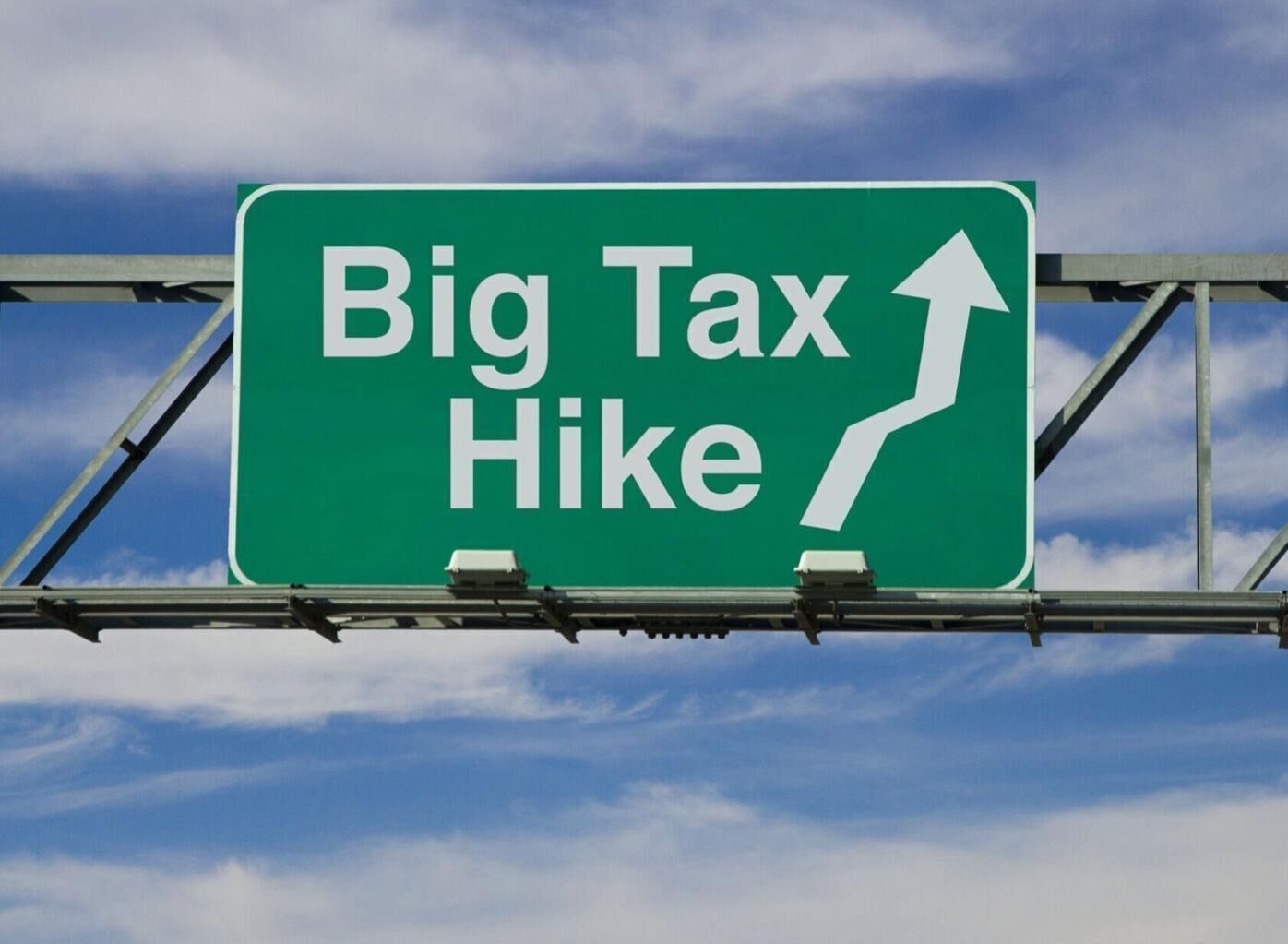
Even after three strikes, advocates for a “progressive” income tax aren’t out. Their proposal to replace Colorado’s 4.4% flat income-tax rate with an array of tax brackets is once again moving ahead toward next November’s ballot after state officials gave it a green light last week.
The initiative had been derailed temporarily several times by challenges to its constitutionality before the state Initiative Title Setting Review Board. For now, the tax hike is back on track.
The details of the proposal vary across eight versions, each featuring one of two tax structures with six brackets ranging from 3.7% for incomes below $25,000 to 9.5% for those earning $1 million. Under a previous iteration, the tax hike would cost taxpayers $4.1 billion a year. Now, there’s a range. It all depends on which version the proponents decide to advance to next fall’s ballot. Then, the real work begins — gathering at least 125,000 voters’ signatures to get there.
Each version of the tax hike lets the legislature keep excess revenues above Taxpayer’s Bill of Rights caps on government growth — rendering future TABOR refunds exceedingly unlikely. In other words, the proposal not only would dig deeper into many Coloradans’ pockets; it also would gut TABOR — a watershed, voter-enacted safeguard for taxpayers.
Polls show TABOR remains overwhelmingly popular among Coloradans, and voters likely will be wary of any attempt to remove its protections.
They also may reason, wisely, that Colorado’s current flat tax ensures everyone pays their fair share. It requires the same proportion of everyone’s household income; the more you earn, the more you pay.
When the current income tax already nets over $17 billion annually, soaking the public for additional billions could turn out to be a tough sell.
Ironically, potential opposition to the pending proposal extends to one of our state’s most prominent and powerful Democrats. While Jared Polis is notoriously coy about where he stands on a lot of ballot issues, he has voiced support over the years for modest cuts implemented at the ballot box to the state’s flat tax. He’s unlikely to support a scheme that goes in the opposite direction. After all, Polis may identify as a progressive — but on this matter, he is a realist.
The whole debate presumes of course Colorado needs an income tax in the first place. Polis himself has advocated on several occasions for eliminating the state’s income tax entirely.
After all, an income tax penalizes productivity, i.e., hard work, and undermines prosperity.
Any income tax also puts Colorado on the wrong side of states that don’t have one — like neighboring Wyoming, Nevada and the second-most-populous state, Texas. Having no income tax is a key draw in luring job-creating investment; raising the income tax, as a progressive tax would, stands to make our state even less competitive.
That has been the point pressed by Advance Colorado, the advocacy group that has gamely fought the progressive tax proposal all along and helped persuade the Title Board to rule against the pending tax hike on previous occasions.
In a recent press statement, Advance forewarned, “…the tax hike would chase jobs out of our state, hurt Coloradans and continue to push our revenue down.”
Fortunately, this isn’t the final word. Advance Colorado and taxpayer watchdog Natalie Menten are preparing another challenge before the title board on Feb. 4. Stay tuned.


EDITORIAL: ‘Flock’ cams crucial to Colorado’s crime fight
The Gazette Editorial Board
thegazette-editorial-board@gazette.com
Updated 3 days ago
The wins keep coming, across Colorado, for the cutting-edge law enforcement mechanism that perhaps ranks only behind the determination and discipline of our law officers in the crime fight: license-plate reading surveillance cameras. The Atlanta-based Flock Safety cameras have become...
The Gazette Editorial Board
Reporter
EDITORIAL: Left in the dark, Golden pushes back
The Gazette Editorial Board
thegazette-editorial-board@gazette.com
Updated 4 days ago
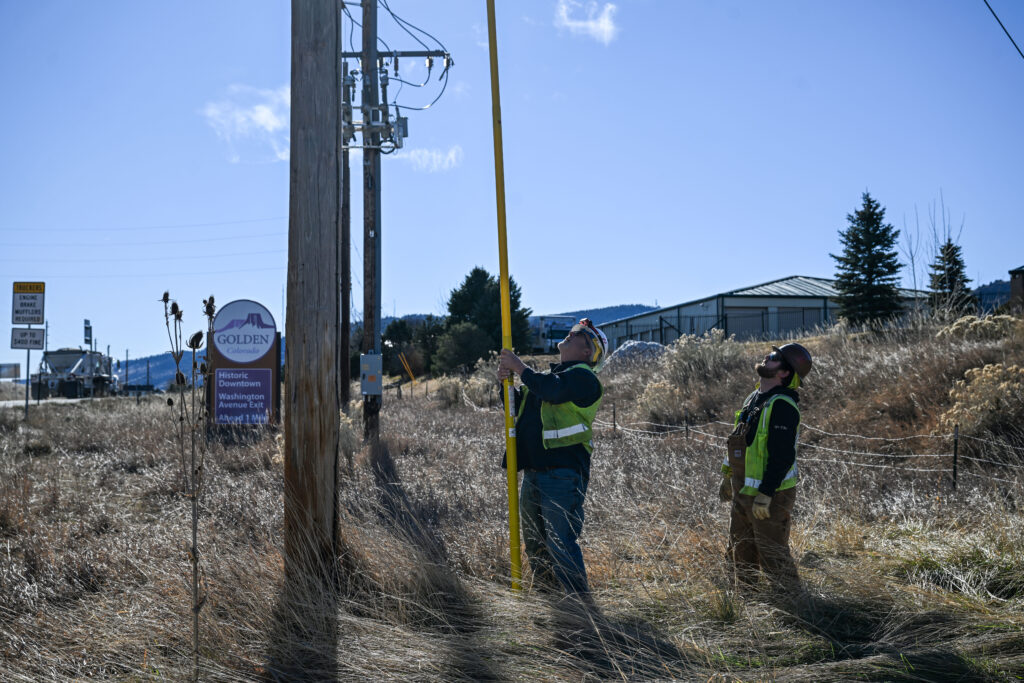
When Colorado became a territory in 1862, its first capital was Golden until Denver took over in 1867. Now, Golden is a small but still important city. With its growing reputation as a haven for the high-tech sector, it’s no...
The Gazette Editorial Board
Reporter

EDITORIAL: Say it, Governor: Colorado is a sanctuary state
The Gazette Editorial Board
thegazette-editorial-board@gazette.com
Updated 4 days ago
Gov. Jared Polis is at it again, claiming just last week that Colorado isn’t a sanctuary for illegal immigration. Most notably, he contends Colorado law enforcement agencies freely work with federal authorities, including on cases involving illegal immigrants — despite...
The Gazette Editorial Board
Reporter
EDITORIAL: Drinking, driving don’t mix; not for politicians, either
The Gazette Editorial Board
thegazette-editorial-board@gazette.com
Updated 5 days ago
Last year, 234 people lost their lives in crashes involving an impaired driver on Colorado roadways. Among them was Sen. Faith Winter, a prominent state lawmaker from Westminster, who had more than twice the legal limit of alcohol in her...
The Gazette Editorial Board
Reporter

EDITORIAL: Dispelling illusions about homelessness
The Gazette Editorial Board
thegazette-editorial-board@gazette.com
Updated 1 week ago
A Common Sense Institute report released last week affirms how soft-on-crime and easy-on-drugs policies make homelessness worse in wealthy, high-government-spending states like Colorado. To control for states with larger populations and thus higher homeless numbers, the report analyzed the number...
The Gazette Editorial Board
Reporter

EDITORIAL: Polis is right to keep the ‘labor peace’
The Gazette Editorial Board
thegazette-editorial-board@gazette.com
Updated 1 week ago
The legislative session opened only days ago, yet Colorado’s ruling Democrats have wasted no time reintroducing a destructive labor bill that Gov. Jared Polis vetoed just last year. The legislation would deny protections for workers while claiming to do the...
The Gazette Editorial Board
Reporter

EDITORIAL: Oblivious to a crisis of their own making
The Gazette Editorial Board
thegazette-editorial-board@gazette.com
Updated 1 week ago
While Gov. Jared Polis was being warmly applauded by his fellow ruling Democrats amid his eighth and final State of the State speech at the Capitol Thursday, the rest of Colorado was apprised of some cold, hard facts. “Rocky Mountain...
The Gazette Editorial Board
Reporter

EDITORIAL: Celebrate Denver’s record-setting stock show
The Gazette Editorial Board
thegazette-editorial-board@gazette.com
Updated 2 weeks ago
Who says “Cowtown’s” best days are behind her? Sure, artificial intelligence might wind up taking more time this legislative session than agriculture. And, yes, all the way up to Gov. Jared Polis’ tone-deaf “Meat Out Day” and, of course, the...
The Gazette Editorial Board
Reporter

EDITORIAL: Don’t confuse protest with obstruction of justice
The Gazette Editorial Board
thegazette-editorial-board@gazette.com
Updated 2 weeks ago
Activists opposed to the Trump administration’s crackdown on illegal immigration are, predictably, exploiting the shooting death of a former Coloradan by a federal agent during an immigration-enforcement action in Minneapolis. It’s the latest leverage point for the political fringe, nationwide...
The Gazette Editorial Board
Reporter

EDITORIAL: The toll of Colorado’s ‘santuario’ status
The Gazette Editorial Board
thegazette-editorial-board@gazette.com
Updated 2 weeks ago
Our state’s apologists for open borders sanctimoniously dubbed illegal immigrants “newcomers.” Because, y’know, accusing them of entering the country illegally is so judgmental. And not very welcoming. The warm-and-fuzzy label also made it easier to lavish some $80 million in...
The Gazette Editorial Board
Reporter