







Denver’s historic Barth Hotel to get $6M from downtown authority
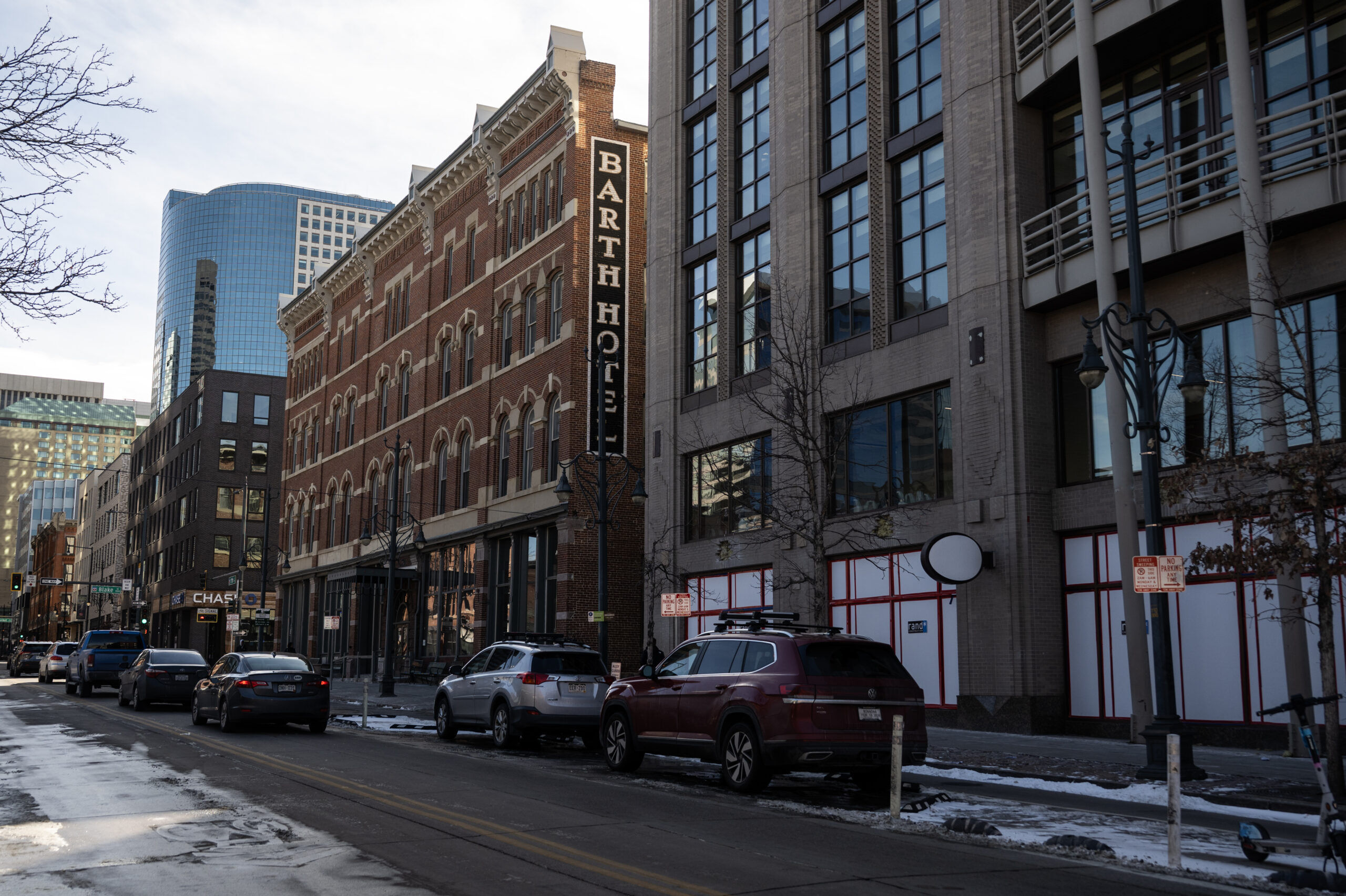
The board of directors for the Denver Downtown Development Authority voted Tuesday to grant $6 million to the historic Barth Hotel on 17th Street for a senior housing redevelopment project.
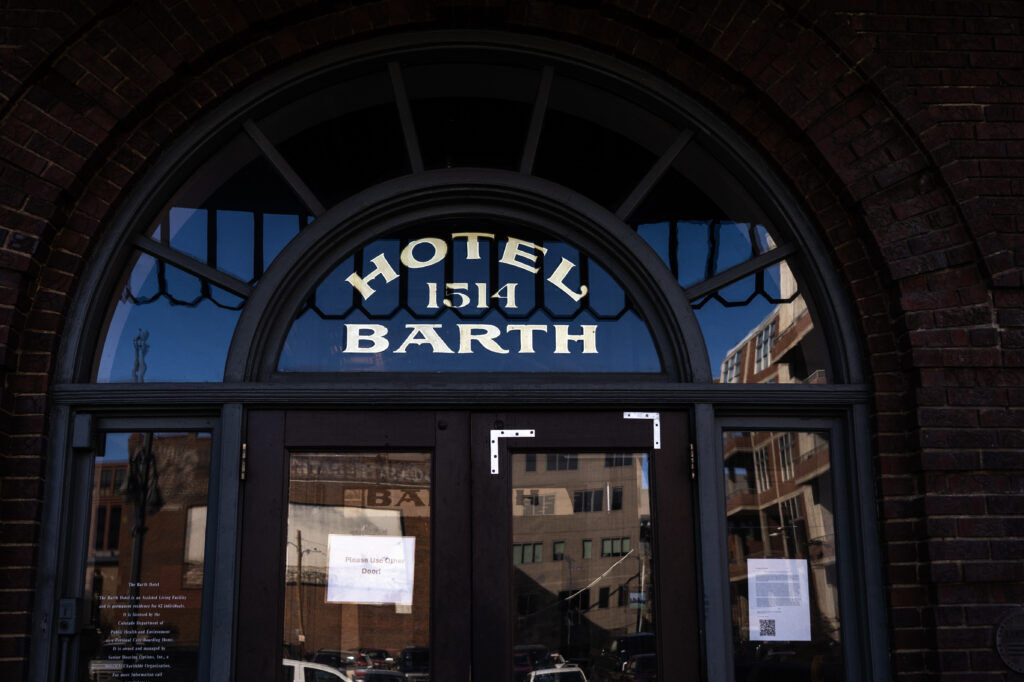
The historic hotel, nearly as old as Denver’s Union Station two blocks away, was an assisted living community before it closed in December 2024. Its owner Senior Housing Options put it up for sale after running it for more than 40 years due to the building’s safety issues and the high cost to fix it.
All of its residents moved out of the building at 1514 17th St. and it is currently vacant.
The DDDA approved the application from Denver developer Urban Ventures Inc. and Lakewood-based Eaton Senior Services, who will lead the redevelopment and run a new senior housing project. Senior Housing Options still owns the building, though the development partnership is working on securing a contract with the joint venture, said Ben Bryan, a board member for Eaton Senior Services.
The redevelopment project plans to convert its current rooms that have shared bathrooms into larger studios with a kitchen and private bathroom, according to a press release from the Downtown Development Authority. It will also install new elevators and upgrade its utilities. It will be all-electric after the renovation.
“It was more like a room and board operation,” Sue Powers, president of Urban Ventures, told the DDDA. “And what we’re proposing and what Eaton Senior Communities operates now is independent living for seniors aged 62 and up.”
There will also be a new community space inside the building, she added.
The redevelopment would bring back 50 units of affordable senior housing at 30% to 50% of the area median income. Construction is set to begin in Spring 2027 with an estimated completion timeline by early 2028, according to a city staff presentation. The project is set to cost $22 million and the loan would finance up to 27%.
Five board members approved the project and board members Frank Cannon and Marshall Johnston voted against it, though they did not state why.
HISTORY OF THE BARTH
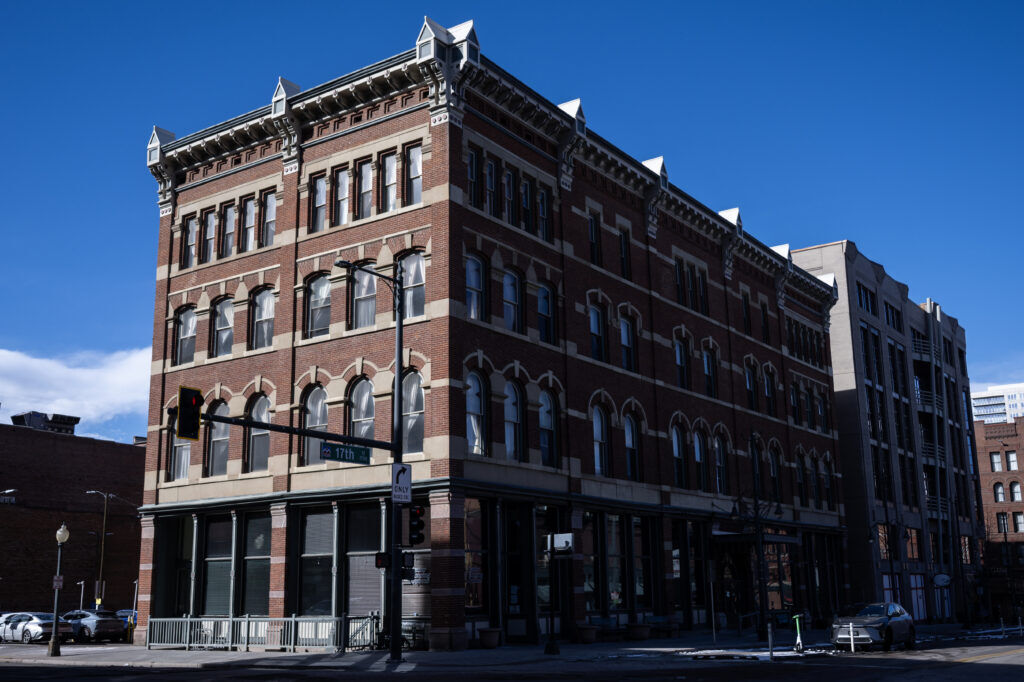
The Barth Hotel was designed by acclaimed Denver architect Frederick C. Eberley, who also designed the Tivoli Brewery, now known as the Tivoli Student Union at the Auraria Campus.
The building has been under several names throughout its history, one that dates back to Colorado’s statehood infancy.
It first opened in 1882 as a warehouse for the Union Liquor Wholesale Company, according to its sales listing. It became a hotel shortly after, first as the Union Hotel. Later it went by the New Union Hotel, Elk Hotel and, finally, Hotel Barth.
The Victorian-style building was added to the National Register of Historic Places in 1982, noting it was the “oldest continuously operating hotel in Denver” at the time.
The building has a 60-year affordable housing covenant on it.
Powers said the project originally had several issues that caused them to withdraw their application, but came back. The company from Union Station developer Walter Isenberg, Sage Hospitality, got the first right of refusal in the 1990s if the building ever went on sale and wanted to turn it back into a hotel despite the covenant, Denverite reported.
“I think this is a statement of the importance of diversity in our downtown,” Powers said on Tuesday. ”It’s important that people who have different means … that they have a chance to live in downtown and afford it.”
LOAN MIGHT NOT BE PAID BACK ANYTIME SOON
This project would be the furthest from Upper Downtown since the DDDA expanded last year from the area around Union Station and Market Street to include the rest of downtown, with a high priority for projects in Upper Downtown. The Barth Hotel is located in the Lower Downtown Historic District.
The DDDA has awarded loans to 15 projects in its pilot year, totaling more than $170 million.
It could take the Barth Hotel about 40 years for the DDDA loan to be paid back, said Denver’s Chief Projects Officer Bill Mosher, but potentially it might not be paid back at all.
“But there are opportunities that we are exploring on how we could get the DDA paid back,” Mosher said.
The DDDA said any future sale of the property after the joint project from Urban Ventures and Eaton Senior Services would require the loan to be paid back before it could sell. The DDDA also voted with hopes to minimize its stake in the loan down to $4 million with the help of federal and state historic tax credits the developer seeks to obtain.
Powers also said they are looking for ways to minimize the DDDA’s financial responsibility.
“It’s not like this building has a ton of cash flow long term,” she said. “But to the extent that we can repay, that will be our objective.”