







Gov. Polis highlights Colorado’s business climate and affordability during annual gathering
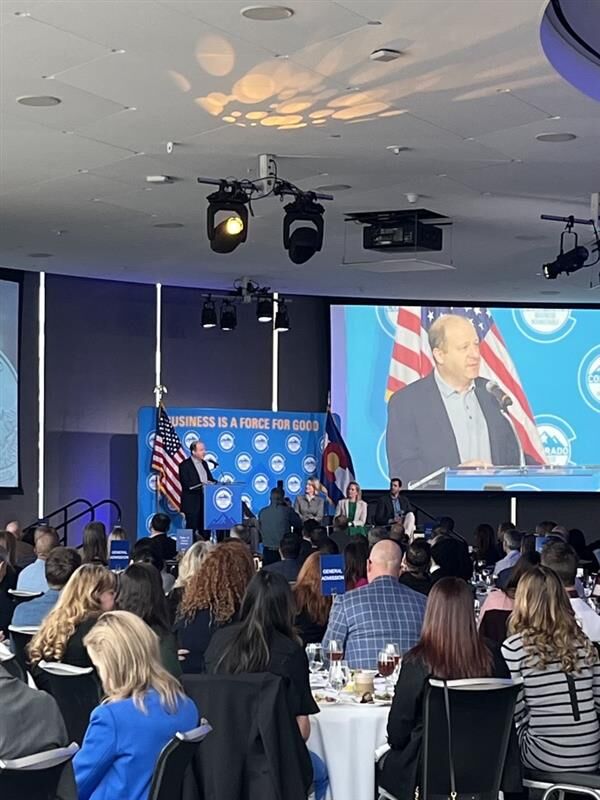
Gov. Jared Polis used his annual meeting with Colorado business leaders on Wednesday to take stock of his time in office, highlighting the state’s pandemic response, ongoing challenges facing downtown economies, and what he described as continued efforts to balance a strong business climate with affordability concerns.
Polis was joined by leaders of some of the largest businesses in Colorado and the country, including Molson Coors and Verizon, as well as directors of state agencies like the Colorado Office of Economic Development and International Trade nd the Division of Regulatory Affairs.
When asked about lessons he’d learned from the pandemic, Polis noted that the state had one of the shortest shutdowns and one of the lowest death rates in the nation, and the tourism industry — he said — remained relatively stable due to the number of outdoor activities available to visitors.
The business community has continued to take a hit in the aftermath of the pandemic, particularly in urban areas, as cities deal with rising commercial vacancy rates stemming from companies implementing work-from-home policies, which also affect downtown businesses like restaurants and convenience stores.
During the pandemic, governments shut down businesses, limited gatherings and events, while schools pivoted to remote learning. Colorado’s workforce practically went remote, fundamentally altering that dynamic.
Polis also discussed his “Disagree Better” initiative with Utah’s Republican Gov. Spencer Cox. The National Governors Association said the initiative was created to “look at the problems of polarization, elevate the solutions that groups around the country are already implementing, and feature governors showing what disagreeing better looks like.”
Nobody agrees on everything, Polis said, and that’s a good thing.
“But there are constructive ways to disagree — it starts with listening to where the person’s coming from,” he said. “Too often in today’s politics we see unhealthy ways to disagree — attacking or denigrating somebody who you might disagree with personally.”
Polis also spoke about a recent U.S. News & World Report ranking that placed Colorado’s business environment fourth in the nation.
To critics, Polis has presided over a cooling economy that many in the business community attributed to a regulatory thicket that is driving up costs, stalling investment and pushing companies to look elsewhere in the country. Business leaders and others previously lamented that Colorado, once among the nation’s fastest-growing economies, now faces mounting challenges that threaten its momentum, the result of actions, they said, by Democrats who control the legislature and legislation the governor has signed.
They said warning lights are flashing more these days, as a sharp rise in the cost of living, combined with a legislature eager to regulate industries, is beginning to stall the state’s economic engine.
Another significant barrier is the state’s push to regulate, business leaders have said. From the City and County of Denver to the state legislature, Colorado has steadily climbed the ranks to be one of America’s most regulated states, ranking sixth in a 2024 study.
Polis has at times warned against legislation from the Democratic-controlled Colorado General Assembly and has followed through on threats to veto what he calls “unnecessary” or redundant regulations.
But the governor has also signed many of these regulations into law. And some have pushed for what critics call downright anti-business policies, such as the legislation, introduced by a Democrat, to ban new oil and gas drilling in Colorado by 2030.
During his speech on Wednesday, Polis said Colorado tends to score high on many lists — from property and income tax rates to the regulatory environment, but affordability has long been a weak point.
“Generally, states with better business environments do have higher costs because there’s more jobs because people want to live there,” he argued. “Lower-cost areas are generally less prosperous and less successful areas with higher unemployment rates.”
However, Polis said his administration has worked with the General Assembly throughout his tenure to make life in Colorado more affordable by reducing barriers to affordable housing and increasing opportunities for Coloradans to obtain higher-paying jobs.
“Now people can build accessory dwelling units, there’s multi-family zoning in many parts of our cities,” he said. “So, this effort continues to try to allow supply to keep up with demand and to make Colorado more affordable.”
Colorado has been imposing a number of regulatory strategies to spur housing development. The state government is currently in court against suburban cities over some of them. Some builders who work with higher density projects said that the state’s medicine doesn’t treat what ails the market for affordable homes.
Those issues, builders said, often have little to do with the regulatory changes currently being bickered over by state and local governments.
Shifting to the job market, Polis said while the state currently has about 1.5 job openings for each unemployed person, there’s a “skill mismatch.”
“People that are unemployed don’t necessarily have the skills of the jobs that are being posted today, so we have to upskill people of all ages,” he said.
Last year, Polis issued an executive order directing state agencies to analyze the state’s post-secondary talent system and develop recommendations for improvements.
A report based on that analysis released last month includes several recommendations, including streamlining higher education and workforce development services under a single state department to serve students, job seekers and employers.


As slightly lower rates tempt buyers, a bungalow is open in Sunnyside
Mark Samuelson
mark-samuelson@denvergazette.com
Updated 3 hours ago
When 30-year fixed-rate mortgages momentarily dipped below 6% last week, real estate agents immediately saw their business pick up. “People were coming off the sidelines. I got three offers today on a listing that had sat on the market earlier...

Mark Samuelson
Reporter
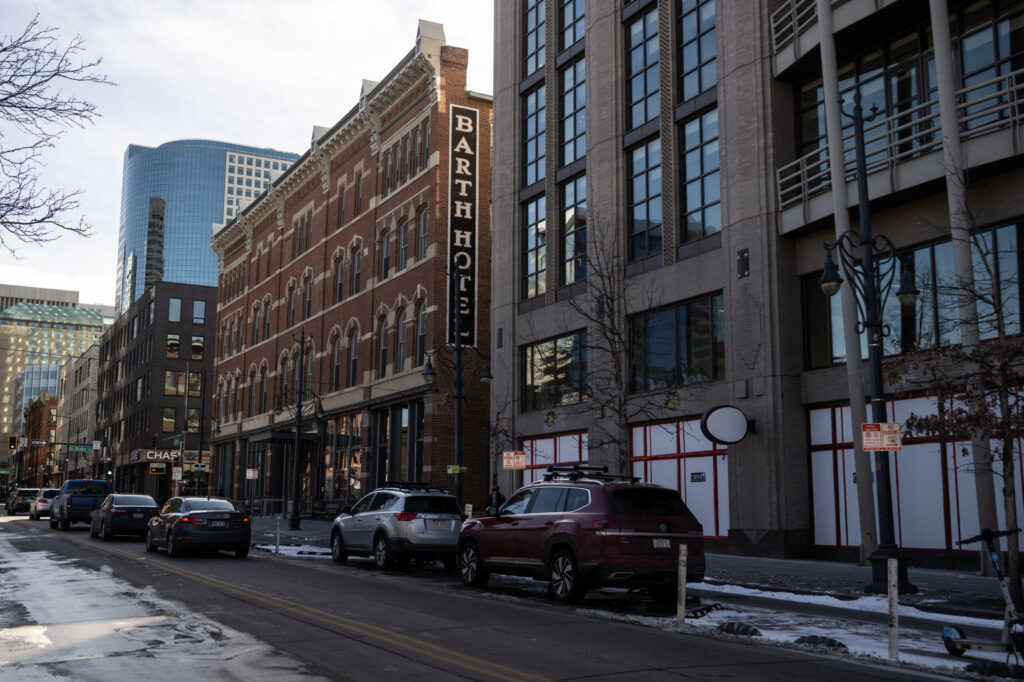
Denver’s historic Barth Hotel to get $6M from downtown authority
Bernadette Berdychowski
bernadette.berdychowski@denvergazette.com
Updated 5 hours ago
The board of directors for the Denver Downtown Development Authority voted Tuesday to grant $6 million to the historic Barth Hotel on 17th Street for a senior housing redevelopment project. The historic hotel, nearly as old as Denver’s Union Station...

Bernadette Berdychowski
Reporter
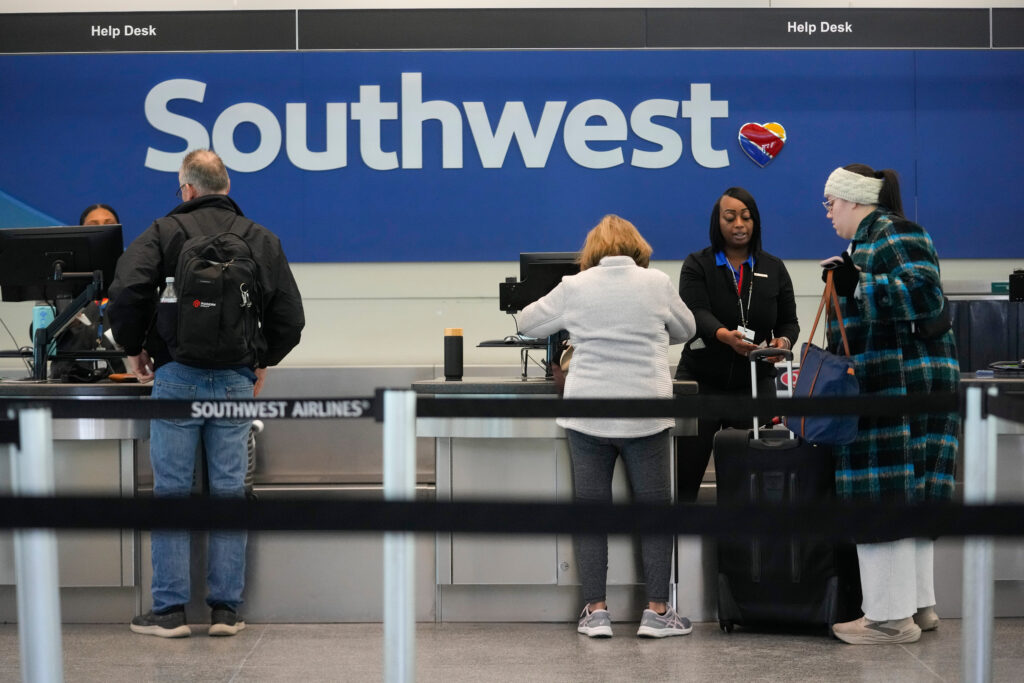
What travelers can expect as Southwest Airlines introduces assigned seats
Rio Yamat
rio.yamat@associatedpress.com
Updated 15 hours ago
Southwest Airlines passengers made their final boarding-time scrambles for seats on Monday as the carrier prepared to end the open-seating system that distinguished it from other airlines for more than a half‑century. Starting Tuesday, customers on Southwest flights will have...

Rio Yamat
Reporter

$200M in federal funds to be deployed in Denver area for heat pumps aimed at reducing emissions
Sage Kelley
sage.kelley@denvergazette.com
Updated 10 hours ago
The Denver Regional Council of Governments (DRCOG) has officially launched a $200 million program to help reduce carbon emissions with heat pumps. The regional organization announced its new initiative, “Power Ahead Colorado,” which also includes partnerships with the Colorado Energy...

Sage Kelley
Reporter
Denver metro apartment rents fell in 2025, concessions soared
Bernadette Berdychowski
bernadette.berdychowski@denvergazette.com
Updated 9 hours ago
As more new apartments have hit the market, rents have fallen across the metro Denver area. The average rent fell nearly 5% in the last year to about $1,750, according to a fourth-quarter report from the Apartment Association of Metro...
Bernadette Berdychowski
Reporter

Forecast shows a slower commercial construction market in Denver
Mark Samuelson
mark-samuelson@denvergazette.com
Updated 9 hours ago
Commercial construction activity around the metro Denver area will continue to feel confined this coming year, as a surplus from projects launched during the COVID pandemic soaks up more recent demand, according to a new report. Arrivals of new industrial...
Mark Samuelson
Reporter
Colorado’s unemployment rate fell again in December
Bernadette Berdychowski
bernadette.berdychowski@denvergazette.com
Updated 1 day ago
Colorado’s unemployment rate fell to 3.8% in December, according to new data released Tuesday. The rate dropped one-tenth of a percentage point, following a monthslong trend of declining unemployment in the state, according to the Colorado Department of Labor and...
Bernadette Berdychowski
Reporter
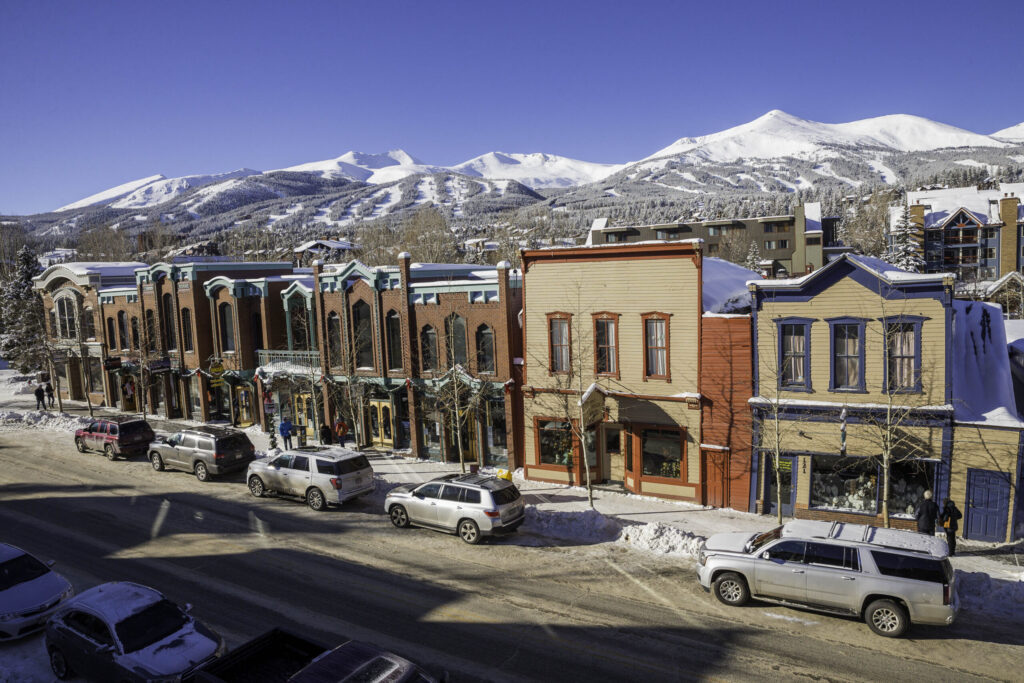
Colorado ski towns — where ‘snow is money’ — worry how long dry winter will last
Bernadette Berdychowski
bernadette.berdychowski@denvergazette.com
Updated 3 hours ago
Snowboarders and skiers have long relied on an old superstition to bring in fresh powder: putting trail maps in the freezer. But this year, amid an unusually dry winter, the need to do so seems more urgent than ever in...
Bernadette Berdychowski
Reporter

Big change coming to 2026 Great American Beer Festival
Dennis Huspeni
dennis.huspeni@gazette.com
Updated 9 hours ago
For the first time in its more than 45 years of existence, the Great American Beer Festival is moving outdoors. The 48th year of the festival sees it move from its longtime home at the Colorado Convention Center to Denver’s...

Dennis Huspeni
Reporter
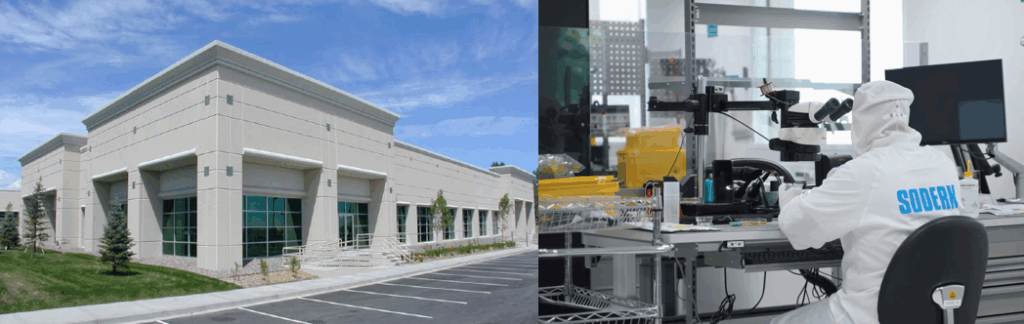
Metro Moves: French aerospace company expands to Colorado
Bernadette Berdychowski
bernadette.berdychowski@denvergazette.com
Updated 15 hours ago
Welcome to the Denver Gazette’s Metro Moves. You’ll get the latest metro Denver openings, closings, hiring and promotion news here. To submit your company’s news, drop an email to bernadette.berdychowski@denvergazette.com. SODERN MOVES INTO DENVER AREA There’s a new aerospace company in...
Bernadette Berdychowski
Reporter
PREV
PREVIOUS

Colorado's Democratic delegation calls for Noem's removal, ICE overhaul
The Democratic members of Colorado’s congressional delegation on Tuesday called for Department of Homeland Security Secretary Kristi Noem to resign or be impeached in the wake of the second fatal shooting by federal immigration agents in Minnesota this month amid mounting criticism of the Trump administration’s deportation policies. In addition, the state’s two Democratic senators, […]

Tax bill shock: Colorado homeowners could see property taxes jump by as much as 40%
Mike Fitz, 76, who lives in Centennial in a single-family home he has owned since 2001, paid $3,876.98 in property taxes to Arapahoe County two years ago. Fitz just learned after checking the website of the Arapahoe County Assessor’s Office that his 2026 tax bill has shot up to $5,435.47, and that already factors in […]