







Xcel Energy defends power shutoffs
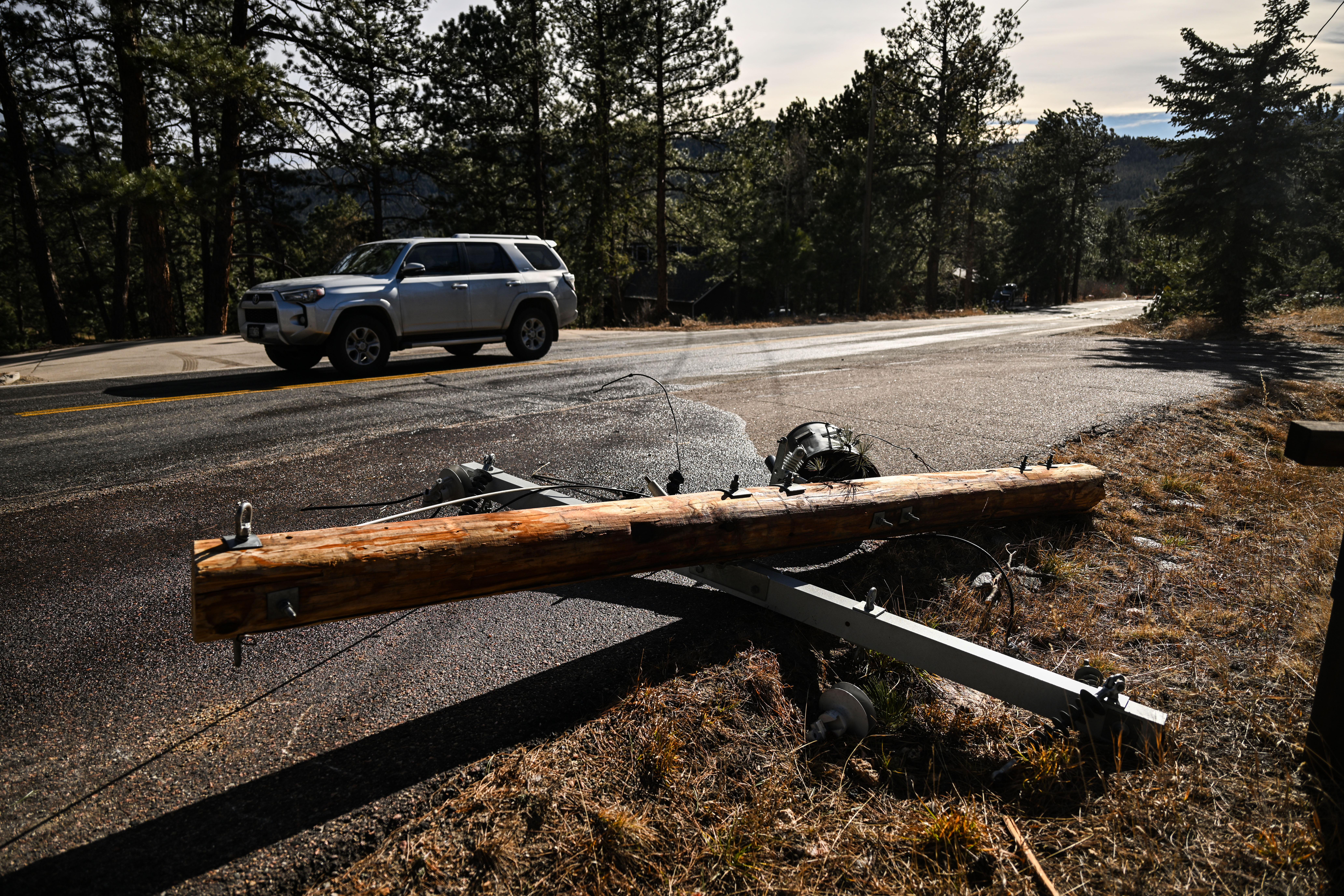
Xcel Energy officials defended the company’s use of public safety power shutoffs during extreme wind events as a necessary step to prevent wildfires, while telling Colorado lawmakers the company is accelerating efforts to make future outages more targeted and shorter.
Robert Kenney, president and CEO of Xcel Energy Colorado, told a joint legislative committee Jan. 30 that the shutoffs were triggered by forecast conditions that included wind gusts exceeding 100 mph, very low humidity and tinder-dry fuels. He said the events mirrored wind patterns that preceded major fires in Southern California.
“We made the right operational decision for public safety,” Kenney said. “These were the exact same kinds of winds seen just prior to the Eaton and Palisades fires in Southern California.”
The shutoffs, which affected tens of thousands of customers and lasted up to five days in some areas, drew sharp criticism from lawmakers, residents and business owners. Testimony highlighted spoiled food, lost business revenue, frozen pipes and serious risks to medically dependent people.
Rep. Jennifer Wilford, (D) Thornton, described a case in which a veteran relying on 24/7 oxygen was told by Xcel support to go to the emergency room if he was concerned about power loss.
“That’s absolutely unacceptable,” Wilford said. “You should never be asking customers to incur more medical expenses.”
Kenney acknowledged the hardship and said the company has expanded support for vulnerable customers, including rebates for battery backups and partnerships with the American Red Cross to open comfort centers during outages.
Xcel said it is making upgrades to reduce the scope and duration of future shutoffs. Kenney said the company will install additional sectionalization devices across its system by the end of 2027, allowing crews to de-energize only small segments rather than large areas.
“We’re able to be more surgical in which parts of our system we de-energize,” Kenney said. “This will also ensure that our electric system will be broken into smaller segments.”
The utility reported that it has inspected nearly 50,000 poles statewide, repaired 8,400 and replaced more than 10,000. Xcel said it has deployed 80 artificial-intelligence cameras that continuously scan for smoke plumes and 102 new weather stations to improve forecasting. Kenney said drones, helicopters and emerging automated patrol technology could reduce restoration times by up to 50% once weather conditions allow safe inspections.
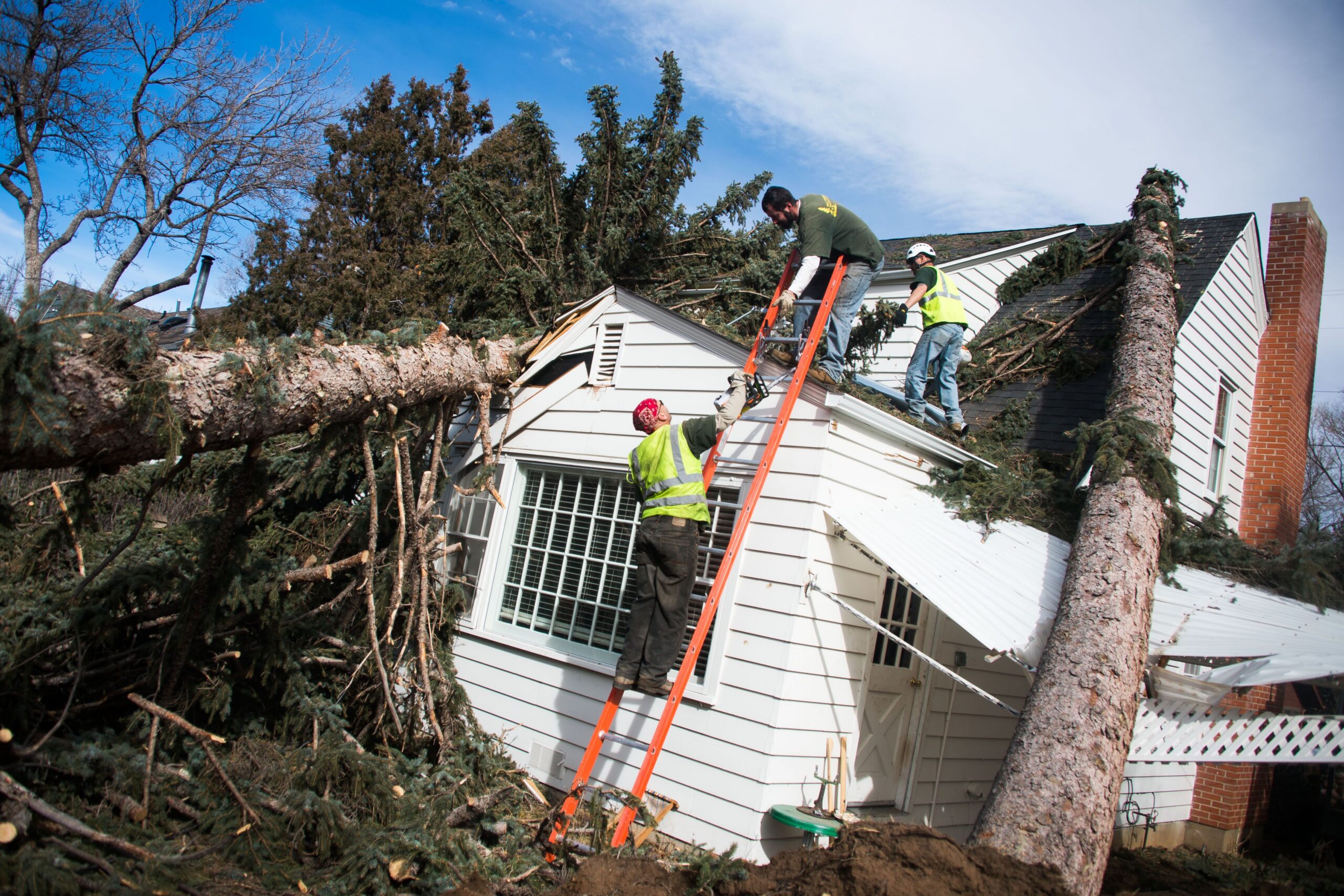
Plans include workers placing underground about 50 miles of distribution lines in high-risk zones, officials said. Much of that work will focus on Boulder County, which is notorious for its extremely high winds. Kenney said undergrounding costs up to four times more per mile than overhead lines, and decisions balance wildfire risk reduction against customer rate impacts.
Rebecca White, director of the Public Utilities Commission, said outage maps and notifications improved after the first shutoff in April 2024, but still caused confusion in December, with contradictory text messages sent minutes apart and inconsistent updates among family members on different contact channels.
“Maps got better, but we’re not at great,” White said. “What we get to do now is postmortem that and figure out what additional needs to be changed and what our agency can do in rulemaking to hold them to that.”
The hearing also touched on broader infrastructure concerns. Xcel is facing scrutiny in Texas over the 2024 Smokehouse Creek fire, where a decayed pole installed in 1936 snapped in high winds and sparked a 1-million-acre blaze.
Texas Attorney General Ken Paxton filed a lawsuit in December 2025, alleging negligence and seeking more than $1 billion in damages. In Colorado, Xcel settled lawsuits stemming from the 2021 Marshall fire for $640 million last September without admitting fault.
Xcel Energy said it did not attribute the December 2025 shutoffs to broken poles, characterizing them as proactive avoidance tactics.
Kenney presented three representative photos showing post-shutoff damage in Boulder and Jefferson counties, including downed lines, downed poles and vegetation blown into equipment. In a statement to The Denver Gazette, spokesperson Michelle Aguayo noted that crews replaced 90 poles following the two windstorms.
“Any one of these could have caused an ignition that, given the high winds, likely would have propagated and spread very rapidly,” Kenney said.
Some customers faced longer outages “due to storm damage and the two extreme weather events occurring just days apart,” Aguayo said in a Dec. 23, 2025, statement to The Denver Gazette.
The commission is expected to advance rulemaking on shutoff protocols in the coming months.