







CU Boulder, state launch economic research in coal-transition areas
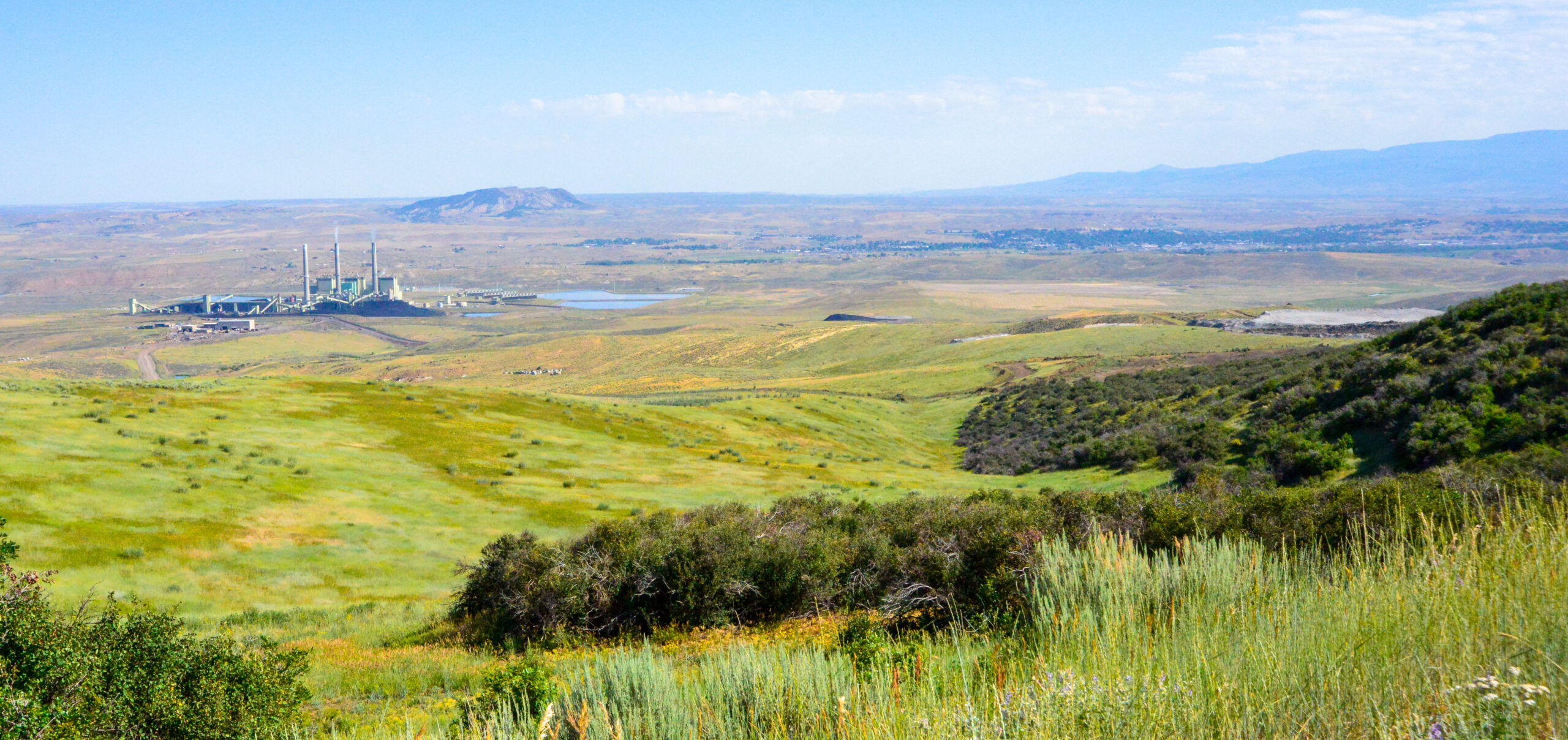
Communities in northwest Colorado built on coal mining and power plants are losing hundreds of high-paying jobs and a major share of their tax revenue as operations wind down. In a yearlong effort, the University of Colorado Boulder is teaming up with the state’s Office of Economic Development and International Trade to help these areas find new economic paths forward.
Graduate students, faculty and researchers from the Leeds School of Business Business Research Division and the Master’s of the Environment program are leading the work, according to a news release.
Through their final hands-on graduate projects, they will gather data, talk directly with residents and local leaders, and build practical recommendations shaped by what communities actually need and want. The initiative started in January and runs through October 2026.
“This partnership reflects CU Boulder’s responsibility as a public research university to offer our expertise in the service of Colorado communities,” said Andrew Mayock, vice chancellor for sustainability, in the release. “This capstone-based work allows our students to contribute directly to the diversification of local economies by listening to communities, meeting their needs, and incorporating community input into effective solutions to move forward strategically.”
Colorado officials have prioritized support for areas long dependent on coal mining and coal-fired power plants, which now face the loss of jobs and property tax revenue. The state needs current data and steady local input to help guide coordinated planning. OEDIT is supporting the effort by funding graduate-level research that directly addresses these challenges.
“Colorado’s rural communities are innovative and resilient, and when we align state resources with local priorities, we deliver better results,” said Eve Lieberman, executive director at OEDIT, in the release. “Research led by CU Boulder’s Business Research Division and Master’s of the Environment graduate program and supported by Just Transition funding will help us hear directly from communities and turn those insights into real, measurable outcomes for rural Coloradans and their families.”
The initiative will produce a detailed regional analysis, outline achievable next steps and clear action items, and create a framework that other coal-transition areas across the state could adapt and use.
“This project demonstrates how graduate student work can deliver real value beyond campus,” Mayock said.”Our students are gaining hands-on experience while helping communities plan for a more sustainable and resilient future.”
The effort is coordinated through CU Boulder’s Office of Outreach and Community Engagement and External Partnerships. Funding is shared between OEDIT, CU Boulder and the Chancellor’s Office.


Hail drives up to 54% of homeowners’ insurance premiums in parts of Colorado
Marissa Ventrelli
marissa-ventrelli@denvergazette.com
Updated 47 minutes ago
Hail is the largest cost driver of homeowners’ insurance spikes in many parts of the state, according to data collected by the Colorado Division of Insurance. The department requested data from 20 homeowners’ insurance carriers to calculate average premiums and...

Marissa Ventrelli
Reporter

Pop-top’s romantic primary suite lies five blocks from Wash Park
Mark Samuelson
mark-samuelson@denvergazette.com
Updated 3 hours ago
If you’re looking for a romantic dining spot for Saturday night, you’re too late for a table at Bon Ami Bistro at east Alameda Avenue and Pennsylvania Street in West Wash Park — already booked up for Valentine’s evening. If,...

Mark Samuelson
Reporter

Every Colorado restaurant is now eligible for Michelin stars
Bernadette Berdychowski
bernadette.berdychowski@denvergazette.com
Updated 2 hours ago
The Michelin Guide announced Wednesday it will expand its awards to the entire state of Colorado. The acclaimed restaurant guide was first introduced to Colorado in 2023 but limited to the cities of Denver, Boulder, Aspen, Snowmass Village, Vail and...

Bernadette Berdychowski
Reporter

Lakewood City Council urges residents to keep zoning changes
Sage Kelley
sage.kelley@denvergazette.com
Updated 6 hours ago
Lakewood’s long-running zoning fight is headed for a spring showdown at the ballot box, spearheaded by a new resolution from the City Council. The Lakewood City Council amended and confirmed a resolution on Monday expressing the councilmembers’ desire for residents...

Sage Kelley
Reporter

Colorado’s federal energy lab hit with another round of 100+ layoffs
Bernadette Berdychowski
bernadette.berdychowski@denvergazette.com
Updated 6 hours ago
The National Laboratory of the Rockies, formerly known as the National Renewable Energy Lab, laid off 134 workers Monday, a spokesperson for the lab confirmed. The layoffs at the federal lab based in Golden hit both research and operations workers,...
Bernadette Berdychowski
Reporter

Colorado landscape plants, trees, need winter watering during warm, dry weather
Scott Weiser
scott-weiser@denvergazette.com
Updated 1 day ago
Dry, sunny, warm and windy winter conditions have left many Colorado landscape plants short of moisture, and Colorado State University Extension specialists recommend supplemental watering to prevent root damage and promote healthier spring growth. Evergreens, newly planted trees and shrubs,...
Scott Weiser
Reporter

JBS strike could trip up Greeley’s economic surge
Hap Fry, Special to The Gazette
hap-fry@gazette.com
Updated 24 hours ago
GREELEY – The upward trajectory of Greeley has been hard to match by other Colorado communities in the here and now. The city is on the verge of experiencing dramatic growth and change. Greeley is in the midst of developing a...

Hap Fry, Special to The Gazette
Reporter

A fight over seeds and bees: Colorado Democrats target neonicotinoid pesticides
Marianne Goodland
marianne-goodland@denvergazette.com
Updated 12 hours ago
Colorado lawmakers are weighing new restrictions on a class of pesticides after Gov. Jared Polis signaled support for a Democratic-backed bill aimed at protecting pollinators — a proposal that has raised sharp worries from farmers who rely on treated seeds...

Marianne Goodland
Reporter

Metro Moves: Glo Noodle House owners to open sushi spot in Boulder
Bernadette Berdychowski
bernadette.berdychowski@denvergazette.com
Updated 12 hours ago
Welcome to the Denver Gazette’s Metro Moves. You’ll get the latest metro Denver openings, closings, hiring and promotion news here. To submit your company’s news, drop an email to bernadette.berdychowski@denvergazette.com. NEW SUSHI SPOT COMING TO DENVER The owners of acclaimed glo...
Bernadette Berdychowski
Reporter

Marriott doubles down on Belleview Station, with boutique hotel opening next week
Mark Samuelson
mark-samuelson@denvergazette.com
Updated 2 days ago
Belleview Station, the northwest corner of the Denver Tech Center wrapping the light rail stop, has already exploded with apartments, offices, dining including Ruth’s Chris Steak House, and a hotel that opened in 2024. Now Marriott International is doubling down...
Mark Samuelson
Reporter
PREV
PREVIOUS

Arvada councilmember under investigation for alleged ethics violation
A third-party investigator will look into potential ethics violations from Arvada City Councilmember Sharon Davis. Davis was excused from the dais during the council’s regular business meeting on Feb. 3. The rest of the council then approved the outside investigation with a 6-0 vote. The investigation, according to City Attorney Rachel Morris, was sparked after […]

Cherry Creek Assistant Superintendent Tony Poole placed on administrative leave
Cherry Creek School District Assistant Superintendent Tony Poole has been placed on administrative leave, district officials confirmed Wednesday. The announcement comes a week after officials placed Brenda Smith, the district’s chief human resources officer, on paid administrative leave, and two weeks after Superintendent Chris Smith abruptly resigned amid allegations of a toxic work environment with […]