







Weld County wades into data center issue
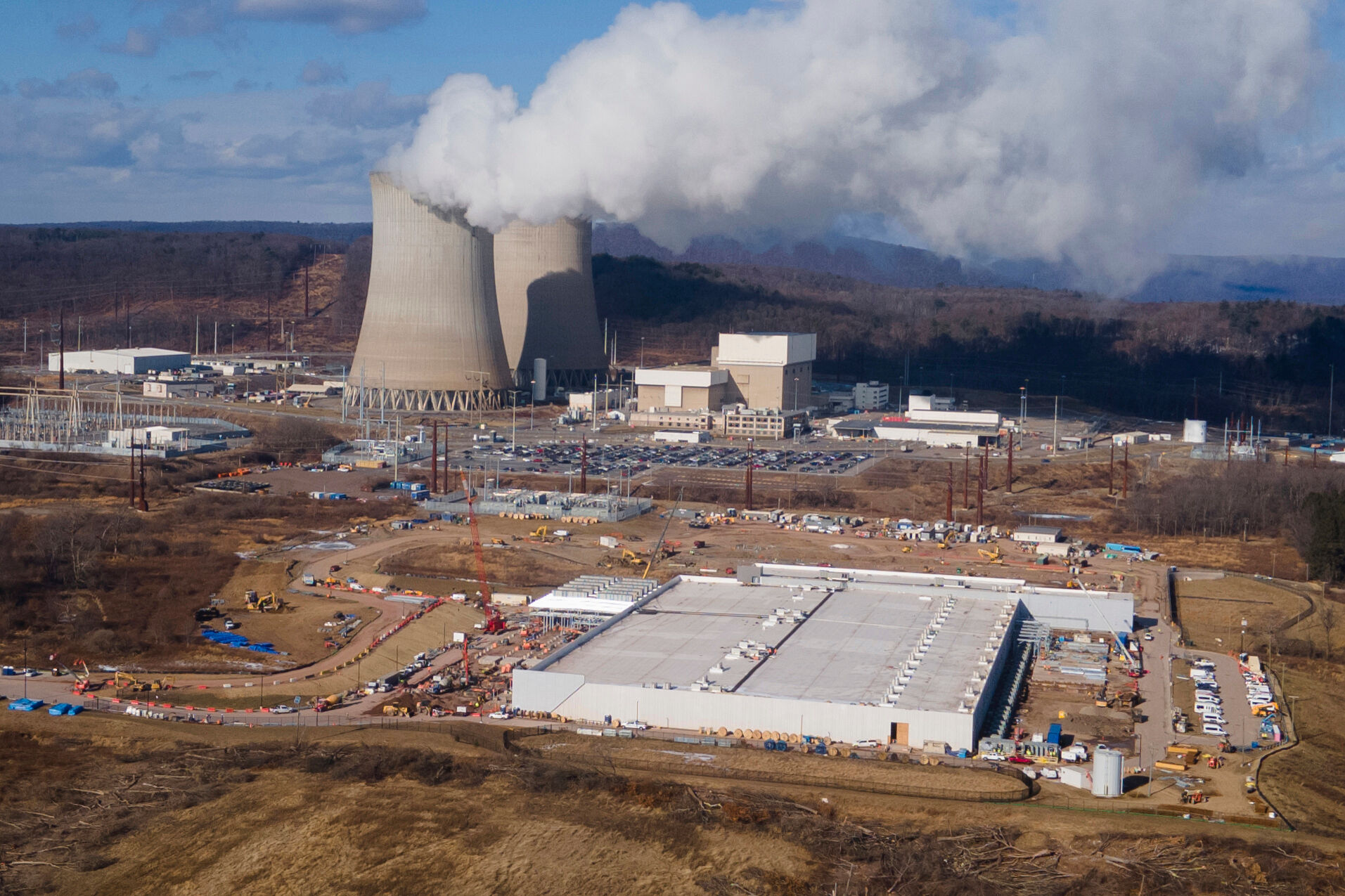
A county in Colorado seeks to define data centers and clarify where they can be built.
Notably, Weld County wants to keep data centers within an industrial or agricultural zones, according to a news release from commissioners.
Any new data center will need a site plan or special review to proceed, according to the proposed ordinance.
Weld County is the latest local jurisdiction to wade into the issue of data centers, the locations that physically house the infrastructure to hold cloud data. These locations consume a lot of energy and water, a point of tension in a state like Colorado that is grappling with energy and water woes, even as it is positioning itself as a tech hub in its campaign to attract high-paying jobs.
On the one hand, business leaders and their allies have argued that data centers could bring the funding to help upgrade energy grids and other infrastructure, not to mention the jobs they will create and the revenue they will produce. Environmental advocates and other critics said data centers could mean high energy bills
In Denver, residents of the Elyria-Swansea neighborhood are pushing back against the construction of a new data center, citing not only environmental worries but also complaining that the city failed to adequately notify them before approving the project.
At the state Capitol, meanwhile, a coalition of data center developers and operators is urging lawmakers to pass a proposal that offers tax breaks to attract large facilities, while calling a competing bill a major obstacle to new investments. Proponents of the latter proposal have maintained they don’t intend to ban, via regulation, the building of new data centers. Instead, they said, they want to ensure that data centers, which require a lot of energy to operate, don’t detract Colorado from achieving its carbon goals.
In Weld County, the commissioners want to define data center as “a building used to house information technology or telecommunications equipment,” based on the proposed ordinance. These centers are where “digital information is processed, transferred, and/or stored,” the proposal said.
The infrastructure could include cooling water tanks, and backup power systems with a total capacity of less than 50 megawatts, the proposal said.
In the news release, the commissioners said residents have shared questions and worries about water usage, noise and infrastructure demands associated with data centers.
The officials said one unincorporated area, currently zoned as industrial space near municipal boundaries, is being eyed as a potential data center site, adding they must approach the issue with a “countywide perspective.”
The commission will tackle the proposal on April 6.
Reporters Deborah Grigsby and Scott Weiser contributed to this article.