







DA asks judge to deny request for Suzanne Morphew’s remains
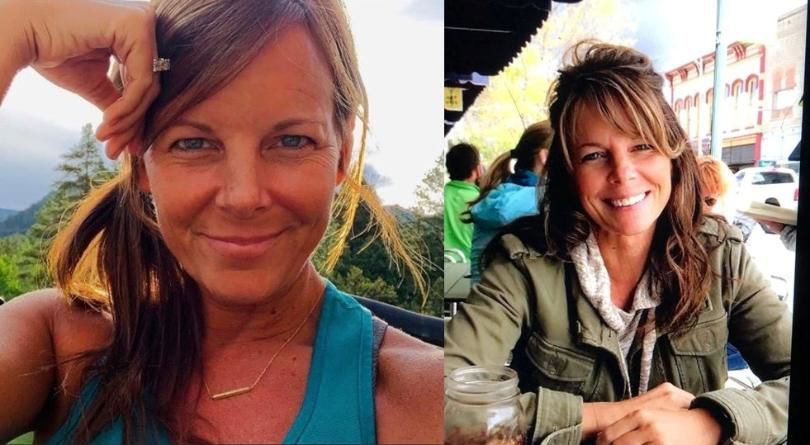
Barry Morphew attempted to obtain and cremate dead wife’s remains before trial
Prosecutors objected to a request from the daughters of Suzanne Morphew on Wednesday to turn over her remains as her husband awaits trial for her murder.
12th Judicial District Attorney Anne Kelly said in a motion that because Suzanne Morphew’s remains were lawfully obtained through a search warrant, the family does not have the authority to request them before the trial, according to court documents.
Suzanne’s husband, Barry Morphew, was indicted on June 20, 2025, in connection with her death and arrested on first-degree murder charge soon after that. Her remains were discovered in September of 2023 in a field about 45 minutes south of the Maysville, Colorado, family home.
Bert Nieslanik, an attorney representing Mallory and Macy Morphew, asked a judge to weigh in on the matter last week, calling the fact that Morphew’s remains were removed from Swan-Law Funeral Directors before the daughters could hold a memorial service “outrageous, cruel and shocking to the conscience.”
But Kelly, in her opposition Wednesday, said that it was Barry Morphew who had signed for the remains to be released to the Colorado Springs funeral home in January, and authorized them on Feb. 11 and Feb. 13 2026 for their intended cremation a week later.
Prosecutors collected the remains on Feb. 19, the day before they were set for cremation.
In the previous motion, Nieslanik argued that the daughters had a fundamental right to free exercise of their religion, and that they wanted to memorialize their mother “consistent with their faith.” When asked by email why Barry Morphew had signed for his wife’s remains, Nieslanik did not return a request for comment.
“Not being able to memorialize a loved one in a timely manner is truly heartbreaking, and we feel for Suzanne’s family members,” Swan-Law Funeral Directors said in a Thursday statement to The Denver Gazette. “At the same time, we will always comply with the law, just as we’ve done in this case. It is our sincerest hope that Suzanne’s daughters will be able to celebrate the life of their mother very soon.”
In a Thursday counter-motion, Barry Morphew’s attorneys said that he takes no position on the matter.
A LEGAL GREY AREA
In their motion, the defense had cited Constitutional principles and rights provided in the Victim Rights Act, Kelly said, but did not say how those provisions specifically apply to the remains in the given context.
“Specifically, neither of the VRA citations included in the Motion stands for the proposition that a victim may possess (let alone destroy) material evidence in a homicide prosecution,” Kelley wrote. “Indeed, interpreting the VRA to confer such a right would give defendants (or their family members) the ability to interfere with — or even end — criminal investigations and prosecutions.”
Under the revised statutes added in 2024 to the act, Morphew should not have had the right make decisions about his wife’s remains. Under that state, the definition of a victim is “any natural person against whom any crime has been perpetrated or attempted unless the person is accountable for the crime.”
Since Morphew was charged with the murder last summer, as a defendant, he is not considered a victim with the same rights as his daughters, Mallory and Macy. Suzanne Morphew’s brothers and sister are also considered victims.
Former 18th Judicial District felony prosecutor Eric Faddis said the legal definition depends on the situation and can be a grey area.
“Whether Barry Morphew had any civil legal rights with respect to releasing the remains even though he is charged is a nuanced legal question but my apprehension is he shouldn’t have the power of attorney to make decisions on Suzanne’s remains if he is implicated in her death, as he would likely have forfeited those rights by virtue of being charged,” Faddis said.
12th Judicial District Judge Amanda Hopkins might take up the issue Monday at a hearing at the Alamosa County Courthouse. Morphew remains free on bond.

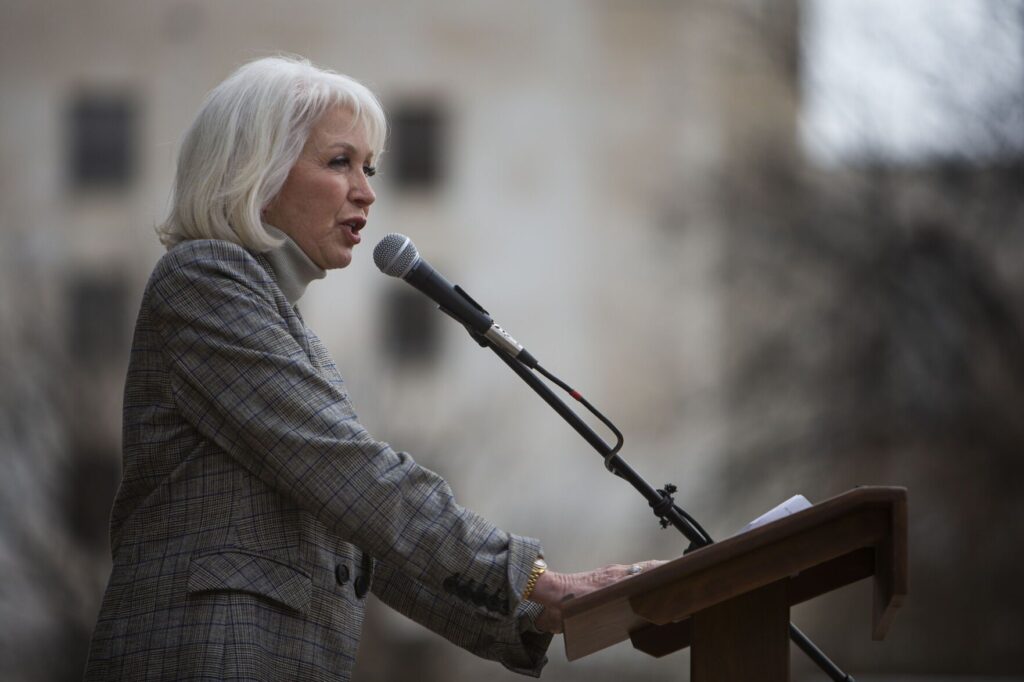
Colorado Gov. Jared Polis ignites fierce debate after raising clemency questions in Tina Peters case
Marianne Goodland
marianne-goodland@denvergazette.com
Updated 45 minutes ago
Gov. Jared Polis ignited a political firestorm Tuesday night after weighing in on the prison sentences of two former Colorado officials — a Democrat and a Republican — convicted of attempting to influence a public servant. The comments quickly fueled...

Marianne Goodland
Reporter

Colorado Supreme Court signals intervention in dispute over treatment for trans children
Michael Karlik
michael-karlik@denvergazette.com
Updated 10 hours ago
The Colorado Supreme Court ordered Children’s Hospital Colorado on Tuesday to explain why it should not direct the organization to resume providing certain types of services to transgender children in compliance with the state’s non-discrimination law. Last month, a Denver...

Michael Karlik
Reporter

Man given max sentence in Wheat Ridge fatal crash
Sage Kelley
sage.kelley@denvergazette.com
Updated 1 day ago
A man will spend six years in prison after a fatal crash that occurred in Wheat Ridge in 2024. First Judicial District Judge Philip McNulty sentenced John David Bormolini to six years in prison Friday on charges of reckless vehicular...

Sage Kelley
Reporter

Judge nixes latest policy requiring 7 days’ notice for Congress members to visit ICE facilities
Michael Kunzelman
michael.kunzelman@associatedpress.com
Updated 2 days ago
WASHINGTON • A federal judge agreed on Monday to temporarily suspend the latest version of a Trump administration policy that requires members of Congress to provide a week’s notice before they can visit immigration detention facilities. U.S. District Judge Jia...

Michael Kunzelman
Reporter

Highlands Ranch man sentenced after assaulting woman holding his infant
Michael Braithwaite
michael.braithwaite@gazette.com
Updated 2 days ago
A Highlands Ranch man was sentenced to 60 days in jail and five years of probation after assaulting the mother of his child while she held the infant. Kayahn Golgoon, 25, was convicted of second- and third-degree assault as well...

Michael Braithwaite
Reporter

Aurora, Holmes reach settlement in First Amendment lawsuit
Kyla Pearce
kyla-pearce@denvergazette.com
Updated 2 days ago
Aurora officials and activist MiDian Holmes (Shofner) announced a settlement Monday in a First Amendment lawsuit filed by Holmes almost a year ago. The lawsuit claimed the decision by Aurora City Council members to end public comment pending a decision...

Kyla Pearce
Reporter
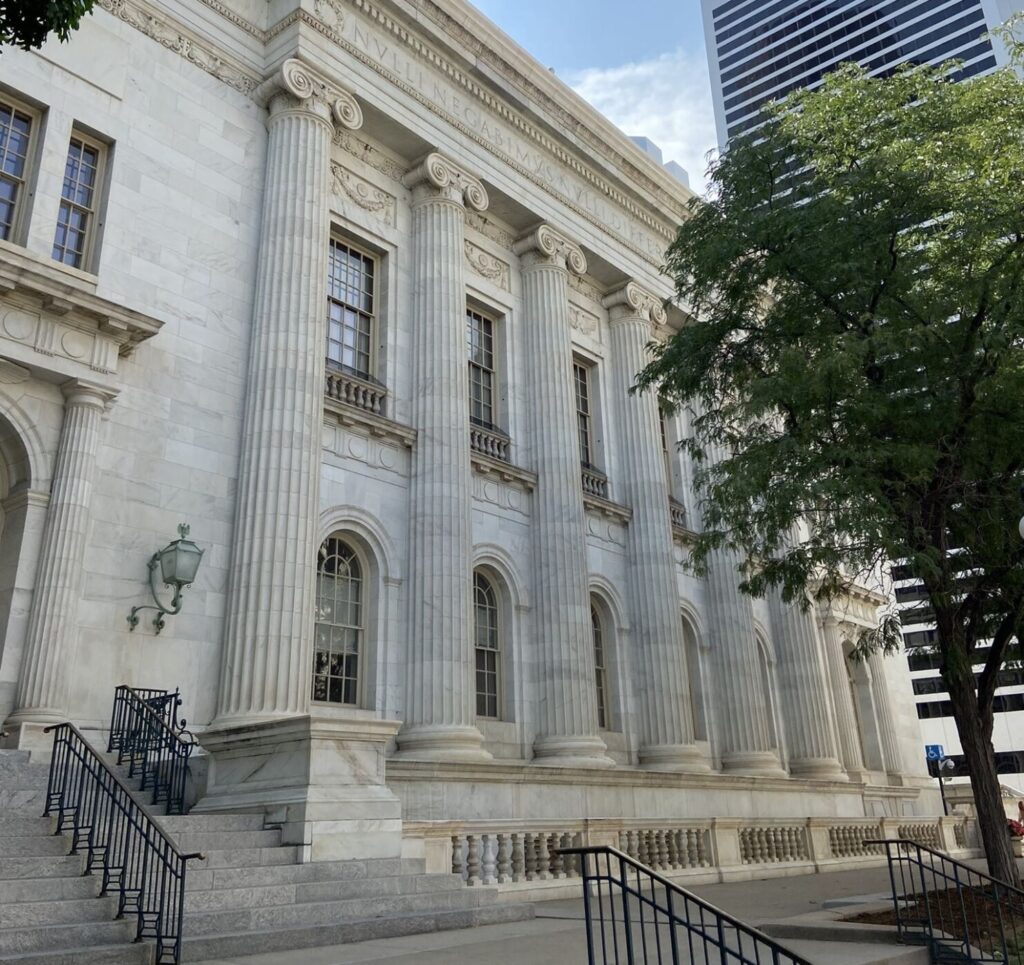
10th Circuit judge creates vacancy, district court gets new chief judge | COURT CRAWL
Michael Karlik
michael.karlik@coloradopolitics.com
Updated 2 days ago
Welcome to Court Crawl, Colorado Politics’ roundup of news from the third branch of government. A longtime member of the Denver-based federal appeals court will give the president a vacancy to fill, plus Colorado’s federal trial court will see a...

Michael Karlik
Reporter

Morgan County man accused of killing wife, staging her suicide charged with first-degree murder
Kyla Pearce
kyla-pearce@denvergazette.com
Updated 2 days ago
A grand jury announced the indictment of 52-year-old Ronald Lowry, who is accused of killing his wife in October 2023 and staging the crime scene to look like a suicide. Lowry, who was arrested Friday in Morgan County, was charged...
Kyla Pearce
Reporter
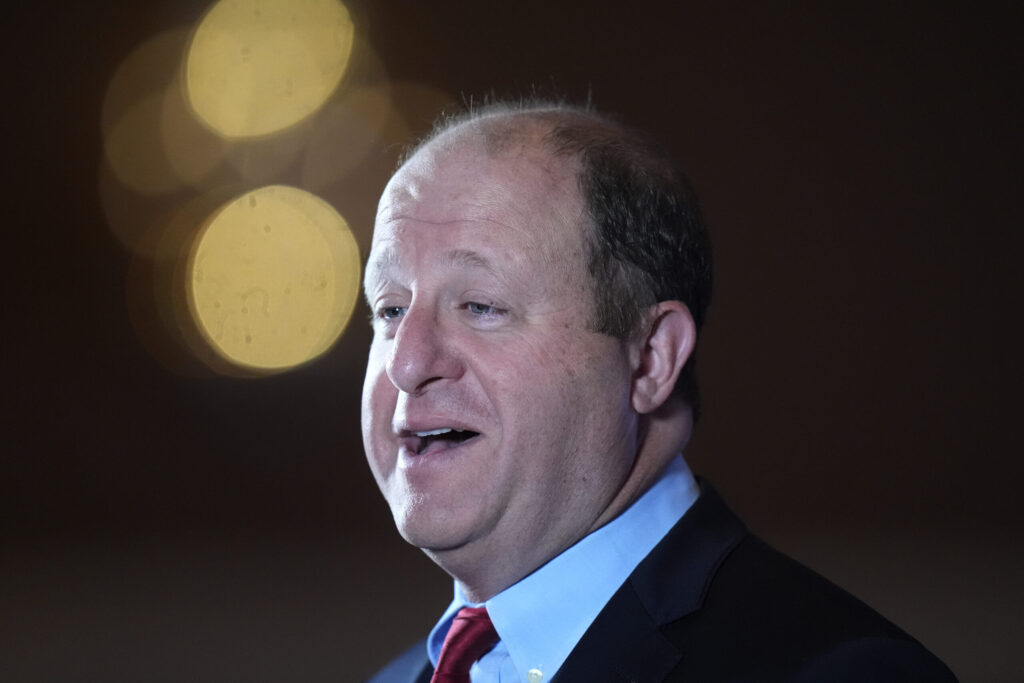
Gov. Jared Polis moves to end ICE subpoena fight over Colorado workers’ personal data
Marianne Goodland
marianne-goodland@denvergazette.com
Updated 6 days ago
The effort by Gov. Jared Polis to comply with an administrative subpoena from U.S. Immigration and Customs Enforcement for information held by several state agencies is over. Polis, in a motion filed Feb. 20, asked for a permanent injunction and...
Marianne Goodland
Reporter

Ex-Colorado Sen. Sonya Jaquez Lewis avoids prison, gets probation for forged ethics letters
Marianne Goodland
marianne-goodland@denvergazette.com
Updated 6 days ago
Former state Sen. Sonya Jaquez Lewis, D-Longmont, was sentenced Friday to two years of supervised probation and 150 hours of community service, and a $3,000 fine, to be waived if she completes an additional 100 hours of community service. The...
Marianne Goodland
Reporter
PREV
PREVIOUS

Denver weather: Warm Thursday, but 1-3 inches of snow is coming
Warm temperatures are expected in Denver on Thursday, but the snow is on its way, forecasters said. The National Weather Service in Boulder said to expect a high of 68 degrees at Denver International Airport on Thursday. That’s about 16 degrees warmer than the average high for March 5 in Denver, according to weather service […]

Colorado legislators eye changes to credit card 'swipe fees'
Colorado legislators are proposing to eliminate “swipe fees” on sales taxes, a move that proponents say would save businesses tens of thousands of dollars a year but which will likely revive counter-arguments that those fees help create a stable and environment for financial transactions. Also known as interchange fees, swipe fees refer to the 2% […]