







Fire danger high ahead of May artillery training at Piñon Canyon
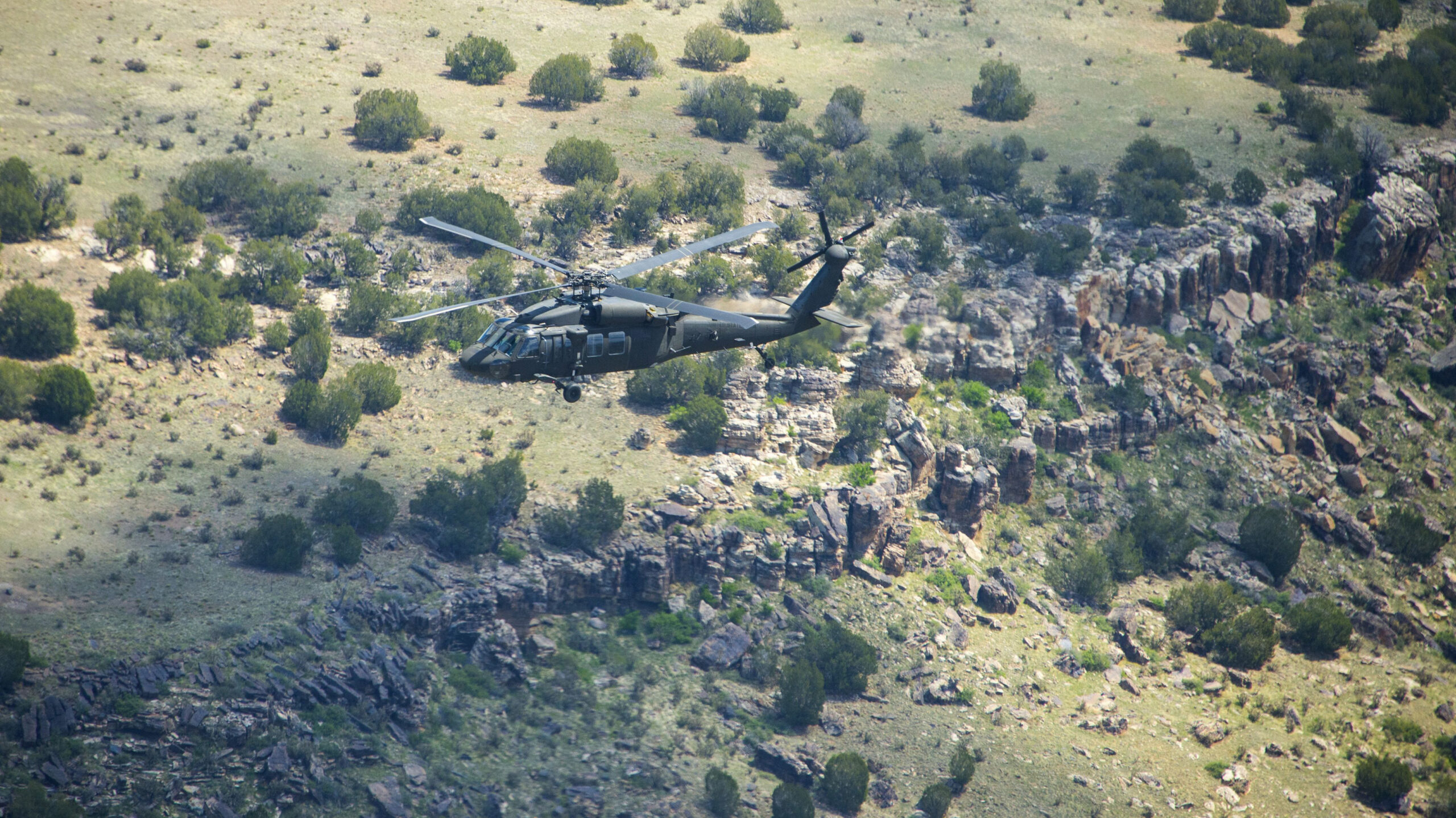
Fort Carson officials expect soldiers to fire training artillery for the first time in May across the expansive Piñon Canyon Maneuver Training Site northeast of Trinidad, sparking concerns about fire amid drought conditions.
“I think it’s dangerously dry,” said Doug Holdread, a Trinidad resident, who noted southern Colorado has felt like spring for much of the winter, with only one large snowstorm he could recall.
In February, officials presented plans to residents in the region to fire 155-mm training artillery shells during a monthlong, large-scale training in May. The training shells contain a half pound of TNT, which could ignite a fire, according to Fort Carson documents.
Fort Carson also expects to allow Apache helicopter pilots to fire 2.75-inch inert practice rockets on an ongoing basis.
The training, called Ivy Mass, is planned to help test the new communications system Anduril is developing for the Army.
Up until now, soldiers haven’t been able to fire anything larger than a .50-caliber machine gun in the 235,000-acre training area.
The short-term plans for May were rolled out after a December presentation, when residents learned about Fort Carson’s plans to use large weapons such as artillery and the High Mobility Artillery Rocket System, or HIMARS, on an ongoing basis at Piñon Canyon.
At that time, the use of large weapons seemed potentially years away because officials had not begun required reviews under the National Environmental Protection Act.
Plans to expand the use of large weapons have triggered concerns about the damage they could cause to the short-grass prairie, the Native American rock art found nowhere else in the West and historic sites from the Santa Fe Trail era, among other features, experts said.
But the quick succession of short-term and long-term proposals for major change has been tough for advocates and residents.
“It feels like this process is being segmented into pieces that are difficult for the public to understand,” Holdread said, noting that the ongoing use of inert rockets seems like it should be part of the long-term changes planned for the training area.
While some residents are frustrated by the proposed changes, they are not necessarily surprised by the Army’s proposal. The plans to change the type of weapons allowed in Piñon Canyon follow a long fight over plans to enlarge the training area, which ended in 2013.
Residents succeeded in blocking the expansion plans, but there are still some hard feelings over the initial condemnation of the property in the early 1980s and the forced removal of residents, said Steve Wooten, a rancher and neighbor to the property. Some families lost all their land and some were left with smaller operations that were no longer economically viable, he recalled.
“About every 20 years … it seems like southeast Colorado is in the sights of the Army,” said Rebecca Goodwin, Otero County’s historical preservation officer.
High fire danger
Fire danger is rising across the state due to dry conditions and high temperatures, and two fires are burning on Fort Carson. Still, an official from the base said the Army employs several techniques to prevent fires, such as “prescribed burns, the removal of overgrown vegetation and debris, as well as year-round training to adequately prepare firefighters for different real-world scenarios.”
One of the fires, on Fort Carson near Colorado 115, ripped through its containment lines Thursday and grew from 80 acres to more than 1,000 in two days.
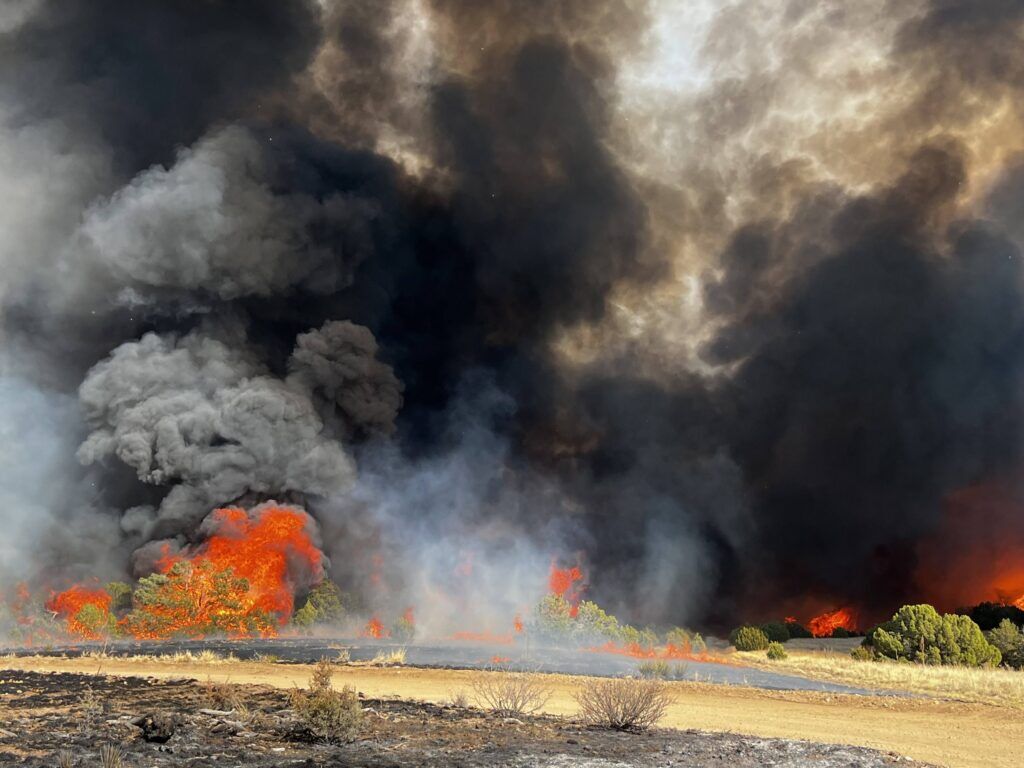
With the high risk of fire and the growing number of homes around Fort Carson in recent years, the plan to do more training with large weapons in a more sparsely populated southeastern area of the state makes sense, Wooten said.
“I am not really surprised that this is what they want to do,” Wooten said. The rancher said he had a good relationship with the firefighters who work on Piñon Canyon, and they have been willing to share techniques for combating fires.
Wooten opposed a Piñon Canyon expansion, and he agreed not to advocate against changes in training if the Army dropped plans to acquire more land.
Fire is also on the minds of public officials. In a formal letter, the Otero County commissioners laid out their concerns about using large-scale weapons over the long term, including the risk they could pose to the short-grass prairie.
If soldiers started a wildfire that crossed onto private land it could “devastate grazing lands, livestock and ranch infrastructure,” the letter said.
Fire could also damage the property’s unique petroglyph sites, said archaeologist Larry Loendorf, who worked on the site and wrote a book about the property.
“It’s almost beyond one’s imagination the number that are out there,” he said, of the rock art that depicts hunters and animals.
The petroglyphs are found in canyons and on boulders in the flatlands.
“They are just not duplicated in other places in the West,” he said.
If vegetation, such as brush, is up against the rock art and burns, it can damage it, Loendorf said. That can be prevented by clearing away the vegetation.
Historical wooden structures from former ranches, including a long barn with cowboy art, including paintings and drawings, could also be damaged in a fire, said Goodwin, the Otero County historical preservation officer.
Potential damage from training
Fort Carson expects training in May across an area known as Range 9, east of U.S. 350, to damage several sites, including a historic sheep ranching site and prehistoric sites, such as a site where scattered tools were found. Those are a few of the 6,000 archaeological sites in Piñon Canyon.
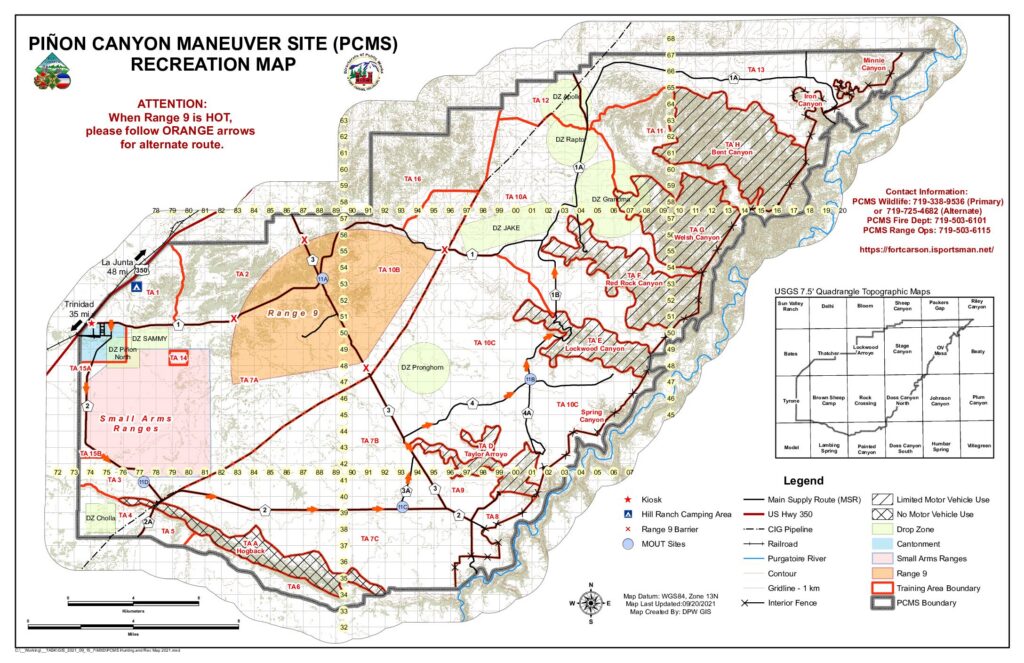
History Colorado, a state agency, pointed out in a letter to Fort Carson, a patented 1921 Mexican American homestead built with jacal and sandstone is in an area where expanded training is planned. Jacal is a mud mixture similar to adobe.
In the letter, History Colorado asked Fort Carson to consider hiring an archaeologist to survey the land, which has not been reviewed for archaeological value since 1983 and is expected to be impacted by weapons. The letter also requested a professional review of the properties that had never been evaluated to see if they might be eligible for the National Register of Historic Places.
History Colorado’s CEO and President Dawn DiPrince is the state historic preservation officer. She is required under federal law to review projects that impact historic properties.
After the letter was sent, History Colorado said it was working on a formal agreement with Fort Carson to address impacts to sites. The agency could not share details about that agreement on Friday.
Originally, as part of mitigation, Fort Carson proposed two research papers, one focused on early Hispanic settlement and sheep ranching in the area and one on occupation in southeastern Colorado between 8,000 and 5,000 years ago.
“This approach recognizes that certain properties may experience loss of integrity,” the proposal said. A Fort Carson official said the Army would fund the work, but declined to say how much it would spend.
Research on comparable sites to those that may be damaged is a reasonable approach, said Chris Johnston, the president of the Colorado Council of Professional Archaeologists. If the papers are done well, they can provide a good resource, but if not, they tend to be a “box-checking document.”
Damage to historic sites
Since 2010, training exercises have adversely impacted 40 historic sites, DiPrince said in an email. Fort Carson has yet to mitigate the damage at those sites.
Since most of the damaged sites were archaeological, DiPrince said she would expect mitigation to involve data recovery, such as archaeological excavation.
In a statement, Fort Carson disagreed with the number of sites that have been affected, saying 24 areas have seen damage, mostly from vehicles.
Mitigating such sites is cost-prohibitive and invasive, with the cost of mitigating one site costing more than $500,000, Fort Carson’s statement said.
To prevent damage, Fort Carson put in stakes, boulders and barriers around historic sites, an official said. Soldiers also receive maps that identify historic sites in their vehicle software and areas where soldiers are not allowed to drive at all.
In addition, the Apache pilots using training rockets will not have any targets near cultural sites, Fort Carson said. The pilots will also be aided by precise targeting software.
Opposition
Amid an array of concerns and the Army’s track record, organized opposition has been slow to form, Goodwin said.
When the Army proposed expanding in Piñon Canyon, formal opposition groups formed, such as Not One More Acre, which sued over the plans. Some of its leaders have since died.
For those trying to keep up with the Army’s proposals now, it’s tough, to track more than one formal legal process at once.
“It’s exhausting,” Goodwin said.
This story has been updated to correct the description of Pinon Canyon’s location relative to Trinidad. It is northeast of Trinidad.