







EDITORIAL: On a fiscal cliff of their own making
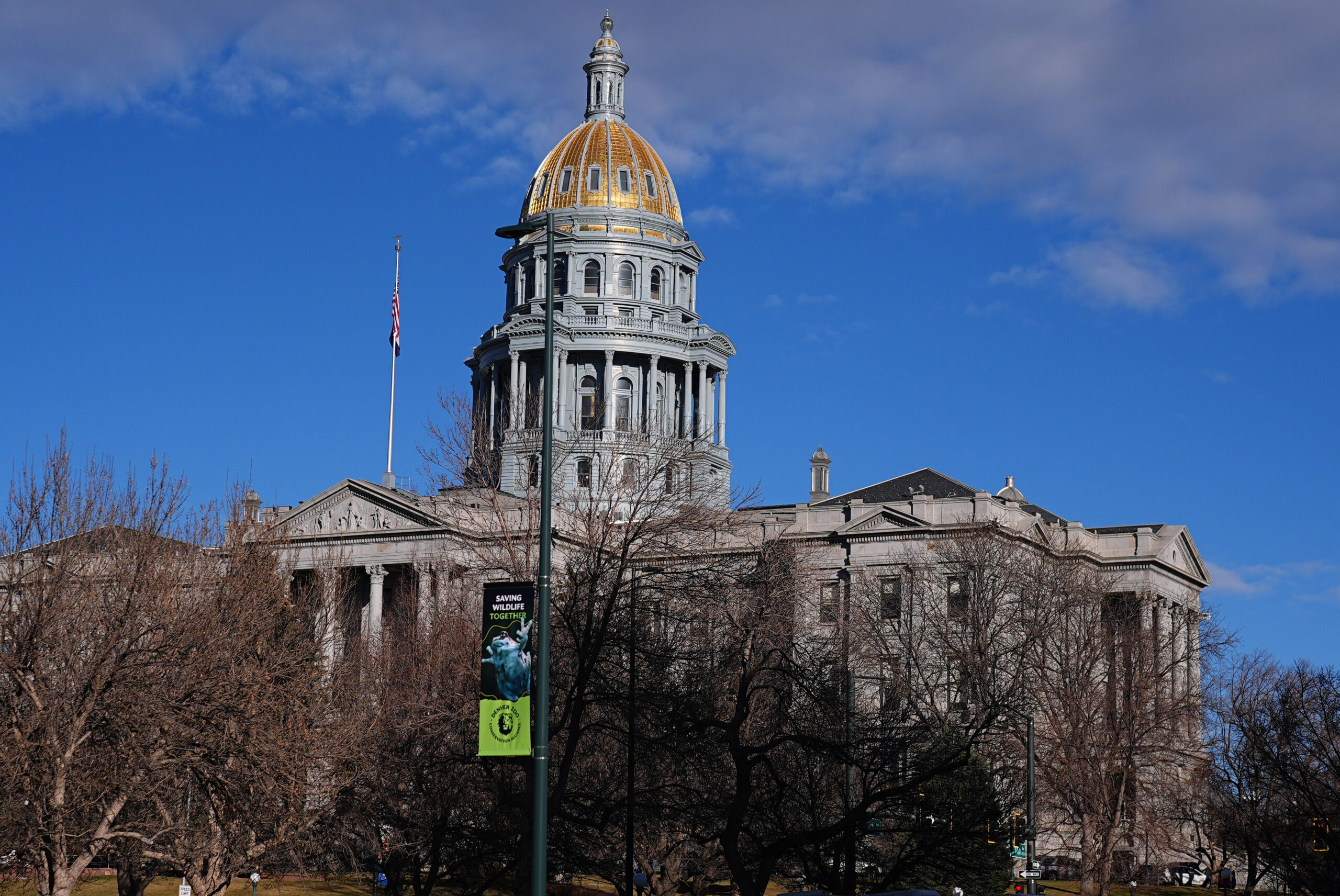
Once again, Colorado legislators are scrambling to address a whopping $1.5 billion deficit of their own making.
There’s a simple reason for that. Just last year, when Gov. Jared Polis called a special session to address what was then an $800 million shortfall on a $44 billion budget, lawmakers failed to do the heavy lifting to forestall a longer-term fiscal crisis.
Colorado’s ruling Democrats got themselves into a jam by creating dozens of programs, offices and departments over the past eight years — hitting up taxpayers for hundreds of millions of dollars.
State Sen. Barb Kirkmeyer — a Joint Budget Committee member and Republican gubernatorial candidate — notes that this isn’t a problem of too little revenue. It’s a crisis of overspending.
Consider the ironically named “Cover All Coloradans” program, which Democrats unanimously passed into law in 2022 with unified Republican opposition. The program provides health care to pregnant women who are here illegally and their kids.
Rather than costing $27 million in 2025-26, as originally anticipated, costs quickly tripled to nearly $90 million in one year after enrollment multiplied almost five-fold. Next year’s program budget is expected to top $112 million, with the feds picking up the remaining $39 million tab.
That kind of runaway growth illustrates the problem. Tax revenue can’t keep up with the legislature’s voracious appetite for spending. It has lavished money on a wide range of programs that have swollen government’s size and scope.
The fix comes down to what Coloradans and small business owners do every day: set priorities, make hard choices and spend responsibly.
What will legislators cut? As the budget battle continues, ruling Democrats will almost certainly reveal their true priorities — leveraging the constitutional mandate to cut the deficit as cover for targeting essential areas many Democrats don’t care for, like prisons.
Last week, the Polis administration requested funding for one or possibly two new prisons to address overcrowding. The price tag ranges between $150 million and $200 million to buy and renovate a shuttered prison.
If ever there was cause for prioritizing more spending on something, this is it. The Common Sense Institute recently found that between 2008 and 2021, the state’s inmate population fell by 23% — while Colorado’s population grew by one million and annual crimes skyrocketed 47%.
Addressing the state’s prison problem is what responsible prioritization looks like.
In general, states that have prioritized spending are being rewarded.
Just look to Florida, Texas, North and South Carolina, Arizona and Tennessee. They’re among the low-tax, growth-focused and — it just so happens — Republican-led states that are reaping the benefits of new residents leaving blue states to chase better economies.
IRS migration data shows those upward-bound states gaining roughly $37 billion in income from nearly 500,000 new tax filers. Blue states lost about $41 billion as those filers fled.
California alone, whose lead Colorado often follows, has lost $11.9 billion in adjusted gross income as people have fled the state.
As The Common Sense Institute reported, Colorado’s net migration dropped by 52.5% in the past decade. The Centennial State is increasingly following California trends.
Not that long ago, Colorado’s legislature sat on a $3.6 billion surplus. Lawmakers squandered their share of the windfall rather than spending it responsibly.
You don’t get to spend years creating new programs and agencies and then claim you suddenly can’t afford them. Fortunately, the Colorado constitution — and its Taxpayer’s Bill of Rights — won’t let lawmakers off the hook.