







Eagle Rock Ranch wins Colorado Leopold Conservation Award
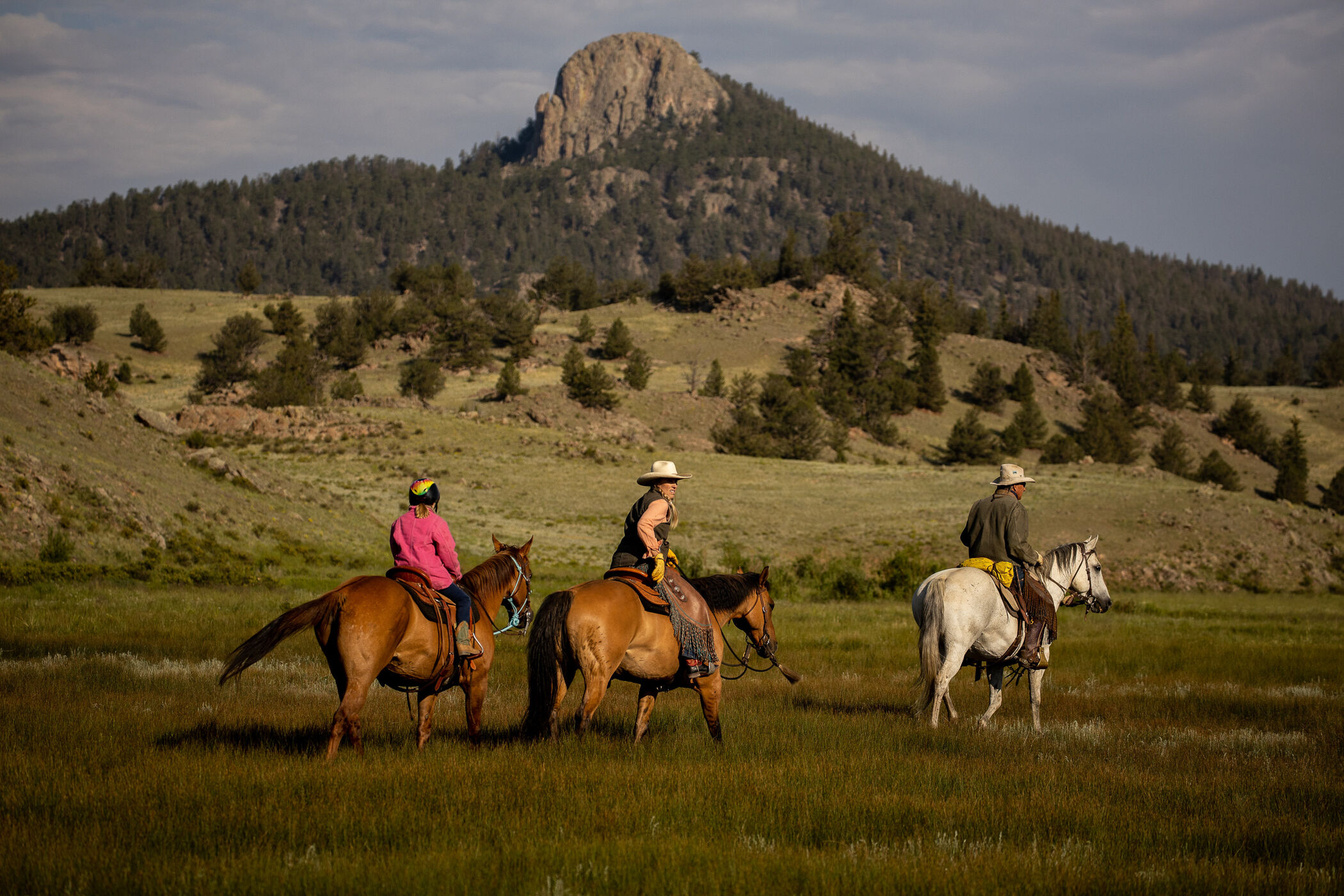
Dave and Jeannie Gottenborg met as teenagers wrangling horses at a dude ranch in Estes Park, married, and began chasing a shared dream of owning their own cattle spread.
Decades later, after careers in law and the energy sector, two children and six grandchildren, they finally bought Eagle Rock Ranch in Park County in 2012 — and set about healing the “wounded landscape” they found there.
“We’ve been here now 13 years or so and don’t have any plans to go anywhere,” Gottenborg told The Denver Gazette.
The first-generation ranchers have earned the 2026 Colorado Leopold Conservation Award for turning a battered landscape into a thriving example of working-land conservation that supports both cattle and wildlife.
They will receive the $10,000 award in June at the Colorado Cattlemen’s Association annual convention.
Erik L. Glenn, CEO of the Colorado Cattlemen’s Agricultural Land Trust, said the family stewards the land “not just for the resources that exist today, but for the generations who will inherit the landscape.”
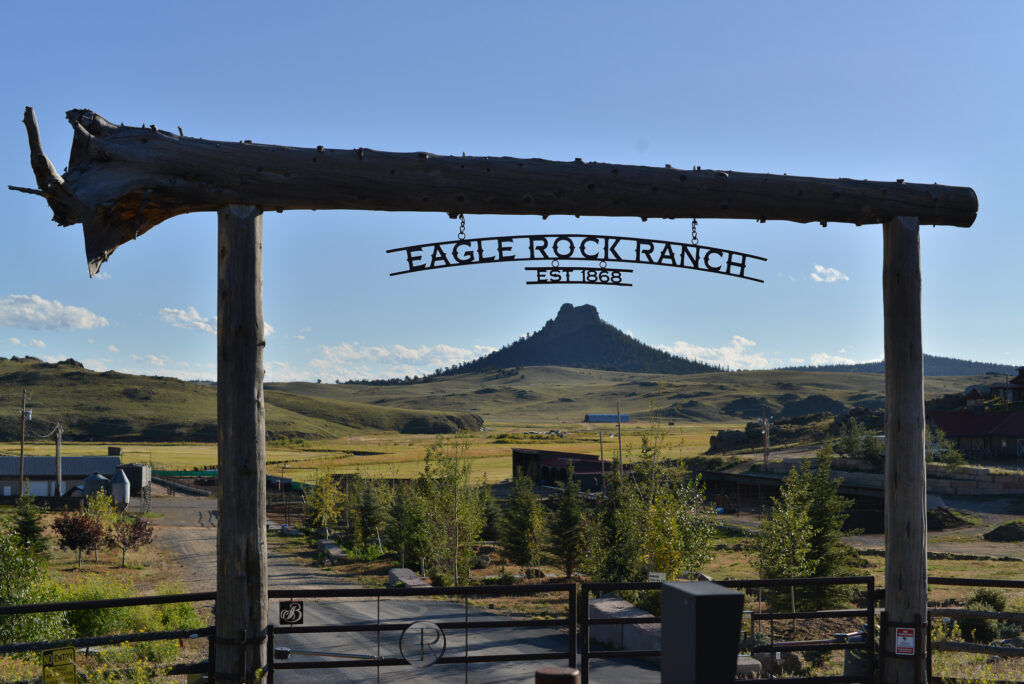
The ranch itself carries deep roots. In 1868, gold prospector Louis Holst homesteaded the land and built a working cattle and hay operation in the South Park basin.
For more than 150 years, the 3,000-acre property has remained one of the few traditional operations still running in the Tarryall Valley and is listed on both the National Register of Historic Places and the Colorado State Register of Historic Properties.
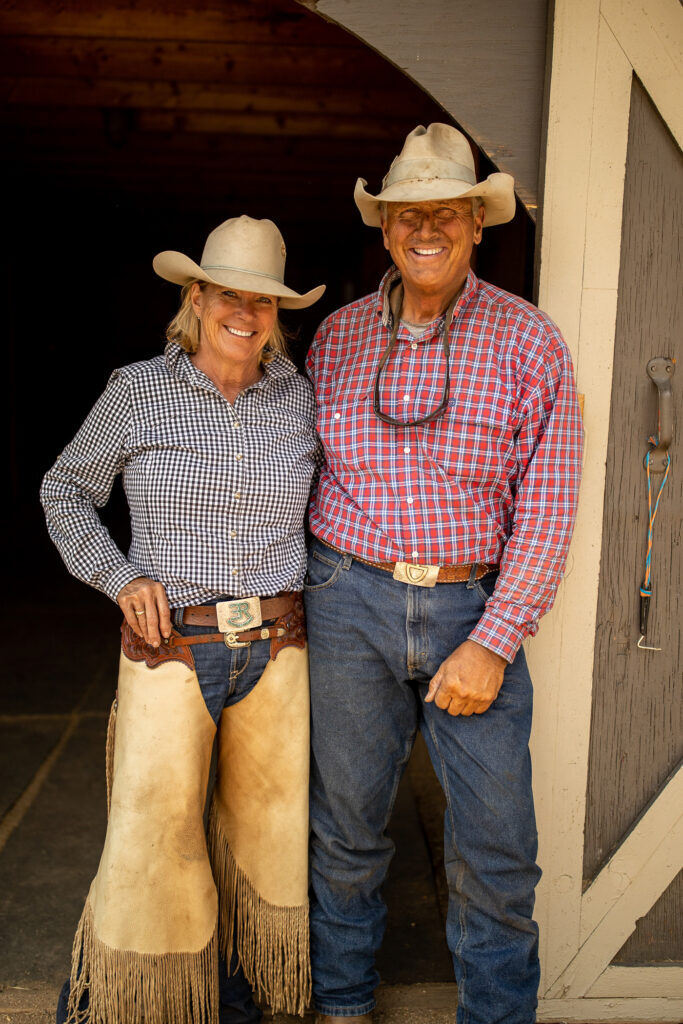
“Colorado’s farming and ranching families carry forward a legacy of stewardship,” said Curt Russell, Colorado Cattlemen’s Association president, in a release.
Decades of overuse and neglect left behind a sorry scene that the Gottenborgs resolved to repair.
They hauled out garbage and rotted corrals, replanted native grasses and replaced barbed wire with fencing friendly to wildlife. They left longer stubble in hay fields to trap blowing snow, slow erosion and rebuild soil. Clean water now moves from a settling pond through an underground culvert system to the fields.
Along Tarryall Creek, which runs through the property, they installed erosion controls and fish habitat structures that have brought clear water and thriving trout. Hundreds of willow saplings now stabilize banks and cast shade over the stream. Birdhouses have drawn mountain bluebirds back to the ranch, bat houses help control mosquitoes, and owl boxes handle rodents.
Daughter Erin Michalski, who left a Wall Street banking career, returned to the ranch to handle finishing, processing and direct-to-consumer sales of the ranch’s all-natural Black Angus beef.
Conservation efforts reach beyond the fencelines. The Gottenborgs sparked the nation’s first voluntary elk migration agreement, a five-year, privately funded project with the Colorado Cattlemen’s Agricultural Land Trust and the Property and Environment Research Center.
The Kenosha Peak herd of more than 2,000 elk once damaged fences and ate winter forage meant for cattle as they migrated to lower elevations in the fall.
“When we first started talking to Dave, one of the things that concerned him is every year the elk would migrate through his ranch,” said Travis Brammer, director of conservation at PERC. “They would eat the forage, the hay that he had intended to leave behind for cattle. They would damage fences. All of these costs just kind of added up to his bottom line.”
To facilitate elk migration, they installed “lay-down” fences built so they can be laid flat on the ground to prevent elk from trying to jump them or push through them. Gottenborg rotates grazing to rest half the ranch each year.
“It’s been an elk migration route for probably hundreds of thousands of years,” Gottenborg said. “Elk come through here in the winter. They come off the Lost Creek wilderness that’s right to the east of us, and they kind of hang out in this valley because a little bit warmer, a little bit less snow than up high.”
The Gottenborgs also host research on elk and deer road crossings and invited the Colorado Natural Heritage Program to conduct a comprehensive biodiversity survey that documented the ranch’s high-quality native vegetation, wetlands and rare plants in a largely unfragmented landscape.
The award, presented by the Sand County Foundation with state agriculture and conservation partners, honors Aldo Leopold’s vision of a “land ethic” from his 1949 book “A Sand County Almanac.”