







Colorado joins Big 12 support for Protect College Sports Act, plots course ahead in ‘challenging’ era
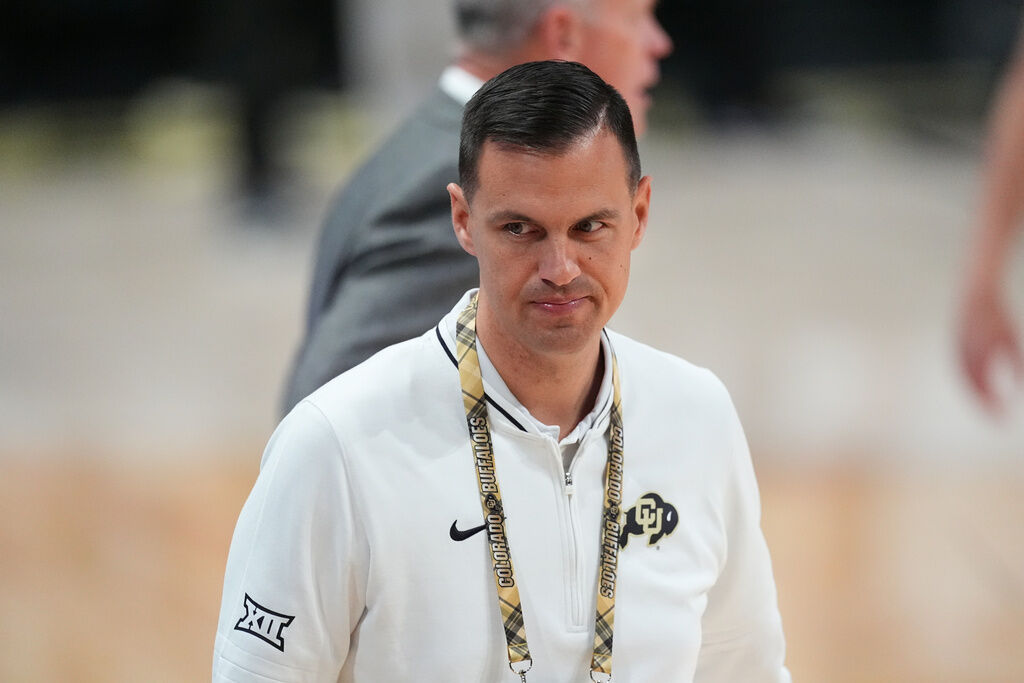
BOULDER — The last weekend of May provided Fernando Lovo with another key milestone: his daughter’s first dance recital.
Colorado’s new athletic director is now about five months on the job. His family is all settled in their new home and community, but Lovo’s work in guiding the Buffaloes through a “challenging time in college athletics, one that changes every single day” is just getting started.
“It’s hard to keep track of the news, day in and day out, but I said it when I was hired and I continue to say it. I think Colorado is uniquely positioned to excel in this new world of college athletics,” Lovo said in a wide-ranging sit-down with The Denver Gazette this week.
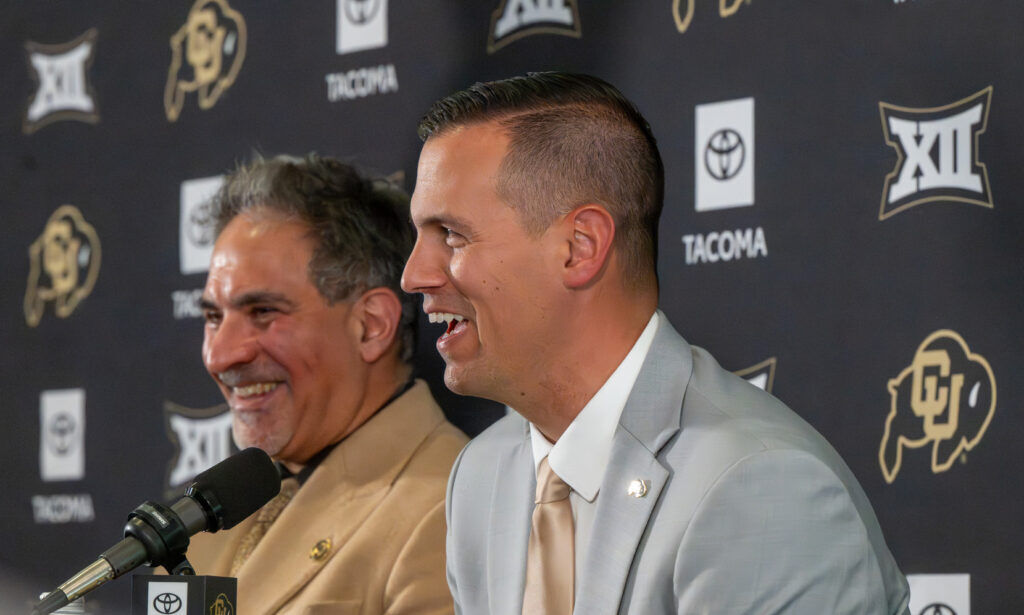
The new world of college athletics that Lovo mentioned — one where the gap is widening between the haves and the have-nots and where local court decisions undermine the NCAA’s seemingly limited power — might finally be getting some semblance of structure.
Sens. Maria Cantwell, D-Wash., and Ted Cruz, R-Texas, have recently introduced the “Protect College Sports Act” in a bipartisan attempt to provide the NCAA with the ability to enforce certain rules and guidelines laid out in the bill.
Among many other things, the comprehensive piece of potential legislation would limit student-athletes to one transfer without penalty, limit eligibility to a maximum of five years, prohibit professional athletes from participating in college athletics and prohibit coaches from leaving for a different school during their season, also known as the “Lane Kiffin rule.”
The Big 12 and the ACC were the two Power 4 conferences to send a letter of support for the bill, while the Big Ten and SEC released a joint statement this week saying they don’t support the bill as it is currently constructed.
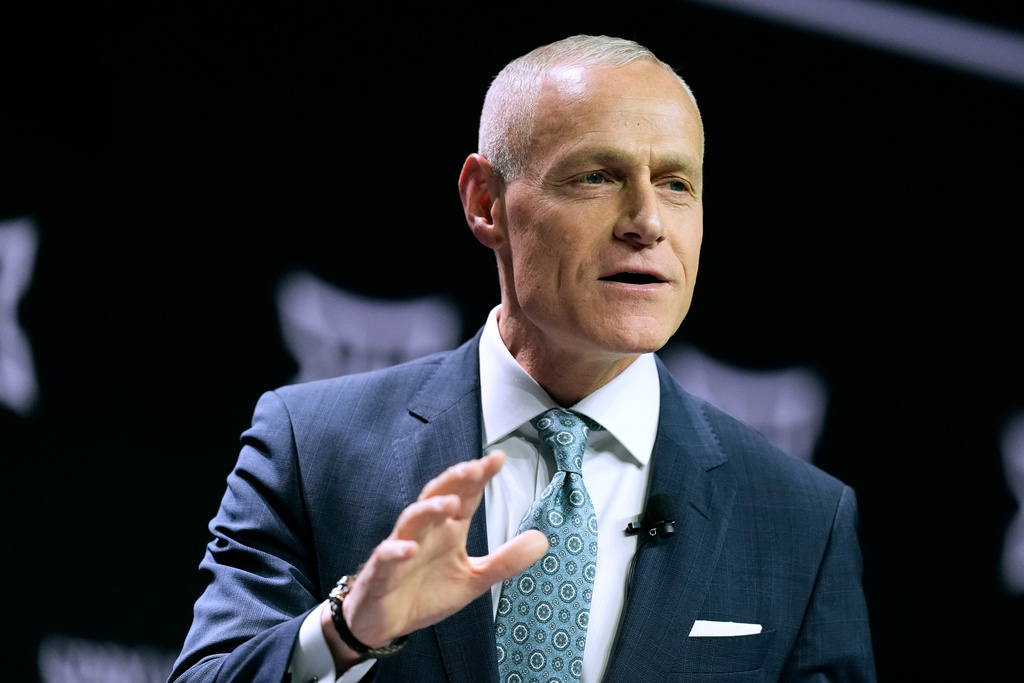
Many key figures, most notably former Alabama coach Nick Saban, testified in support of the bill in front of Congress this week in Washington.
Lovo said he was happy to see the bill introduced in a bipartisan manner, commending Cantwell and Cruz for working together to put together a bill that provides a “good framework” for rules and governance that he says college athletics “desperately” needs.
“Obviously, there’s gonna be ebbs and flows as it goes through the Senate and hopefully to the House and we expect that. We’re ready for that,” Lovo said. “The more transparency, the more governance that we’re able to get and rules and those things that we can follow and know that others are following them, I think is advantageous for all of us as an enterprise.”
Those aren’t just empty words from CU and the Big 12 as a whole. During the recent Big 12 spring meetings in Frisco, Texas, the conference became the first of the Power 4 to have each member sign participation agreements with the College Sports Commission, the agency formed last year to police name, image and likeness payments.
“We want to make sure that we’re staying and operating in an ecosystem where we can remain competitive because I think we have the right people in our conference,” Lovo said. “If we’re able to ensure the resources are where they need to be, this conference can continue to be one that’s nationally relevant across the board. Overall, I left (Frisco) feeling encouraged and excited about the future and the direction of this conference.”
The future in Boulder also remains a hot topic of discussion.
Lovo was brought in to replace outgoing AD Rick George because of his experience in various roles with some of the biggest athletic departments in the country, but also because he demonstrated in a short period of time as the athletic director at New Mexico that he can think outside the box and generate revenue in an era where it’s as important as ever.
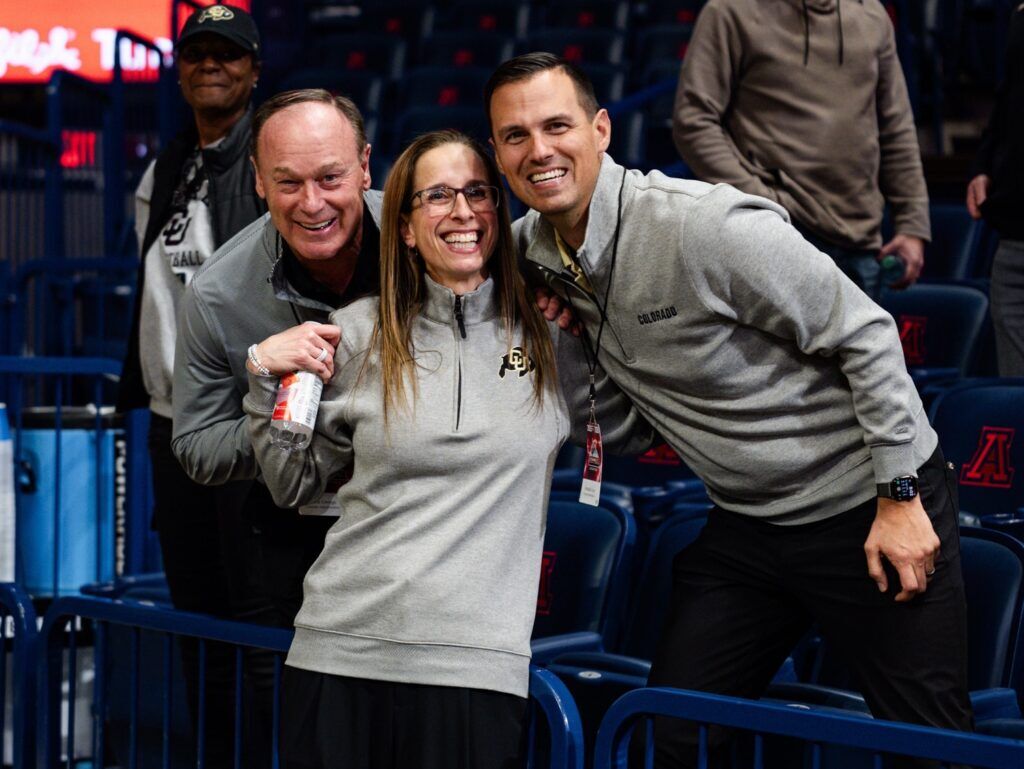
“Revenue is king,” Lovo said. “We’ve gotta sell tickets, we’ve gotta sell sponsorships, we’ve gotta ensure that our stadium and all of our facilities are used 365 days a year so that we can find those different avenues of revenue to come in, but then additionally we’ve gotta look at what we’re not doing right now that we could potentially do.
“Everything’s on the table for us. In order to make that work, you’ve gotta have the right people. We have great ideas that are flowing in and out of this building and we know we’ve gotta capitalize on those and implement them.”
Those ideas include potential sales of naming rights for CU’s main sports facilities, namely Folsom Field and the CU Events Center, with Lovo saying “good progress” is being made toward potential partnerships. The Buffs have already sold naming rights to the indoor practice facility to Mountain States Ford Stores.
“I’ve had quite a few discussions, both with some potential partners but also internally about our strategy and what our go-to-market plan is,” Lovo said. “Those are very valuable assets and we’re gonna treat them as such in the market. That’s gotta be a true partnership. It’s gotta work for that company or that individual and it’s gotta work for us.”
Aggression without compromising what makes CU unique is the name of the game, so far, for Lovo as he tries to push the Buffs forward.
“We’ve gotta push the envelope when it comes to just the way we operate. We’ve gotta be innovative and just find avenues to find that competitive edge because we have great coaches. I firmly believe that,” Lovo said. “Now, it’s our job as administrators to help provide them with all that they need because players and coaches win games and administrations win championships.
“That’s my mantra and what I live by and we’re gonna continue to push so we can provide them with what they need to be successful.”