







Why Denver missed out on hosting 2026 World Cup matches: ‘It’s a shame’
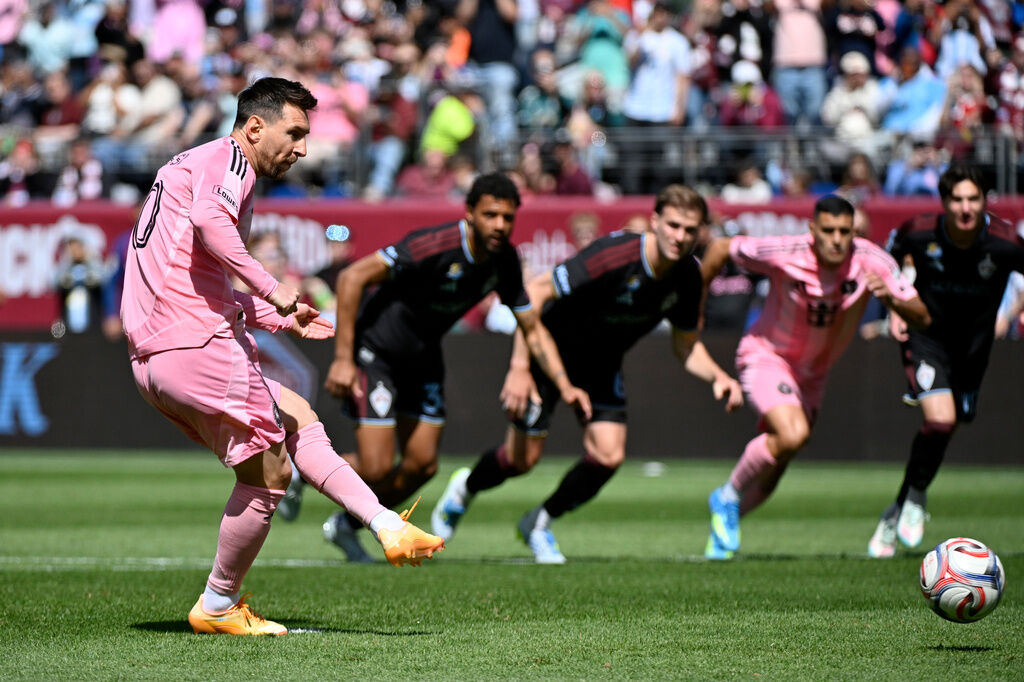
Peek behind the curtain to discover why the 2026 World Cup passed on the Mile High City.
Denver rolled out the red carpet when FIFA officials visited the city as a host site candidate for matches that start nationwide this week across 11 American cities. The pitch whiffed.
Back in 2021, a collection of local power brokers — like U.S. Men’s National Team goalie legend Tim Howard, Kroenke Sports & Entertainment executive Josh Kroenke and former mayor Michael Hancock — joined a tour at Empower Field to help pitch Denver to FIFA.
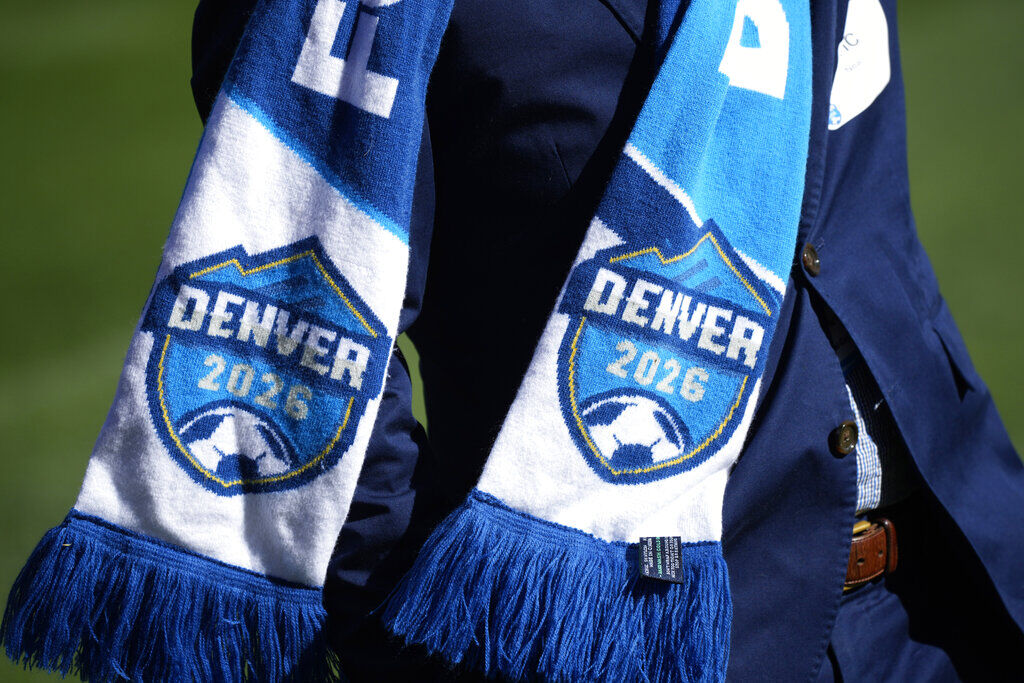
Some local officials even wore blue scarves emblazoned with a “DENVER 2026” logo.
Victor Montagliani, a FIFA vice president, said during a news conference: “It’s obvious Denver wants it.”
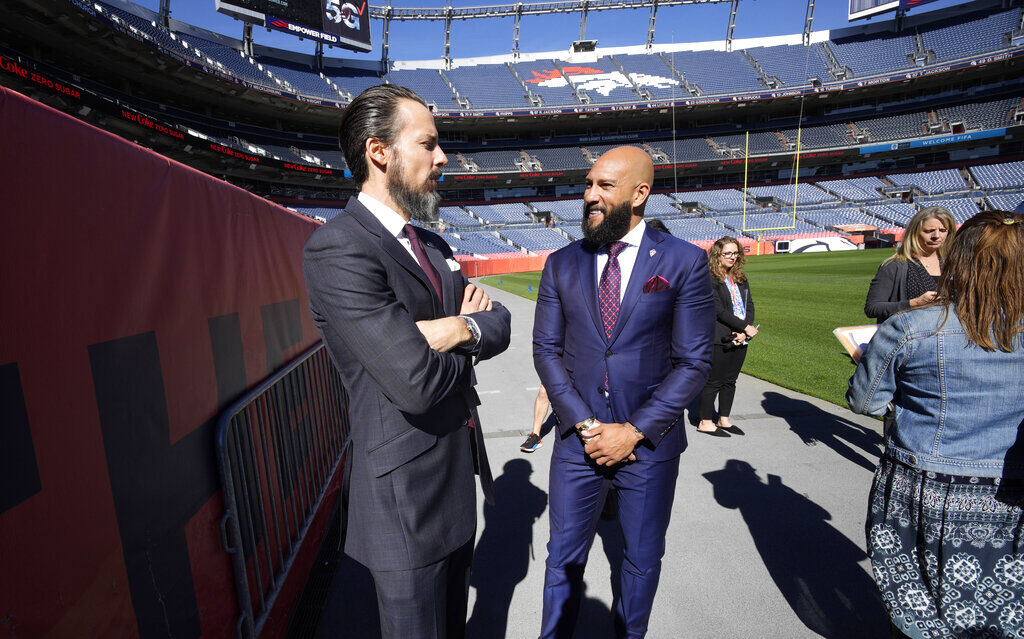
Yet, the city’s bid to host fell short.
FIFA ultimately chose regional competitors like Kansas City and Houston over Denver. That didn’t sit well with many in the local soccer community like Marcelo Balboa, a Colorado Rapids legend from the 1990s who appeared in three World Cups with the USMNT.
“It was very frustrating when we didn’t get the World Cup bid here, especially when we have everything that you would want in a World Cup city,” Balboa told The Denver Gazette. “You’ve got places to visit. You’ve got great hotels. You’ve got a stadium right near downtown and transportation is easy. … It’s a shame.”
One reason why Denver missed out on 2026 World Cup matches? A conflict of dollars and sense.
Nate Shotts, CEO of the Colorado Soccer Association, explained how timing and financial expectations changed everything.
FIFA requires that World Cup cities foot the entire bill for hosting games with an agreement in writing, essentially, for an open checkbook. Meanwhile, the Broncos were in ownership limbo between the Bowlen Family Trust and the Walton Penner Family ownership group. It appears uncertainty with Empower Field as the host venue created a disadvantage.
“There wasn’t one thing that we didn’t pass in checking the boxes to be able to host a World Cup,” Shotts told The Denver Gazette. “What it really boiled down to was, in my opinion, the money that we would be able to throw out there that FIFA wanted in order to make it work. … It wasn’t the right time.”
Will that change in 2031?
The only bidder to host Women’s World Cup matches in that year is a coalition of the U.S., Mexico, Costa Rica and Jamaica. The United States Soccer Federation proposed 14 sites, including Denver, among 20 possible venues to host games. The timing coincides with the Broncos’ new stadium anticipated opening at Burnham Yard in 2031.
Colorado is also a greenhouse for developing talent on the U.S. Women’s National Team with several recent high-profile members calling the state home.
“I do think that we’re set up to be very successful to host the Women’s World Cup in ‘31,” Shotts told The Denver Gazette. “That’s what we’re going to really, really push for. Get behind Visit Denver, the Colorado Rapids, the Summit and the Colorado Soccer Association. All of us will work hand in hand to do the best job we can to bring the Women’s World Cup to Denver. … I think we have to be a very top candidate in hosting.”
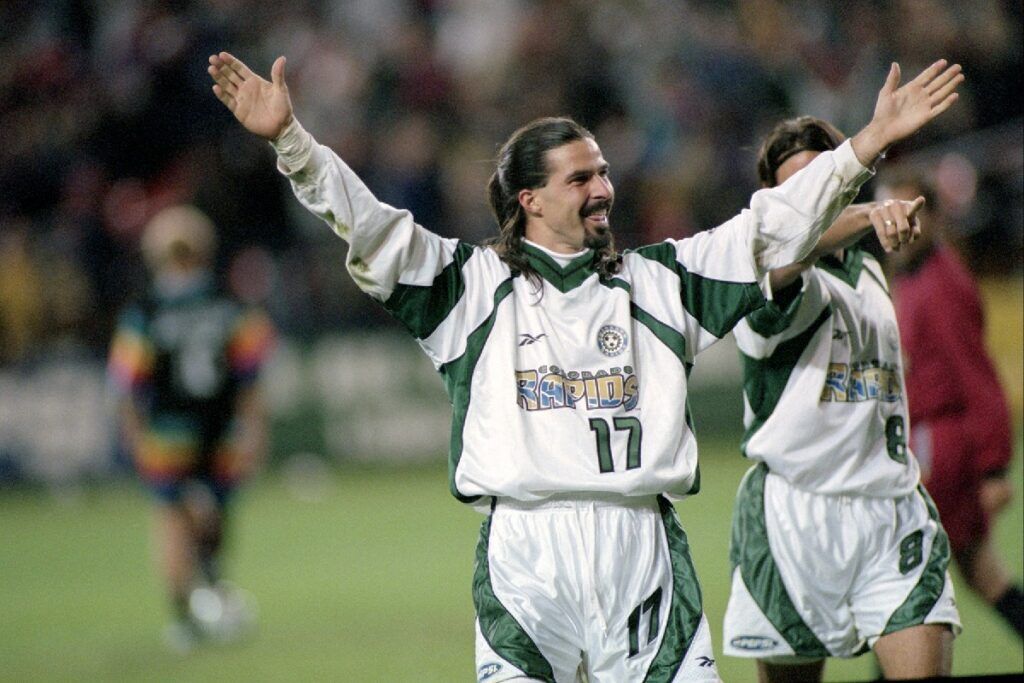
It is still possible to enjoy the magic of a national World Cup without hosting games.
Just ask Balboa. His work continues as a Rapids academy coach and soccer analyst with Apple TV. The Colorado impact will be significant if the USMNT makes a deep run in the World Cup.
“Getting out of the group isn’t special anymore. That’s something that we now expect. This team, if we’re going to take that next big step, we’re going to put this a little bit farther up the Totem pole,” Balboa told The Denver Gazette. “The U.S. has to do something special. A quarterfinal would be something that could help this sport grow even more. … We’re already there. We’re getting to the point where we’re at 30-something plus years into a professional league. Our national team is competitive.
“Now, it’s getting past the group phase into a quarterfinal again.”