







Concerns over Telluride Ski Resort plans underscore lingering tensions
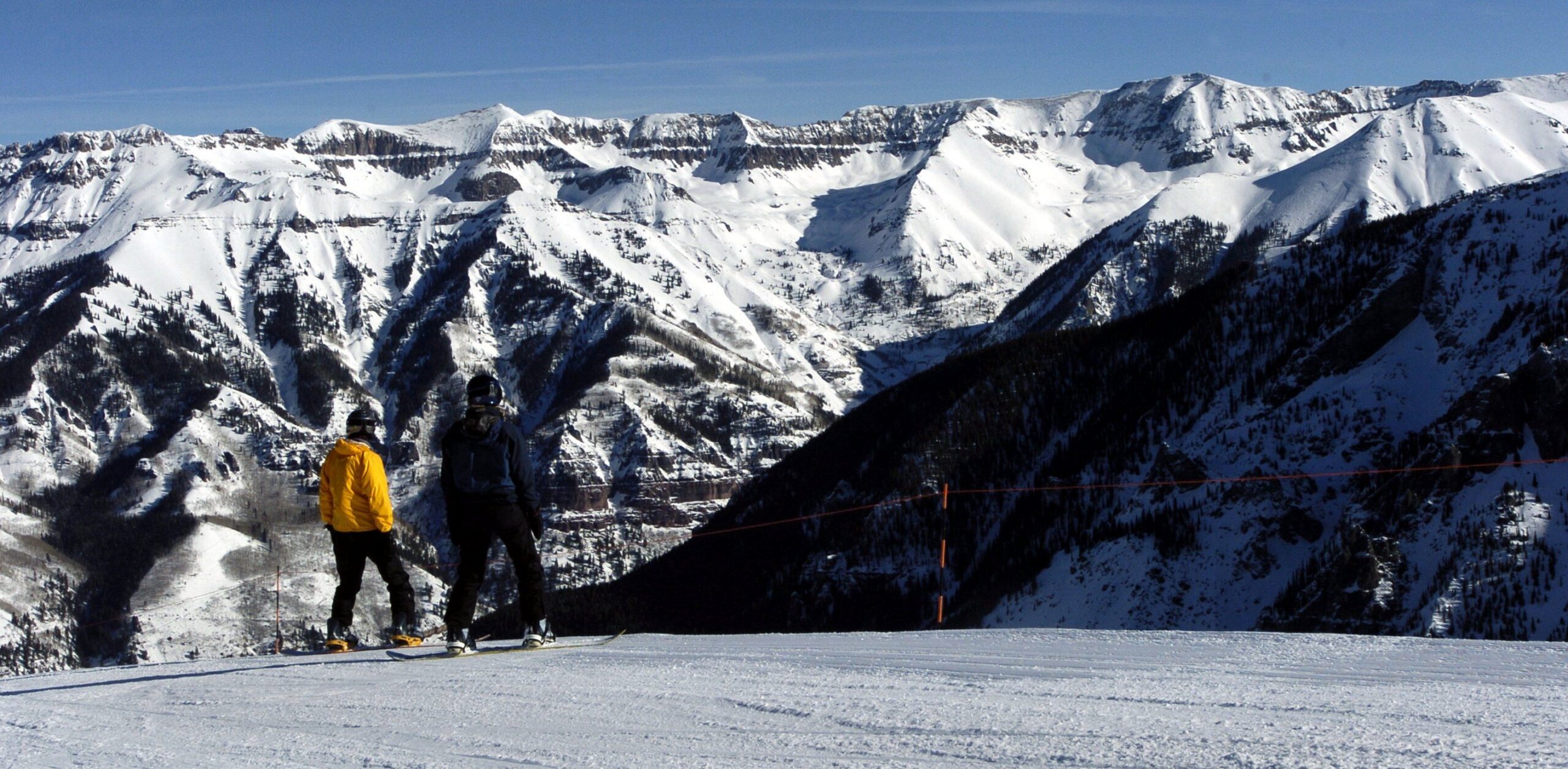
Proposed upgrades at Telluride Ski Resort have garnered concerns, underscoring tensions in one of Colorado’s most iconic ski towns.
The U.S. Forest Service is reviewing letters sent in response to a draft environmental assessment that comes on the heels of a tumultuous winter in town. The resort was late to open amid a ski patrol strike, accompanied by protests, in what was the most public chapter of a long-strained relationship between locals and California-based ownership.
The divide is clear from one letter sent to the Forest Service, advising the agency “should not be even CONSIDERING the Telluride Ski Resort’s Improvement proposals based upon TSG’s dismal record of operations over the past several years.”
Another commenter found the proposals “excellent,” including upgrades to Lifts 7 and 8, which date to the 1970s. A letter from the town of Telluride said it, too, “supports the modernization of the resort’s critical infrastructure.”
But the town is seeking specific upgrades to the lifts, rather than the variety of options listed in the draft environmental assessment. Options include fixed-grip configurations; detachable quads better “align with resident and visitor expectations and industry standards,” the town letter reads.
Snowmaking is proposed for the Jaws Skiway, envisioned as an 1,800-foot egress around Lift 9. But the plan “does not consider expanding enhanced snow coverage more broadly,” the town letter notes, while also calling for a greater analysis of environmental impacts.
That call is being echoed by San Miguel County commissioners and conservation groups.
A top concern is the proposal to transform the High Camp warming hut into a full-service restaurant. The concept was halted by a lawsuit in 1999, leading to a settlement.
In their letter, commissioners outlined needs for water and other permitted infrastructure and pointed to a past problem with construction waste. Also: “We were not aware that the Miller Settlement agreement had an expiration date.”
The settlement “specifically refers to the (record of decision) as it relates to the restaurant. Therefore, settlement activities do not apply to subsequent analysis and decisions,” according to the Forest Service draft assessment, which emphasizes current proposals were filed in 2017, 2023 and 2024.
“This is a clear violation,” according to a letter sent by Sheep Mountain Alliance, Rocky Mountain Wild and San Juan Citizens Alliance.
Beyond High Camp, the environmental groups cite the Forest Service assessment finding the project area in Lynx habitat “generally considered to be of high quality.” The assessment concludes “proposed actions may affect but is not likely to adversely affect Canada lynx.”
In terms of wetland impacts, “Where avoidance is not feasible, both temporary and permanent impacts may be incurred,” the assessment reads.
The lynx and wetlands were among matters the environmental groups considered to be “not minor or fully resolved.” Another: the matter of tethered logging, a method for timber harvesting by cable and machinery that is proposed for steep slopes ー what the groups described as potentially reckless and “greatly concerning.”
The method is “25% or less the cost of helicopter logging and a safer alternative for forestry workers and the public,” according to the Forest Service’s assessment.
In a letter, the town of Mountain Village called tethered logging “a reasonable approach” but asked questions about preventing the spread of Douglas fir beetles. While also asking questions about parking and restaurant infrastructure, the town said it “strongly supports” the proposed upgrades aimed at greater circulation.
Along with constructing the Jaws Skiway around Lift 9, the resort wants to widen the upper part of the popular Galloping Goose Trail by 30 feet. This “would reduce congestion caused by the existing narrowness,” according to the assessment.
A new bike trail is also proposed: The hand-cut Green Tech Trail would spur off the existing Tommyknocker Trail and “introduce riders to varied terrain” across 3,616 linear feet.
Along with trails in Telluride Bike Park, the resort maintains connections to lands beyond, the Forest Service assessment indicates. Citing construction, the resort previously announced closing the bike park this summer.
“To be clear, the public has not been ok with these closures,” county commissioners wrote to the Forest Service. “Given the existing economic strain from the winter shutdown and the bike park closure, trails and races that drive tourism must remain open.”