




Vail Resorts reports nearly 15 million skier visits this season – a significant drop compared to prior year
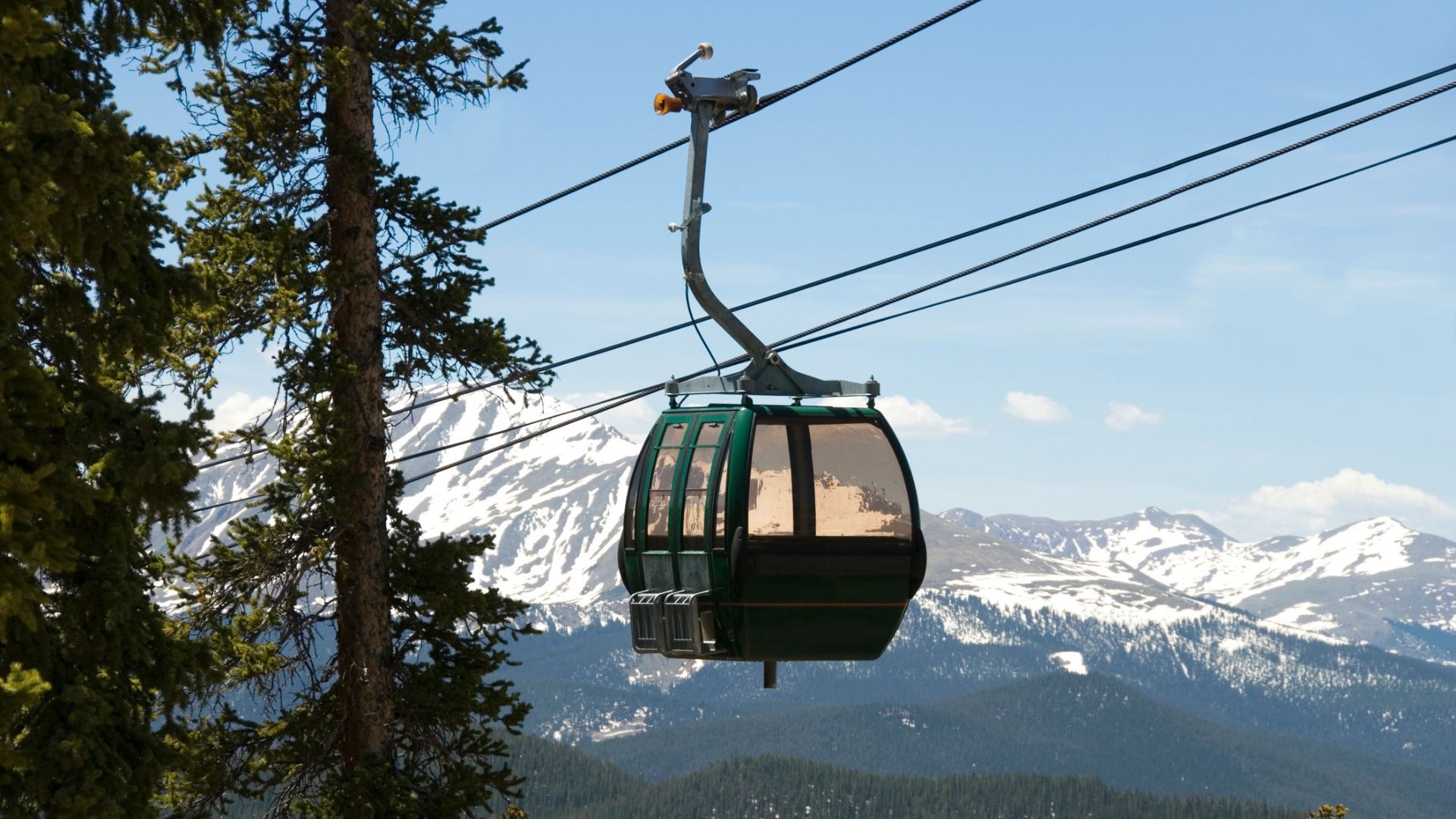
Vail Resorts has published their third-quarter fiscal report for 2026, and while many ski areas around the country are privately held, thus not many numbers go public, the transparent reporting from Vail Resorts is sometimes considered to provide clues related to how the greater industry is performing, especially during ski seasons in which abnormal weather reared its head.
During the nine-month period that ended on April 30, Vail Resorts reports that their locations around the world attracted 14,797,000 skiers. That’s obviously a huge number, though it is a 12.5 percent drop compared to the 16,912,000 skiers that visited a Vail Resorts spot during the same stretch last season. The drop of skier visits was even more significant during the three-month stretch ending on April 30, 2026, declining by 15.5 percent with this three-month stretch accounting for close to half of all skier visits during the 2025-2026 season. Keep in mind that these numbers are reflecting visitation at all resorts, too, not just those in the Rockies where conditions were exceptionally dry.
While numbers related specifically to Colorado visitation weren’t included in the quarterly overview, chief executive officer Rob Katz did address the Rockies in the following statement: “Weather conditions remained extremely unfavorable in the third quarter, adding to what had already been one of the most challenging winters in history across the western U.S., driving continued pressure on visitation and revenue in the quarter, particularly at our destination resorts in the Rockies.”
Colorado’s snowpack peaked at about half of the norm in 2026 with that peak coming about a month earlier than it typically does. With that in mind, Katz’ mention of difficulties in the Rockies seems to indicate that the season-over-season drop in skier visits may have been even more significant at Centennial State locations.
For the nine-month period ending on April 30, 2026, the company reports a net income attributable to Vail Resorts, Inc. of $337,690,000. This compares to $460,861,000 during the nine-month period ending on April 30, 2025 – a drop of about 26.7 percent.
This boils down to a net income attributable to Vail Resorts, Inc. of about $22.82 per skier visit during the nine-month period from August 2025 to April 30, 2026. That said, it’s worth noting that Vail Resorts typically operates at a net loss during the fourth fiscal quarter which is not included in aforementioned ‘nine-month’ numbers. Guidance included in the third-quarter report for the full fiscal year ending on July 31, 2026 indicates that 12-month net income attributable to Vail Resorts, Inc. will land somewhere in the range of $128 million and $162 million. The net income attributable to Vail Resorts, Inc. in fiscal 2025 was $280 million and in fiscal 2024 it was $231.1 million.
Another interesting aspect of the third-quarter report is the look it provides at how early pass sales have gone thus far for the upcoming 2026-2027 season. Pass product sales through May 26, 2026 are down about 10 percent compared to last season through May 27, 2025.
“The decline in performance-to-date reflects softer demand following one of the worst snowfall years in history in the western U.S., most evident in weaker trends across weather-impacted markets such as Colorado, Utah and Lake Tahoe, and among Destination guests who typically visit the Rockies, relative to much stronger performance in the East and at Whistler Blackcomb,” reads the report.
It’s no secret that the 2025-2026 snow season was historically awful in Colorado. Considering that several of Vail Resorts’ largest resorts are located in the Centennial State, it’s likely most investors were already expecting a weather-related impact when it came to the company’s bottom line. That said, two strategies that Vail Resorts has pursued in recent years do seem to keep income more durable during a dry season. Diversification into other regions has made the company less reliant on the conditions present in a single part of the country while the push to sell more pass products has skiers and snowboarders committing to spending money early regardless of how the weather of the upcoming winter shakes out.
How would Vail Resorts have done this past season if it never expanded outside of Colorado years ago and if it still relied on guests buying single-day lift tickets after looking at the snow report? It’s possible to make an educated guess. Keep in mind that many of Colorado’s smaller ski areas live in that exact reality, relying on revenue that’s generated solely from local operations and walk-up ticket window sales.
Thankfully, early signs seem to point to next winter bringing more moisture to Colorado than the past one. We’ll have to wait and see.
Find the full Vail Resorts quarterly report here.
STAY INFORMED: Get free Colorado news with our daily newsletter (Click here)
Get OutThere
Signup today for free and be the first to get notified on new updates.
PREV
PREVIOUS

Wildland fire that started in apartment complex results in presumed "total loss" of 8-unit building
A scary situation unfolded in Rifle, Colorado on June 10 when what was initially reported as a backyard fire ended up destroying an apartment building before spreading to surrounding wildland terrain. According to a report from Colorado River Fire Rescue, they responded to the structure fire at about 4:01 p.m. amid strong winds. With heavy […]
SEARCH AND RESCUE SHAKE-UP: CPW gets two bids for future management, but no bid from CSAR
In case you missed it, signs seem to point to the Colorado Search and Rescue Association (CSAR) no longer managing the state’s search and rescue effort after 53 years of taking on the role. Per a March interagency agreement related to backcountry search and rescue that involved Colorado Parks and Wildlife (CPW) and the Colorado […]