







How to pay less for gas this summer (and breathe easier)

Gas prices are high, and you’re probably feeling the pain at the pump this summer. But did you know that you can save money while filling up and reduce one of the most widespread air pollutants on Colorado’s Front Range at the same time?
Emissions from gas vehicles and other sources react in the sunshine and heat on summer days to form ground-level ozone in our region. This invisible pollutant can get trapped against the foothills and build up to unhealthy levels from Castle Rock to Fort Collins on hot, sunny days, peaking in the afternoons.
Want to breathe easier and remove some strain on your summer budget? Here’s five ways to drive down your fuel use.
Avoid idling for the AC
In the hot summer months, it can be tempting to idle your car in parking lots, drive-thrus and pick up lines for the air conditioning. But don’t do so for long: it can waste you a lot of gas money.
Every minute that a car idles, it also releases enough emissions to fill 150 balloons with harmful pollutants, including carbon monoxide, particulate matter, and compounds that form ground-level ozone. These idling pollutants aggravate asthma and allergies and can cause cardiovascular and respiratory diseases— for you, your family, and your community.
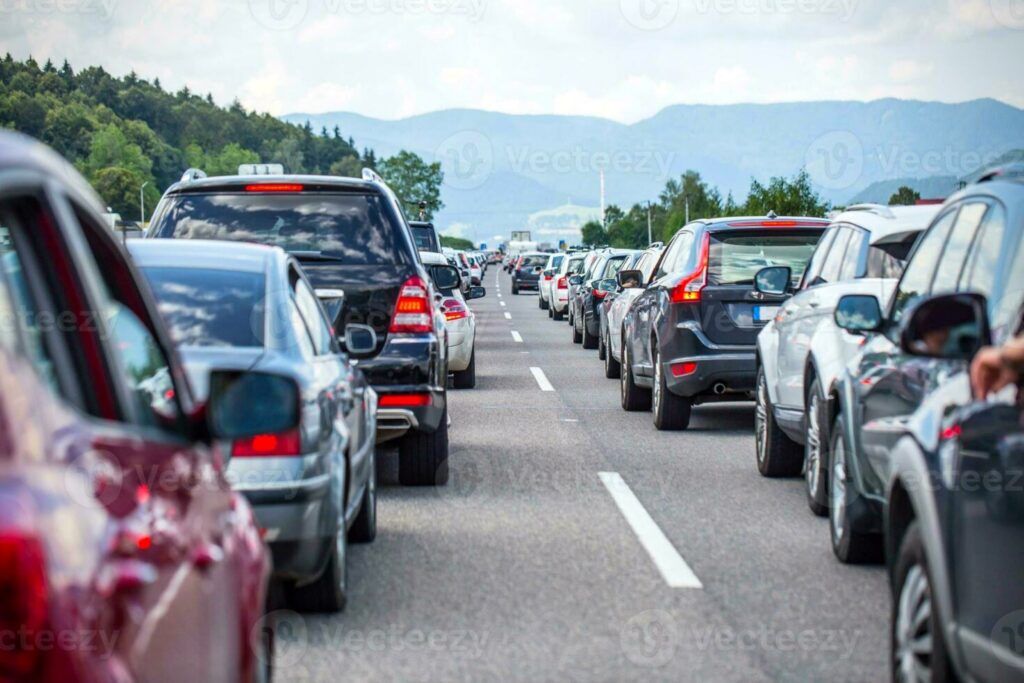
Turning your car off and on again, when parked in parking lots and pick up lines — and avoiding long drive-thrus — can not only save you money, but make a big difference for better summer air quality in our region.
Conduct regular car maintenance
Regular vehicle maintenance — like keeping your tires properly inflated, and receiving regular oil changes — helps improve gas mileage and keep your vehicle in good working order, saving you money on gas and potential major repairs. It also helps avoid the creation of unnecessary air pollution.

Stop at the first click
Low on gas? Stop at the first click when you fill up. Filling past the automatic shutoff can make your car less efficient and even result in a costly repair.
The mechanism that makes a gas pump handle click off isn’t just there to prevent you from spilling gas on the ground. It also stops you from flooding your car’s evaporative emission control (EVAP) system, which prevents harmful vapors from escaping into the atmosphere.
The EVAP system’s carbon canister captures fuel vapors until the engine can use them, boosting efficiency while keeping harmful vapors out of the air we breathe. Overfilling the tank can flood the carbon canister with liquid gas, preventing it from using vapors to run your car. Worse, flooding can clog it, and once clogged, it has to be replaced.
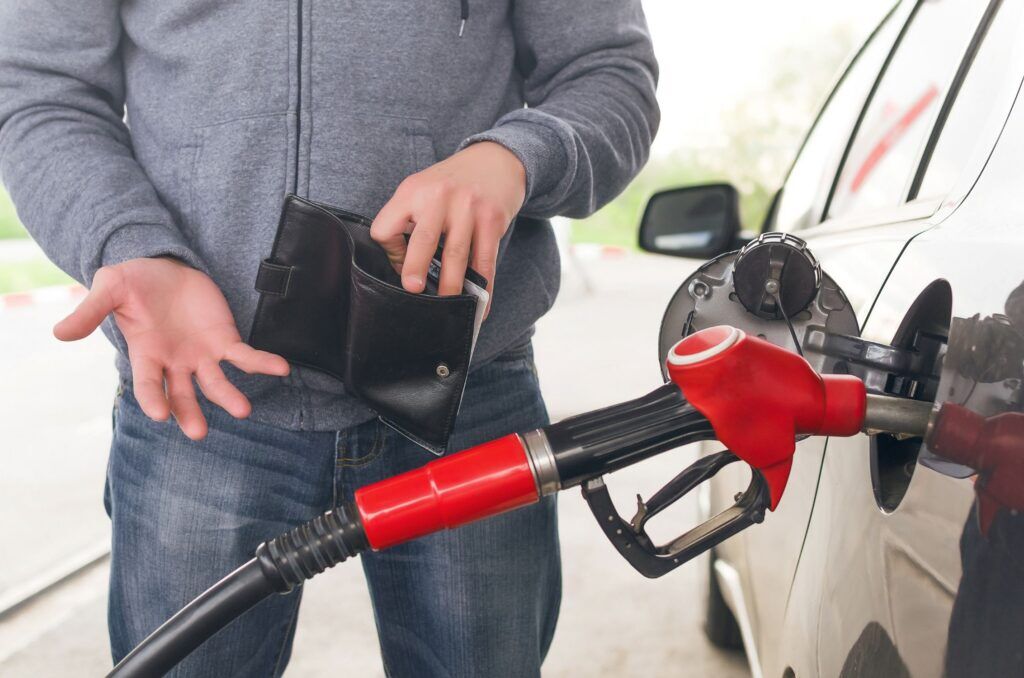
So instead of squeezing a few extra drops in, let the handle stop at the first click. Your wallet will thank you!
Carpool and combine trips
Getting together somewhere in the Front Range with family and friends this summer? Consider carpooling! Not only does this help reduce traffic, it saves you money, and allows you to spend more quality time with the people you love.

Need to run to the store? To save on time and gas, adopt an “while I’m out” approach to efficiently combine car trips. You could also pick one day each week to shop and run most of your weekly errands.
Upgrade your ride
If you’re tired of paying so much at the pump, there are three major ways that you can upgrade your car: you could switch to a high MPG vehicle, a hybrid, or go fully electric.
If you are not ready or able to switch to a plug-in hybrid or all-electric vehicle, switching to a higher mile-per-gallon vehicle is still a good choice. Traditional hybrid vehicles use features like regenerative braking to achieve phenomenal gas mileage, improving air quality and saving you money!
Plug-in Electric Hybrids have both an electric motor and a gas engine. They generally have a shorter electric-only range, but as they also utilize a traditional gas engine for longer range, they have a similar or longer range than many gas or electric vehicles. That means you can run around town utilizing the emission-free electric motor, but still have the dependable range for trips to the mountains.
Nearly every major car manufacturer now includes electric vehicle options. EVs have a large battery that you can charge at home, at the office, or at public chargers. Charging your car’s battery is generally much less expensive than filling a tank with gas, especially when you utilize slower chargers that charge while you sleep or work. Newer models have ranges that equal or even exceed the range of a gas vehicle (300+ miles).

Colorado is a leader in EV conversion and still offers substantial rebates on new and used EVs, including a Vehicle Exchange Program (VXC), which allows lower-income residents to trade in old gas cars for EV discounts. For those who may want to try out electric before committing, discounted leasing options are also available! Talk to your favorite dealership and visit the Colorado Energy Office website to learn what rebates are available in your area.
Visit SimpleStepsBetterAir.org for more information and to sign up for summer ozone alerts to know when it matters most. Simple Steps. Better Air. is a program of the Regional Air Quality Council.