







A chorus line of Colorado cultural pathmakers
The Colorado 150, Part 5 of 6: Meet everyone from Roseanne to Kent Haruf to Bob Dylan to Harry Tuft to the Colorado Springs actor whose hard, real life inspired one of the iconic roles in musical theater history

Put simply: No Kelly Bishop, no Sheila in “A Chorus Line.”
Imagine one of the most famous musicals in history without the street-smart, fiercely confident older dancer clinging to her last shot at a Broadway show. Sheila spends her stage time trying to hide a traumatic, unhappy childhood laid bare in the classic Broadway ballad “At the Ballet.”
That heartbreaking stage narrative wasn’t fiction. It was based entirely on the Tony Award-winning actress’ real-life experiences as a young dancer born in Colorado Springs and raised in Denver.

Bishop has pliéd her way to a No. 48 finish on The Denver Gazette’s new Colorado 150 — a sesquicentennial list of cultural pathmakers who have shaped how the world sees Colorado — and how we see ourselves. This is the fifth of six parts counting “up” the 150 honorees in blocks of 25. Each week, we choose one for a larger profile, and this week, that is Bishop.
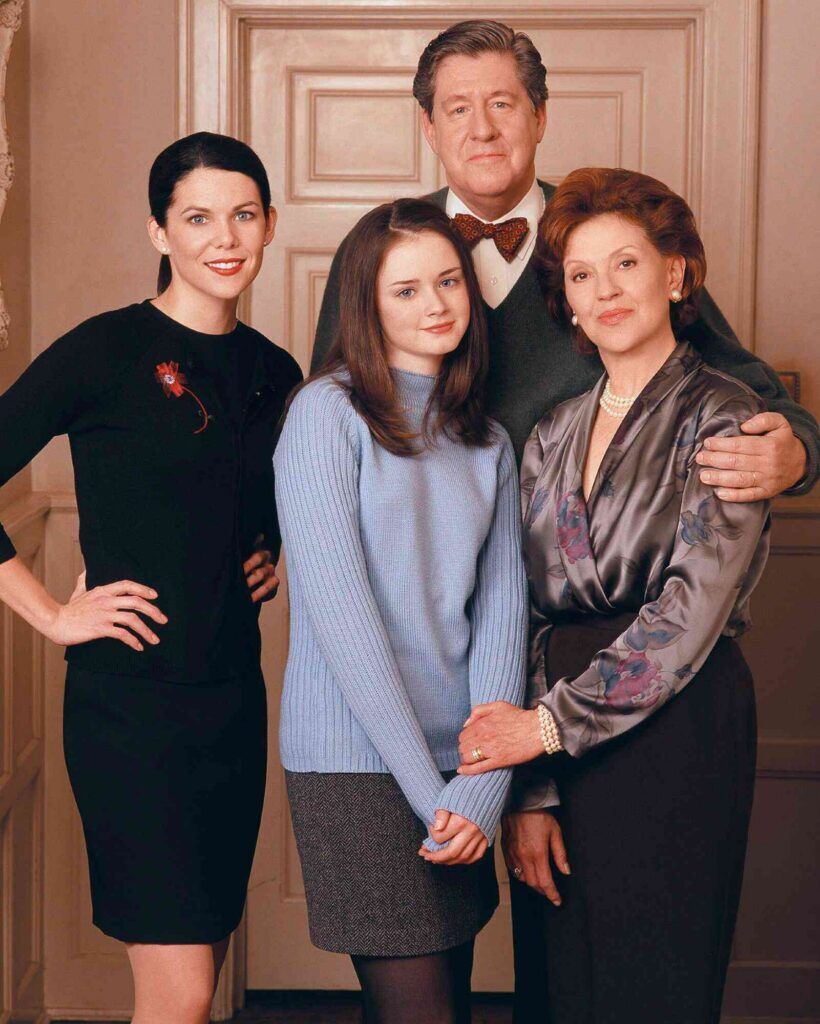
To widespread pop-culture audiences, Bishop is a household name. She played the iconic matriarch Emily Gilmore in TV’s long-running “Gilmore Girls” and co-starred as Marjorie Houseman, the mother of Jennifer Grey’s character in the 1987 popcorn classic “Dirty Dancing.” Most recently, she was the imposing Benedetta in “The Marvelous Mrs. Maisel.”
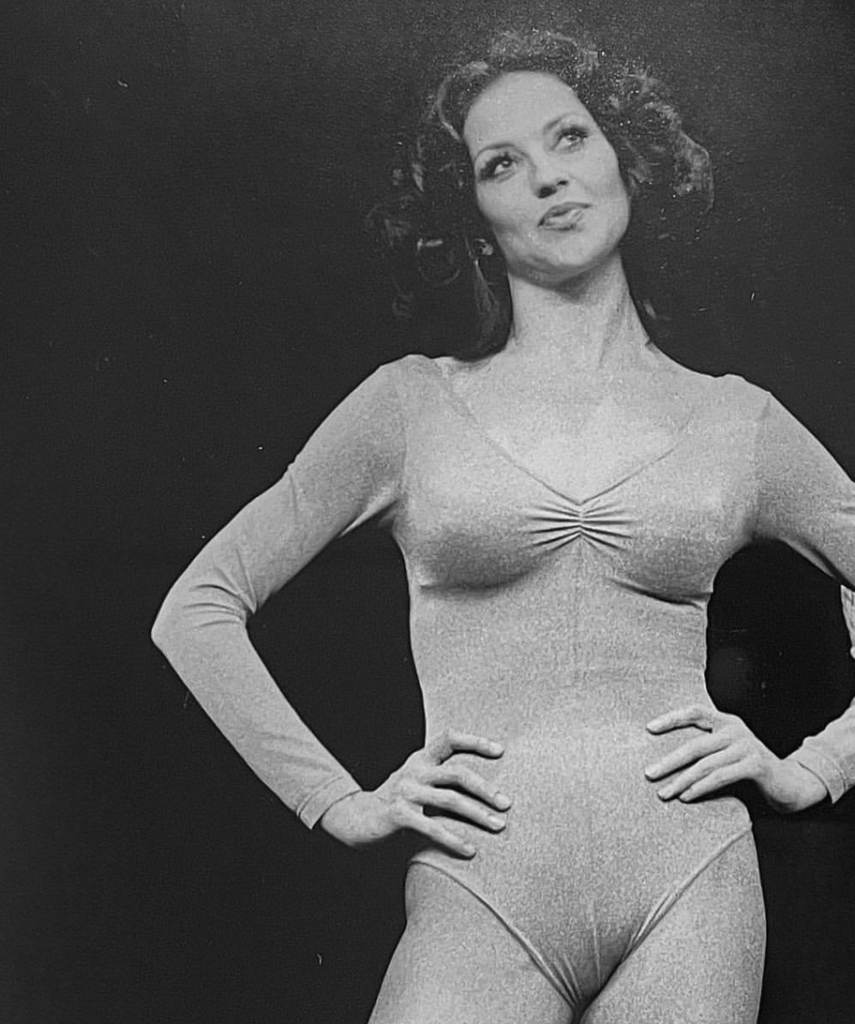
But to theater purists, she is forever Sheila Bryant.
The journey began under horrific circumstances. In her 2024 memoir, “The Third Gilmore Girl,” Bishop describes a tumultuous Colorado childhood heavily shadowed by her father’s alcoholism and rage. Her saving grace was ballet, which she discovered at a Denver dance studio run by world-renowned instructors Dimitri and Francesca Romanoff.
Though Bishop’s father stubbornly refused to pay for dance lessons, her loving mother, Jane, struck a deal with the studio: She would work as the Romanoff’s class pianist in exchange for Kelly’s formal lessons. That’s when her real life essentially began.
When Bishop was 15, the Romanoffs relocated their ballet school to Northern California. So Jane and Kelly packed up and moved west, too. It was the pivotal, life-changing migration that ultimately launched Bishop into the bright lights of American show business.
This week’s 25 Colorado pathmakers
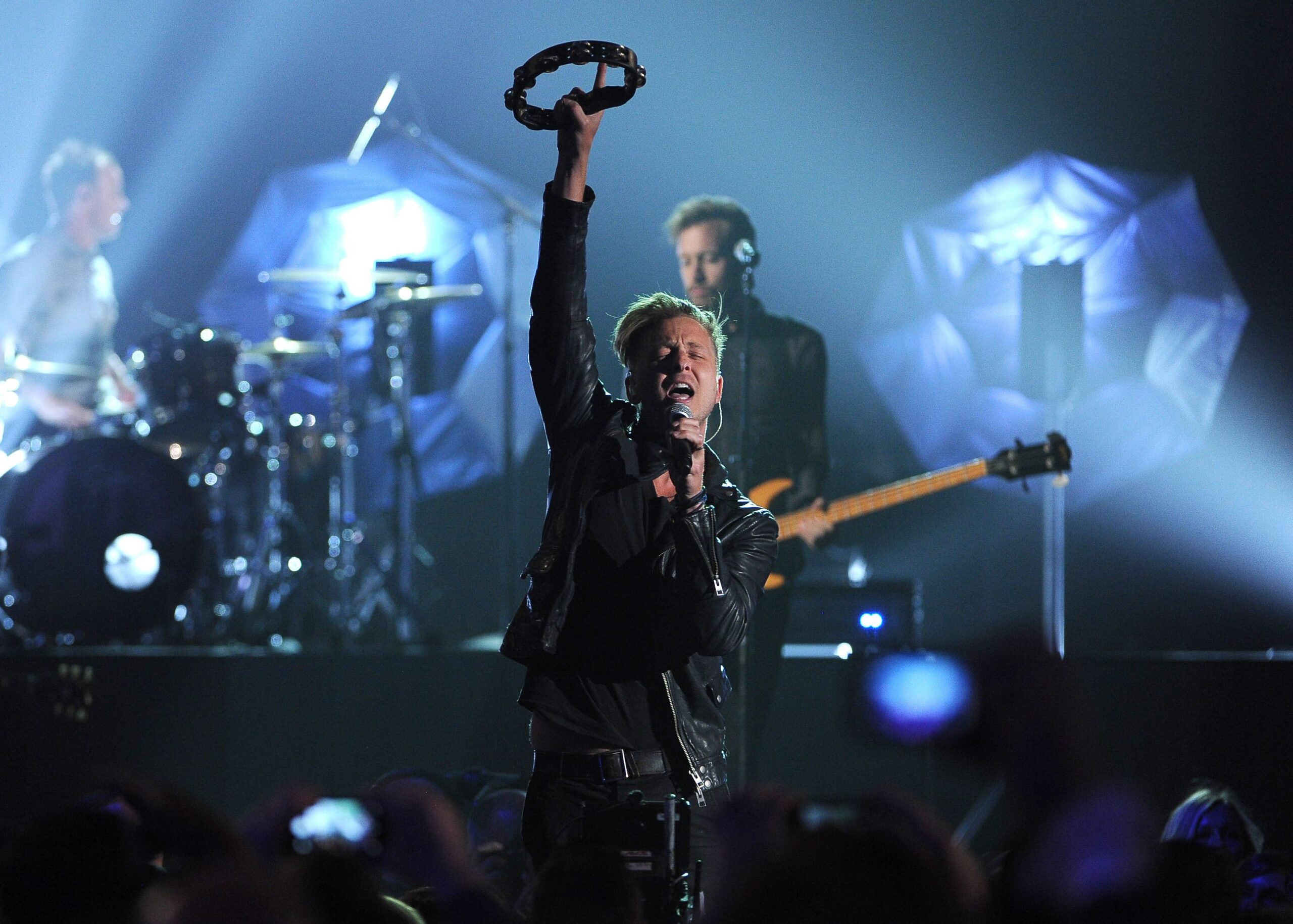
26. Ryan Tedder (b. 1979) is not only the lead singer of the pop-rock band OneRepublic (“Counting Stars”), he also penned and produced global hits for stars like Adele (“Rumour Has It”), Beyoncé (“Halo”), Taylor Swift, Ed Sheeran and Lady Gaga. Tedder befriended future OneRepublic guitarist Zach Filkins on the soccer team at Colorado Springs Christian School, where they played gigs at the Pikes Perk Coffee & Tea House as the duo This Beautiful Mess. They reunited after college in 2002, adding Drew Brown of Boulder to form OneRepublic. Between 2013-14, Tedder had an unprecedented six different tracks in the Top 40 simultaneously. In 2021, Tedder sold his catalog rights for $200 million. In 2024, OneRepublic christened the new $90 million Ford Amphitheater in Colorado Springs with three sold-out concerts drawing 24,000 fans.

27. Kent Haruf (1943-2014) was one of Colorado’s most celebrated and beloved authors for his vivid attention to the stark landscape, daily grit and human vulnerability of life in the state’s agricultural flatlands. Haruf’s opus was his globally acclaimed six-novel series set in the fictional town of Holt (“Don’t call me Yuma!”) Colorado. His entire “Plainsong” trilogy was adapted for the stage by the Denver Center Theatre Company. And his final work, the posthumously published novel “Our Souls at Night,” was adapted into a film that reunited Robert Redford and Jane Fonda. Just days before Haruf’s death, I interviewed the genial author about his life and works. He told me he wanted his legacy to be one of reverence for the “precious ordinary” of everyday lives. “I want to think that I have written as close to the bone as I could,” he said. “By that, I mean that I was trying to get down to the fundamental, irreducible structure of life, and of our lives with one another.”

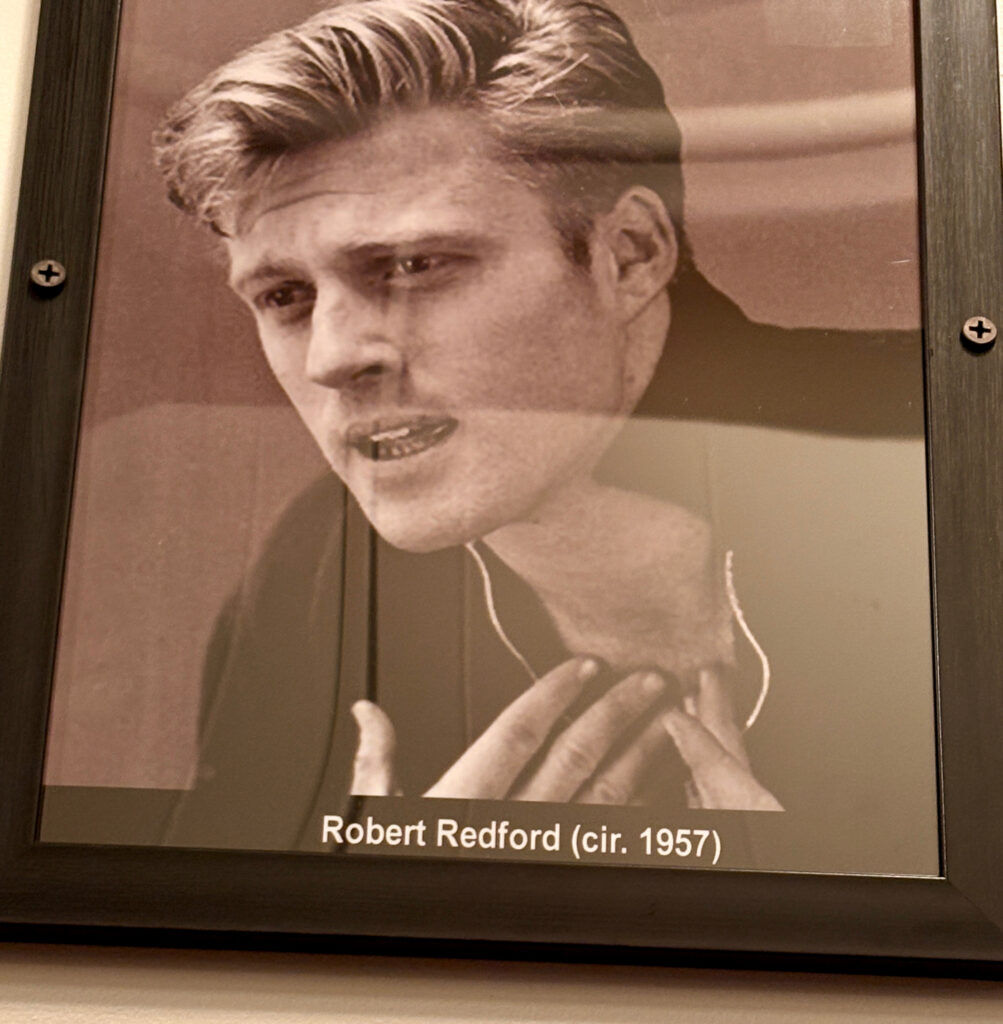
28. The impending arrival of the Sundance Film Festival is a poetic, full-circle completion for the late Robert Redford (1936-2025). In 1954, he lost his baseball scholarship at CU Boulder while working as a janitor at The Sink restaurant. Yet, the state has long since fully embraced his cinematic legacy, culminating in the permanent relocation of his iconic festival to Boulder starting in January 2027. Over the years, he filmed train robberies along the Durango & Silverton Railroad for “Butch Cassidy and the Sundance Kid,” captured gripping ski footage for “Downhill Racer,” and starred in Kent Haruf’s late-life romance “Our Souls at Night” in Colorado Springs (see No. 27). And then there were the decades of private grief following the horrific, unsolved 1983 murder of his daughter’s boyfriend in Boulder. Redford’s fierce environmentalism and artistic genius perfectly mirror Colorado’s rebellious cultural DNA, weaving him forever into the state’s independent (and independent film) history.
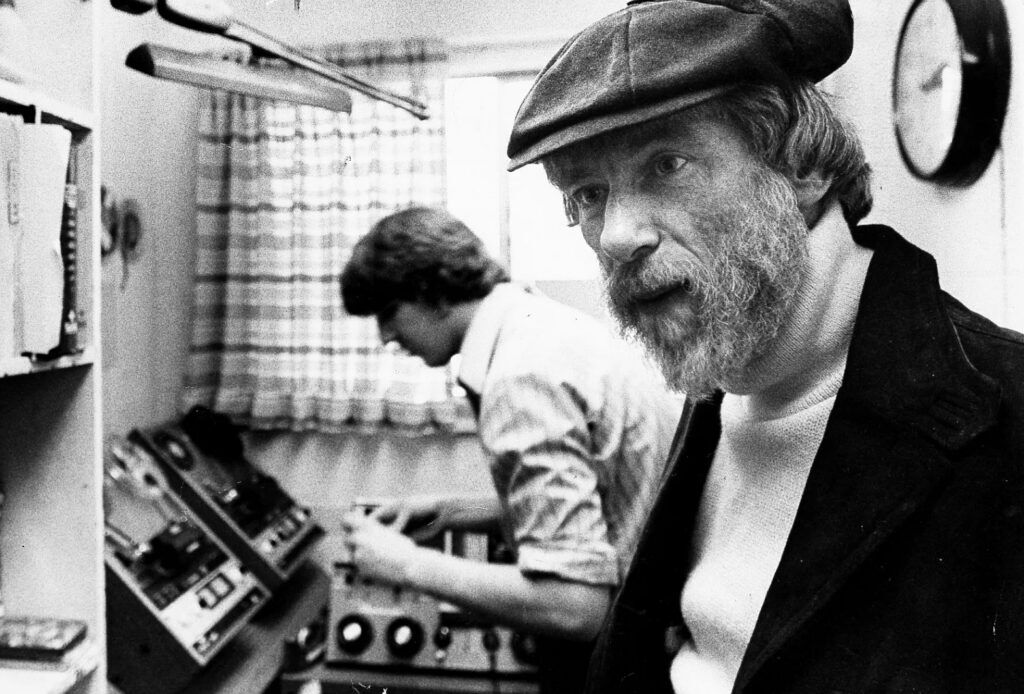
29. Volatile KOA Radio talk-show host Alan Berg (1934-84) was killed by Idaho white supremacists in a gangland-style execution in the driveway of his Congress Park home. Denver City Councilman Kevin Flynn called the cell “the most heinous domestic terror group in our nation’s history.” Berg, a lawyer who originally moved to Denver to enter a treatment program, was a pot-stirring and emphatically liberal Jewish pioneer of “anger radio” whose shock-jock act got under every nerve he touched. And his voice went wide, thanks to KOA’s 30-state nighttime reach. When Berg was depicted in the 2024 film “The Order” (as interpreted by actor Marc Maron), it was at least the sixth movie or stage play to draw on the details of Berg’s horrific story.
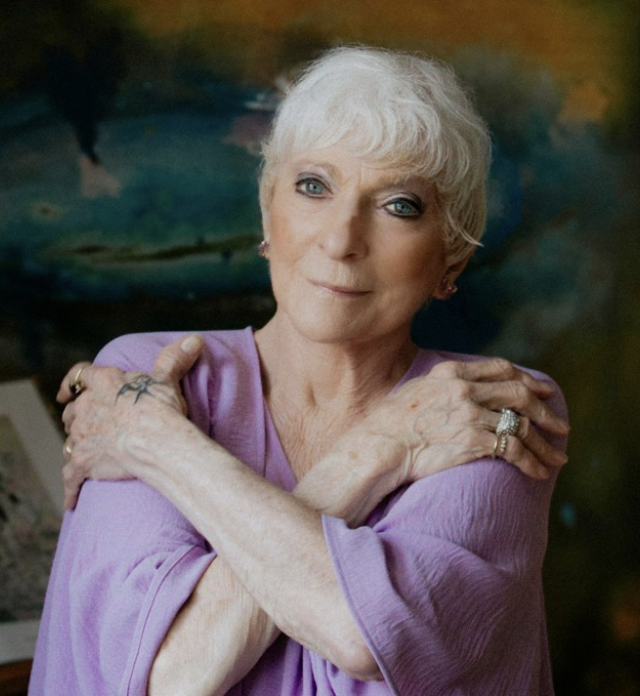
30. Judy Collins (b. 1939): Though born in Seattle, the legendary singer-songwriter with the pristine three-octave soprano voice moved to Denver at age 9 and was already a classical piano prodigy by 13, training under historic conductor Antonia Brico (No. 68). Collins graduated from Denver East High School on her way to releasing more than 50 albums, authoring several books and helping to introduce the world to then-unknown songwriters like Leonard Cohen and Randy Newman. She is immortalized for her definitive interpretations of Joni Mitchell’s “Both Sides Now” and Stephen Sondheim’s “Send in the Clowns.” Her enduring love for the state is preserved in her 2022 single “When I Was a Girl in Colorado.” And, in 2024, the Rocky Mountain Conservancy named Collins an official goodwill ambassador for her commitment to environmental preservation. She’s still going strong at 87, with an upcoming sold-out July 22 date with Bruce Cockburn at the Denver Botanic Gardens. It’s part of her “Sweet Judy Blue Eyes” Farewell Tour.
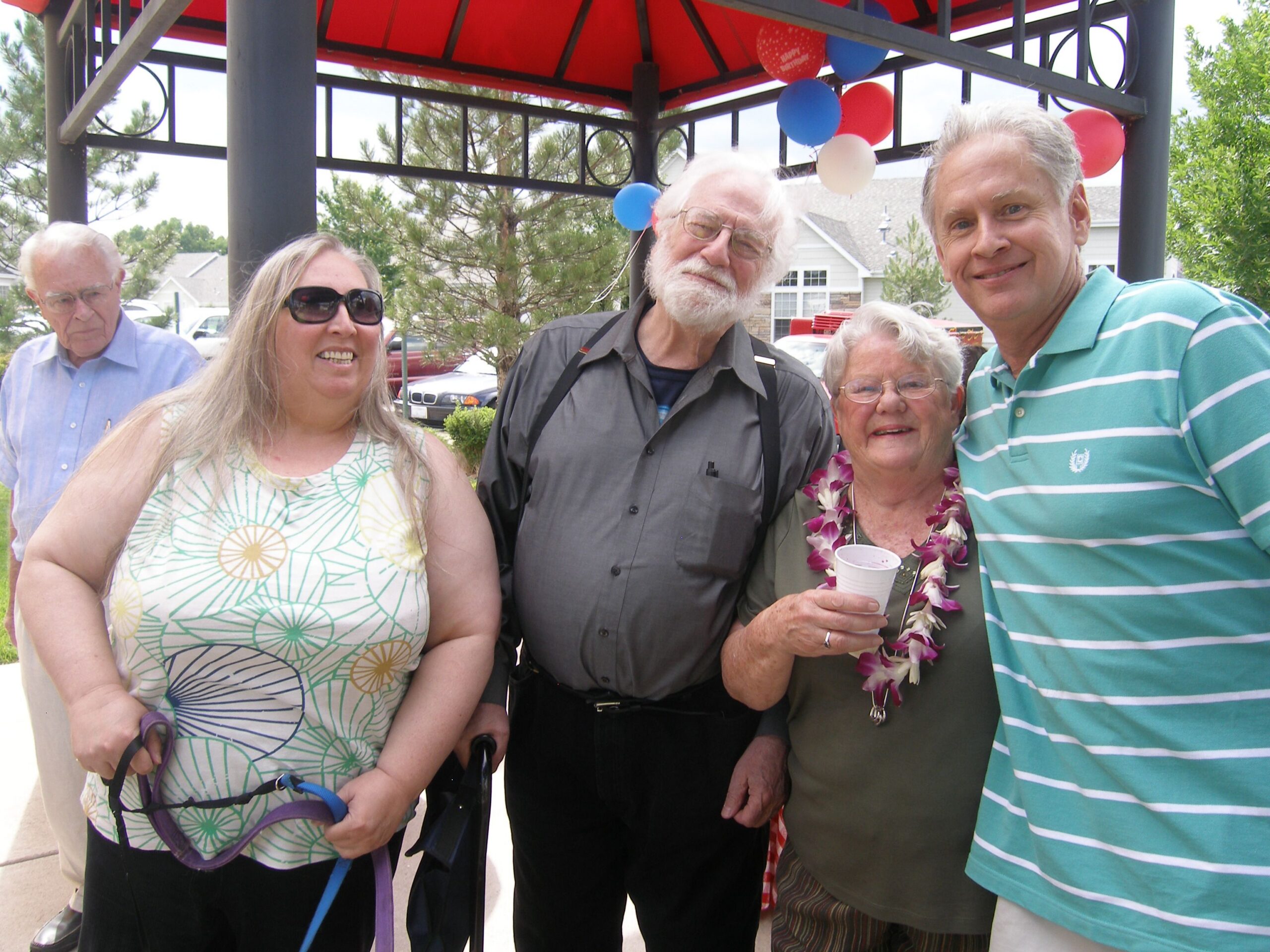
31. Theater producer Henry Lowenstein (1925-2014), called by some “The Father of Denver Theater,” grew up in Berlin on the same street where the Kit Kat Club would inspire the musical “Cabaret.” He survived the Nazis on a Kindertransport train and came to Colorado at the request of Helen Bonfils in 1953 to serve as both general manager and lead designer for the iconic Bonfils Theatre, which was renamed for Lowenstein before being adapted into the current home of the Tattered Cover Bookstore. He later opened the Denver Civic Theatre, now the Su Teatro Cultural and Performing Arts Center at 721 Santa Fe Drive. He is the namesake of the Colorado Theatre Guild’s Henry Awards, which return for their 20th year on July 20 at the Arvada Center.
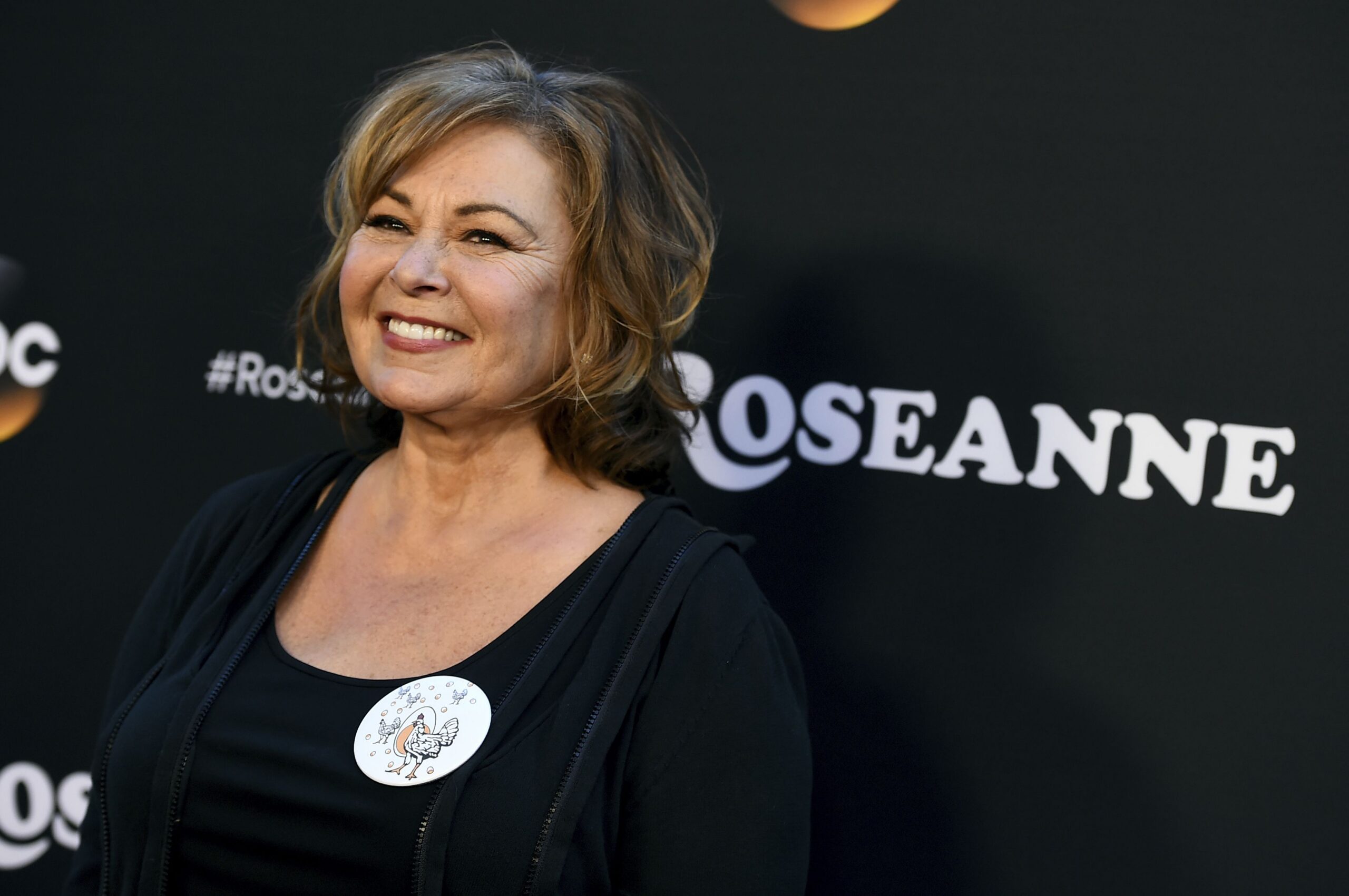
32. Comedian Roseanne Barr (b. 1952): Before she was a television pioneer, before the conspiracies, the controversies, the crotch grab and the racially charged Tweet, there was one hell of a Denver story. It was here that Barr began to transform into a counter-culture icon. At just 18 years old, Barr was sent to the Salvation Army Home for Unwed Mothers in Denver, where she placed her first daughter for adoption. According to the legend, Barr told her newborn they would meet again in 18 years because she was going to be a famous TV star. Four years later, living in Georgetown and convinced she was possessed after watching “The Exorcist,” she married boyfriend Bill Pentland, and they moved into a Federal Heights trailer park. While working as a waitress and raising three children, Barr began stepping onto local comedy stages and became a core fixture of Denver’s booming 1980s stand-up scene as the unfiltered “Domestic Goddess” who caught the eye of talent scouts. Fame, fortune and fallout followed. (And in a surreal twist of fate, Barr and her daughter were reunited exactly 18 years later – right as “Roseanne” became the No. 1 show on TV.) Today, Barr is simultaneously remembered as a trailblazing feminist who revolutionized TV – and a cautionary tale of self-destruction.
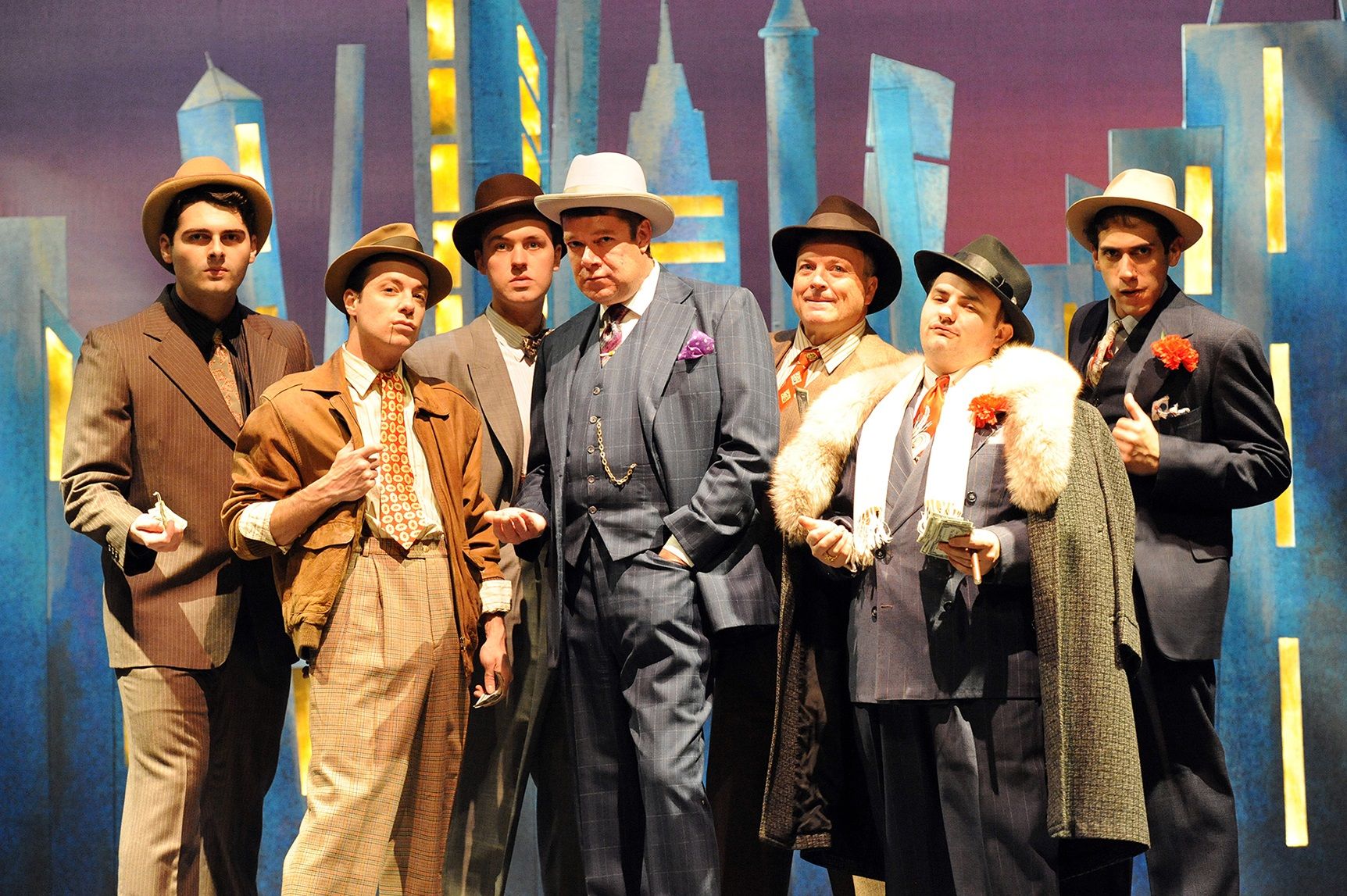
33. Damon Runyon (1880-1946): Before becoming the toast of Broadway, the colorful journalist and author established a reputation as a brilliant but incredibly chaotic frontier newspaperman who bounced around nearly a dozen Colorado newspapers, including The Pueblo Chieftain, Denver Post and Rocky Mountain News. He’s best remembered, of course, for crafting the vivid characters and short stories that inspired the Prohibition gangster musical “Guys and Dolls.” Runyon’s family moved to the industrial steel town of Pueblo in 1887, when Alfred Damon Runyan (note the spelling) was 7. By age 15, he was already writing human-interest stories for the Pueblo Evening Press. From 1895 to 1910, Runyon was both gathering the DNA for his future famous characters – while frequently getting fired for his severe alcoholism. (Not so Nicely-Nicely.) Around 1897, a Colorado newspaper compositor accidentally misspelled his name as “Runyon” in a byline. He liked the look of it and kept it for the rest of his life. The Denver Press Club hosts an annual awards banquet in his honor.
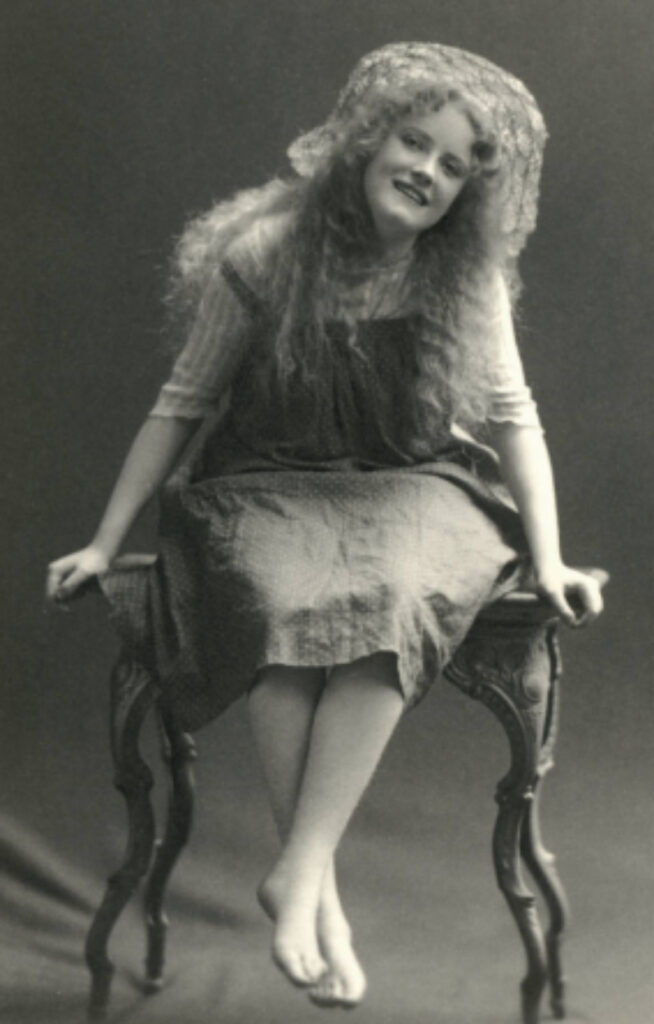
34. Antoinette Perry (1888-1946): It’s true: The namesake of the Tony Awards – Broadway’s version of the Oscars – grew up on East Colfax Avenue, performed on the Historic Elitch Theatre stage at age 11 and attended Denver’s most exclusive prep school (Miss Wolcott’s). Perry, whose family introduced the Christian Science faith to Colorado in 1886, grew up to both star on Broadway and co-found the powerful American Theatre Wing. Over one 14-year stretch, Perry directed 17 Broadway plays, an unprecedented record for a woman. Her crowning achievement was directing Denver playwright Mary Chase’s Pulitzer Prize-winning “Harvey,” which ran for 1,775 performances from 1944-49. She also spearheaded the famous “Stage Door Canteens,” which provided food, hospitality and live entertainment to millions of World War II servicemen. The Tony Awards were conceived as a way for the grieving Broadway community to give Perry a permanent memorial following her sudden heart attack at age 58.
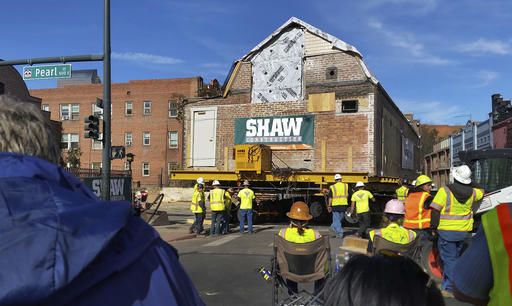
35. Visionary artist Vance Kirkland (1904-81) pioneered an altogether unique, international style of abstract expressionism, famously using a ceiling-suspended sling to hover over his canvases and apply thousands of intricate oil-and-water paint dots. Kirkland moved to Denver in 1929 after receiving a Carnegie Foundation grant to establish the art department at the University of Denver, yanking the state’s aesthetic out of traditional realism and into the avant-garde. His cosmic, textured masterpieces are still celebrated globally today, and his historic, 105-year-old Capitol Hill studio lives on as Denver’s world-class Kirkland Museum of Fine & Decorative Art. You know – the 150-ton structure that, in 2016, was put on wheels and literally rolled down the street to its new home at 1201 Bannock St.
36. Ron Miles (1963-2022) and Bill Frisell (b. 1951), who attended Denver East High School a decade apart, helped transform Colorado into a vital hub of progressive global jazz. Miles (whose high-school jazz teammate was a young alto saxophonist named Don Cheadle) was a brilliant trumpeter, composer and beloved MSU Denver educator. Frisell studied under local legend Dale Bruning, developing an atmospheric, Americana-infused guitar style that redefined modern guitar. The two shared a profound creative synergy across decades, culminating in acclaimed projects like the Denver-centric album “Circuit Rider.” Miles’ sudden death at age 58 from a rare blood disorder devastated the music world. “There was a distinctive loneliness to Miles’ music that was completely belied by his warmth as a person,” longtime Denver jazz journalist Bret Saunders (No. 117) told me at the time.
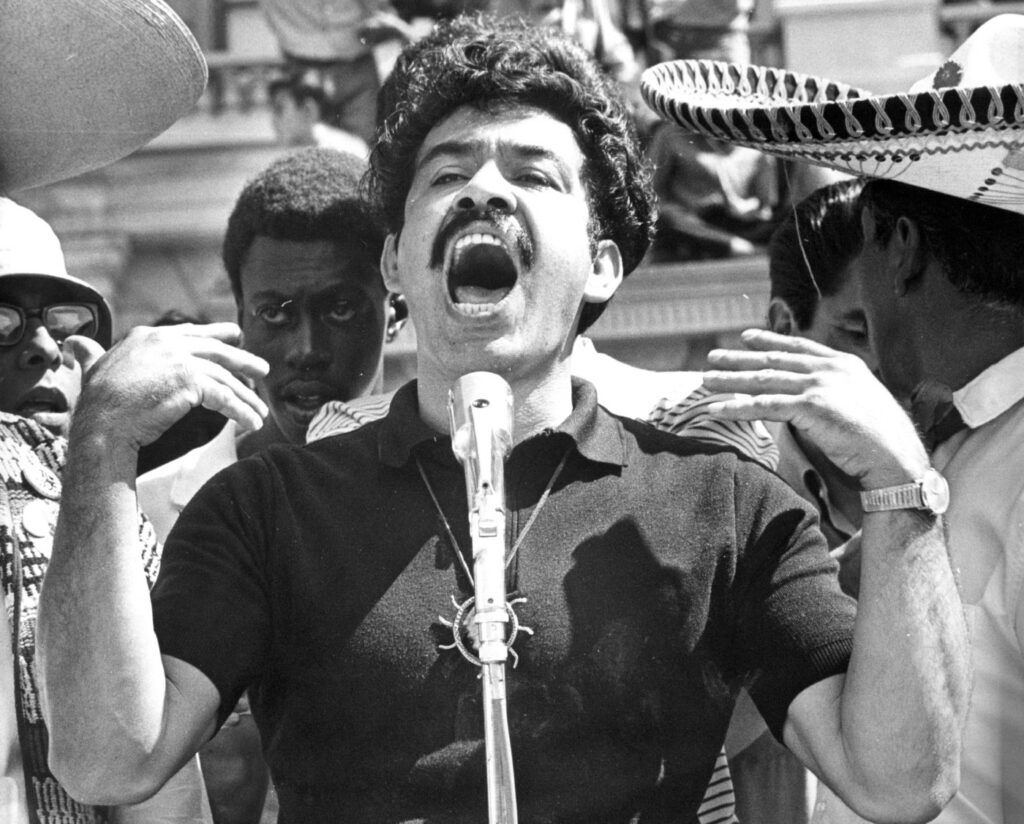
37. Rodolfo ‘Corky’ Gonzales (1928-2005) was a boxer, writer and activist forever known as “the fist” of the Chicano civil-rights movement. For decades, his epic 1967 poem “I Am Joaquín” has served as a proud rallying cry and foundational manifesto that is still read aloud at public demonstrations and taught in schools. Gonzales, who graduated from Manual High School at age 16 but withdrew from the University of Denver because he could not afford the tuition, helped to establish a new genre of politically charged, culturally rooted protest literature. As a boxer, he was ranked as high as No. 3 in the world among featherweights by the National Boxing Association. He channeled that fighting spirit into founding Denver’s Crusade for Justice, a nonprofit focused on poverty, police violence and educational discrimination. The organization eventually disbanded following a 1973 bombing at an apartment building owned by the organization. The Denver Public Library honors Gonzales with a branch in his name at 1498 Irving St.
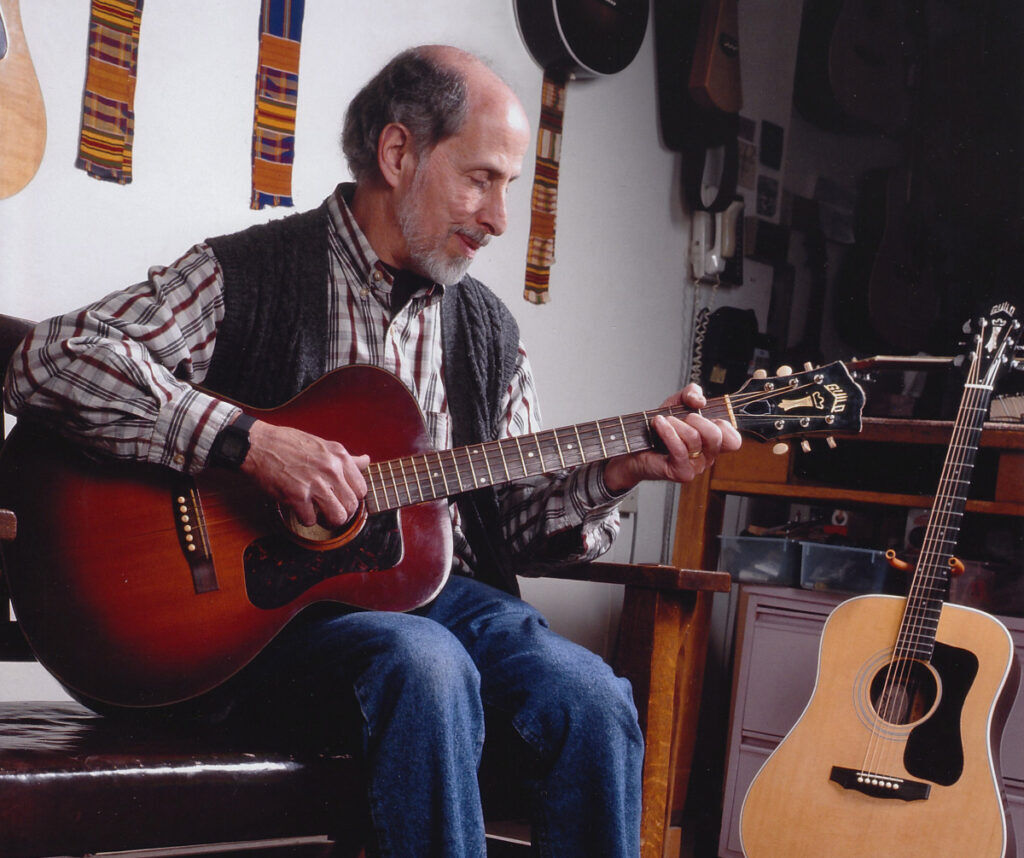
38. Harry Tuft (b. 1935): Colorado’s “Godfather of Folk” single-handedly transformed the state into a hub for acoustic music. Moving to Denver “with just a truck and my life savings,” he has said, Tuft opened the Denver Folklore Center in 1962, building a legendary roster of guitar students and patrons spanning Tommy Bolin (No. 42), Bob Dylan (No. 49) and Otis Taylor (No. 136). In 1979, he co-founded Swallow Hill, a nonprofit that has grown into the nation’s second-largest acoustic music school. Inducted into the Colorado Music Hall of Fame in 2012, Tuft also promoted iconic shows, including a sold-out 1969 Red Rocks concert with Pete Seeger and Arlo Guthrie. Tuft retired in 2016 after 54 years at the helm. CU Boulder’s American Music Research Center now houses his considerable archives. Swallow Hill is hosting a 90th birthday party and concert celebration on Aug. 30.
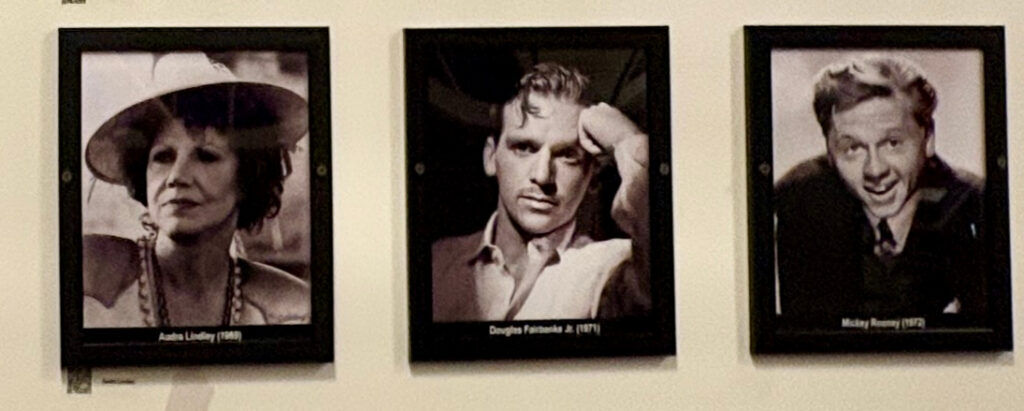
39. Swashbuckling actor Douglas Fairbanks (1883-1939), one of the biggest superstars of the silent film era, was known worldwide as “The King of Hollywood” for his athletic stunts and romantic roles. Fairbanks, a rambunctious kid born Elton Thomas Ullman, was famously expelled from Denver East High School for a St. Patrick’s Day prank involving paint and ribbons (and eventually attended the Colorado School of Mines). As a teen, he ushered at the Broadway Theater and appeared onstage as a teen at the historic Elitch Theatre before moving to New York in 1900. (He returned for the summer of 1906, sharing top billing with Sarah Bernhardt.) Fairbanks carried his wild-child Colorado energy with him to Hollywood, where he starred in classics like “The Mark of Zorro,” “The Three Musketeers” and “Robin Hood.” His marriage to Mary Pickford made them Hollywood’s first power couple. In 1971 and ’73, son Douglas Fairbanks Jr. also played on the Elitch stage.
40. Helen Henderson Chain (1849-92): Imagine a woman in 1877, involuntarily dressed in a long skirt, petticoat and a corset, scrambling up a 14,000-foot mountain peak with art supplies strapped to her back – and you’ve got a good visual of the pioneer who literally founded Denver’s local art economy. Chain arrived with her husband from Indiana in 1871 and opened a bookstore on Larimer Street with an art studio in the back: Denver’s very first art gallery and school. (Side note: One student was Charles Partridge Adams – No. 57 on our list.) In 1891, she co-founded the all-female Le Brun Art Club, which directly evolved into the Denver Art Museum. A dedicated humanitarian, she also ran a language school out of her bookstore for Chinese immigrants. Chain didn’t just paint Colorado’s mountains – she built the cultural infrastructure that allowed future local artists to thrive. She died at only 43 when her steamship capsized during a typhoon in the South China Sea.
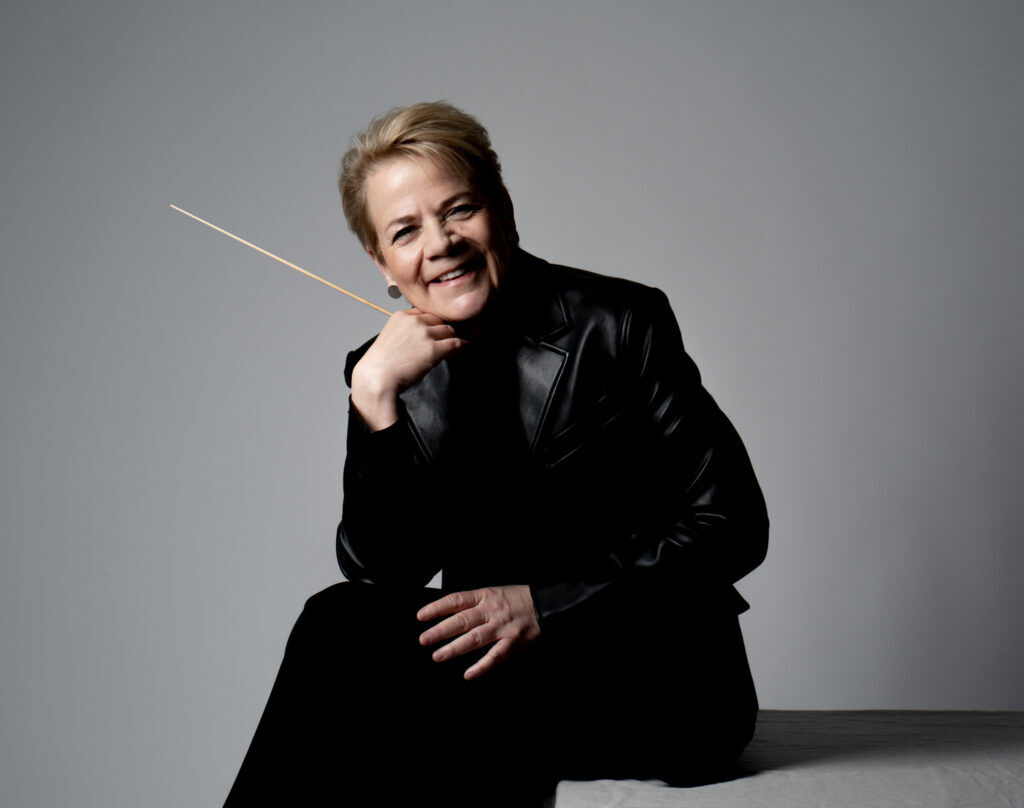
41. Conductor Marin Alsop (b. 1956): When the Colorado Symphony restructured in 1993, it made Alsop the first female music director of a major American orchestra. Her historic 12-year tenure was the launchpad for one of the most significant careers in classical-music history. Alsop transformed the Colorado Symphony by championing living composers and adventurous scores. She commissioned more than two dozen world premieres and took the orchestra on its first European tour in 13 years. Her Denver tenure culminated with her becoming the first conductor to win the prestigious MacArthur Genius Fellowship. She returned to Boettcher Concert Hall for a guest residency in April and guest-conducted the Philadelphia Orchestra at the Bravo! Vail Music Festival just this past Wednesday.
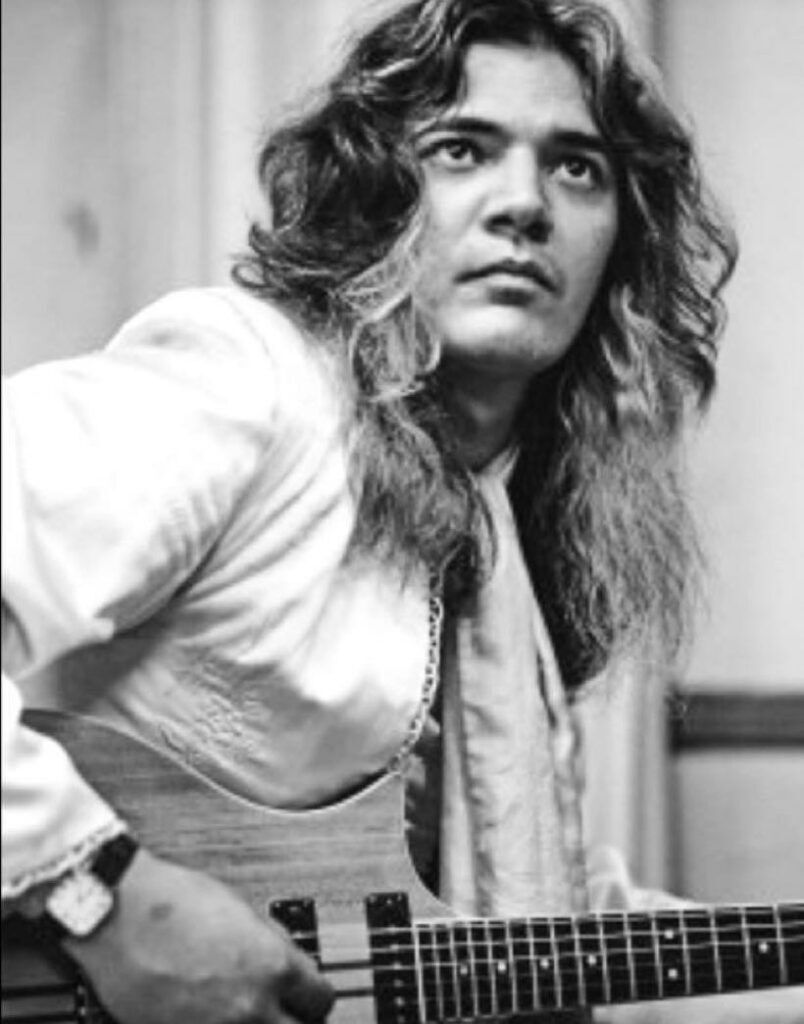
42. Tommy Bolin (1951-76) hitchhiked to Boulder from Sioux City in 1967 at age 16 after being suspended from his Iowa high school for refusing to cut his hair. The teenage prodigy was armed with a blistering style inspired by Jimi Hendrix – and in 1968, he actually got to jam with his hero at Denver’s psychedelic concert hall, The Family Dog. It was a private after-party following Hendrix’s concert at Regis College; multiple eyewitness accounts recall Hendrix playing bass while Bolin, still only 16, played lead guitar. In no time, Bolin established himself as Colorado’s definitive guitar hero, a boundary-pushing prodigy who transformed the local music scene into a hotbed for rock and jazz-fusion. Locally, he founded the psych-blues band Zephyr (1969-71) with vocalist Candy Givens, eventually opening for Led Zeppelin. Their sophomore album, “Going Back to Colorado,” remains a roots-rock classic. Bolin leaped to international stardom by replacing Joe Walsh in the James Gang and Ritchie Blackmore in Deep Purple. In May 1976, he came home for a legendary showcase at the iconic Ebbets Field club. Six months later, Bolin died of a multiple-drug overdose in a Miami hotel, hours after opening for Jeff Beck. He was only 25.
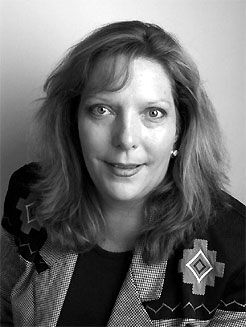
43. Journalist Patty Calhoun (b. 1953): Legend is a word we’ve thrown around like the letter E throughout this project, but how else to describe the co-founder of the alternative newsweekly Westword after nearly 50 years as Denver’s official pesterer (her word)? Calhoun blew into town in 1976 and just one year later, at 24, launched the cool-kid paper known for going where the dailies sometimes dared not go – until, largely because of Calhoun, they had to. Westword has always been known for offering long-form storytelling, attention to local music and holding both elected officials and legacy media accountable. When the global media rightly enveloped the Matthew Shepard murder, Calhoun focused on a brutal domestic homicide no one else was much covering. Calhoun was the first to take cannabis coverage seriously. She encouraged her writers to find their voice and allowed them to accurately quote those who spoke in curse words. Everyone wanted to have a drink with Calhoun, but no one wanted to show up in her pages. She retired July 1 as a fearless, funny and proud anti-authoritarian thorn. There will never be another like her.
44. Before Julia Child and Fred Rogers, Colorado Music Hall of Famer Max Morath (1926-2023) was public television’s first true national star. “Mr. Ragtime” was a virtuoso pianist, composer and TV pioneer widely credited for a national mid-century ragtime revival. Born in Colorado Springs to a silent-film theater pianist, Morath sang in the choir at Colorado Springs (now Palmer) High School and graduated from Colorado College in 1948. At 17, he became a KVOR radio announcer, later spending summers playing piano, acting and directing for musical melodrama companies like the one at the Imperial Hotel’s Gold Bar Room in Cripple Creek. He transitioned to television at local station KKTV, making his national breakthrough in 1959 with “The Ragtime Era,” which he produced for Denver’s KRMA-6 but was distributed nationally by the precursor to PBS. He was now and forever a star.
WATCH A VIDEO OF MAX MORATH HERE
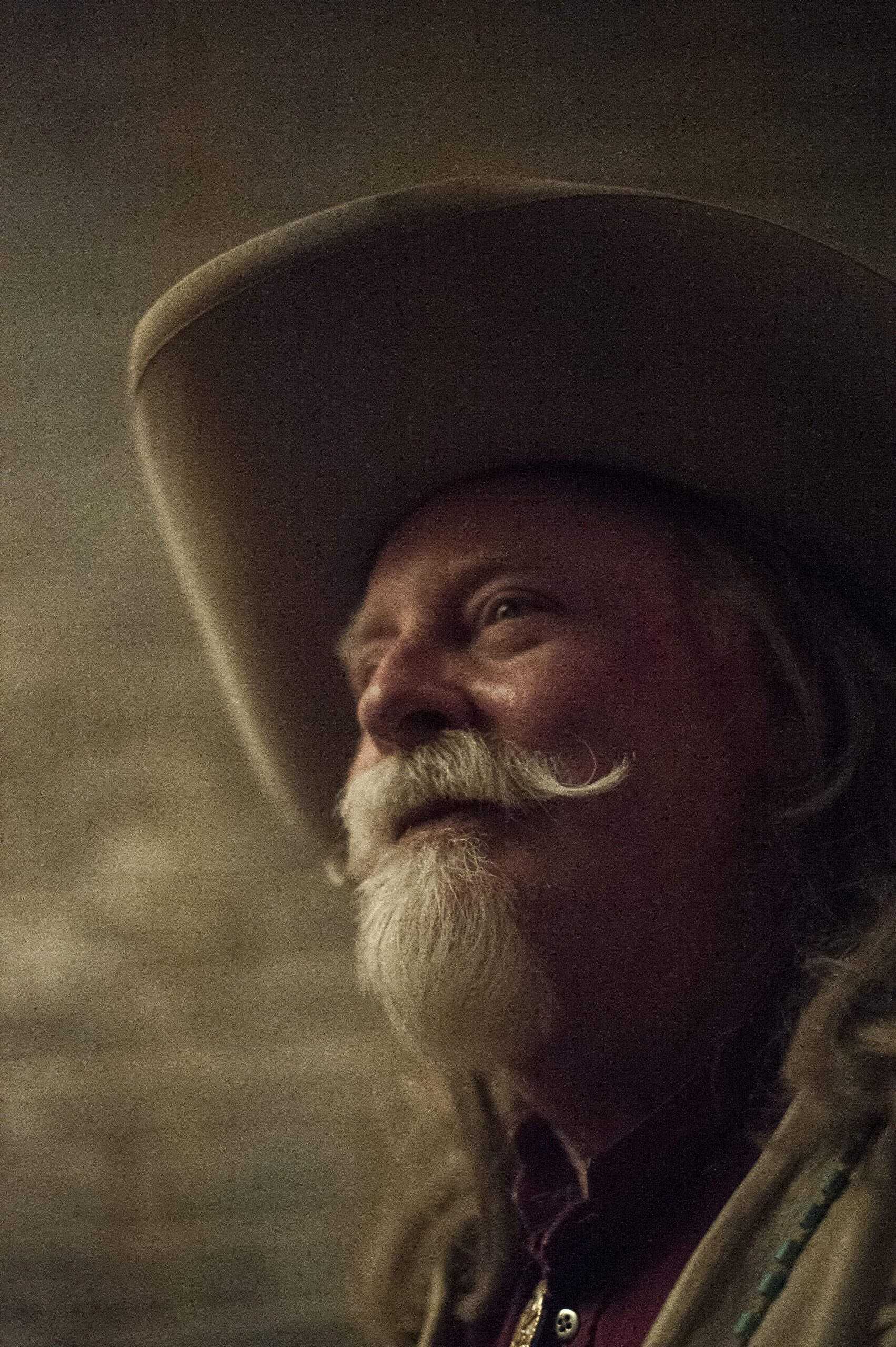
45. William F. ‘Buffalo Bill’ Cody (1846-1917) has something unusual in common with contemporary author Philip K. Dick (No. 131): They never lived here long term, but both have Colorado as their final resting place. Buffalo Bill is deeply woven into Colorado’s frontier mythos and tourism industry. The legendary frontiersman, Army scout and entrepreneur practically created the global myth of the American West through his traveling show, featuring sharpshooter Annie Oakley. Cody first came to Colorado at age 13 to join the 1859 Pikes Peak Gold Rush, leaving (like many) disappointed. He spent his final years broke and in debt to the owners of The Denver Post, who seized his assets and forced him to perform in their lower-quality shows. Cody died of kidney failure on Jan. 10, 1917, while visiting his sister in Denver. His death became his final public show, drawing more than 25,000 people to a parade through Denver’s streets. He is buried atop Lookout Mountain in Golden – maybe. Many in Cody, Wyo. (yes, named after Bill), believe friends secretly swapped his body before the burial. If true, then about a half-million people a year are actually visiting an unlucky anonymous ranch hand – an irony Cody would surely love.

46. Joe Cocker (1944-2014): The singularly raw British blues-rocker’s Colorado story is a classic tale of a wild star ultimately finding peace, sobriety and community in a tiny Western Slope town 150 miles southwest of Denver. After decades of explosive stage performances, severe substance abuse and 14 million album sales, the wizard of Woodstock (and the master of the pop cover) traded the chaos of touring for a quiet, grounded life in Crawford, a tiny town of 400. There, he and his wife built (with a little help from their friends) their cleverly named Mad Dog Ranch estate on 240 acres overlooking the West Elk Mountains. The custom-built, 15,873-square-foot English Tudor-style mansion served as his sanctuary for his final 20 years. And, according to the Colorado Music Experience, Cocker actively embedded himself in local life, shot snooker with neighbors, grew tomatoes in his greenhouse and poured millions back into the local economy.
47. The late, great Townes Van Zandt (1944-97) was a masterful songwriting poet who elevated the struggles of outcasts and drifters into timeless American parables. And he lived in Colorado during two distinct periods of his life: first as a teenager and college student at CU Boulder, and later as a drifting, destitute songwriter. His parents pulled him out of CU in his sophomore year (1964) for fear he was suicidal, leading to rounds of memory-erasing insulin shock therapy in Houston. Van Zandt later lived in extreme isolation and poverty near Telluride, often surviving, he told his biographer, on dog food. His masterwork, “If I Needed You” was popularized by Emmylou Harris and Don Williams and covered anew last month by Marcus Mumford and Sierra Ferrell, appropriately enough, in Boulder. Van Zandt died at just 52. Steve Earle, who long considered Van Zandt the greatest living songwriter, named his son Justin Townes Earle – who died of an overdose in 2020 at age 38.
48. Kelly Bishop (b. 1944): See above.
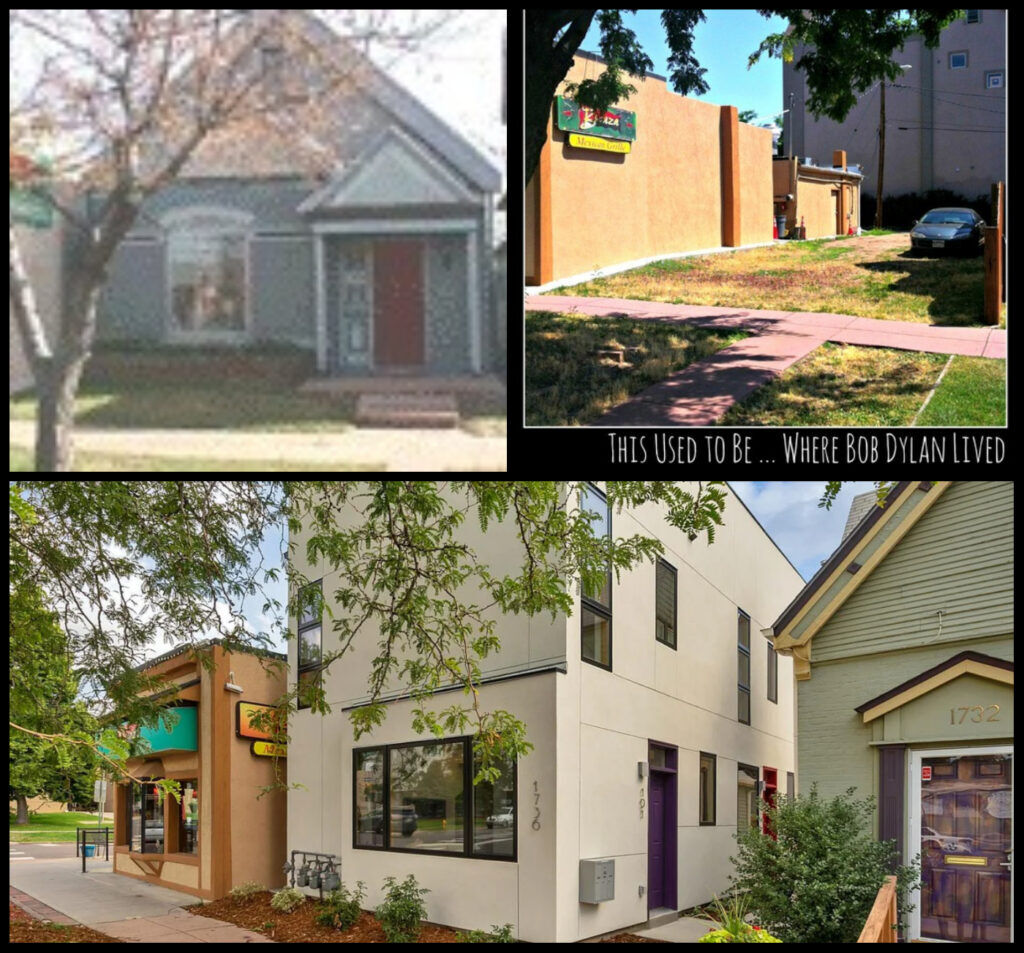
49. You know legendary troubadour Bob Dylan (b. 1941) revolutionized popular music by elevating lyrics to serious poetry. You might not know that in 1960, Dylan lived for a flash in Capitol Hill, took guitar lessons at the Denver Folklore Center (see No. 38) and played gigs in Denver and Central City before heading to New York. Today, if you pass by the Diamond Sky Townhomes – a small, loft-style residential community built in 2018 at 1736 E. 17th Ave. (between Gilpin and Williams streets, next to the Bocaza), you’ll see the small parcel of land where once stood the single-family home Dylan stayed at with Denver pal Walt Conley. Historian Phil Goodstein (No. 54) notes in his book “The Ghosts of Capitol Hill” that Dylan was loosely acquainted with rising star Judy Collins (No. 30) while playing the Satire Lounge on East Colfax, as well as Central City’s Gilded Garter and Exodus Kopper Kart. Goodstein also notes that around 1989, Dylan slipped back into Capitol Hill unannounced after a local concert and walked straight into Wax Trax Records as a customer. Dylan’s time in Colorado was short, but it was formative.
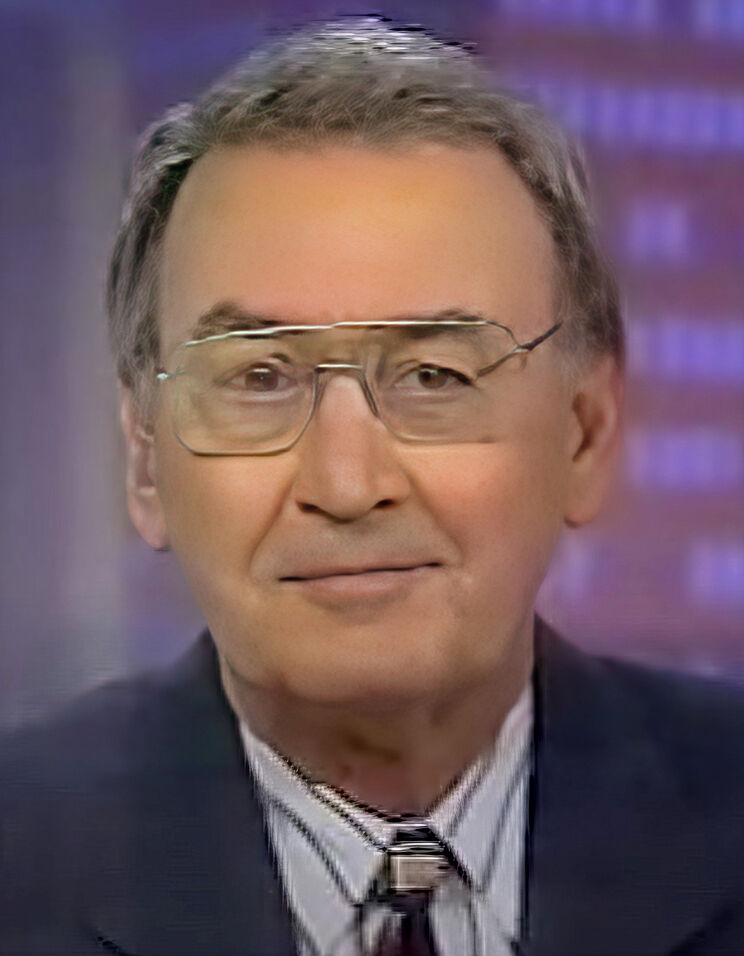
50. Bob Palmer (1931-2008) occupies an untouchable place in Denver TV history as “Mr. Credible” – the definitive voice of authority who anchored the local nightly news from the 1960s through 1997 on Channels 4, 7 and 4 again. Palmer is the rare TV legend to work his entire career in the community where he was born, having attended Denver West and Lafayette high schools before graduating from the University of Colorado. Palmer talked Denverites through nearly every major news story for 40 years. He was the calm and comforting face who announced that 144 people had been killed in the 1976 Big Thompson Canyon Flood, guided viewers through Pope John Paul II’s historic 1993 visit and anchored coverage through innumerable blizzards of the century. Palmer was an unflappable, trustworthy and reassuring broadcaster who famously signed off: “It’s nice to have you with us on News 4.”
Next week: Nos. 1-25.
John Moore is The Gazette’s senior arts journalist. Email him at [email protected].
YOUR TWO CENTS: The Colorado 150 is a curated compilation of 150 seminal Colorado entertainers, writers, performers, artists, architects, creators, builders and cultural tastemakers — people who have left fingerprints on our culture in ways large and small over the past 150 years. We encourage you to send us comments, complaints and your own personal top 10 Colorado names to [email protected].
EDITOR’S NOTE: The Denver Gazette used a variety of research tools to determine, compile and compress the Colorado 150 into these capsule summaries, including newspaper databases, news services, the Denver Public Library, History Colorado and Google, which now integrates AI into its basic functionality.
The list so far:
- READ PART 1: Nos. 126-150
- READ PART 2: Nos. 101-125
- READ PART 3: Nos. 76-100
- READ PART 4: Nos. 51-75
- 51. Chuck Morris and Barry Fey
- 52. James Hetfield, Metallica
- 53. Sugarloaf, Music
- 54. Tom Noel and Phil Goodstein, Historians
- 55. Helen Langworthy, Builder
- 56. Gus Van Sant and Rian Johnson
- 57. Charles Partridge Adams, Artist
- 58. Hal Moore and Charley Martin, Radio
- 59. Amy Adams, Actor
- 60. John Fielder, Photography
- 61. Don Cheadle, Actor
- 62. Jello Biafra, Music
- 63. Marilyn Van Derbur, Author
- 64. Raymond Burr and Tom Bosley, Actors
- 65. Wesley Schultz, Music
- 66. Jeffrey Nickelson, Theater director and actor
- 67. Annaleigh Ashford, Actor
- 68. Antonia Brico, Conductor
- 69. Josh Blue, Comedy
- 70. John Carroll Lynch, Actor
- 71. Big Head Todd and the Monsters, Band
- 72. Bowen Yang, Actor
- 73. John Oates, Music
- 74. Chris Daniels, Music
- 75. Paul Epstein, Twist & Shout
- 76. Woody Paige, Journalist
- 77. William Henry Jackson and Robert Adams, Photographers
- 78. Jenna Bainbridge, Beth Malone and Sierra Boggess, Broadway actors
- 79. Gregory Alan Isakov, Musician
- 80. Kevin Costner, Actor
- 81. Isaac Slade, Musician
- 82. donnie l. Betts, Theater and film
- 83. Leftover Salmon, Band
- 84 Andrea Gibson, Colorado Poet Laureate
- 85. Ralph Edwards, Television
- 86. Michael Martin Murphey, Musician
- 87. Baxter Black, Cowboy Poet
- 88. DeVotchKa, Band
- 89. Frank Welker, Actor
- 90. Pogo Poge (Morgan Branch White), Radio and TV
- 91. Dan Fogelberg, Musician
- 92. Bill Murray, Actor
- 93. Thomas “Detour” Evans, Muralist
- 94. Keri Russell, Actor
- 95. The Astronauts, Band
- 96. Kali Fajardo-Anstine, Author
- 97. Tim Allen, Actor
- 98. India Arie, Music
- 99. Tom Tully, Actor
- 100. Kristin Schaal, Actor
- 101. Ed Dwight, Sculptor
- 102. Bob Martin, Radio
- 103. Firefall, Band
- 104. Cassandra Peterson, Actor
- 105. Melissa Benoist, Actor
- 106. Freddi-Henchi Band
- 107. Carlos Lando, Radio
- 108. Jill Sobule. Musician
- 109. Flobots, Band
- 110. Dave Logan, Radio
- 111. Donovan Marley, Theater
- 112. Mandy Patinkin, Actor
- 113. Hazel Miller, Musician
- 114. Yonder Mountain String Band
- 115. Nick and Helen Forster, Radio
- 116. Mandy Moore, Choreography
- 117. Bret Saunders, Radio
- 118. AnnaSophia Robb, Actor
- 119. The Grawlix: Adam Cayton-Holland, Andrew Orvedahl and Ben Roy, Comedy
- 120. John Edward Williams, Actor
- 121. 3OH!, Music
- 122. Sheryl Lee, Actor
- 123. Peter Heller, Author
- 124. Ken Curtis, Actor
- 125. Kalyn Rose Heffernan, Musician
- 126. Blinky the Clown, TV
- 127. Lowell Thomas, TV
- 128. Maya Lin, Architect
- 129. Gene Amole, TV, radio and newspapers
- 130. String Cheese Incident, Band
- 131. Philip K. Dick, Author
- 132. Tony Garcia, Theater
- 133. Irv Brown, Radio
- 134. Nitty Gritty Dirt Band
- 135. Luis Alfonso Jiménez Jr., Artist
- 136. Otis Taylor, Musician
- 137. Pete Smythe, TV and Radio
- 138. Garrett Ammon and Dawn Fay, Dance
- 139. Illenium, Electronic Music
- 140. Reynelda Muse, TV
- 141. Andrew Novick, Provocateur
- 142. Lynne Taylor-Corbett, Choreographer
- 143. Lonnie Hanzon, Artist
- 144. Thomas Hornsby Ferril, Poet
- 145. Tig Notaro, Comedy
- 146. Ji-young Yoo, Actor
- 147. Pat Milbery, Artist
- 148. Lannie Garrett, Performer
- 149. Sandra Dallas, Author
- 150. Rich Moore and Mollie O’Brien