







COVID-19 cases rise as students return to school in Denver

goodmoments
The COVID-19 virus is starting to rise just as students in the metro Denver area head back to school.
Denver Public Schools (DPS) is one of the last school districts to start with Monday the first day of classes for most campuses.
“We are seeing increases in emergency department visits and the percent positivity, as well,” said Alicia Cronquis, COVID-19 surveillance program manager for the state health department. “We track COVID a bunch of different ways.”
The Colorado Department of Public Health and Environment tracks COVID-19 trends through three streams of data: wastewater, emergency-department visits, and laboratory testing. Because people shed the virus before symptoms, wastewater is an early signal. Partnering with utilities statewide, recent readings — from Colorado Springs to Greeley — show a steady rise in community transmission, officials said.
Visits to the emergency room across the state show COVID-19 illnesses climbing from 0.17% in early June to 0.61% by Aug. 9, state data shows.
Over the same time period, positive lab tests rose from 3.8% to 10.4%.
Hospitalizations — for all the common respiratory diseases: COVID-19, flu and RSV — have remained steady or dipped slightly. Hospital admissions typically lag one-to-two weeks behind emergency room and urgent care visits, as the most severe cases peak later.


FILE – A healthcare worker fills a syringe with the Pfizer COVID-19 vaccine at Jackson Memorial Hospital, Oct. 5, 2021, in Miami. Three years after COVID-19 vaccines became widely available in the United States, Louisiana continues to debate policies related to inoculation mandates, including civil labilities if a work place mandates vaccines or not and a bill that would prohibit schools from requiring students to receive the vaccine. (AP Photo/Lynne Sladky, File)
This comes as more than 85,000 students return to classrooms and other congregate settings — buses, cafeterias, gyms and locker rooms — where respiratory viruses spread easily.
With the exception of COVID-19 (a relatively new disease that has not yet developed a firm pattern), the other respiratory diseases — RSV and the flu — normally behave seasonally. Both RSV and influenza cases usually start up in October and peak in November and December, although the flu can linger into March and April.
RSV is a common respiratory disease that can be serious for the very young and old. About 90% of those hospitalized with RSV were children.
A vaccine is available for all three diseases.
Since October, Colorado has seen nine pediatric deaths, three in each: RSV, flu and COVID-19, state data shows.
“While we aren’t seeing huge numbers in patients coming in with respiratory illnesses, we have seen incremental increases in patients with COVID-19 and anticipate patients experiencing respiratory illness to increase as kids return to school,” Dr. Samuel Dominguez, pediatric infectious disease expert at Children’s Hospital Colorado, told The Denver Gazette.
“Children’s Hospital Colorado encourages all caregivers to learn more about immunizations for flu, RSV and COVID-19 as kids head back to school and ahead of the respiratory season.”

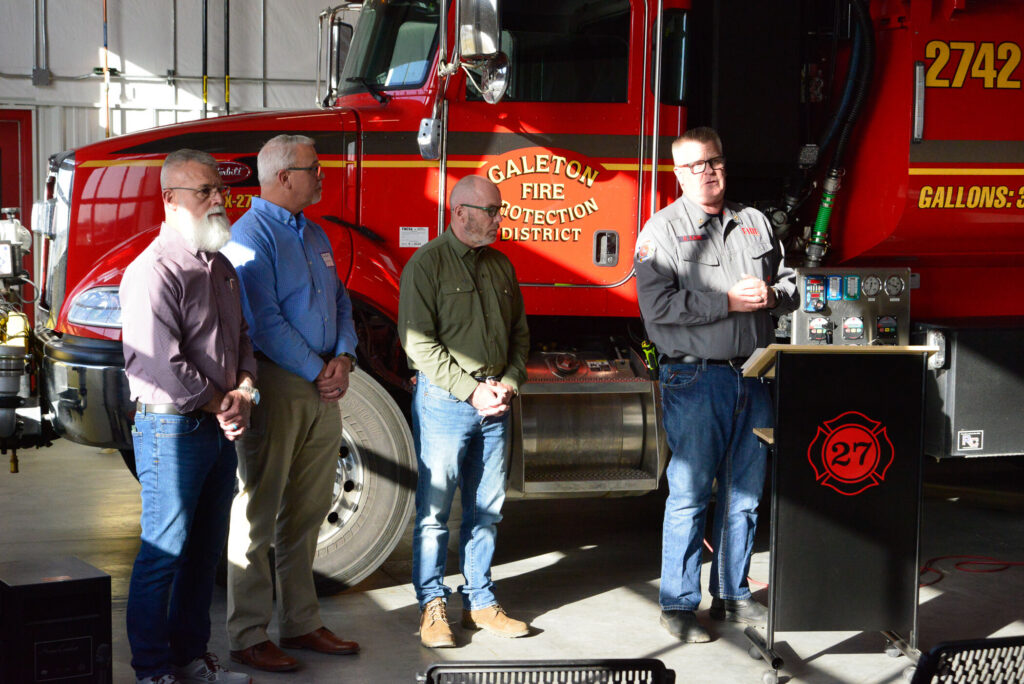
Chevron faces $1.75 million proposed penalty for Galeton Well blowout
Scott Weiser
scott-weiser@denvergazette.com
Updated 3 hours ago
The Colorado Energy and Carbon Management Commission proposed a $1.75 million penalty against Chevron for a well blowout last year at the Bishop A07-01 pad near Galeton. The cleanup could take four more years. The 2025 blowout sent contaminated fluids...

Scott Weiser
Reporter

Live Well: Fall back in love with your ticker this month
Jennifer Mulson
jennifer-mulson@denvergazette.com
Updated 14 hours ago
Well, well, well, you thought you were going to get away without me mentioning your heart health this month, didn’t you? I don’t mean to be a downer, but the stats are sobering. According to the Centers for Disease Control...

Jennifer Mulson
Reporter

Colorado Medicaid probe uncovers millions of dollars in alleged transport fraud ring
Nicole C. Brambila nico.brambila@denvergazette.com
nico.brambila@denvergazette.com
Updated 14 hours ago
Colorado Medicaid officials detected $25 million in abnormal billing over just four months two years ago — a surge that prompted a new state law and the suspension of dozens of providers in what authorities now describe as an organized...

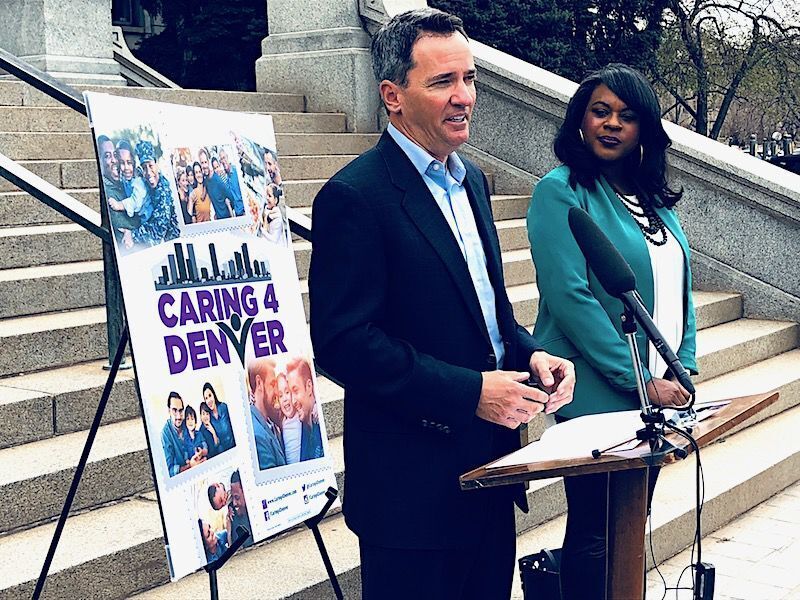
Audit finds Caring for Denver Foundation misused taxpayer funds
Michael Braithwaite
michael.braithwaite@gazette.com
Updated 5 days ago
An audit of a nonprofit contracted by Denver to manage a fund intended for social services found the organization misused taxpayer dollars. The Caring for Denver Foundation, under a contract by the Denver Department of Public Health and Environment (DDPHE),...

Michael Braithwaite
Reporter

Colorado Medicaid spending doubled over the past decade, study finds
Nicole C. Brambila nico.brambila@denvergazette.com
nico.brambila@denvergazette.com
Updated 4 days ago
Spending by Colorado’s Department of Health Care Policy and Financing reached $16 billion in 2025 — a 101% increase from 2015 — while Medicaid enrollment has returned to nearly its 2015 level, according to an analysis by a think tank....

Doctors increasingly see AI scribes in a positive light, but hiccups persist
Michelle Andrews
michelle-andrews@gazette.com
Updated 7 days ago
Michelle AndrewsKFF Health News When Jeannine Urban went in for a checkup in November, she had her doctor’s full attention. Instead of typing on her computer keyboard during the exam, Urban’s primary care physician at Penn Internal Medicine practice in...

Michelle Andrews
Reporter

Colorado lawmakers target ‘ghost networks’ to expand access to mental health care
Marissa Ventrelli
marissa-ventrelli@denvergazette.com
Updated 2 weeks ago
A few years ago, the U.S. Senate Committee on Finance conducted a “secret shopper” survey on health insurance plans across six states, including Colorado. Of the 120 providers called, one-third were either inaccurately listed in the carrier database, out of...

Marissa Ventrelli
Reporter
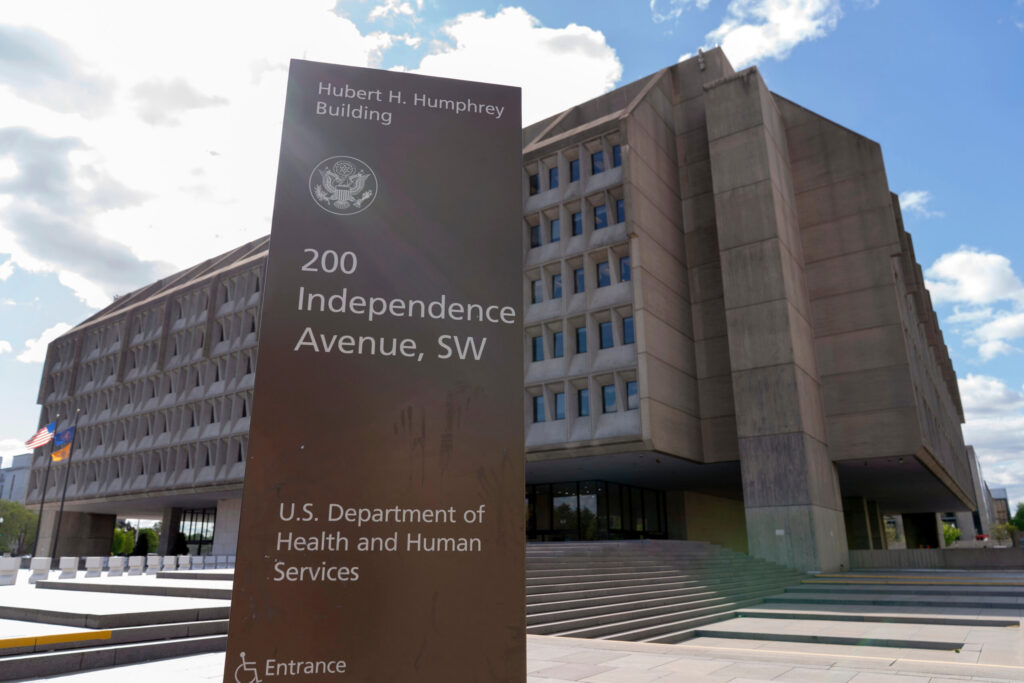
Trump administration plans to hold back grant money from Colorado, 3 other states
Thelma Grimes
thelma.grimes@coloradopolitics.com
Updated 2 weeks ago
The Trump’s administration is planning to withhold some public health and transportation money from a group of Democratic-led states, including Colorado. The other states are California, Illinois and Minnesota. Full details have not been released, including whether the states could...

Thelma Grimes
Reporter
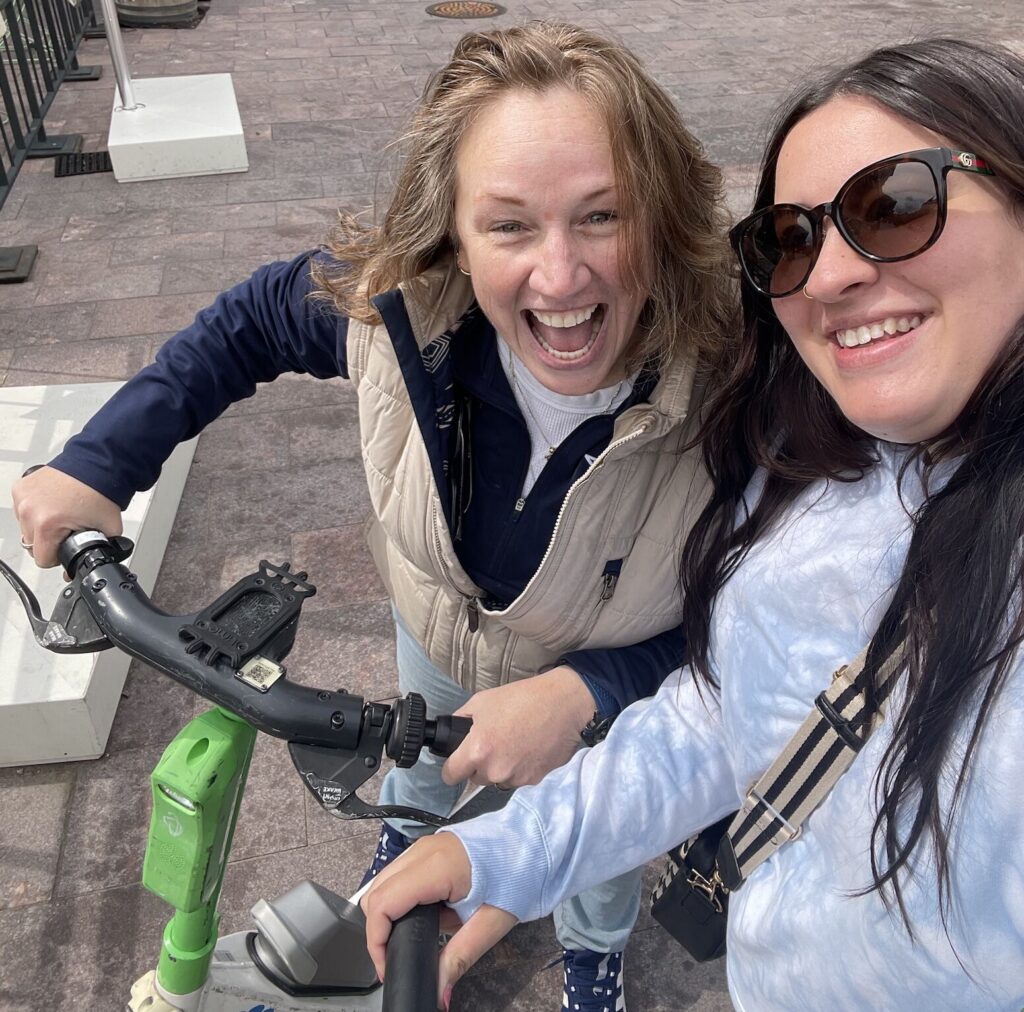
Denver Gazette reporter injured in scooter crash examines Denver’s e-scooter safety
Nicole C. Brambila nico.brambila@denvergazette.com
nico.brambila@denvergazette.com
Updated 2 weeks ago
My last scooter ride was my last. It ended the way far too many electric scooter rides in Denver do — in the hospital. On New Year’s Eve — while much of the city was toasting with champagne or watching...

Colorado budget writers put Medicaid caregiver pay cuts on hold
Marissa Ventrelli
marissa-ventrelli@denvergazette.com
Updated 2 weeks ago
The Colorado General Assembly’s budget decision-makers have put proposed pay cuts on hold for people who care for a family member with a disability who receives Medicaid. The Joint Budget Committee made the decision after hours of testimony from family...
Marissa Ventrelli
Reporter