







Denver in ‘existential fight’ for downtown’s soul, mayor says
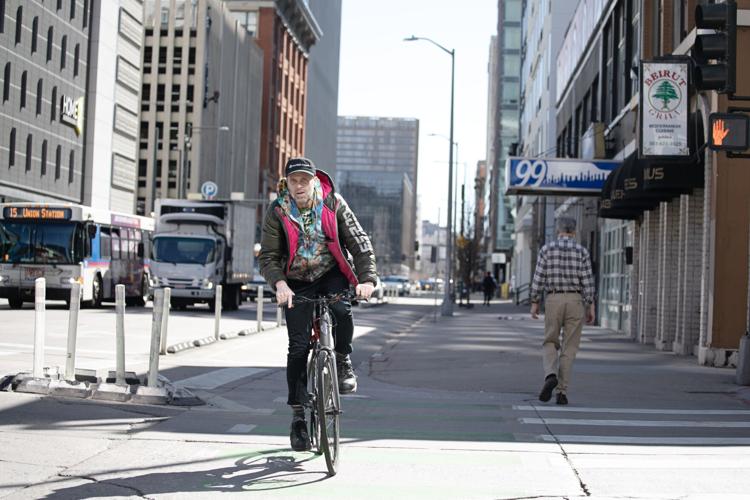
A cyclist rides his bicycle at the intersection of 15th and Champa streets in Denver's central business district on Thursday, Feb. 29, 2024. Mayor Mike Johnston wants to turn downtown into the "Central Neighborhood District" with more affordable housing.
Tom Hellauer/Denver Gazette
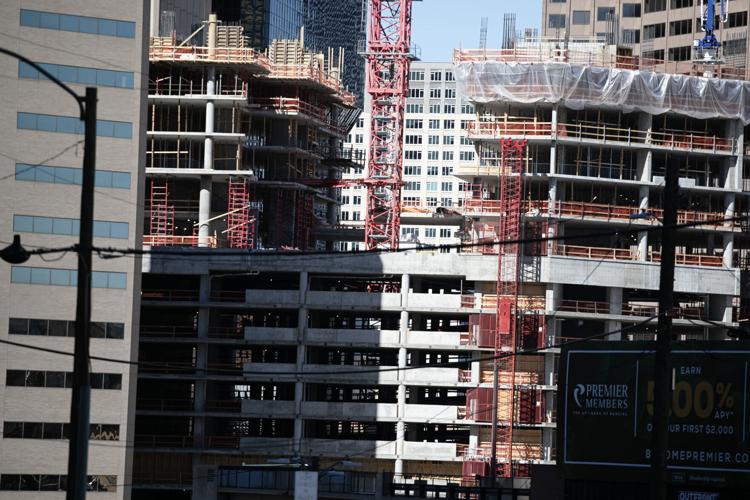
One of Mayor Mike Johnston’s primary goals for 2024 is to revive downtown Denver as the economic heart of the city after the pandemic hit downtowns nationwide.
Nearly a third of offices downtown sit empty, many employees who used to work there still work remotely and some companies are moving into Cherry Creek instead.
Johnston has pushed to transform the Central Business District into a “Central Neighborhood District,” where people live, work and play — not just work.
In the next 18 months, the city has an “existential fight for the soul of downtown Denver to make sure we get back as the economic engine, not just for the city and the state, but really for the region,” Johnston said Wednesday.
Johnston gave an unofficial “state of the city” address at the annual University of Colorado Real Estate Forum at the Denver Performing Arts Center’s Seawall Ballroom. He told real estate professionals there’s a lot of change coming to the city and urged them to not miss out.
The mayor outlined several steps toward getting downtown back on its feet from improving safety, closing homeless encampments, speeding up permitting and converting struggling office buildings into housing.
Denver has pushed more than 1,300 homeless people from encampments across downtown into “transitional housing” such as tiny homes or converted hotels. Johnston told developers who have avoided downtown that a lot has changed in six months and it’s become harder to find tents in the area.
Johnston previously said addressing Denver’s homeless crisis is a crucial step towards more vibrancy in the city.
A key part of becoming a “Central Neighborhood District” is bringing in housing at an affordable price point, not luxury units, Johnston said.
It will be costly though, he added.
The city found 16 downtown office buildings suitable for converting into residential, according to a study published last year. With all those buildings, the study found downtown would have more than 5,000 units of housing. The mayor said his office is working on a pilot program to create sustainable incentives to make it easier for developers to convert offices to housing.
Downtown office vacancy rates went up to decade-highs after the pandemic forced employees to stop going into the office. A large number haven’t come back, even when the pandemic eased.
While companies can mandate workers to return to the office, many aren’t in a position to as the labor market is still tight, said real estate consultant John Burns. They risk losing workers to competitors who are more flexible.
“Work from home is a thing,” Burns said. ”That’s not going away unless you can figure out a way to get to 12% to 13% unemployment and strip high speed internet out of people’s houses.”
Downtown needs more people living in it if it’s going to make a comeback, Burns said.
“If people are living downtown here, they’re gonna work downtown,” he added.
Having housing will also help local businesses struggling with the demographic shift, Burns said, as retailers are performing better closer to housing than in downtowns.
Local developer Confluent Development sees Denver’s office market as stabilizing, said Celeste Tanner, chief development officer.
“Office is not dead,” Tanner said. “The rumors of their death are greatly overstated.”
There’s still many opportunities for offices to be strong performers in this high-vacancy market, Tanner said. The best ones have daylight, outdoor space, restaurants nearby and are places workers want to be in.
The problem is downtown has many aging buildings from the 1970-80s that lack some of the attributes workers today like, Tanner said.
“There’s going to be some tough decisions that have to be made,” she said.
The mayor emphasized to the real estate community that redefining the soul of downtown Denver will require a generational investment through a partnership between the government and private companies — and that the narrative is showing signs of changing.
“This is the moment that you should tell people about that,” Johnston said. “Because we are going to do everything we can to build an environment that’s going to be vibrant … But we need people to know and to come back.”
Denver Gazette reporter Noah Festenstein contributed to this report.

Is this the worst ski season for the Rockies? Vail Resorts CEO says it’s been worse than 2012
Bernadette Berdychowski
bernadette.berdychowski@denvergazette.com
Updated 7 hours ago
Vail Resorts has affirmed what many in Colorado’s mountain communities have felt over the last few months: This ski season has been rough. It has been the “most difficult weather environment in the Rockies we have ever seen,” said Robert...
Bernadette Berdychowski
Reporter

As Denver’s Alterra Mountain Co. CEO exits, committee will temporarily take over
Bernadette Berdychowski
bernadette.berdychowski@denvergazette.com
Updated 15 hours ago
A leadership shift is underway at Alterra Mountain Co., the Denver-based ski resort company behind the Ikon Pass announced Tuesday evening. Alterra’s CEO Jared Smith will step down at the end of the season and a new committee will temporarily...
Bernadette Berdychowski
Reporter
Chris Wright’s erroneous X post sends oil prices on rollercoaster ride
Tribune Content Agency
tribune-content-agency@gazette.com
Updated 18 hours ago
WASHINGTON — Energy markets whipsawed for a second consecutive day as investors raced to interpret rapidly shifting comments from the Trump administration over the war in Iran. Oil prices plummeted after Energy Secretary Chris Wright erroneously posted — and then...

Tribune Content Agency
Reporter

Department of Agriculture warns of packages holding potentially invasive seeds
Michael Braithwaite
michael.braithwaite@gazette.com
Updated 8 hours ago
Spring planting is around the corner, and the Colorado Department of Agriculture wants residents to know where their seeds are coming from. Officials with the department warned Tuesday that they received reports of unsolicited packages containing plant seeds mailed internationally...

Michael Braithwaite
Reporter

U.S. energy secretary warns Colorado’s energy policies could drive up prices, deter businesses
Scott Weiser
scott.weiser@gazette.com
Updated 12 hours ago
U.S. Energy Secretary Chris Wright on Monday warned that Colorado’s energy policies could lead to higher electricity prices and deter businesses, such as data centers, from locating in the state. Wright, a former executive of a Colorado-based energy company tapped...

Scott Weiser
Reporter

Metro Moves: Coworking office with golf simulators will expand
Bernadette Berdychowski
bernadette.berdychowski@denvergazette.com
Updated 2 days ago
Welcome to the Denver Gazette’s Metro Moves. You’ll get the latest metro Denver openings, closings, hiring and promotion news here. To submit your company’s news, drop an email to bernadette.berdychowski@denvergazette.com. DTC OFFICE WITH INDOOR GOLF ANNOUNCES TWO MAJOR EXPANSIONS The Clubhouse...
Bernadette Berdychowski
Reporter
Aurora lawmakers cast final vote to adopt tobacco, psychoactive substance retail license
Kyla Pearce
kyla-pearce@denvergazette.com
Updated 18 hours ago
Aurora City Council members cast a final vote Monday creating a retail license that limits and imposes certain restrictions on businesses that sell tobacco and other age-restricted psychoactive products. The intent of the license is to prevent youth access to...

Kyla Pearce
Reporter
Denver food businesses can get help with composting
Deborah Grigsby
deborah.smith@denvergazette.com
Updated 18 hours ago
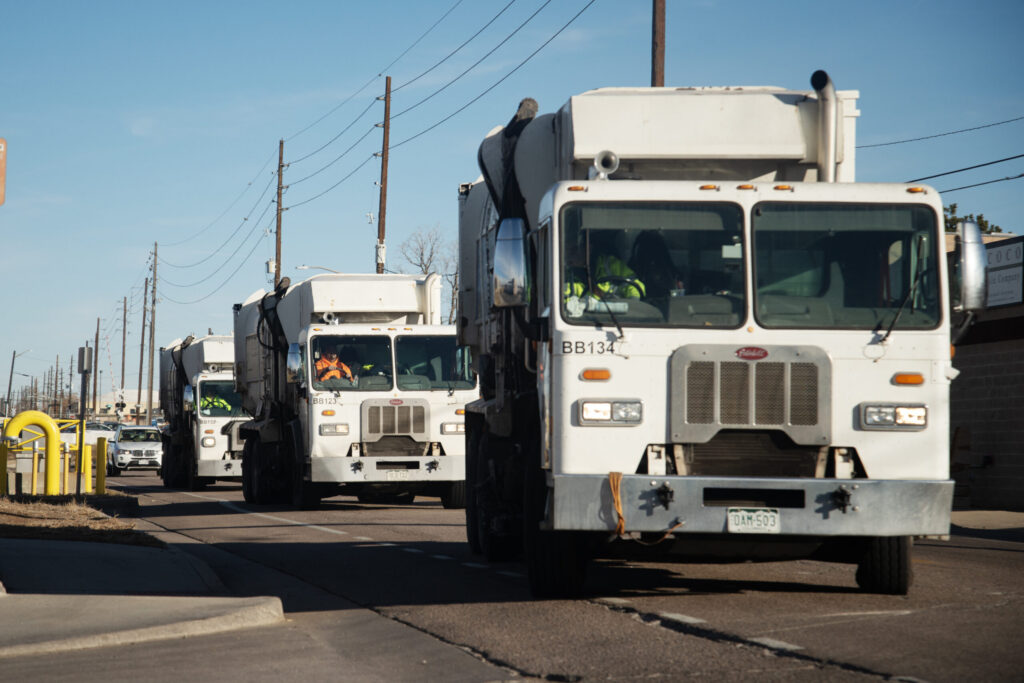
New incentives, ranging from technical assistance to financial support, are now available to help Denver food service businesses comply with the city’s “Waste No More” universal recycling and composting requirements. The program, announced Monday, is part of the Office of...

Deborah Grigsby
Reporter
JBS beef plant workers in Greeley to strike next week, union said
Matt Kyle
matt.kyle@denvergazette.com
Updated 18 hours ago
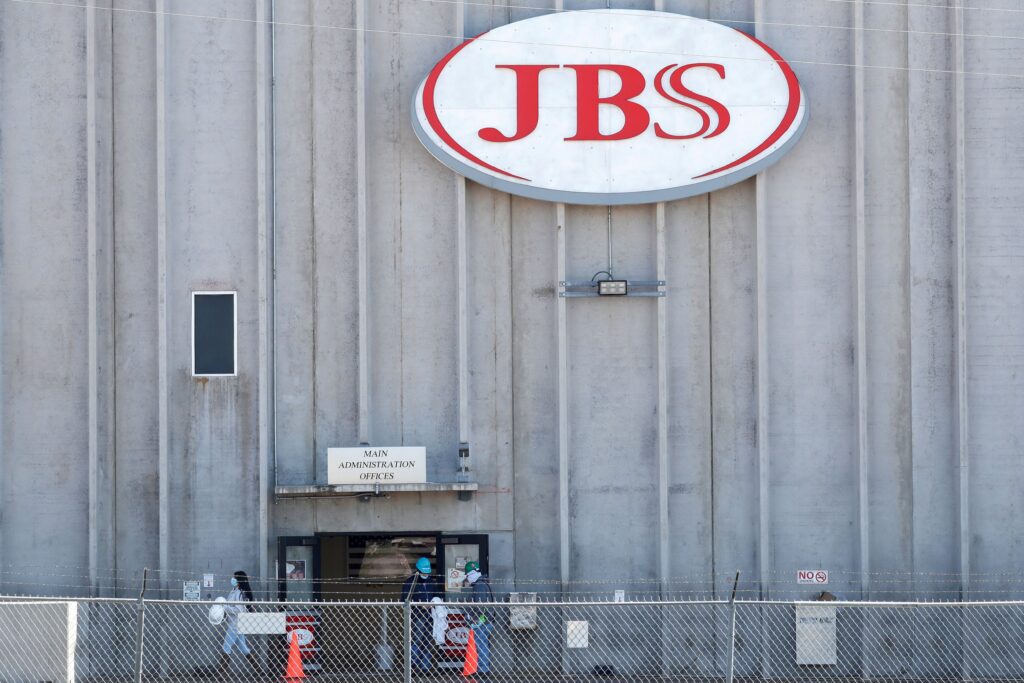
Around 3,800 union workers at the JBS-owned Swift Beef plant in Greeley plan to strike next week after failing to reach an agreement on a new contract with the meat processing giant. The strike is scheduled begin at 5:30 a.m....

Matt Kyle
Reporter
The Capital Grille steakhouse opens Lone Tree location
Maren Prince
maren.prince@denvergazette.com
Updated 2 days ago
Reservations are live at The Capital Grille in Lone Tree, the steakhouse’s second Colorado location. The fine-dining restaurant will open March 15 at 9067 Westview Road near the Park Meadows Retail Resort, according to a news release. It will replace...

Maren Prince
Reporter
PREV
PREVIOUS
Xcel warns 200,000 customers of possible power cuts due to wind
Xcel Energy took the unprecedented step on Saturday of notifying some 200,000 customers, mostly in the metro Denver area, that if high winds blew down or shorted powerlines, restoration of service might be delayed. In a statement to The Denver Gazette, Xcel spokesperson Michelle Aguayo said Monday that the power company’s precautionary actions were not […]

DUI enforcement surge planned for Summit, Clear Creek counties
Thirty-three fatal crashes and 180 crashes with serious injuries in the last five years along the I-70 corridor through Summit and Clear Creek counties has led to the Colorado State Patrol conducting saturation patrols on Saturday. According to a news release, the operation will include the I-70 corridor and major roads in the area. Most […]