





‘Hamnet’ a deeply sad, utterly beautiful Shakespearean story

Enveloped in soft green, the forest holds Agnes (Jessie Buckley) with the comfort and safety of a womb. Curled up in a centuries-old tree root, she is cradled by the lineage of her mother and the mothers before her, who walked out of the forest knowing of plants and dirt and animals. When she strides out of the woods in her red dress, a powerful hawk on her arm, a young tutor peering out of an attic classroom window is struck dumb at the sight of her. A man of words and letters, William (Paul Mescal) doesn’t quite know what to say.
This William, you’ve heard his words before. He is William Shakespeare, and in Chloé Zhao’s “Hamnet,” which she adapted from the award-winning 2020 novel with author Maggie O’Farrell, she posits an idea: what if William Shakespeare was a hunk? Not just a hunk but one of Mescal’s quality: brooding, brutish, intense, impulsive, sexy.
The pair doesn’t waste any time: they kiss before they know each other’s names; he paces anxious circles while proposing to her; they celebrate their promise atop a table covered with apples. Zhao roots ink-stained intellectual William and his wild, witchy wife, Agnes, in all of their earthy, embodied sensuality, born of cool moss and moist caves, a warmed hearth and a home they are determined to fill with laughter, not pain. Then their story takes flight, to other planes of existence beyond their control, like a hawk circling the sky, so close but so far away.
About the title: a quote at the beginning tells us that “Hamnet” is the same name as “Hamlet,” an interchangeable spelling of the era. Hamnet was the real son of William Shakespeare, the twin brother of Judith. Not much is known about him, except that he died as a boy. O’Farrell’s novel, and Zhao’s film, imagines the emotional life of Agnes and William before and after his death, before they are unimaginably broken, and after, and how Shakespeare transmuted his grief into his masterpiece, “Hamlet.”
If “Hamlet” is Shakespeare’s, “Hamnet” belongs to Agnes — and to Buckley, assuredly, fierce and full of love. Even though we know what’s coming, we still hope against hope that it won’t happen that way. Agnes sees, psychically, that she will have two children at her deathbed, even though she gives birth to three, and Hamnet has a face like a ray of sunshine, chubby-cheeked and golden, played by the wondrous young actor Jacobi Jupe. He is smart and playful, the planet around which his family orbits. When his father asks him to be brave, he fulfills that promise, tragically.
Agnes, so present in nature, her home, with her children, and with the unpredictable rhythms and rhyme of life and death, is filled with rage and resentment as Will retreats back to London to work. When she’s handed a notice for his new tragedy, “Hamlet,” she is rattled, almost panic-stricken. What she discovers on the stage of the Globe Theatre, embodied by a young main in painted yellow hair (Noah Jupe, Jacobi’s older brother), is a parable that reckons with death and grief, the ghost of a father played by her husband in white grease paint. With “Hamlet,” they manage to see each other’s pain, to know it.
And so, like many films this year, “Hamnet” is about the cathartic power of art; as a portal to emotion, as a way to say the things that can’t be said, sincerely, face-to-face, and Zhao conveys that with an unapologetically earnest and stripped-bare emotion — guileless, unafraid.
There are a few leading moments where Zhao slightly overplays it, filling gaps that don’t need filling. As William, grief-stricken, intones the words, “to be or not to be,” like a suicide note instead of philosophical inquiry, it’s a bit overwrought.
It’s when Zhao keeps it simple that “Hamnet” shines: in a hand extended, a gaze met. The film is deeply sad, devastating and utterly beautiful in what it conveys about what it means to love someone so much that their absence can crack the world. Art can’t repair that, but it can say what cannot be said, to cleanse the soul with tears.
Movie details: Rated PG-13 for thematic content, some strong sexuality and partial nudity; 125 minutes. Grade: A-


Netflix announces ‘Elway’ documentary streaming date
Stephen Barr
stephen.barr@gazette.com
Updated 23 minutes ago
The intensely personal, high-profile Netflix documentary examining the legacy of former Denver Broncos quarterback John Elway will be released Dec. 22, the streaming service announced Thursday. The documentary covers Elway’s career as a college and professional football player, including his...

Stephen Barr
Reporter

Denver area events for Dec. 4
Carlotta Olson
carlotta-olson@denvergazette.com
Updated 1 day ago
If you have an event taking place in the Denver area, email information to carlotta.olson@gazette.com at least two weeks in advance. All events are listed in the calendar on space availability. Thursday Waterparks — With Heart Attack Man, Winona Fighter, 7 p.m.,...

Carlotta Olson
Reporter

Weekend things to do around Denver and Beyond: Parade of Lights downtown and more
Linda Navarro
linda-navarro@denvergazette.com
Updated 1 day ago
Each Thursday, explore Denver’s essential weekend events curated by The Denver Gazette. Dive into cultural experiences and entertainment delights across the city. Whether you enjoy art galleries, pottery, or outdoor sports, there’s something for everyone in Denver’s vibrant cultural scene....

Linda Navarro
Reporter

The next Nickelson? Your new white knight just might be a Black Cowboy
John Moore
john.moore@denvergazette.com
Updated 5 hours ago
2025 DENVER GAZETTE TRUE WEST AWARDS: DAY 4 The founder of Emancipation Theatre ‘is a prophet,’ says Denver blues legend Erica Brown I asked “the” Erica Brown how she would introduce formidable independent Denver theater practitioner Jeff Campbell to a...

John Moore
Reporter

Denver area events for Dec. 3
Carlotta Olson
carlotta-olson@denvergazette.com
Updated 2 days ago
If you have an event taking place in the Denver area, email information to carlotta.olson@gazette.com at least two weeks in advance. All events are listed in the calendar on space availability. Wednesday The Broadway Hollywood Holiday Songbook — 2 and 7:30 p.m.,...
Carlotta Olson
Reporter
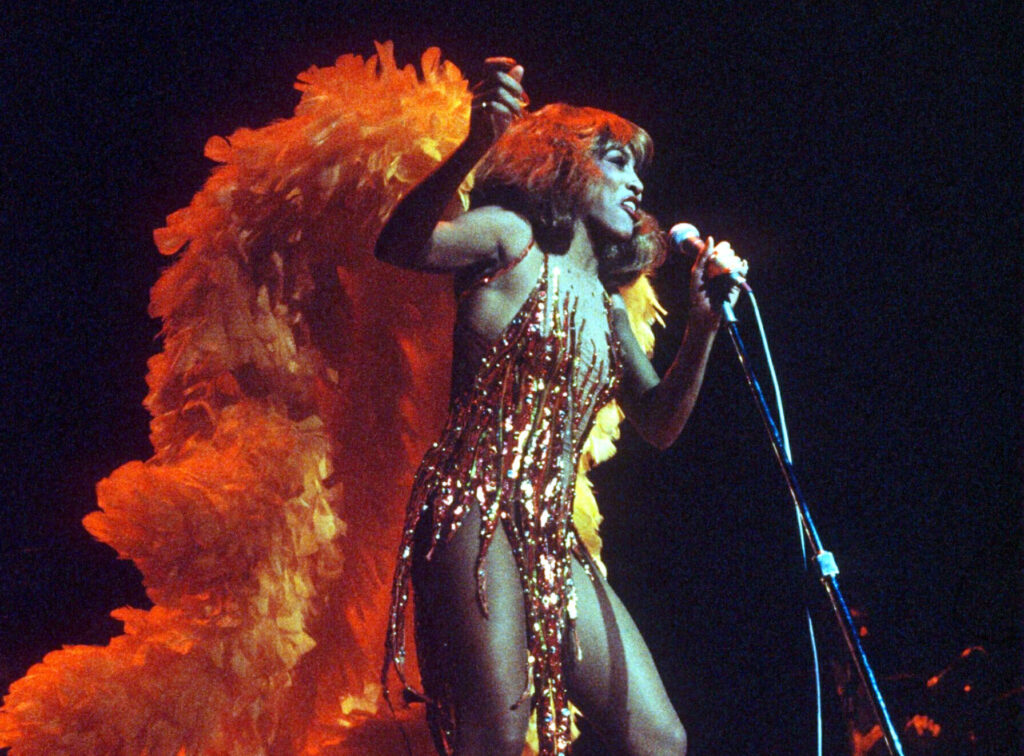
The DIVAs are coming to the Denver Art Museum, an exclusive fashion exhibit featuring celebrity red carpet looks
Emily Bejarano
emily-bejarano@gazette.com
Updated 35 minutes ago
Highlighting looks from more than 100 icons from powerhouses like Lady Gaga, Rihanna, RuPaul, Prince and Tina Turner Strike a pose. The stage is set for Denver in 2026. The Denver Art Museum is debuting an iconic fashion experience coming...

Emily Bejarano
Reporter

Storytelling less than magical in fantastical ‘100 Nights of Hero’
Katie Walsh, Tribune News Service
katie-walsh@gazette.com
Updated 2 hours ago
“Are you ready? Then we shall begin.” This narration, over an image of three moons hanging in the sky, begins Julia Jackman’s “100 Nights of Hero,” which she adapted from Isabel Greenberg’s 2016 graphic novel and directed. It signifies that...
Katie Walsh, Tribune News Service
Reporter

Mission possible: Phamaly alumni made national impact in ’25
John Moore
john.moore@denvergazette.com
Updated 1 day ago
2025 DENVER GAZETTE TRUE WEST AWARDS: DAY 3 From film to Broadway, Denver disability artists ‘are living proof that anything is possible’ When five students created Denver’s first disability theater company back in 1989, it was to create performance opportunities...
John Moore
Reporter

2025 Holiday Events in and around Denver
Carlotta Olson
carlotta-olson@denvergazette.com
Updated 2 days ago
MUSIC Through Dec. 20: Strolling Holiday Carolers — Weekends, The Shops at Northfield, 8340 Northfield Blvd., Denver; shopsatnorthfield.com/events. Dec. 2: Christmas with the Celts — 7:30 p.m., Paramount Theatre, 1621 Glenarm Place, Denver, $41 and up. Tickets: ticketmaster.com. Dec. 3: Jake...
Carlotta Olson
Reporter
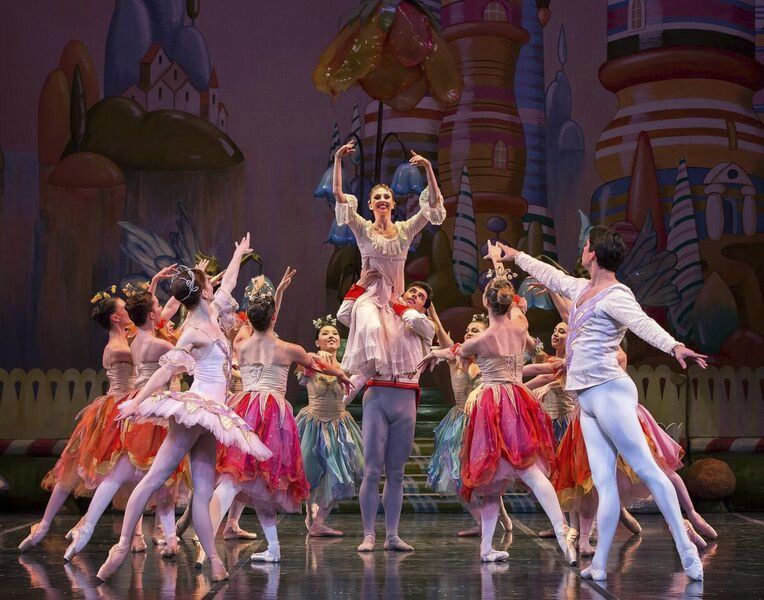
Denver Broncos to guest star in Colorado Ballet’s ‘The Nutcracker’ again this year
Daniel Boniface
dan.boniface@denvergazette.com
Updated 2 days ago
There’s a rare opportunity to see the Denver Broncos perform next Thursday night. And no, it’s not Thursday Night Football. The Colorado Ballet on Tuesday announced its Dec. 11 performance of “The Nutcracker” at the Ellie Caulkins Opera House will...

Daniel Boniface
Reporter
PREV
PREVIOUS

Mission possible: Phamaly alumni made national impact in '25
2025 DENVER GAZETTE TRUE WEST AWARDS: DAY 3 From film to Broadway, Denver disability artists ‘are living proof that anything is possible’ When five students created Denver’s first disability theater company back in 1989, it was to create performance opportunities they were never going to get at a dumping ground first called – I kid you […]

Storytelling less than magical in fantastical '100 Nights of Hero'
“Are you ready? Then we shall begin.” This narration, over an image of three moons hanging in the sky, begins Julia Jackman’s “100 Nights of Hero,” which she adapted from Isabel Greenberg’s 2016 graphic novel and directed. It signifies that we’re in for a level of heightened, self-reflective fantasy storytelling, and in fact, the revolutionary […]