Denver Broncos’ acclaimed 1975 draft class produced stars on and off the field
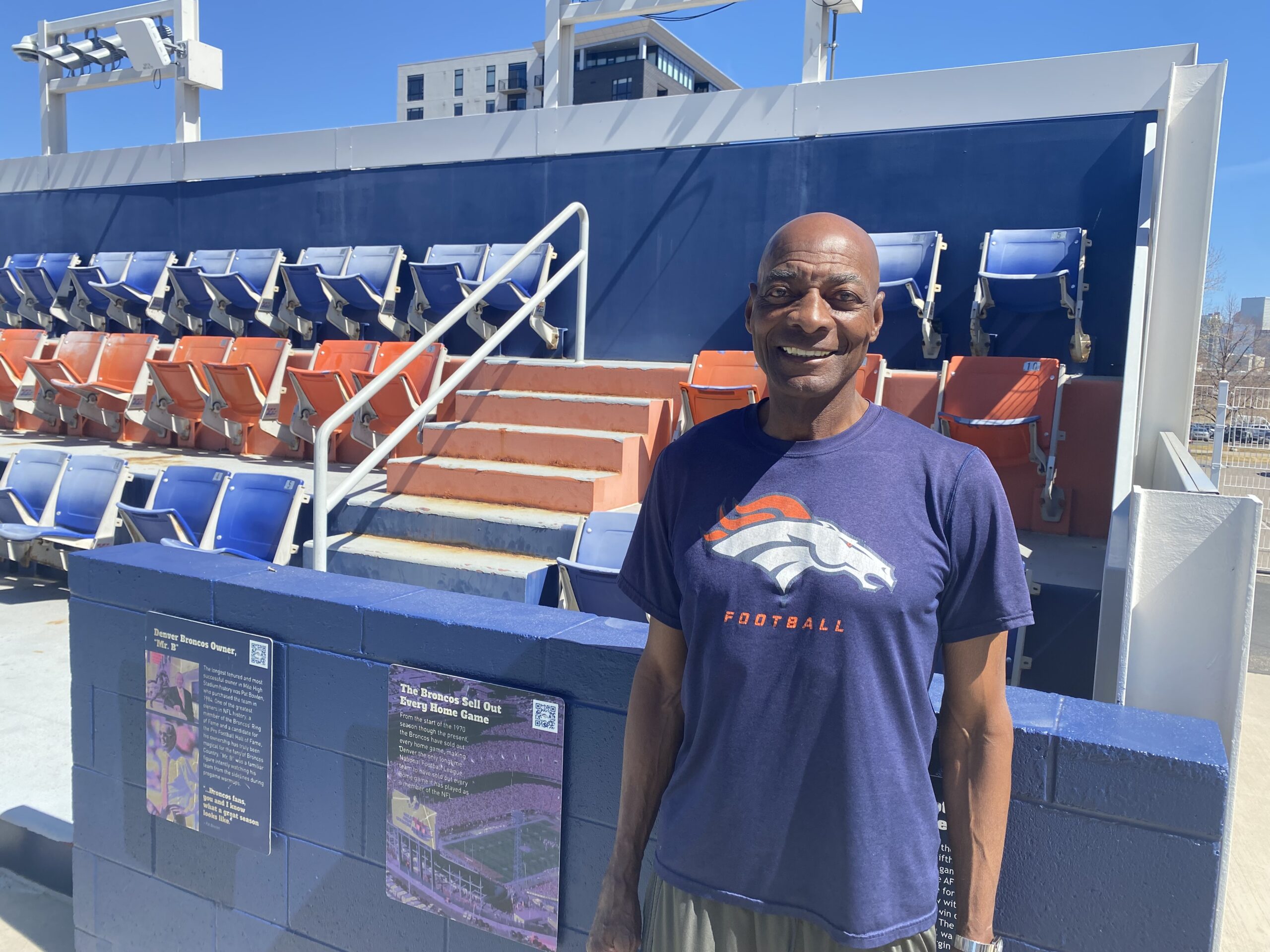
Several years ago, Ken Shelton ran into Mark Olivari, the owner of Scroungers Paradise, an eclectic furniture story in Asheville, N.C. But the conversation wasn’t about home furnishings.
Shelton, a resident of nearby Hendersonville, N.C., had been a 15th-round pick in 1975 by the Broncos out of Virginia as a tight end before opting not to pursue a pro career due to attending medical school. But he did make it to a rookie minicamp in Denver after he was drafted, and his roommate was defensive back Steve Foley, an eighth-round pick out of Tulane.
Olivari, who played nose tackle at Tulane, long has been one of Foley’s best friends, and he talked about that with Shelton. Olivari then dialed up Foley and handed the phone to Shelton.
“I hadn’t seen him since I came out to Denver in 1975 with three friends from college and Steve let them sleep on our floor,’’ Shelton said. “We had a wonderful conversation.”
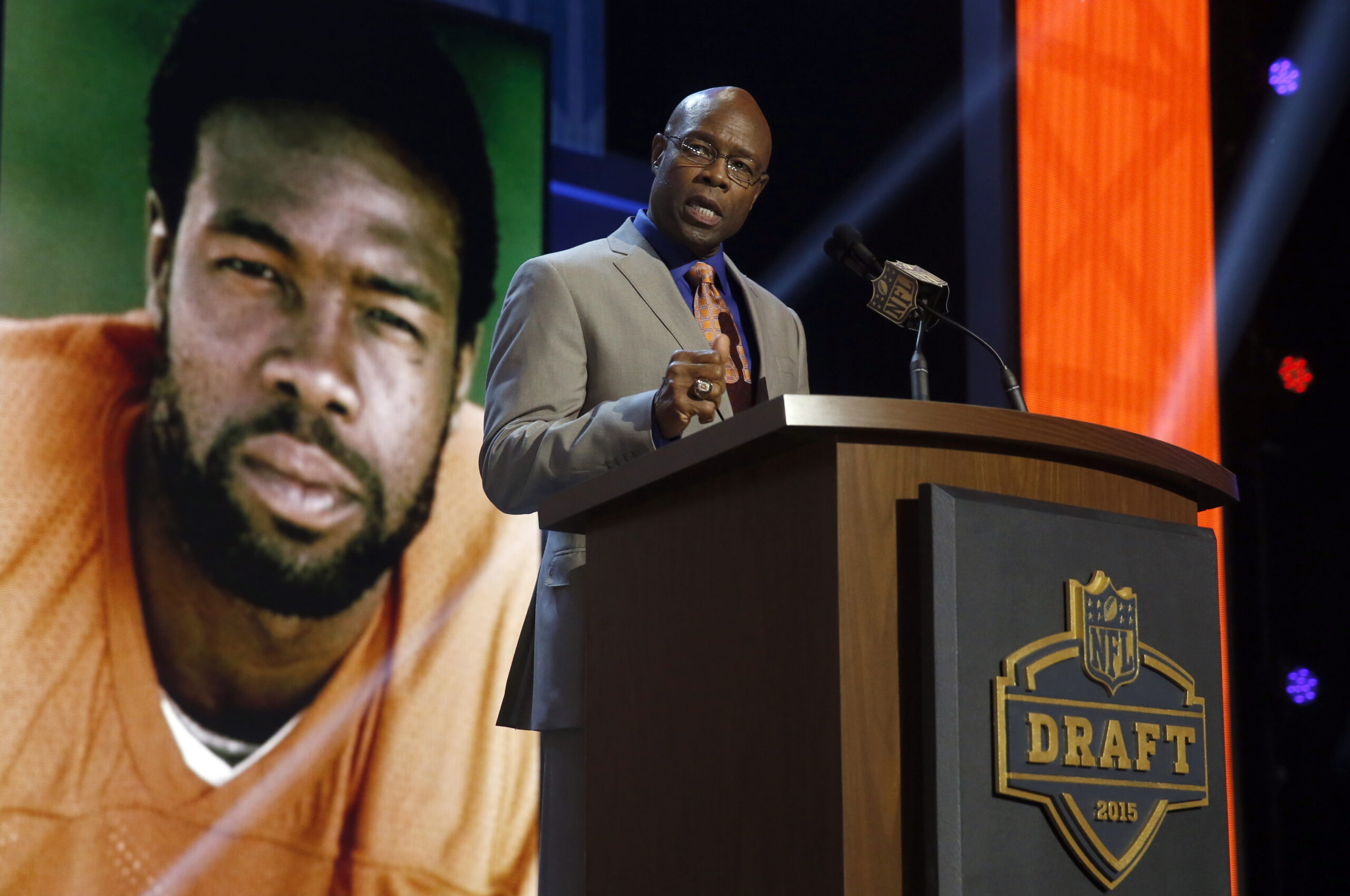
The two reconnecting on the phone offered a reminder of what became of the 18 players selected by the Broncos in the 1975 draft, which many regard as the best one in team history. Four players taken in the 17-round draft became longtime Denver stars in first-round cornerback Louis Wright; fourth-round wide receiver and kick returner Rick Upchurch; fifth-round nose tackle Rubin Carter; and Foley. All played key roles when the Broncos made the playoffs for the first time in their 18-season history in 1977 and advanced to Super Bowl XII before losing 27-10 to Dallas.
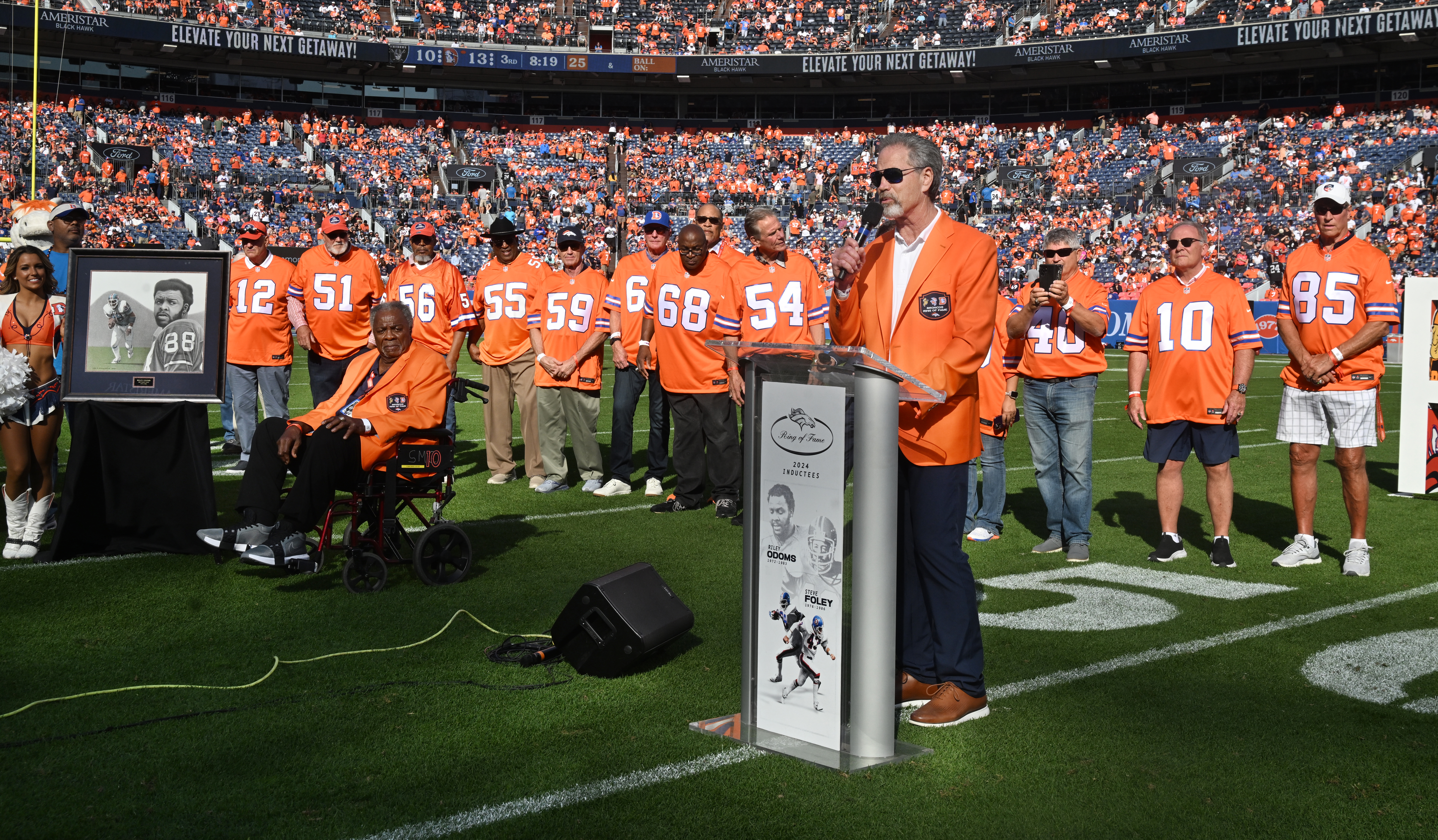
Wright, Upchurch and Foley are in the Ring of Fame, making it the only Broncos draft to have produced three such players. Carter was featured on the cover of Sports Illustrated in 1977 while representing the “Orange Crush” defense. And to make that 1975 class even deeper, linebacker Bob Swenson, an eventual Pro Bowl selection, made the team as an undrafted free agent.
“Overall, I think it was the best Broncos draft class ever,’’ Wright said. “We got some pieces we needed that helped propel us to that Super Bowl.”
But that draft is also notable for how many players selected by the Broncos who didn’t have star-studded careers went on to have great success in other walks of life.
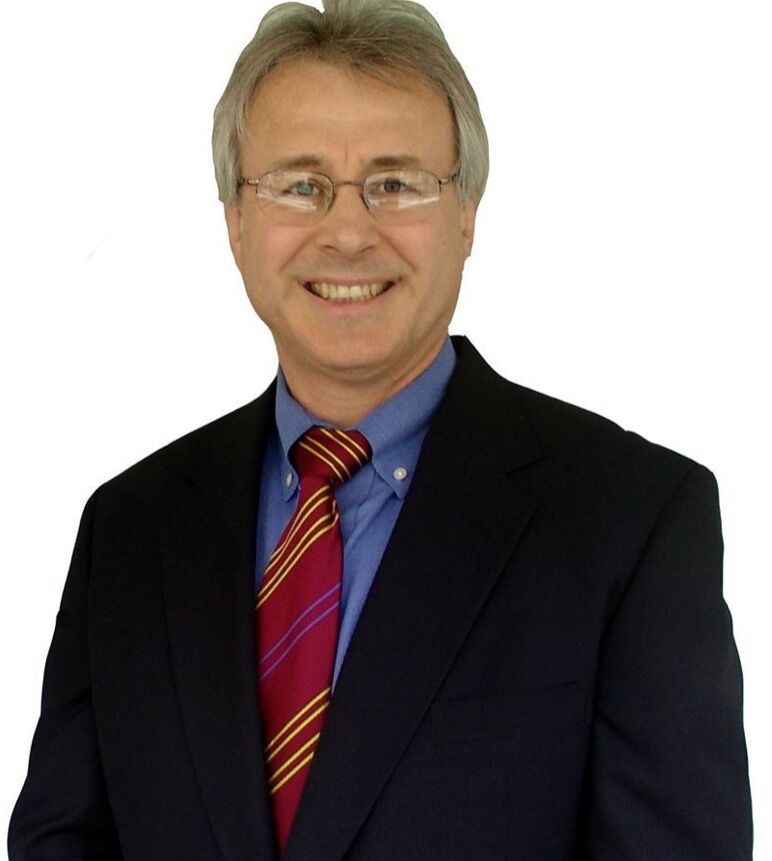
Shelton, after leaving the NFL behind 50 years ago, attended Virginia School of Medicine and became a radiologist for 38 years.
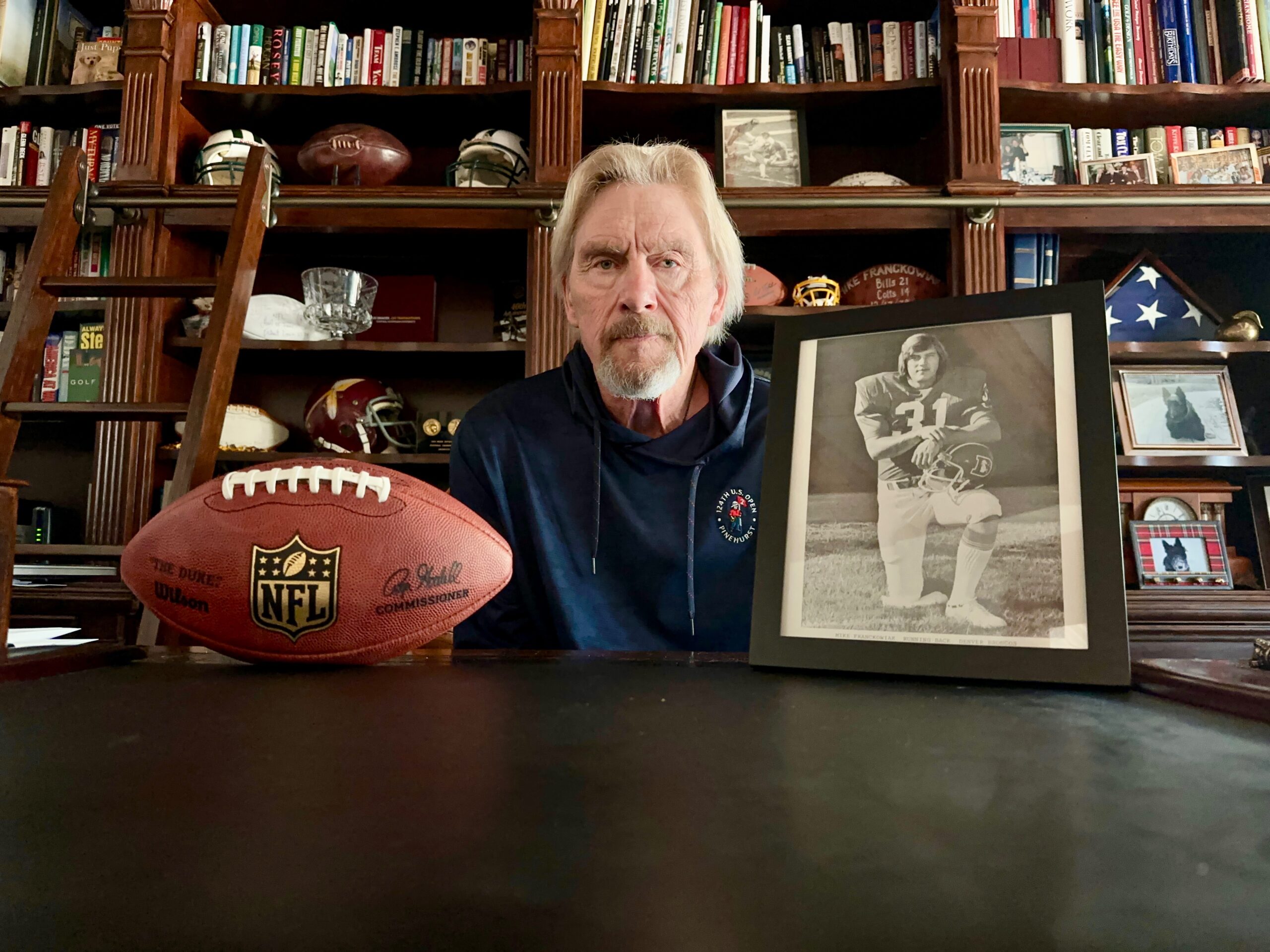
Fullback Mike Franckowiak, a third-round pick, played two seasons with the Broncos and two with Buffalo before making it big as a stockbroker on Wall Street. He and his wife Gay Ebers-Franckowiak, who also worked on Wall Street, have donated more than $1 million to their alma mater, Central Michigan. The atrium at the Chippewas’ Kelly/Shorts Stadium is named after them.
Linebacker Drew Mahalic, taken in the third round out of Notre Dame, was cut by Denver before the season but ended up spending a year with San Diego and four with Philadelphia. He then became the only former NFL player to have graduated from Harvard Law School.
Tackle Stan Rogers, a fifth-round pick out of Maryland, lasted one season with the Broncos before injuries ended his career. He then became a corrections officer at the notorious Graterford (Pa.) Prison, including spending 10 years as an officer on death row.
Center Hank Englehardt, a 10th-round selection from Pacific, didn’t make the Broncos roster but went on to become a successful real estate executive in the San Francisco Bay Area. Linebacker Harry Walters, a 12th-round pick from Maryland, became a chiropractor in his native Toms River, N.J.
“It shows the people who chose those guys were right on point as far as their work ethic and their character,’’ Carter said of all the success stories surrounding the 1975 draft with head coach-general manager John Ralston having played a role in that. “They were on target at identifying people they thought would be successful regardless of on the field or off the field. A lot of guys really made an impact in other areas of their life.”
There have been struggles associated with those from the 1975 draft class. Defensive back Steve Taylor, a fourth-round pick from Georgia who spent his rookie season on injured reserve and never got into an NFL regular-season game, has been battling Parkinson’s Disease, which he said forced him a few years ago to retire from the painting company he owned.
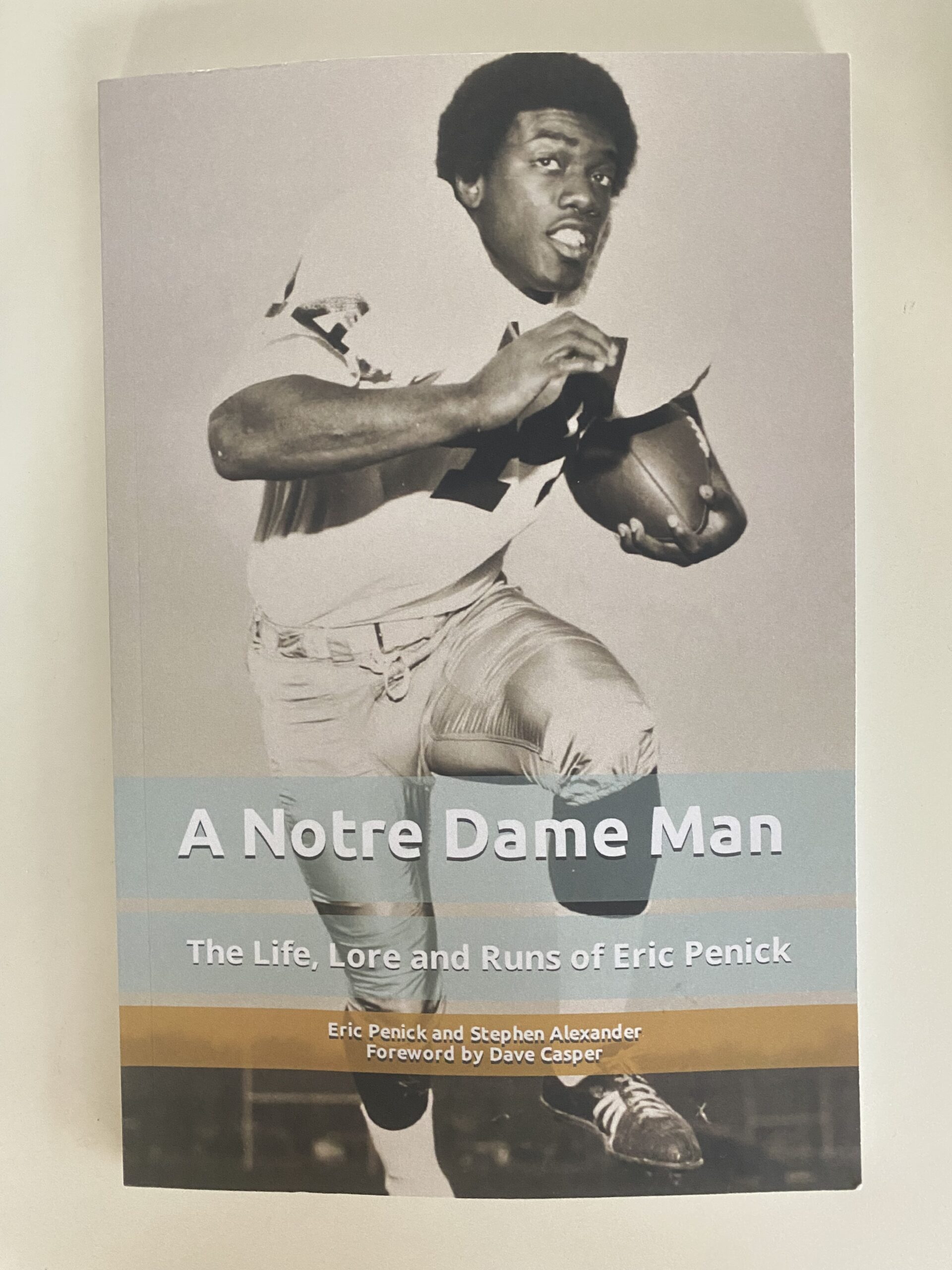
Eric Penick, a running back from Notre Dame who went in the 13th round, was the most well-known player selected by the Broncos in that draft, having starred for the Fighting Irish when they won the national title in 1973. But Penick became bogged down by a serious ankle injury suffered in college and didn’t make the Broncos. He co-wrote the book “A Notre Dame Man” in 2023 that chronicled how he went into depression after the injury, spent 4.5 years in prison, got into prison ministry, and then had his leg amputated above his left knee in 2021 due to diabetes.
Four members from the draft class are deceased. Defensive end Charlie Smith, taken in the second round out of North Carolina Central, died in 2007. Wide receiver Steve Haggerty a Denver native who played at Arapahoe High School and in college at Colorado and UNLV, passed away in 2021. Guard Jerry Arnold, a 14th-round selection from Oklahoma, died in 2020. And running back Lester Sherman, a 17th-round pick out of Albany (Ga.) State, passed away in 2007.
The 1975 draft was held Jan. 28-29 at the New York Hilton. It was the next-to-last 17-round draft in NFL history, with the final one being in 1976. The draft was cut to 12 rounds in 1977, to eight rounds in 1993 and then to its current seven-round format in 1984.
Here’s how it unfolded for the Broncos in 1975 and what became of their draftees:
Round 1
Wright who had starred at San Jose State, was at his aunt’s house in Palo Alto, Calif., during the first round and had no clue the Broncos would end up taking him with the No. 17 overall pick.
“I had played in the Senior Bowl for the North and the Denver Broncos were the coaching staff,’’ Wright said. “Everybody was like, ‘I hope the Broncos don’t draft me,’ because they were working us pretty hard. But they never uttered a word to me that they would draft me. On draft day, they called me and they put me on speaker phone and said, ‘We’re taking you.’’’
Wright wasted no time proving to be an excellent pick. He broke into the starting lineup as a rookie and made five Pro Bowls while playing for Denver from 1975-86.
“It was a blessing (with) everything that happened to me,’’ Wright said. “I couldn’t have asked for more except maybe a Super Bowl victory but even being in the Super Bowl was a blessing.”
Wright, who played in two Super Bowls for the Broncos, went on to become a longtime Denver coach and high school teacher. He retired in 2023 and continues to live in the area.
Round 2
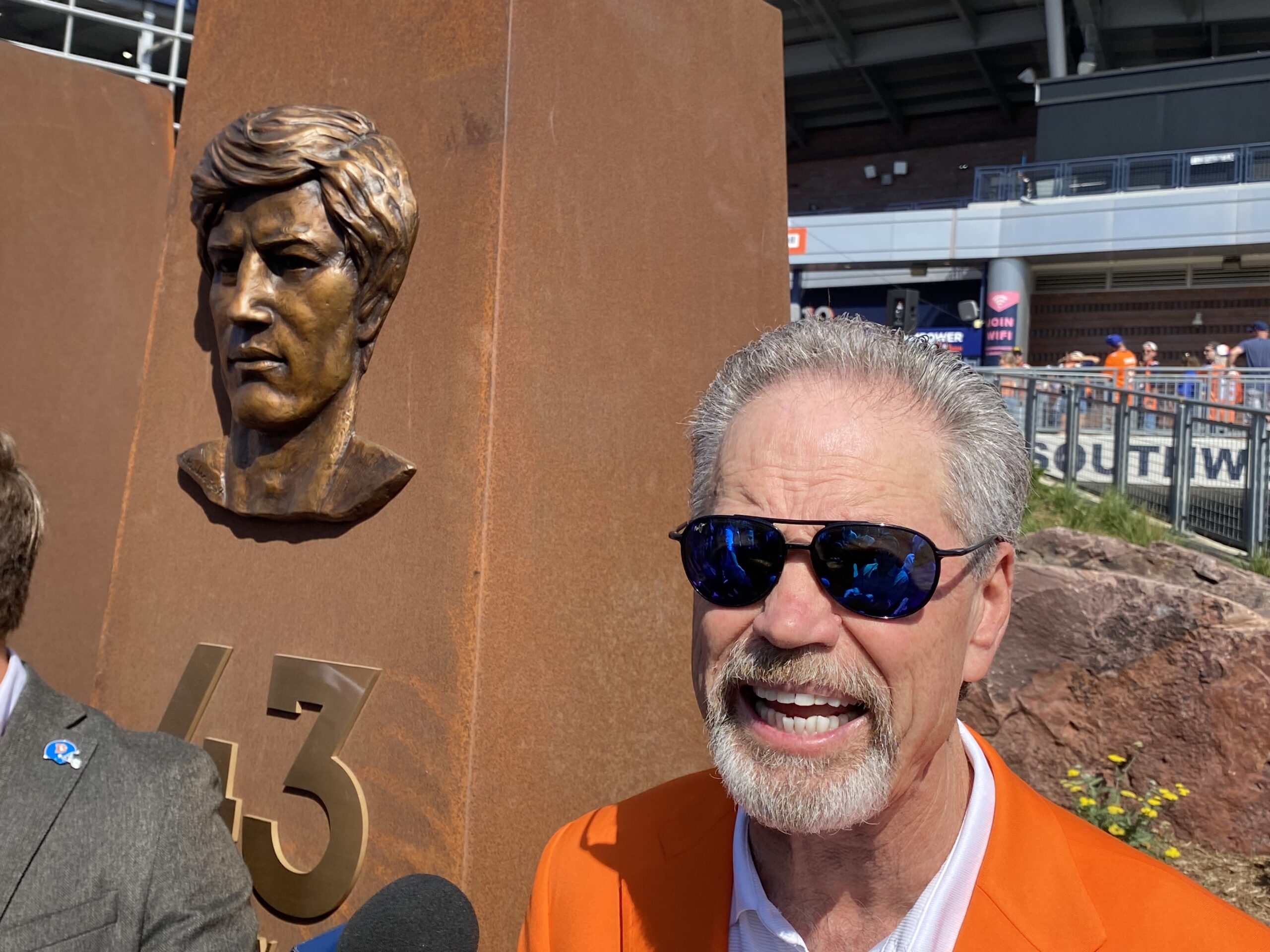
With the No. 43 overall pick, the Broncos took the 6-foot-5, 245-pound Smith, an imposing specimen.
“This man walked in and I thought we were looking at Hercules,’’ Upchurch said. “This guy was put together like a brick outhouse. I was like, ‘Oh, my God.’ He had muscles coming out of his ears.”
Smith bought a silver Corvette after being drafted and drove it to Denver from his native North Carolina. Unfortunately, he suffered a serious knee injury in training camp and spent his rookie year on injured reserve. Smith was never the same after that and was cut in 1976. He ended up never getting into an NFL regular-season game.
After retiring, Smith taught school in North Carolina. After his 2007 death, Jerry Spivey, who was Smith’s agent, told the Wilmington Star-News he was a “hard-working man” who always had a smile on his face.
Round 3 (first pick)
With the No. 54 overall selection, Denver selected Franckowiak, who had been a quarterback at Central Michigan. But the Broncos, well stocked at the position, moved him to fullback.
“After being a quarterback, I was all of a sudden blocking and hitting and playing on special teams,’’ he said. “I did kick off for two years. I was one of the last straight-on kickers.”
After two seasons in which he had just 13 carries for 26 yards, the Broncos released him. Franckowiak went to Buffalo, where he sat on the bench for two seasons before being released. After earning a top NFL salary of $40,000, he figured it was time to make some money, and he got an MBA from C.W. Post on Long Island.
Franckowiak became a wiz on Wall Street as a stockbroker from 1980-2005. He was involved in a partnership with Chancellor Capital Management when it was sold to Invesco in a lucrative deal.
In 2008, Frankowiak and his wife, who had an executive position at Morgan Stanley, donated $1 million to Central Michigan. Over the years, they have made other donations to the school.
“I wasn’t part of that success story on the football field, but life treated me OK after that,’’ Franckowiak said of his limited NFL career. “Life has been good to us.”
Now retired, Franckowiak and his wife split their time between Pinehurst, N.C., and Big Sky, Montana, where he is an avid skier.
Round 3 (second pick)
Mahalic, taken No. 69 overall, also played on Notre Dame’s 1973 national title team. He was shown on a Sports Illustrated cover that season helping bring down USC star running back Anthony Davis.
But Mahalic surprisingly didn’t make the Broncos, being waived just before the season opener.
“It was very puzzling,’’ Mahalic said. “Ralston, for whatever reason, was not a fan of mine. He got a call from (after the linebacker was waived from then Chargers coach) Tommy Prothro and he told Prothro that I wasn’t very good.”
As it turned out, Mahalic said Ralston wanted to keep him around Denver and pay him under the table to be available if there was a roster opening. But the Chargers foiled that plan by claiming him off waivers.
Mahalic spent one season as a Chargers reserve before being traded to Philadelphia, where he played from 1976-78, spending his second two seasons as a starter. He landed on injured reserve in 1979 with a leg issue before opting to retire.
“I’d always wanted to be a lawyer, so I applied to Harvard and got in and became the first and still only graduate of Harvard Law School that played in the NFL,’’ Mahalic said. “That’s a pretty good thing.”
Mahalic’s distinguished legal career included working for the United Nations in Switzerland on human right issues and serving as CEO of Sport Oregon, the state’s sports commission, for 23 years before retiring in 2018. Mahalic, who lives in Portland, Ore., has written four books, including “Football: It’s More than a Game” in 1991. The introduction was written by Ronald Reagan and Wright was one of Mahalic’s interview subjects.
Round 4 (first pick)
Taylor, taken No. 84 overall, broke his arm in training camp and spent his rookie season on injured reserve. The next year, he was selected by Seattle in the expansion draft but, with his arm not fully healed, failed to make the team.
“I was in a full cast for six months, so I couldn’t get ready for the next season,” Taylor said. “(In 1977), I was with the Jets for three preseason games and I got cut, and I figured then it was time to find a job.”
Taylor eventually started Steve Taylor Painting, and worked as a contractor for 38 years in the Atlanta area. But he was diagnosed with Parkinson’s Disease in 2021 and then had to retire. He lives in Jasper, Ga.
“I’ve got to take medicine four times a day,’’ said Taylor, 71. “I’m like an old man shuffling and I have to use a cane every now and then. But I’m learning to live with it. I don’t feel sorry for myself.”
Round 4 (second pick)
When Upchurch was selected out of Minnesota by the Broncos with the No. 95 pick, he didn’t know what to think.
“I got a phone call and they said, ‘You’re going to the Mile High City,'” Upchurch said. “I’m like, ‘The Mile High City? What is that?’ They said, “Denver, Colorado.’ I had no idea about Denver.”
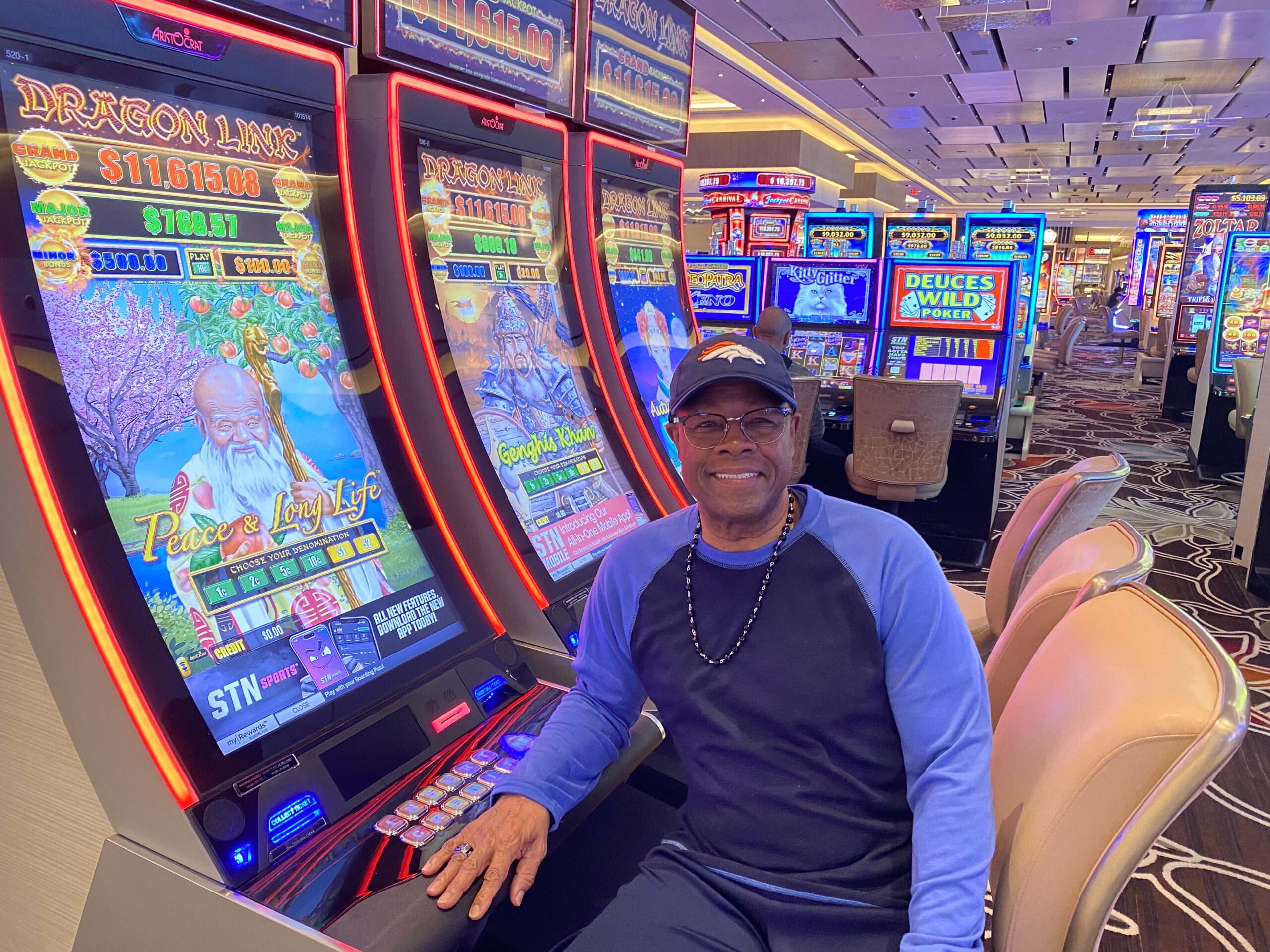
It turned out quite well for Upchurch. Playing for the Broncos from 1975-83, he made four Pro Bowls as a returner and three times led the NFL in punt-return average while bringing back eight punts for touchdowns in his career.
“When you talk about coming in and making a change as far as the Denver Broncos organization, we made the biggest change,’’ Upchurch said of the 1975 draft class. “I’m thankful I came in then with the guys I played with.”
Being part of that class led to Upchurch dating future Secretary of State and current Broncos part owner Condoleezza Rice for about a year. Rice had been introduced to Upchurch by Penick, who knew her when she was a Notre Dame undergraduate. She later attended the University of Denver for post-graduate studies.
“We dated for awhile and became very good friends,’’ Upchurch said. “Just a good lady and a good person.”
After retiring, Upchurch went on to have success working with clients on investing in precious metals. He lives in Las Vegas.
Round 5 (first pick)
Rogers dropped to the No. 84 pick in the fifth round due to leg injuries suffered at Maryland. But he made the team and started the final two games of his rookie season at right tackle after Mike Current was lost due to an injury.
Rogers again was bogged down by a leg injury and was cut by Denver the next year. After that, he went to a half-dozen teams but was never physically cleared to again play.
“Injuries killed me but Denver was a great place to be,” Rogers said. “I just wish I would have had a longer career.”
Rogers, who lives in Gilbertsville, Pa., ended up working for 25 years as a corrections officer and counselor at Graterford.
“It was the biggest maximum security prison in the state,’’ he said. “It was like the ‘O.K. Corral.’ It was tough, but you had to know the situations you were in.”
One inmate there had been charged with being involved in a plot that was foiled to kidnap legendary Pittsburgh Steelers owner Art Rooney and hold him for ransom.
Rogers said he dealt regularly with hit men and members of the mafia. He said he encountered his share of “threats” but emerged with his health and is now happily retired.
Round 5 (second pick)
Like Upchurch, when Carter was drafted with the No 121 selection out of the University of Miami, he knew little about Denver.
“I didn’t even know where Colorado was,’’ Carter said. “I had to go get a map. But as long as it wasn’t close to Canada, I was OK.”
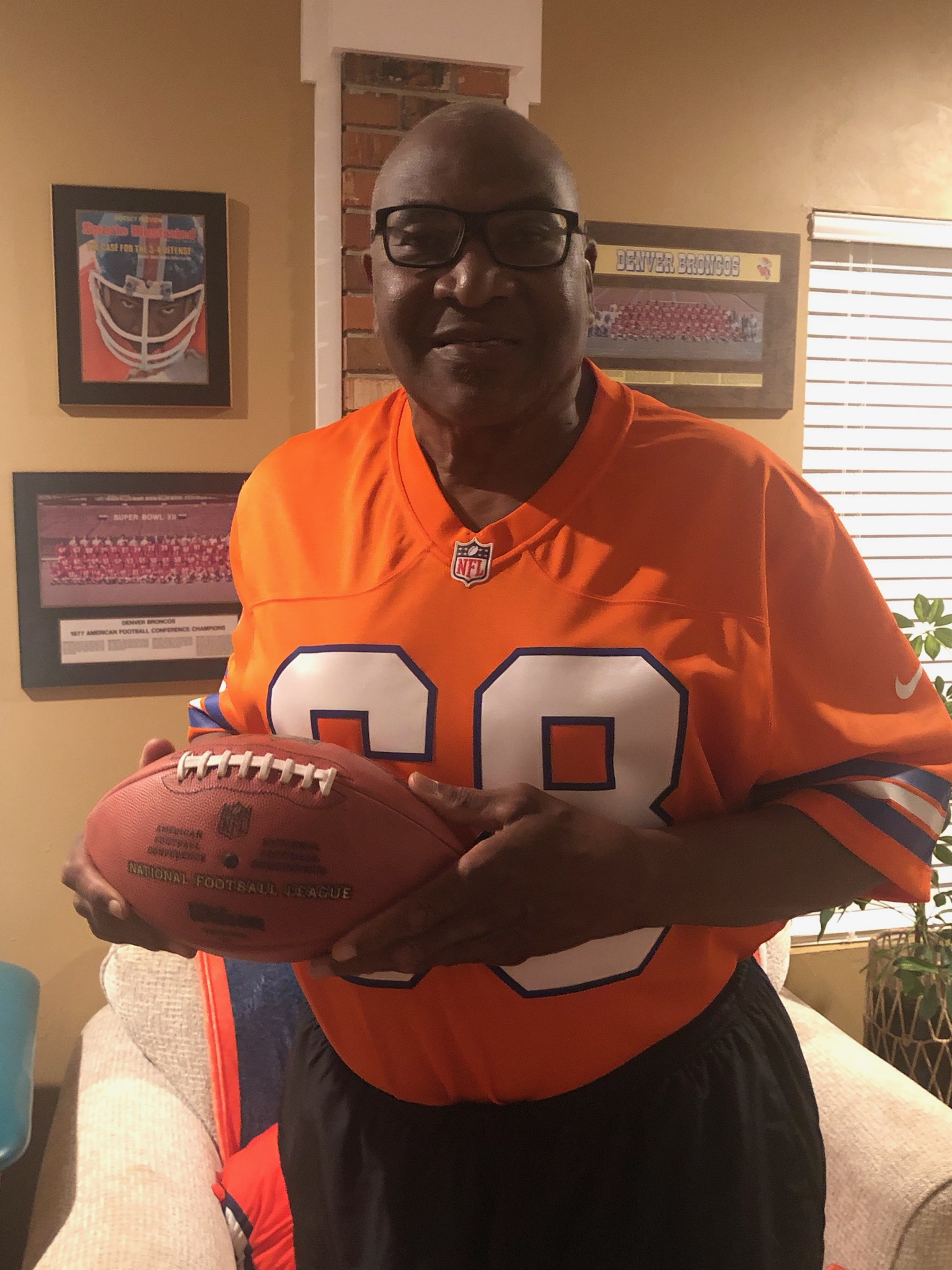
The nose tackle moved into the starting lineup as a rookie and became a fixture with the Broncos through 1986. He gained plenty of national publicity when featured on the cover of the Oct. 17, 1977, issue of Sports Illustrated. Next to a close-up photo of Carter wearing his helmet, it read, “The Case for the 3-4 Defense” and “Denver Nose Tackle Rubin Carter.”
“It was really a surprise to be on the cover because we had Lyle Alzado, Randy Gradishar, Billy Thompson, Tom Jackson and some other guys (on defense) and I was there all by myself,’’ Carter said. “It was quite an honor.”
Carter, now retired in Tallahassee, Fla., went on to become a coach for 29 seasons in the NFL and in college. That included three years as head coach at Florida A&M and the other 26 as a defensive line coach.
Round 8
After being a run-oriented quarterback at Tulane, Foley wasn’t paying a lot of attention to the 1975 draft.
“I didn’t think I’d be drafted,’’ he said. “I was working out with Mike Olivari and we were listening to the draft on the radio. He said, ‘They just called your name.’ I said, ‘Are you sure?’’’
It was true. Foley had been selected with the No. 199 overall pick.
Foley went to a Broncos minicamp and didn’t get a single rep at quarterback. He was moved to defensive back, with Foley saying, “I didn’t know what I was doing.”
But the Jacksonville Express of the second-year World Football League gave Foley a chance to play quarterback. The team offered him a $17,000 signing bonus, higher than Denver’s offer of $10,000, and a no-cut salary of $25,000.
“It turned out I spent about five days at quarterback and then they moved me to defensive back,” Foley said.
But Foley soon got the hang of the position. The WFL folded after Jacksonville played 11 games, but he came to Denver in 1976 as a more confident player.
Foley remained with the Broncos through 1986. He holds the team’s career interception record with 44.
“Every day I get up and I say, ‘Lord, how did that happen?’’’ Foley said of his good fortune. “To play with the guys I played with, man, what a great time.”
Foley has remained in the Denver area. After retiring from football, he joined forces with Swenson to form FS Land, a successful land development company.
Round 9
With the No. 225 selection, the Broncos took defensive back Roussell Williams, who had picked off six passes as an Arizona senior in 1974.
Williams didn’t make the Broncos roster and spent some time with the Chicago Winds in the WFL before the league folded. He is now believed to be living in Texas.
Round 10 (first pick)
Englehardt was a long shot to make the team when he arrived in Denver after being selected No. 251 overall. And when it came down to final cuts, Ralston pulled no punches with the center.
“Ralston basically said, ‘You have great technique, you have good command of the game, but you’re just not strong enough,’’’ Englehardt said. “He said, ‘I know this is disappointing, but you ought to find something else to do.”’
Englehardt got some feelers from other teams, but decided it was time to move on with his life. He admits it was a “decision I’ve regretted.”
Nevertheless, Englehardt went on to become successful in commercial real estate. He worked his way up through the ranks to serve as a regional vice president for Colliers for the San Francisco Bay Area before retiring in 2017.
“I did 21 Home Depot deals,’’ he said of some career highlights. “I did 19 Marriott hotel deals. … I worked on land owners to sell property to developers or to major tenants for development.”
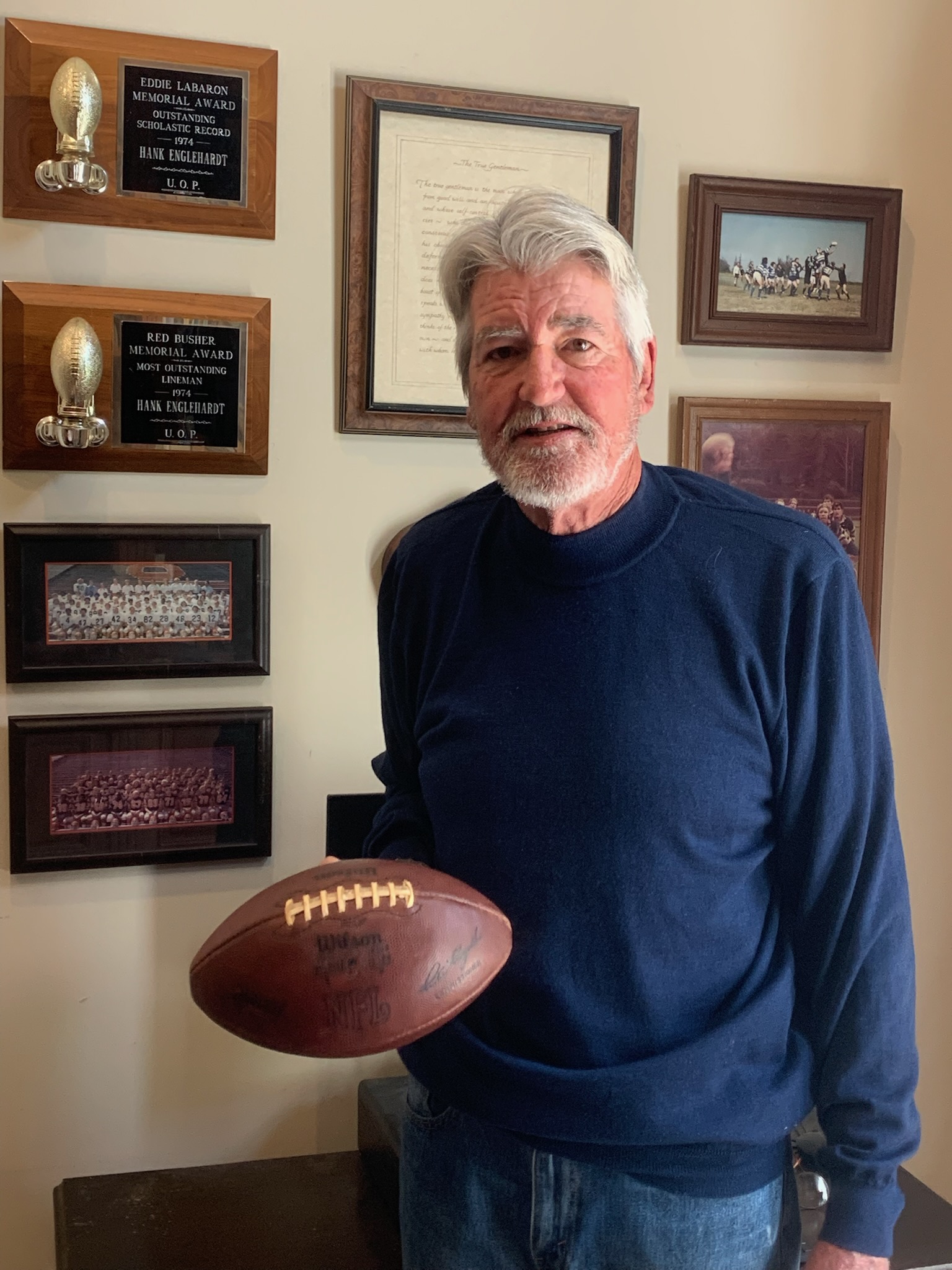
At Englehardt’s home in Livermore, Calif., there is still one remnant from his NFL days. He has a football that offensive line coach Jerry Frei gave him after he was drafted to work on long snapping.
“He told me to snap this 10,000 times before I see you again,’’ Englehardt said. “I told my mom (when back home before training camp) that I couldn’t eat dinner until I’d snapped 150 perfect snaps every night.”
Round 10 (second pick)
The 5-foot-10, 175-pound Haggerty beat the odds as the No. 251 pick to make the Broncos roster and saw action in the opener against Kansas City. But that turned out to be the only career regular-season game for the receiver, who suffered a career-ending injury and retired without accumulating any NFL stats.
Haggerty became a golf pro at several clubs in the Denver area and won awards for Marketing Associate of the Year for Sysco food distributors. He later had health problems, including receiving a double lung transplant in 2012, and died in 2021 in Denver due to complications from COVID-19.
Round 12
After being taken with the No. 303 overall pick out of Maryland, Walters opted instead to play in the Canadian Football League.
Walters became one of the top linebackers in the CFL, playing for Winnipeg, Hamilton and Edmonton from 1975-80. He then retired to become a chiropractor in New Jersey.
“He was a heck of a linebacker and he was really smart,’’ said Rogers, his former college teammate.
Walters retired about 20 years ago and continues to live in New Jersey.
Round 13
In Penick’s first varsity season of 1972, he led Notre Dame in rushing as a sophomore with 726 yards while averaging 5.9 yards per carry. The next year, he had 586 yards, averaging 5.7 per attempt, and scored on an electrifying 85-yard run against USC.
The Fighting Irish capped off that season with a 24-23 win over Alabama in the Sugar Bowl to win the national title, with the speedy Penick scoring a key touchdown. But he hurt his left ankle in that game.
Penick reinjured the ankle in 1974 and had just 12 yards in four games as a senior. He fell all the way in the draft to Denver’s No. 329 overall pick.
“I was never again the same running back, nor the same man,’’ Penick wrote in his 2023 book with co-author Stephen Alexander, Mahalic’s son, about the injury in which screws were surgically inserted into his ankle.
A gimpy Penick failed to make the Broncos. After that, Penick had troubles in life he wrote were related to his football career ending prematurely.
He wrote about “drinking and partying a lot.” He wrote he took the rap for someone for an unspecified crime in Texas, received probation and then violated probation by getting a DWI and leaving without permission to Michigan. That led to 4.5 years in a Michigan prison.
Penick did turn his life around after that, becoming involved during his sentence in ministry work. After his release, he continued to work with prisoners.
“He leads a lot of Bible studies,’’ Mahalic said. “He has a great faith.”
In recent years, Penick has battled diabetes, resulting in the 2021 amputation of his leg and in losing all his teeth. He lives in Michigan, and was said recently to be having continued health issues.
Round 14
The 6-2, 247-pound Arnold was an undersized offense lineman. And it didn’t go well after he went to the Broncos with the No. 355 overall pick.
“Alzado beat on him all day,’’ Rogers said of Denver’s star defensive lineman. “He had a personal thing with him.”
Not surprising, Arnold didn’t make the team. He remained in Denver, working as an account manager and salesman for Playtex and American Senior Benefits. He died of a heart attack in 2020.
Round 15
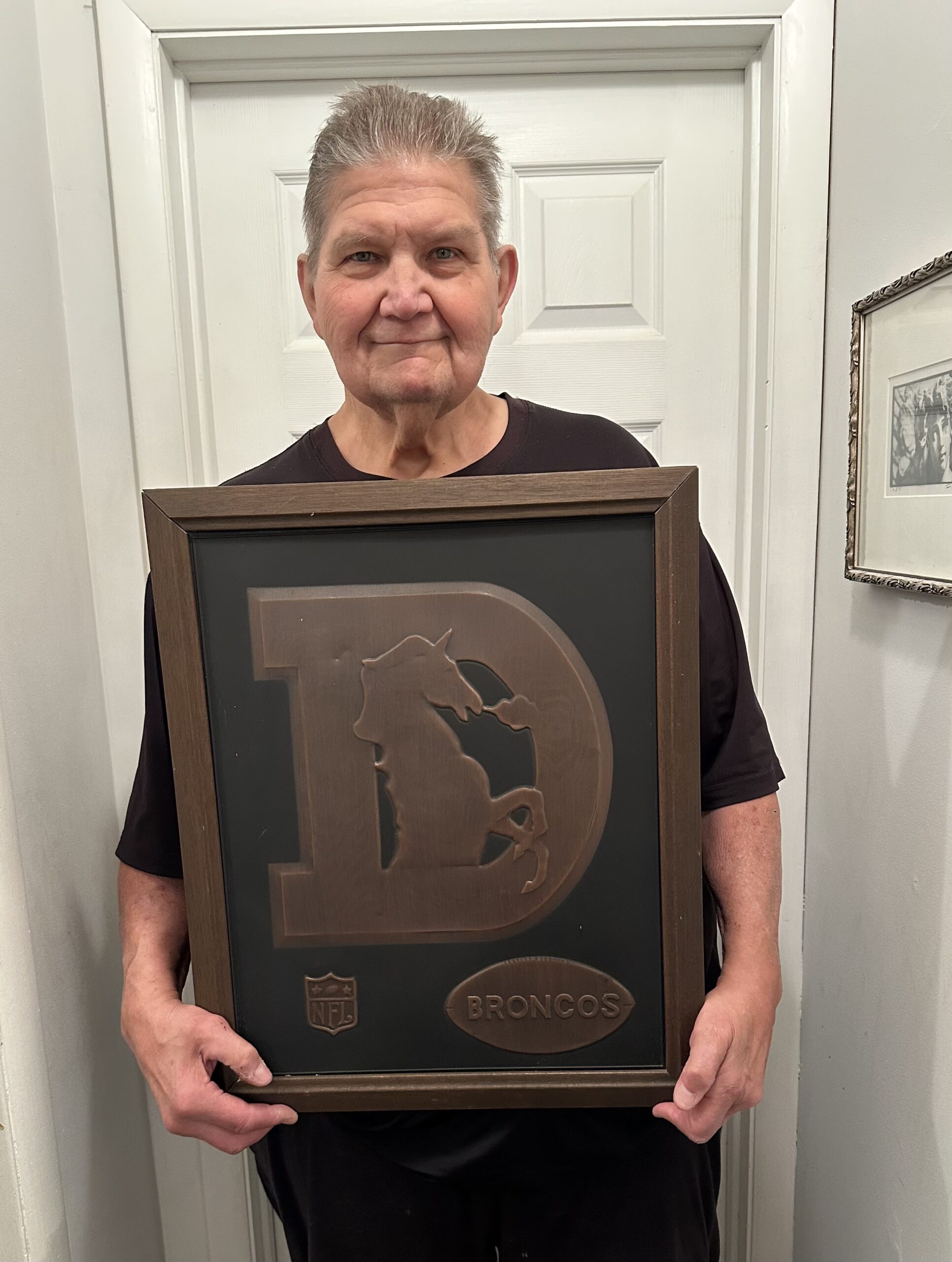
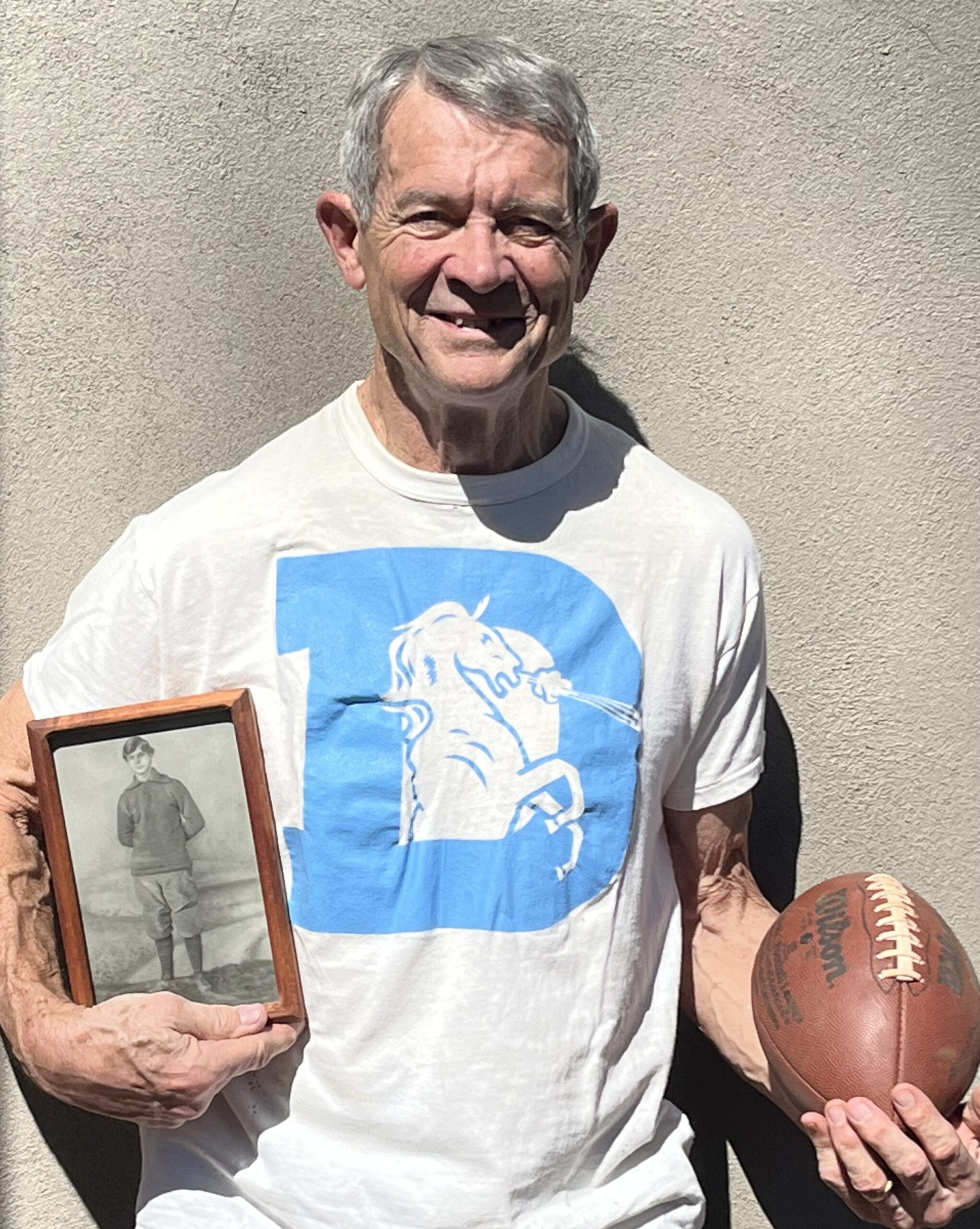
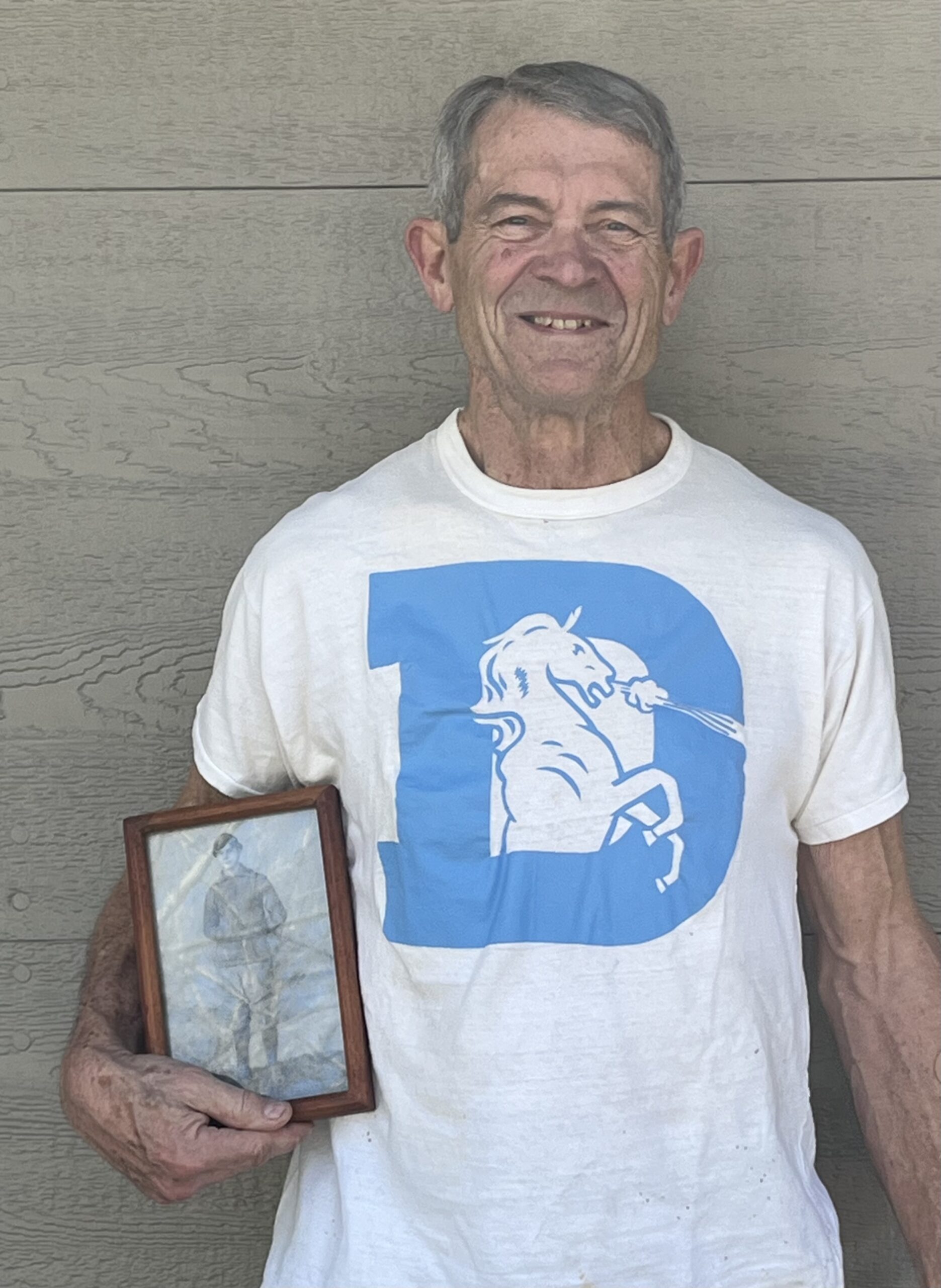
Shelton didn’t spend much time with the Broncos but was around long enough to scoop up a T-shirt. He still has it.
On a recent spring afternoon, Shelton squeezed into a now-tight T-shirt that has on the front a 1975 team logo with a heavy-breathing Bronco inside a “D.”
“It’s a good memory,’’ he said.
For years after being taken with the No. 381 overall pick, Shelton’s dress code often consisted of scrubs. He had informed the Broncos before training camp in 1975 that he was giving up football after having been accepted by Virginia School of Medicine.
“I had thought of staying in Denver and getting into medical school but there was no guarantee,’’ Shelton said. “And then (Virginia’s) medical school said it was ‘now or never.’ I told (Ralston) and he said, ‘Absolutely, I understand. Your chances of playing are remote so this is probably a good decision.”’
Dr. Shelton went on to serve as chief of medical services for Pardee Hospital in Hendersonville. Among his notable accomplishments was working to get a ban in North Carolina, a tobacco-growing state, on tobacco use in schools and hospitals.
Round 16
With the No. 401 pick, the Broncos selected defensive tackle Bubba Bridges even though they knew he wouldn’t be available for the 1975 season.
Bridges had redshirted as a Colorado freshman in 1971 before leaving school in 1972. He drifted around the CFL from 1973-75 with Edmonton, Hamilton, Ottawa and Calgary.
Bridges was first eligible to be drafted by the NFL in 1975 and was under contract by the CFL when the Broncos selected him. He ended up being taken by Tampa Bay in the 1976 expansion draft but didn’t make the team and never played in an NFL regular-season game.
Bridges, a Houston native, is believed to now be living in Texas.
Round 17
While with the Broncos from 1972-76, Ralston had a tradition when it came to the team’s last pick in the draft.
“There wasn’t a lot of media left by then, maybe a half dozen, and Ralston would give us a choice of three or four guys and he’d let us make the pick,’’ said Jim Saccomano, who then worked in radio and later was the Broncos’ longtime public relations director.
In 1975, with the No. 433 pick, the media went with Sherman, who had rushed for 3,008 yards in his small-college career at Albany State.
Sherman, though, didn’t come close to making the team. He died in 2007 in Albany.
Undrafted
There were 442 players taken in the 1975 NFL draft, but not Swenson. He had played just one season at outside linebacker at California after being a defensive end, so he thought that had something to do with it.
“I signed with the Broncos and got a signing bonus of $1,200,’’ he said. “Back then, I thought that was a lot of money.”
Swenson figured he was a long shot to make the Broncos.
“They had drafted Drew Mahalic in the third round at outside linebacker and I figured they couldn’t cut a third-round pick,’’ Swenson said. “That would make the scouting department look bad. But they did.”
Swenson made the team and played with Denver through 1983. He was named to the Pro Bowl in 1981.
Asked about all the Broncos draftees in 1975 who didn’t have lengthy NFL careers but went on to be successful in other walks of life, Swenson quipped, “Maybe we would have been better off not making it.”
Of course, it must be said those 1975 draftees who had distinguished tenures with the Broncos also did well after football.
“It really was an outstanding class,’’ Mahalic said. “They drafted a lot of guys who not only had athletic ability but that had a lot of substance to them as well.”