







Report says Denver’s restaurant industry in need of intervention
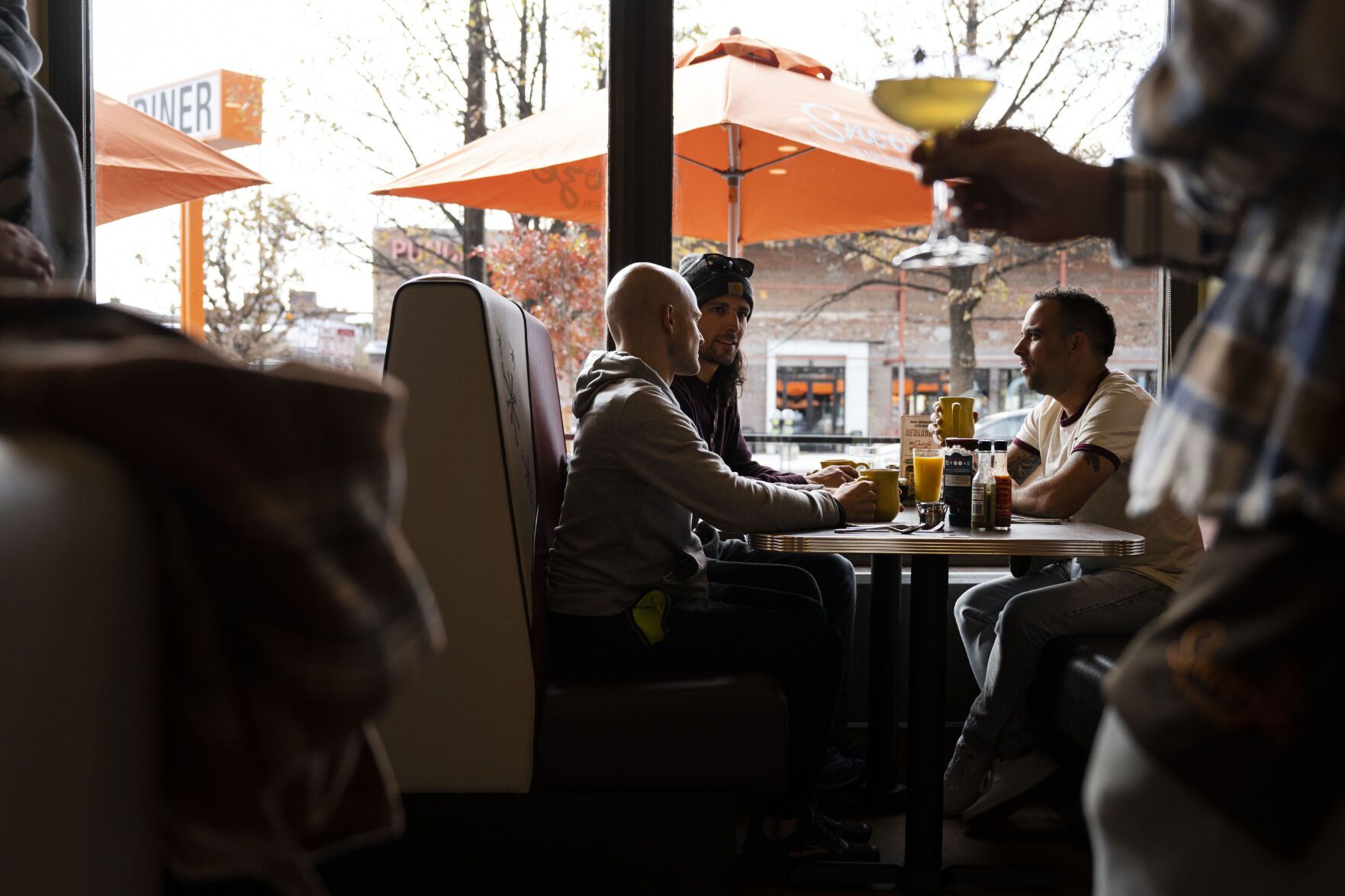
Denver’s restaurant industry is struggling and facing “sustained structural pressure,” according to a report by local industry leaders.
Last year, the city’s economic development department and Visit Denver created a six-month liaison program to research issues affecting the restaurant sector after leaders spoke out against Mayor Mike Johnston.
The initiative led by two veteran restaurant owners — Dana Faulk Query of Jax Fish House & Oyster Bar and Adam Schlegel of Snooze A.M. Eatery’s — released its findings in a report Friday.
The “2025 State of Denver Restaurants: Challenges Facing the Sector” report found Denver’s restaurant industry problems cannot be explained by nationwide trends, but rather local issues.
Now, restaurant owners are asking city leaders to take action to fix them.
“The data makes clear that Denver’s restaurants are facing an environment in which overhead and labor costs, demand, employment, and operating conditions are misaligned in ways that cannot self-correct without intervention,” the report said.
The restaurant owners advocated for matching Denver’s tipped minimum wage to the state’s $11.79 an hour, creating a “middle minimum wage tier,” establishing a citywide service fee, pushing for a tax credit policy for tips and streamlining the permitting process.
“Restaurant operators are not asking for deregulation or a rollback of worker protections, but for clear, proportionate systems grounded in economic reality, enabling sustainable planning, hiring and investing,” Query said.
For the report, the liaison team held 50 one-on-one anonymous interviews with restaurant owners, surveyed 160 restaurant leaders (from quick-service, full-service, independent and minority-owned businesses) and included more than 150 restaurants in meetings. It also used data of more than 80 restaurants in the city for its case studies.
The report conducted surveys in three languages: English, Vietnamese and Spanish.
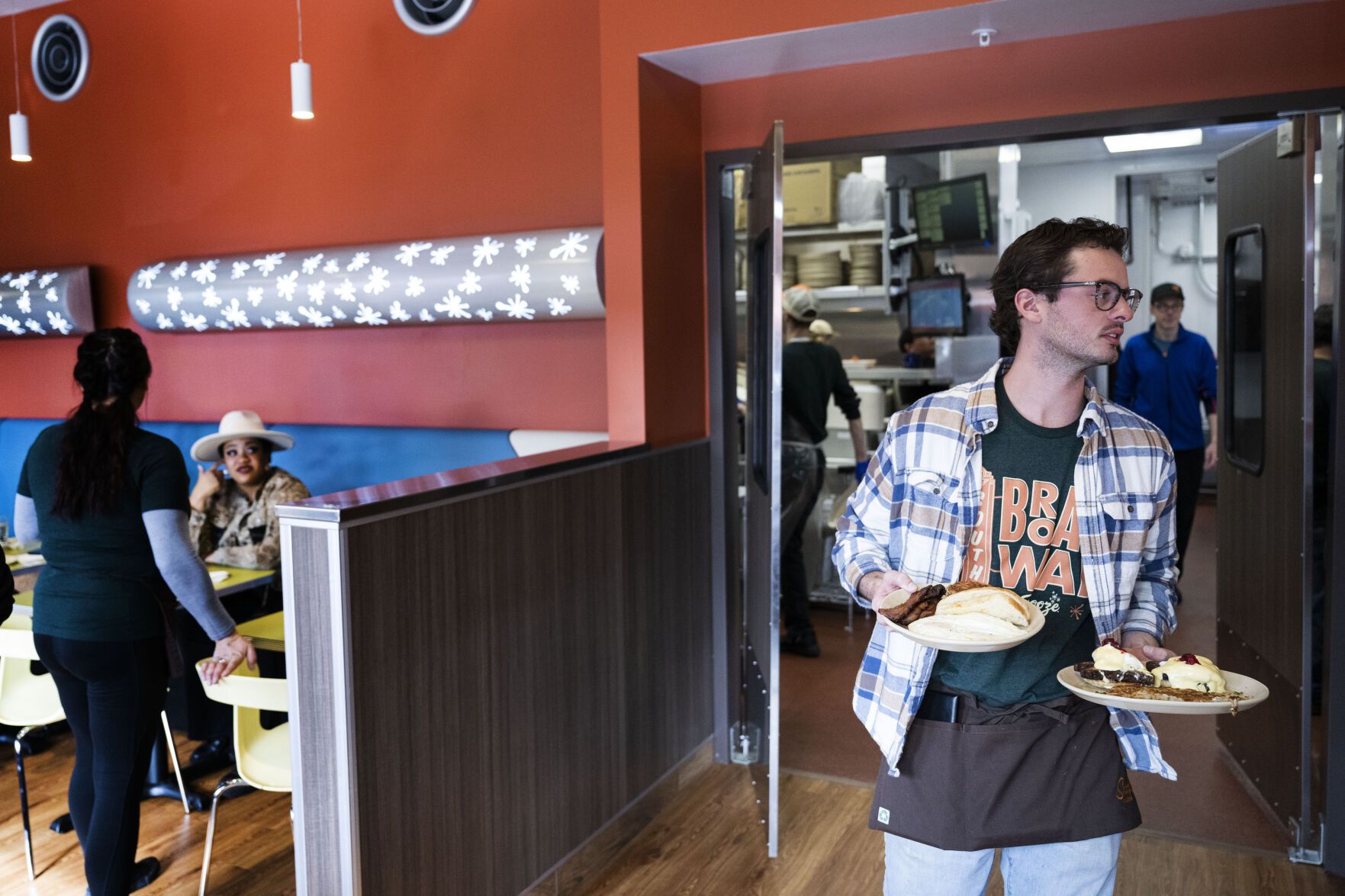
What are the issues?
Colorado Restaurant Association CEO Sonia Riggs said the report “clearly defined” the issues restaurant owners in the city face.
“We are grateful that there is now real-time, independent data from Denver operators and government agencies confirming what we’ve been hearing from local restaurants over the past several years,” he said in a statement to The Denver Gazette.
While many industries are recovering from the pandemic, the report said Denver’s restaurant industry is “contracting” and restaurants are facing rising costs across every major expense.
It’s a major strain for a pillar of the city’s cultural and economic makeup, as restaurants generate about 13% of Denver’s sales tax revenue, according to the report. The industry also employs one of 12 people in the city.
Most of all, it’s falling behind national trends.
The report cited data from several dining technology platforms. Denver’s OpenTable reservations were behind the U.S. average 85% of the weeks since 2022. Data from Toast showed transaction counts in Denver have been stagnant or declining, while nationally it is rising.
Bank of America found Denver had the largest spending decline, 6.7%, of major U.S. cities in the report “Dining out is cooling off” released Oct. 30.
The biggest contention has long been the cost of labor. Denver’s minimum wage increased 69% from $11.10 in 2019 to $18.81 and Denver’s tipped minimum wage increased 95% from $8.08 to $15.79.
Restaurant owners said they worry it is too much, too fast.
Seeing the data from technology companies confirm what he heard from other restaurant owners over the years is shocking, said Schlegel.
The data showed that “we really are a city that’s lagging behind so many other major cities when it comes to dining out,” he said.
Throughout the process, Schlegel said, it was emotionally difficult to meet with restaurateurs to talk about their business. There was a lot of raw emotion, he said.
“It was hard,” he said. “It was at times a really hard task to do.”
The report also found that while Denver has decreased the gap between the minimum wage and living wage needed to live in the city, it’s also at risk of seeing trends that have hit other high-wage cities, such as San Francisco, Seattle and New York City where there is slower growth and more strain on smaller businesses.
This could either be an advantage or a sign of a tightening labor market, the report said. It’ll depend on how fast wages will continue to rise and what consumer demand will be.
“The data suggest Denver has crossed an important threshold — one that brings both measurable benefits and increasingly visible trade-offs,” the report said.
Restaurants are also feeling effects from rising costs for food (28%), property taxes and insurance (30%), rent (23%), utilities, and costs associated with new state-mandated programs, such Family and Medical Leave Insurance program and the Healthy Families and Workplaces Act.
The report also criticized Denver’s permitting system, calling it “fragmented” and inconsistent across several departments that make it confusing, time-consuming and costly for businesses to get started — leaving them short on cash and more likely to fail soon after opening.
Landlords passing on rent increases for policies like Energize Denver are one concern. The decline of public safety, long police response times to address safety issues and weaker perceptions of commercial hotspots like downtown are others.
What’s next?
The report outlined several proposals for local and state policies.
A Johnston spokesperson said the report provided “clear-eyed feedback” for the city and Denver is already pushing to improve homelessness, public safety and creating a restaurant concierge to help owners navigate the city’s regulations.
“Still, it is clear there is more to be done to ensure restaurants are supported and that workers — whether they staff the front or the back of the house — earn a fair and livable wage,” spokesperson Jon Ewing said in a statement.
The mayor’s office believes a “holistic solution exists” to support both businesses and workers, he added, and looks forward to working with the City Council.
Industry representatives are calling on the city to match the tipped minimum wage to the state tipped wage, a contentious issue that hit the state legislature last year, saying it would have the “most impact” to correct the course of the industry.
The Colorado Restaurant Association also stated the city should consider the report’s suggestion following the state’s passage of House Bill 25-1208, which allows local governments to decide for themselves if they want to match the state’s tip credit. The bill sparked concerns from labor advocates who worried efforts to lower the tipped minimum wage would be a step back in creating just wages for workers.
The second recommendation seeks to create a “middle minimum wage tier” set at 85% of Denver’s minimum wage for restaurants who have a tip-sharing model where tips are shared between servers, hosts and chefs and bussers, saying federal regulations prohibit them from claiming tip credits if they split gratuities among the entire restaurant staff.
Setting a middle-tier wage would reduce financial penalties of sharing tips across the staff, keep wages high for workers and encourage innovations in restaurant pay structures, the report said.
The report also called for a citywide service charge on restaurant bills modeled after the one in Paris.
Johnston faced criticism last year for mentioning a citywide service fee as the Colorado Restaurant Association said it doesn’t give restaurants enough flexibility. Another option would be to reduce or rebate taxes on service charges to reward restaurants with good benefits.
The Colorado Restaurant Association said these recommendations are “food for thought” for lawmakers.
Yet, the organization does have some hesitations about the report’s labor proposals.
“While there were a number of interesting policy proposals suggested, there are federal and state laws that will make some of them challenging to implement,” the association said in a statement. “Overall, we would suggest creating relief options for various wage models — and let restaurants choose what works best for their own business.”
When asked about the pushback lowering the tipped minimum wage has gotten already, Query of Big Red F Restaurant Group (which operates Jax Fish House & Oyster Bar, West End Tavern and more) said the report is intended to quantify how restaurant owners feel.
The team also didn’t survey or discuss issues thoroughly with restaurant workers as it was outside of the report’s “scope,” she added.
“We just tried to do our homework and report on where we’re at and what our peers were saying, and then really leave it to other players,” she said.