







Ernest House Jr. to shape Denver’s American Indian Cultural Embassy
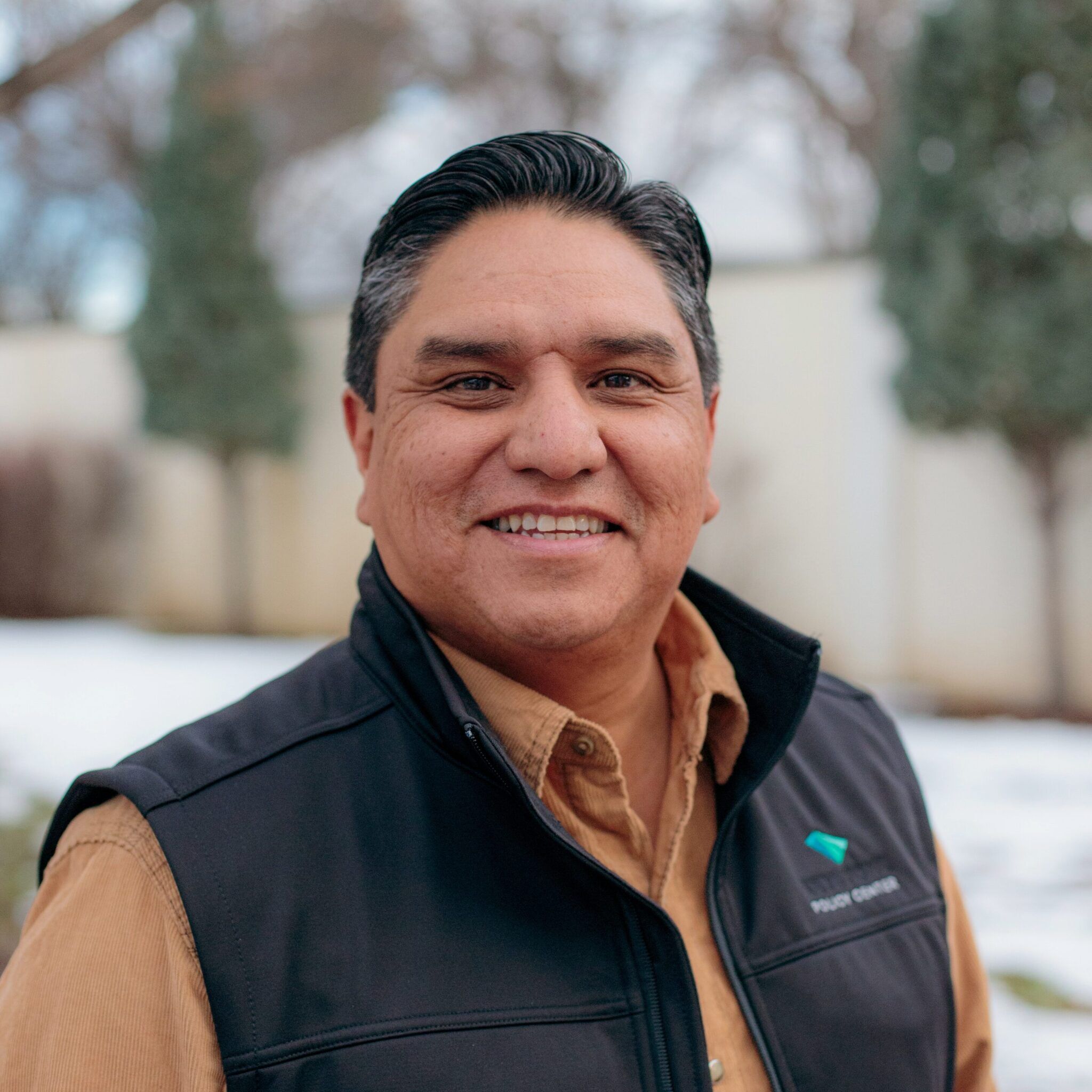
Denver has tapped Ernest House Jr., director of tribal and Indigenous engagement at the Keystone Policy Center, to lead planning efforts for the city’s future American Indian Cultural Embassy.
House, a member of the Ute Mountain Tribe, will guide an advisory panel of Native American leaders to help shape the $20 million voter-approved project that “celebrates and supports” American Indian and Alaska Native communities.
Denver Mayor Mike Johnston lauded House, stating that he “brings a lifetime of leadership, integrity and commitment to Native communities to this important effort,” according to a news release.
“His experience strengthening tribal partnerships and elevating Indigenous voices makes him uniquely qualified to help guide the vision for the American Indian Cultural Embassy,” the mayor said. “Under his leadership, this voter-approved investment will reflect the values, history and future of Denver’s American Indian and Alaska Native communities, ensuring this space is shaped by and for the people it is meant to serve.”
A Gates Family Foundation and German Marshall Memorial Fellow, House serves on several boards, including The Gates Family Foundation, The Nature Conservancy, National Western Center Authority, and the Telluride Institute, according to the embassy’s page on the city’s website.
He is the son of the late Ernest House, Sr., a long-time tribal leader, and great-grandson of Chief Jack House, the last hereditary chief of the Ute Mountain Ute Tribe.
The new embassy is slated for construction in Denver’s District 11, near 56th Avenue and Peña Boulevard.
The site itself is right next to the Rocky Mountain Arsenal National Wildlife Refuge, where a herd of buffalo currently roam.
Supporters and community members hope the embassy’s proximity to Denver International Airport will draw new Indigenous and First Nations organizations and events to the Denver area.
“Indigenous communities have always led with a deep understanding of land, culture, and responsibility to future generations,” House said in the release. “Efforts like this create space not only to recognize history, but to support living cultures and strengthen the role of Native leadership in shaping the future. When we approach this work with humility and partnership, we can build something lasting.”
Originally, the embassy was set to receive $5 million in funding from the $950 million Denver Vibrant Bond package, per the executive committee’s recommendation.
However, after strong advocacy and City Council input on equity, Johnston recommended an additional $15 million in bond money for the project.