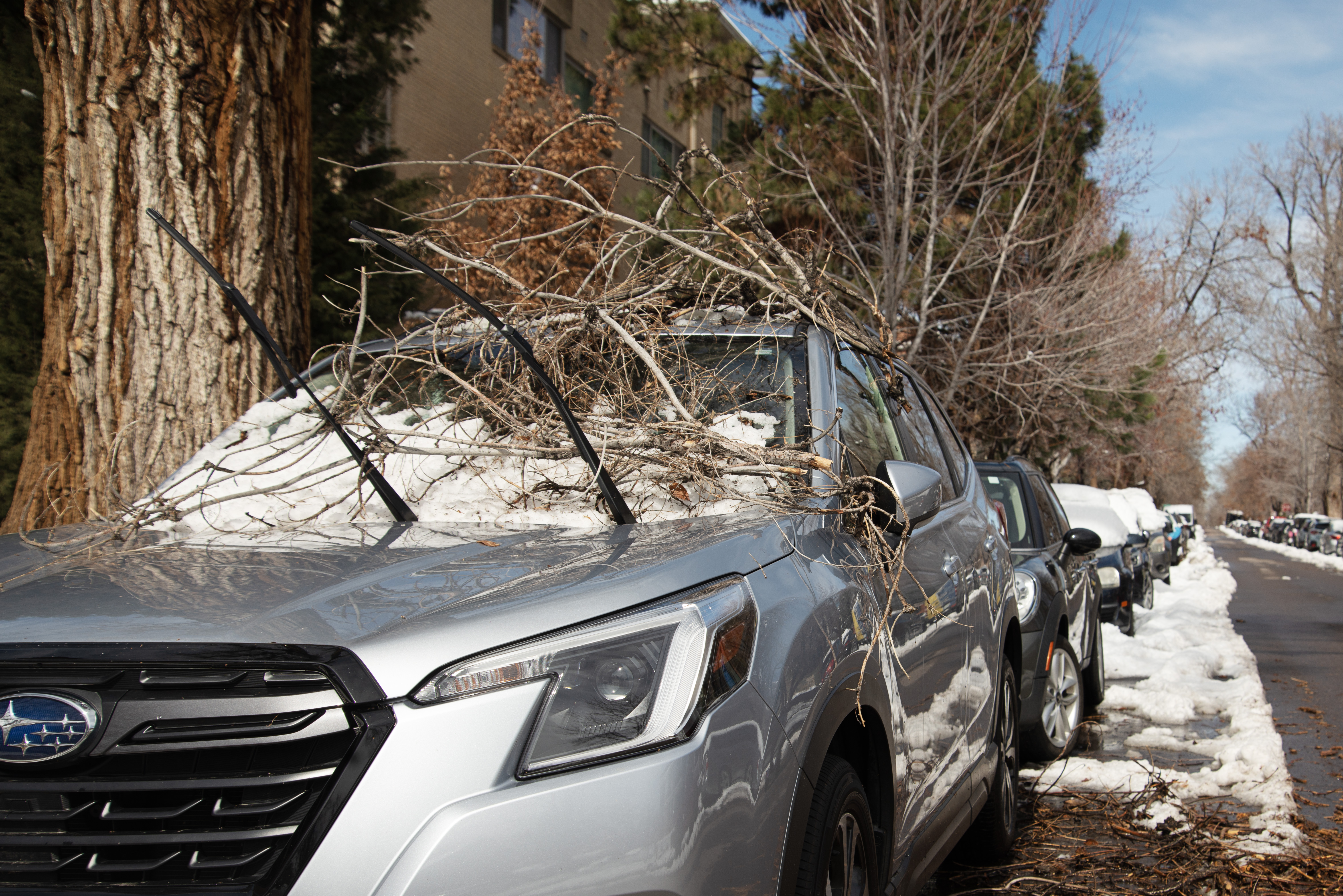
Denver area forestry staff hard at work clearing tree debris after snowstorm
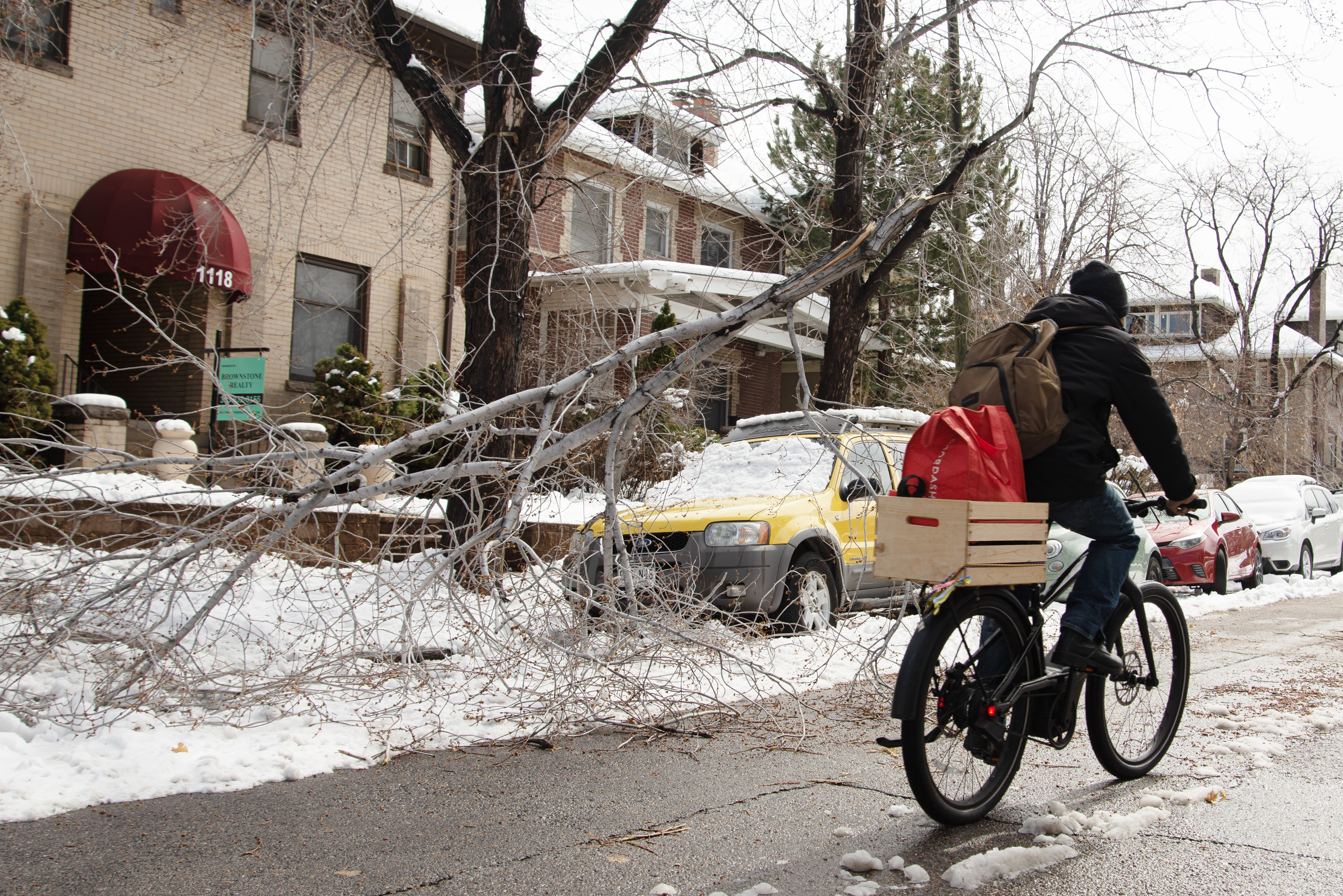
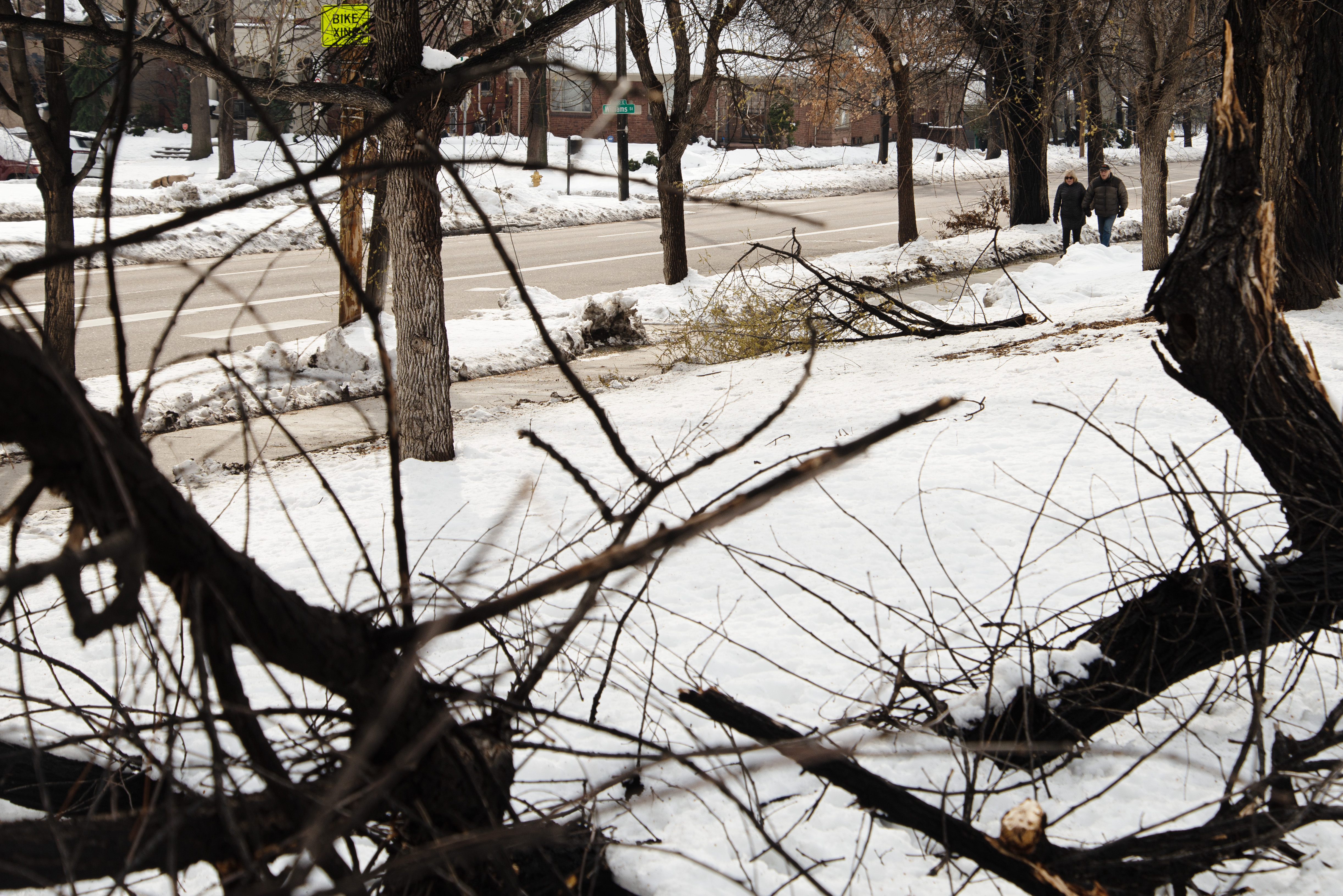
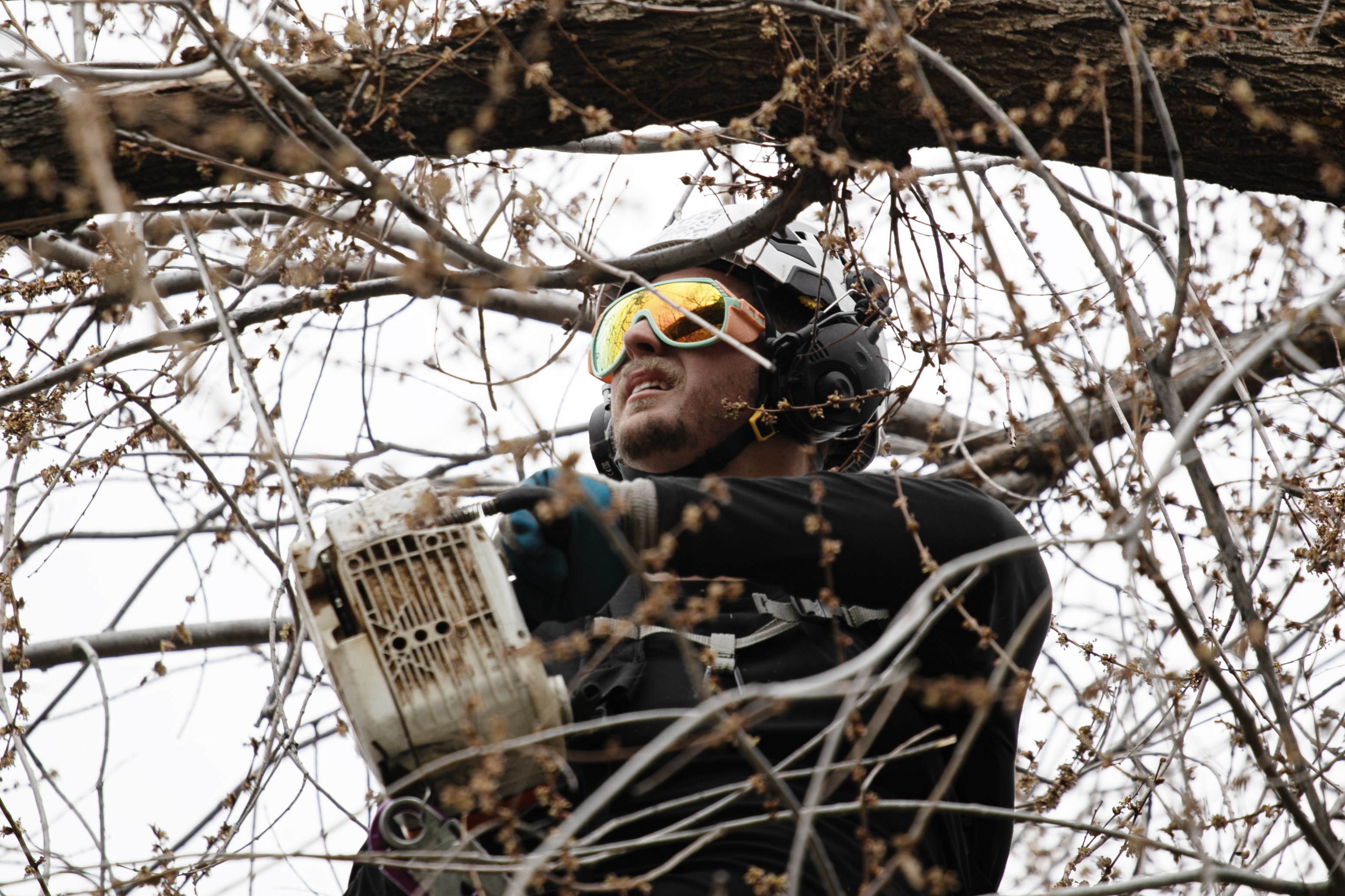
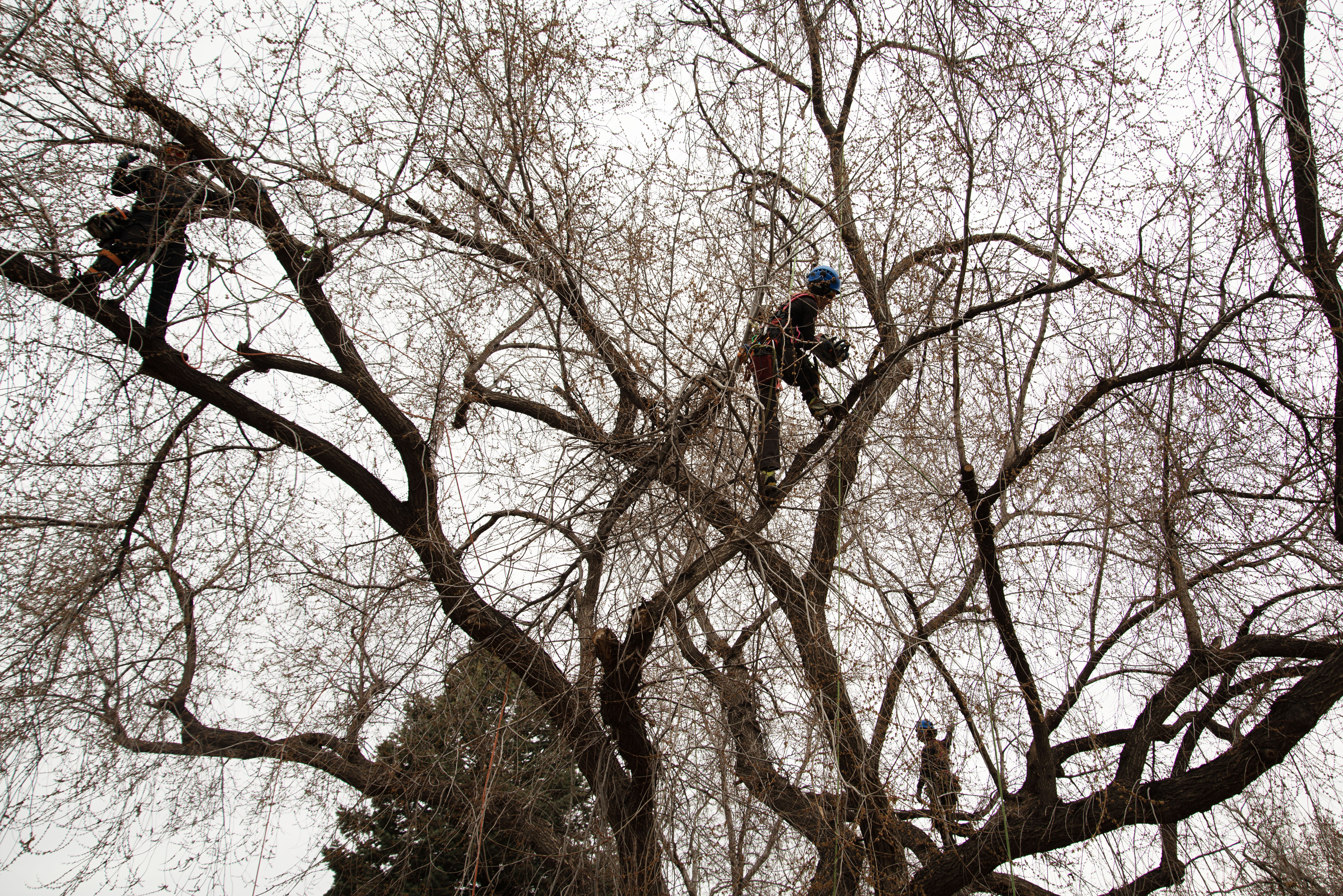
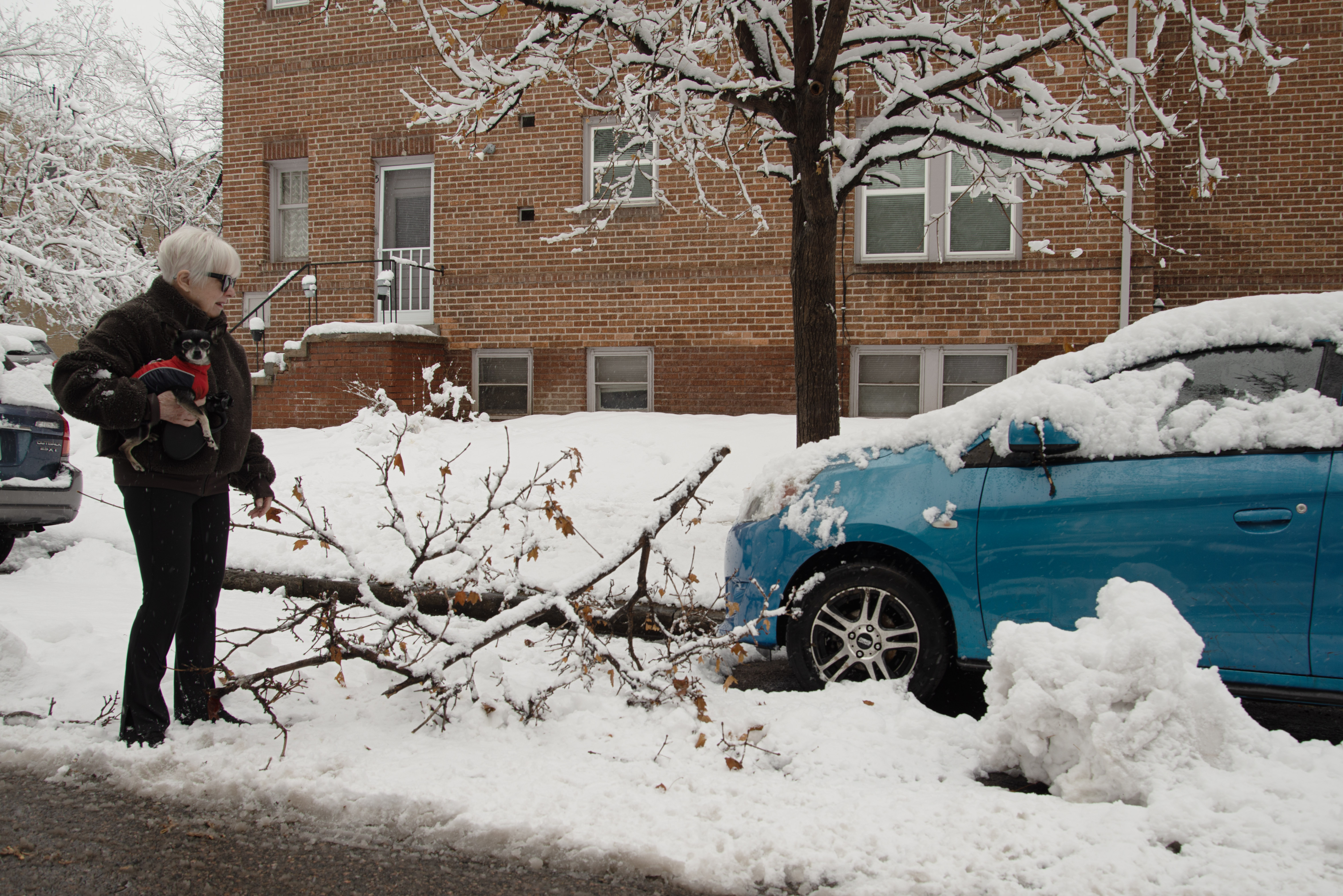
As Denver and Aurora residents start to recover from Thursday’s snowstorm that dumped about a foot of snow or more on the front range — clearing cars, shoveling driveways and going back to work and school — the cities’ arborists are hard at work clearing tree debris.
Aurora forestry staff called this week’s snow storm a “small” event compared to previous years, a feat they attribute to hard mitigation work.
Denver’s city forester said the storm left a wave of damage in its wake that could take the city a month or so to clean up from.
Adrian Camacho, Aurora’s superintendent of forestry, said little of the storm’s damage affected public trees. This, in large part, has to do with the mitigation work their forestry team does before storms hit, he said.
“Our forestry department has pruned every single tree in the entire city at least once over the last 10 years,” Camacho said. “I think that explains the pattern. Most of the things that break are things that been private trees that people don’t take care of, not as many public trees.”
Their efforts are particularly helpful in mitigating catastrophic damage like entire tree failures or large limb breaks, he said.
On Thursday night, forestry staff members were out from 1 a.m. until about 6 a.m. handling overnight calls. While they haven’t looked at all of the data yet, they’ve had about 50 calls for service since the storm started, but that is just the “tip of the iceberg,” Camacho said.
For the first 24 hours, their team does urgent work, clearing roads, driveways and other things that need to be cleared immediately, Camacho said.
Given this storm’s size, Camacho said they will likely be working into the next week to clean all of the debris and clear the piles.
For residents with trees on their property that don’t belong to the city, they can either call a licensed arborist to work on the tree or call a landscaper to clean up fallen branches, he said.
Denver Arapahoe Disposal Site (DADS) Landfill, 3500 S. Gun Club Road, Aurora takes tree debris from residents.
For public trees, staff takes care of the debris, turning it into mulch, which is used for city projects or given away to residents.
Compared to past storm damage, this week’s storm damage wasn’t bad, Camacho and city arborist Jacque Chomiak said.
Camacho recalled a 2015 storm that hit in May and left a wave of tree damage across the city. Unlike this week’s storm, the 2015 storm hit when trees had already leafed out, meaning they held a lot more snow, he said.
Around that same time, the city had a tornado event, during which high winds took out a lot of trees.
Chomiak recalled a snowstorm in September of 1995 that swept the city and left a wave of damage. Similar to the 2015 storm, the storm in 1995 hit before trees lost all of their leaves, making them hold more snow and weighing them down.
In Denver, meanwhile, City Forester Mike Swanson said the process of cleaning up after this week’s storm could take months.
Currently, his team is focusing on triage, assessing the extent of the damage and ensuring main transportation-ways like arterial roads are cleared and safe.
Across the city, there were about 130 tree incidents due to the recent storm that vary in severity from a tree branch hanging in the right of way to entire tree failures, Swanson said.
“We’ve seen it all with this storm,” Swanson said. “We’re seen branches on wires, we’ve seen whole trees on wires, we’ve seen it all.”
Swanson likes storms because they prune trees, albeit not properly, he said.
“The strongest survive a storm like this,” he said. “As an arborist, I kind of get a thrill out of it.”
Even though nature does some of the pruning for Swanson and his team with storms like the one this week, that doesn’t make their work any less intense.
Having been with the city for more than 20 years, Swanson has seen it all when it comes to large storms and damage and said that, while this storm was damaging, it wasn’t as bad as some previous storms — like that in March 2003.
When his team is done doing triage, cleaning main roads and parks of debris, they will work on inspecting standing trees and making proper cuts on branches to mitigate any further damage.
Swanson’s team takes tree branches and tree waste to the city’s state regulated recycle site, where they are usually ground down to create mulch.
Swanson encouraged residents in coming weeks to “look up,” saying there are likely branches in trees that are broken but have yet to fall that could create a hazard to pedestrians.
He also encouraged people with trees in their yards to pile the snow around them and use it to their advantage to help water the trees.
“The extra amount of soil moisture may help the tree in the long run,” Swanson said.